Alphabet sequencing Normal Letter Recognition Worksheets for 4-Year-Olds
3 filtered results
-
From - To
Unlock your child's potential with our engaging Alphabet Sequencing Normal Letter Recognition Worksheets for 4-year-olds. Designed by education experts, these resources help young learners practice recognizing and arranging letters in sequence, boosting their literacy foundation. The vibrant, fun activities foster essential skills such as letter identification and alphabetical order understanding, making learning an enjoyable adventure. Perfect for use at home or in preschool settings, these worksheets align with early education standards, ensuring your child receives quality, effective learning materials. Equip your little one with the tools needed for early reading success by exploring our curated alphabet sequencing worksheets today!
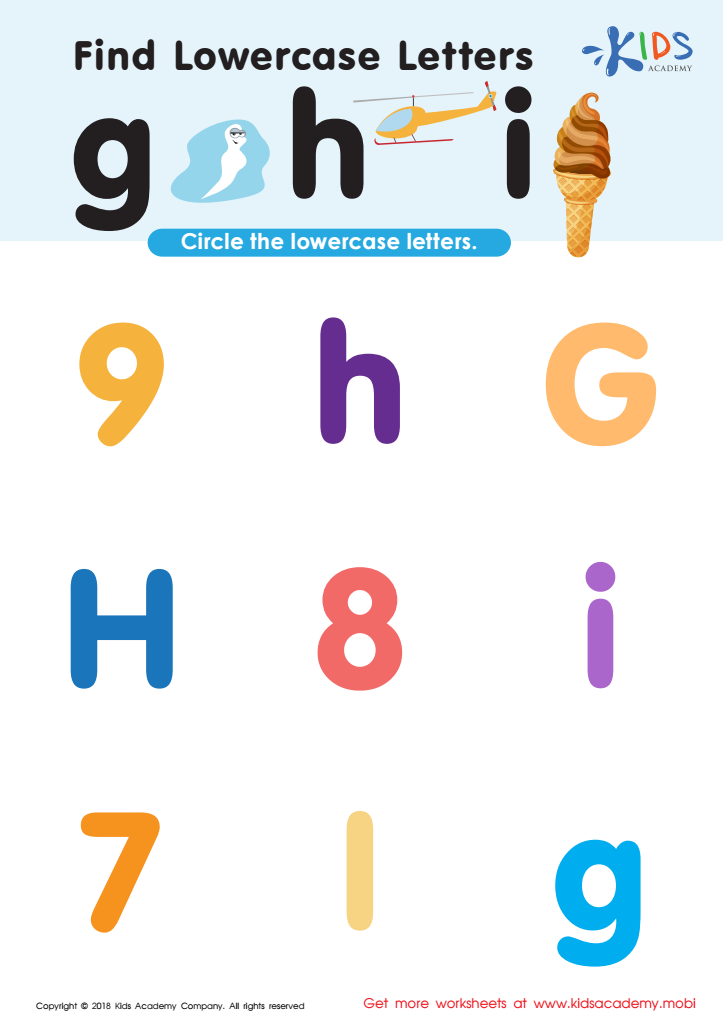
Find Lowercase Letters g h i Worksheet
 Assign to My Students
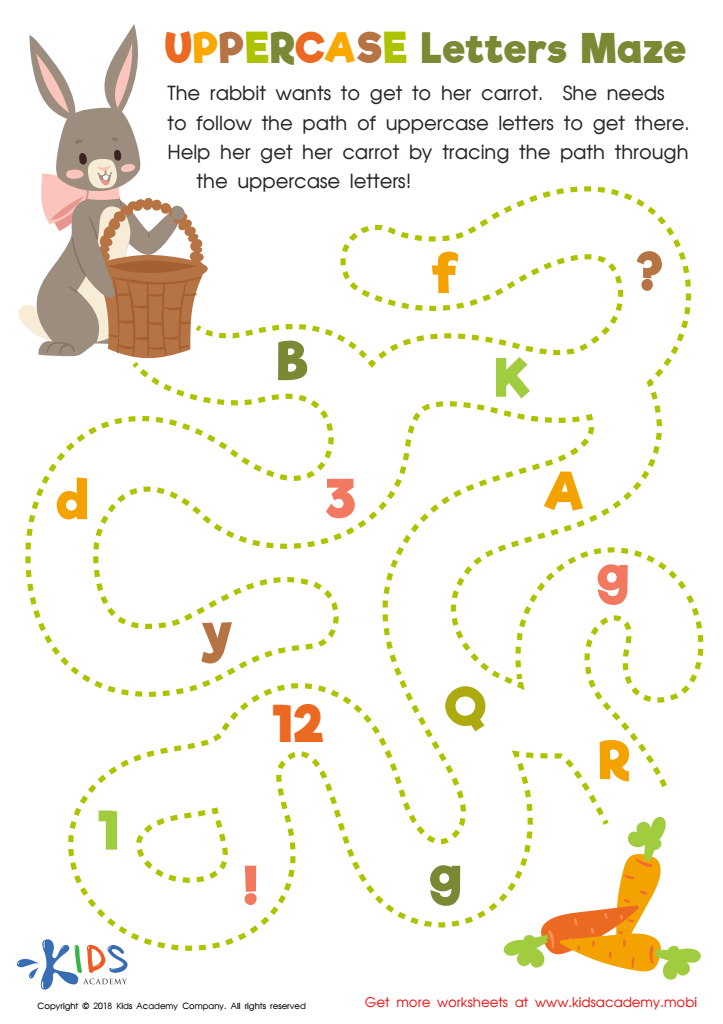
Uppercase Letters Maze Worksheet
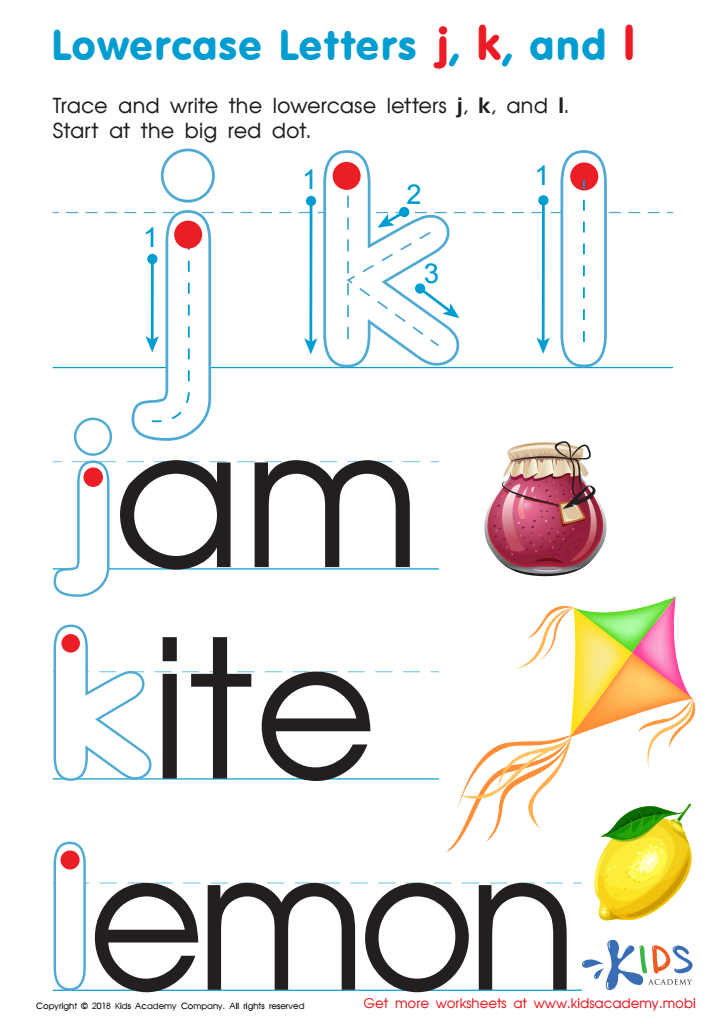
Lowercase Letters j k l Worksheet








Alphabet sequencing and normal letter recognition are fundamental aspects of early childhood education that lay the groundwork for future literacy and academic success. For 4-year-olds, mastering these skills is particularly crucial for several reasons.
Firstly, recognizing and sequencing alphabet letters fosters essential cognitive skills such as memory, attention to detail, and logical thinking. These skills are not only vital for reading and writing but also enhance overall problem-solving abilities.
Secondly, as children become adept at identifying letters and their order, they build the foundational vocabulary and phonemic awareness needed for reading readiness. This ability to connect letters with sounds ultimately leads to successful word formation and reading fluency, which are critical milestones in a child's educational journey.
Socially and emotionally, early proficiency in alphabet skills boosts a child’s confidence and motivation to learn. When children feel competent in these areas, they are more willing to engage in learning activities, thereby fostering a positive attitude towards education.
Parents and teachers play an instrumental role by providing supportive and engaging environments that encourage alphabet practice. Interactive and playful methods, such as songs, games, and hands-on activities, can make learning the alphabet a joyful experience, seamlessly integrating education with play.
In conclusion, caring about alphabet sequencing and letter recognition for 4-year-olds is essential. It prepares children for academic achievements, nurtures cognitive development, and cultivates a lifelong love of learning.








