Hand-eye Coordination Normal Letter Recognition Worksheets for 4-Year-Olds
6 filtered results
-
From - To
Enhance your 4-year-old's learning journey with our Hand-eye Coordination Normal Letter Recognition Worksheets! Designed specifically for preschool-age children, these engaging printables foster essential skills like letter recognition and hand-eye coordination in a fun, interactive way. Each worksheet provides a unique blend of activities that encourage toddlers to recognize letters while improving their fine motor skills. Perfect for at-home learning or classroom use, our worksheets help children build a strong foundation for future reading and writing. Explore a wide range of creative exercises that promote both learning and play, ensuring your little one develops confidently on their educational path!
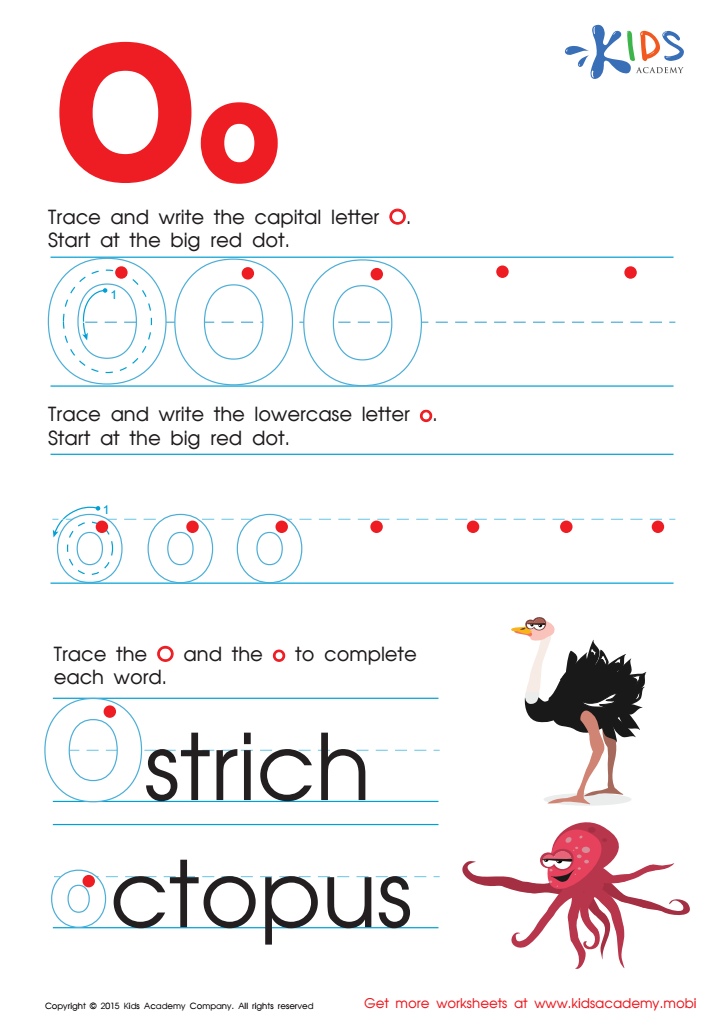
Letter O Tracing Page
 Assign to My Students
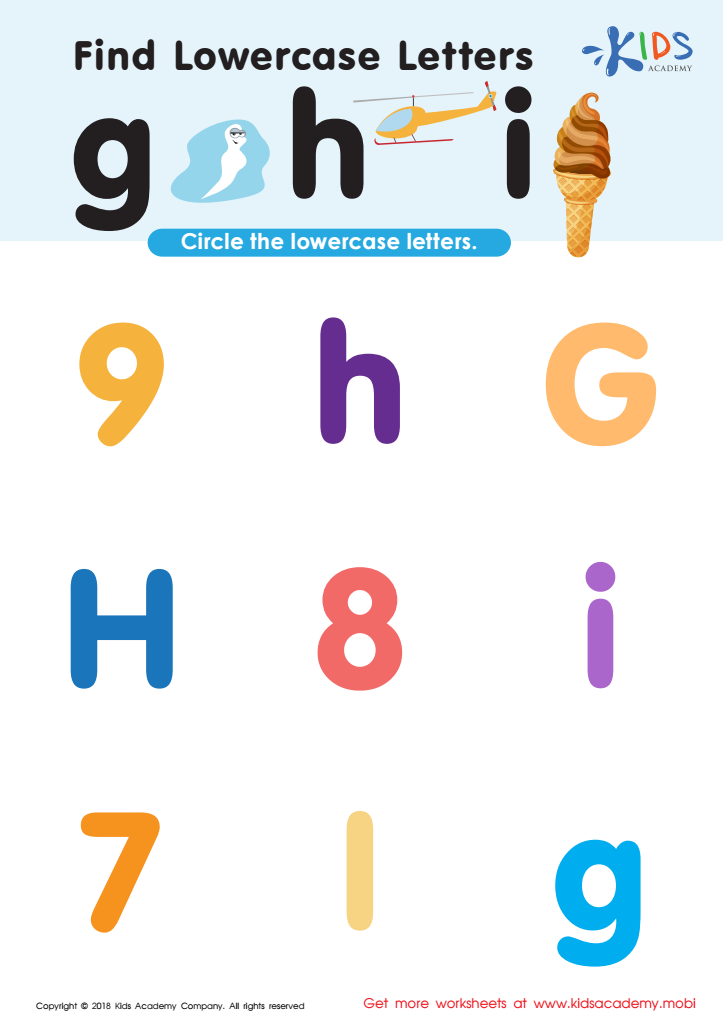
Find Lowercase Letters g h i Worksheet

Letter P Tracing Page

Letter H Tracing Page
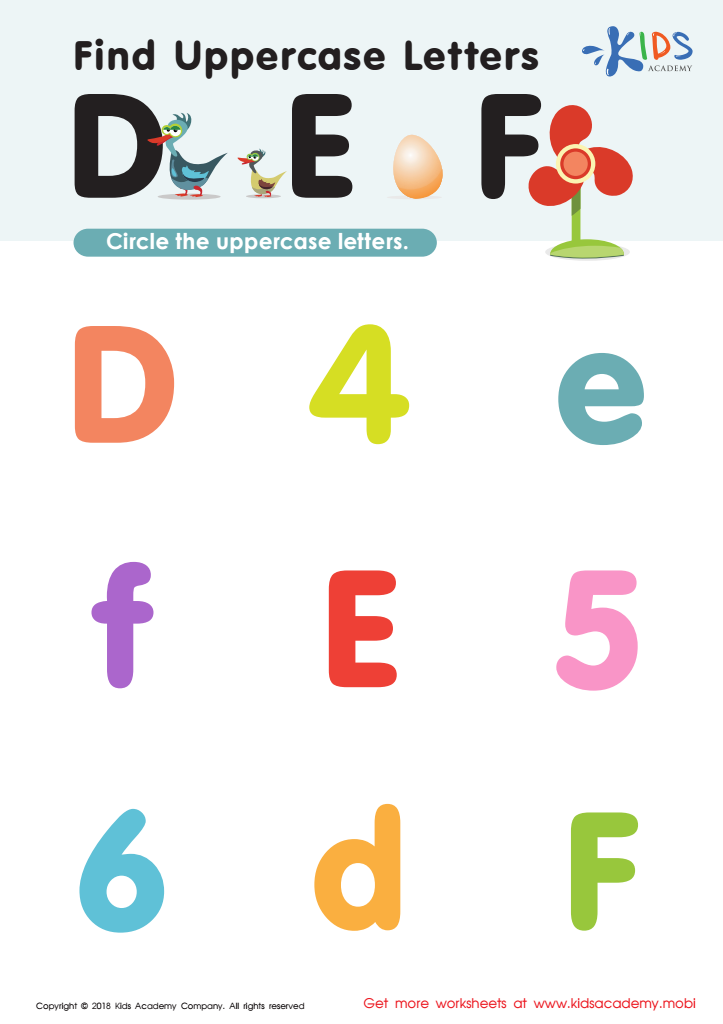
Find Uppercase Letters D, E, and F Worksheet

Letter D Tracing Page








Hand-eye coordination and letter recognition are crucial skills for four-year-olds that significantly influence their overall learning and development. Parents and teachers should care about these areas because they form the foundation for early literacy and academic success.
Hand-eye coordination is essential as it helps children perform tasks like writing, drawing, and cutting, which are important for their motor skills and self-expression. Good coordination aids in classroom participation and increases their confidence in completing tasks independently.
Normal letter recognition at this age indicates a child's awareness of language and literacy. Recognizing letters is a precursor to reading and is vital for kids to understand that letters represent sounds and words. Early exposure to letter recognition through playful activities promotes vocabulary development and enhances a child's ability to communicate.
Fostering these skills during early childhood can lead to better academic outcomes. Children who master basic skills tend to perform better in school, develop strong communication abilities, and maintain an eagerness to learn. Thus, parents and teachers play an important role in nurturing these skills through engaging and age-appropriate activities, setting the stage for lifelong learning and exploration.








