Motor skills development Normal Letter Recognition Worksheets for 4-Year-Olds
3 filtered results
-
From - To
Enhance your child's motor skills and letter recognition with our engaging Normal Letter Recognition Worksheets for 4-year-olds. Designed specifically for young learners, these worksheets combine fun activities that promote fine motor development while introducing the letters of the alphabet. Children will enjoy tracing, coloring, and identifying letters, making the learning process both interactive and enjoyable. Our thoughtfully crafted exercises support early literacy and help build confidence in writing skills, ensuring a solid foundation for future learning. Equip your little one with the tools they need to thrive by downloading our worksheets today and watch them excel in their letter recognition journey!

Letter H Tracing Page
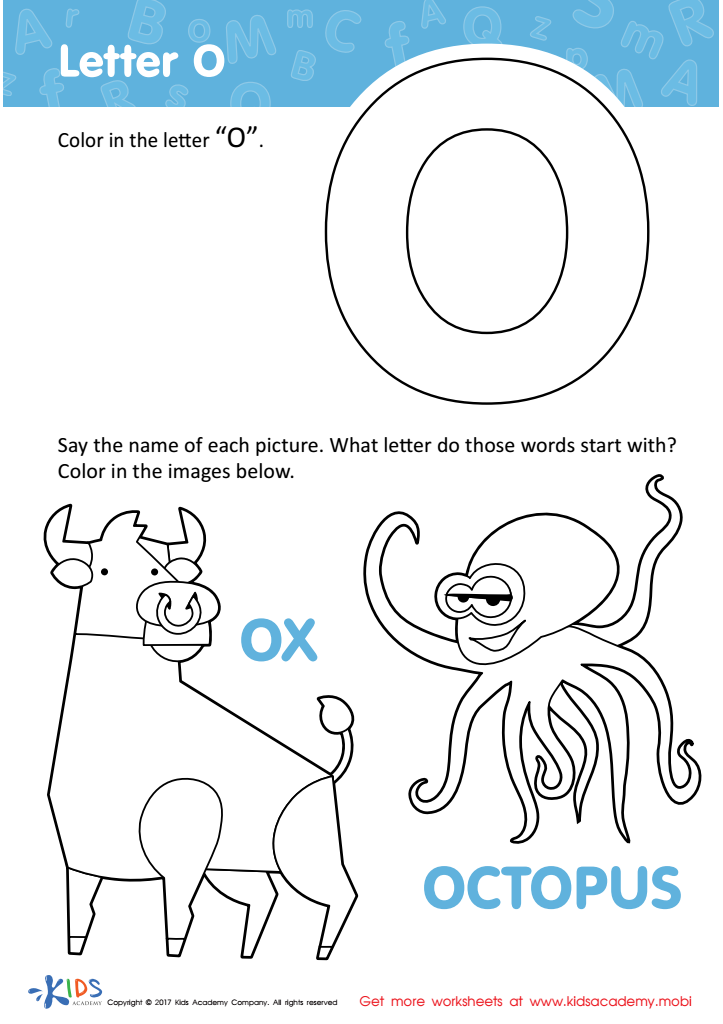
Letter O Coloring Sheet
 Assign to My Students
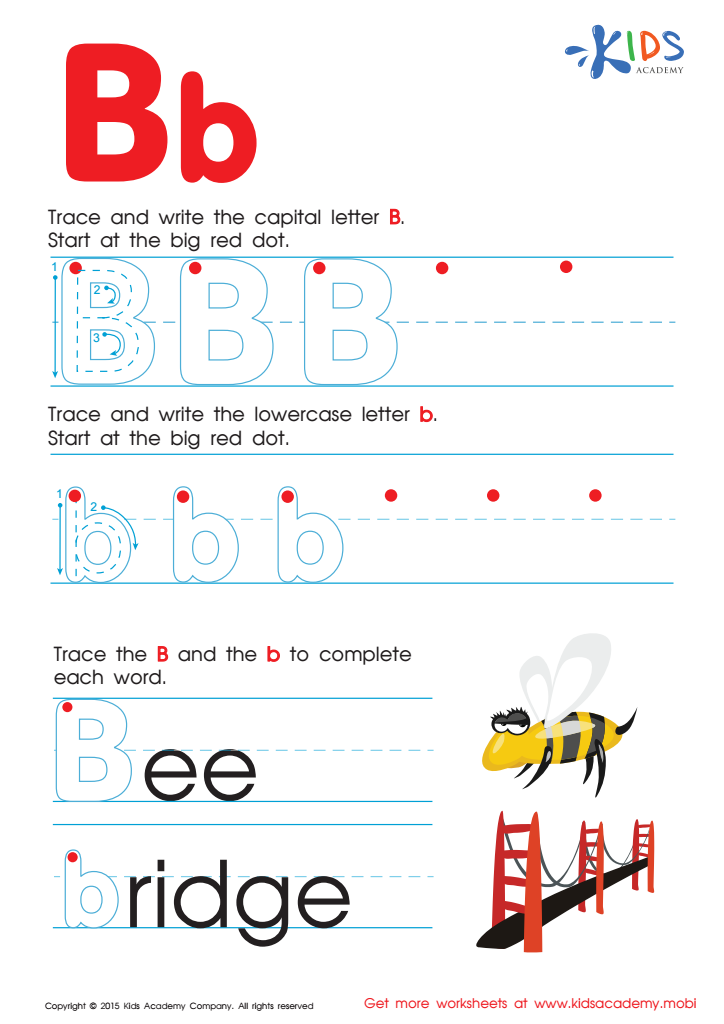
Letter B Tracing Page








Motor skills development, including normal letter recognition, is crucial for 4-year-olds as it lays the foundation for future learning and overall development. During this stage, children are refining their fine motor skills, which involve small muscles in the hands and fingers. These skills are essential for tasks like writing, gripping a pencil, and eventually typing—activities they will engage in throughout their educational journey.
Furthermore, letter recognition is a fundamental component of literacy. It enables children to identify and differentiate letters, which is vital for reading and communication. When children can recognize letters, they can start to blend them into sounds, paving the way for phonemic awareness, reading skills, and vocabulary development.
Parents and teachers who prioritize motor skills and letter recognition can better support cognitive growth and readiness for school. Activities like tracing letters, playing with letter blocks, and engaging in arts and crafts all contribute to this development. By fostering these skills, adults not only help children achieve academic success but also nurture their confidence and enthusiasm for learning. This holistic approach ensures children are well-equipped for future challenges in education and life, ultimately shaping confident, capable learners.








