Letter Tracing Practice Normal Tracing Letters Worksheets for 4-Year-Olds
3 filtered results
-
From - To
Help your 4-year-old master letter formation with our engaging Letter Tracing Practice worksheets! Designed specifically for preschool learners, these normal tracing letters worksheets provide a fun and interactive way for children to develop their writing skills. Each worksheet features colorful letters alongside clear tracing lines, encouraging kids to practice and improve their handwriting. Our worksheets not only enhance fine motor skills but also foster letter recognition and vocabulary development. Perfect for at-home learning or classroom activities, these letter tracing exercises will boost your child's confidence and prepare them for success in their educational journey. Get started today and watch your little ones thrive!
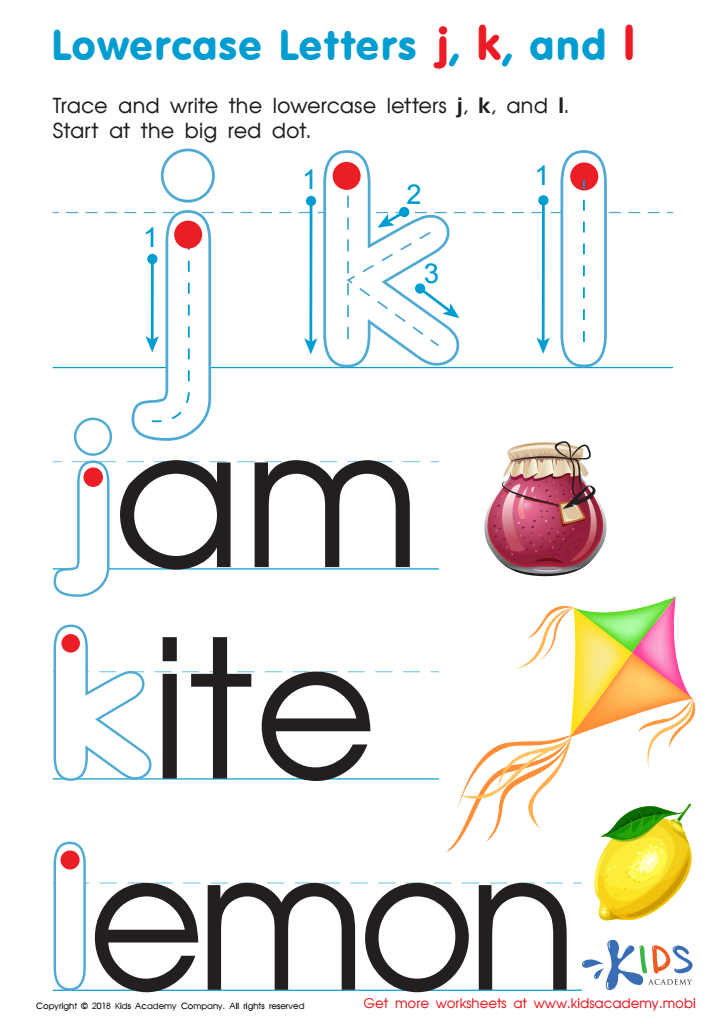
Lowercase Letters j k l Worksheet
 Assign to My Students
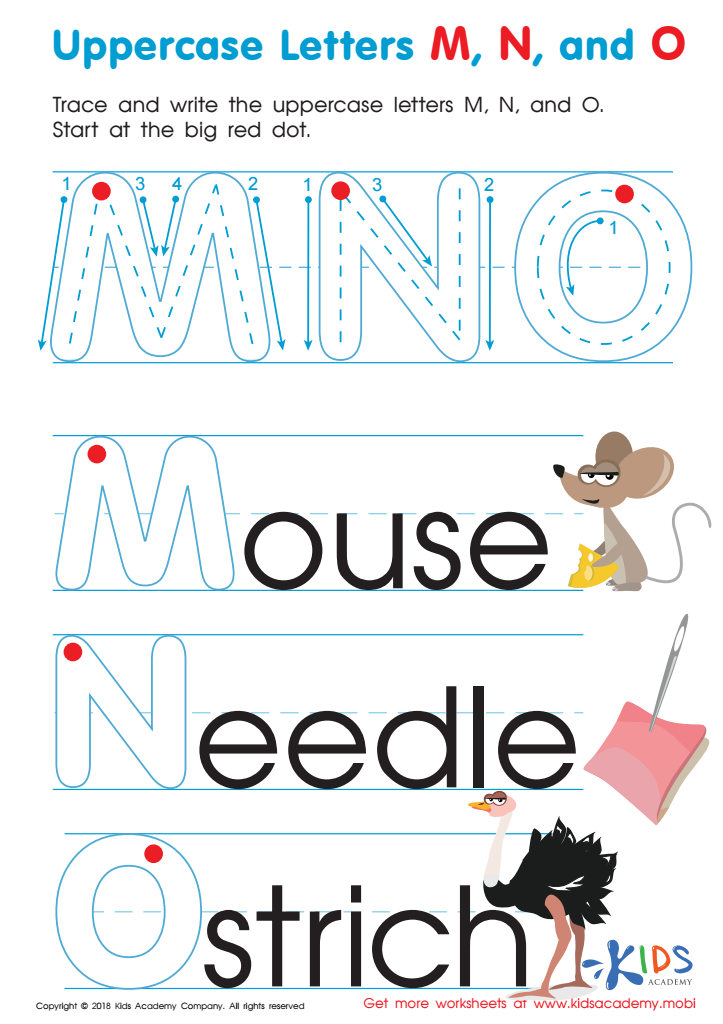
Uppercase Letters M, N, and O Worksheet
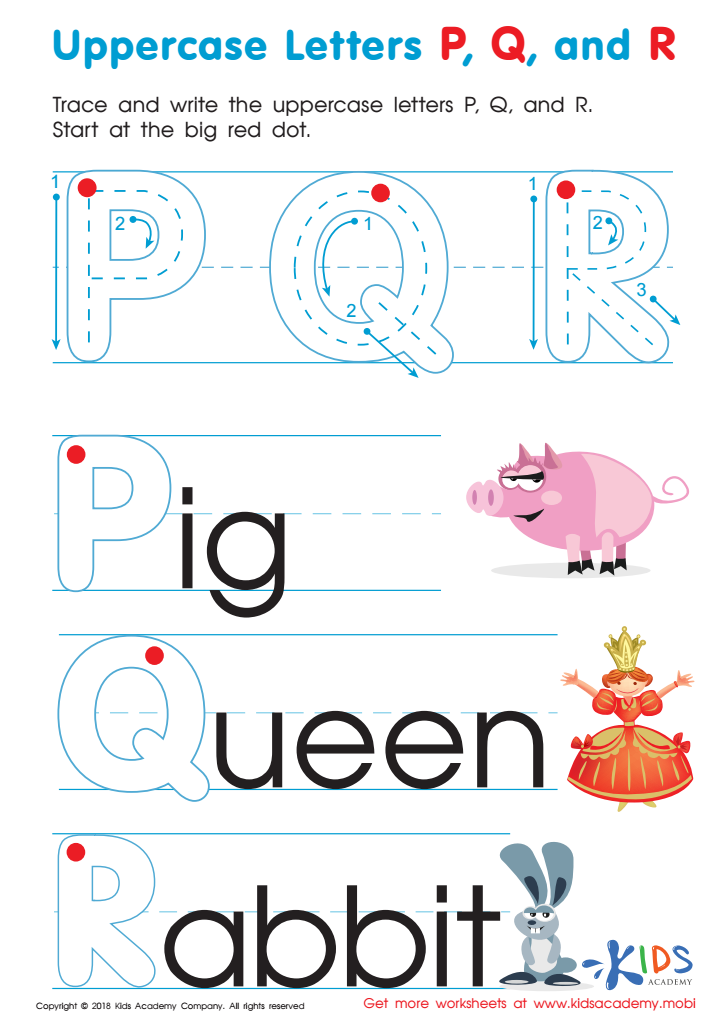
Uppercase Letters P, Q, and R Worksheet








Letter tracing practice is crucial for 4-year-olds as it lays the foundation for early literacy skills. At this age, children are starting to develop fine motor skills, and tracing letters helps strengthen their hand-eye coordination and dexterity. This fine motor development is essential not only for writing but also for various daily activities that require precision.
Moreover, tracing letters reinforces letter recognition, a vital component of early reading. As children trace, they are exposed to the shapes and sounds of letters, helping them make connections between written and spoken language. This practice aids in building familiarity and confidence, which are key for future reading success.
Letter tracing is also an engaging activity that can enhance cognitive skills. As children perform this task, they improve their concentration and focus. It can serve as a fun, interactive way to learn, especially if incorporated into games or creative activities.
For both parents and teachers, recognizing the importance of letter tracing practice means promoting a love for learning in young children. It creates a supportive environment that nurtures their readiness for school and life-long learning, ultimately leading to greater academic success. Encouraging this practice at home or in preschool can make a lasting difference in a child’s educational journey.








