Alphabet sequencing Normal Upper & Lowercase Letters Worksheets for 4-Year-Olds
4 filtered results
-
From - To
Enhance your child's letter recognition and sequencing skills with our Alphabet Sequencing Normal Upper & Lowercase Letters Worksheets designed for 4-year-olds. These engaging, printable worksheets offer fun and interactive ways for children to practice identifying and ordering both uppercase and lowercase letters. Ideal for preschoolers, they help build a strong foundation in alphabet knowledge, promoting literacy development and fine motor skills. Perfect for educators and parents alike, these worksheets make learning the alphabet enjoyable and effective. Foster your child's early literacy journey with our expertly crafted resources, available to print from the comfort of your home.
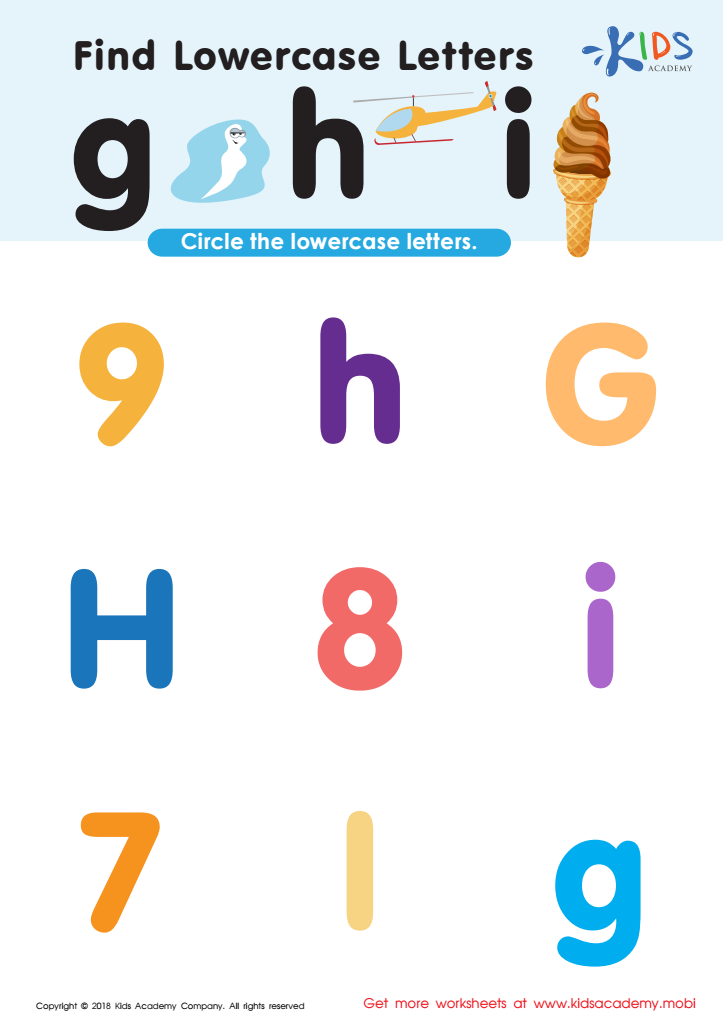
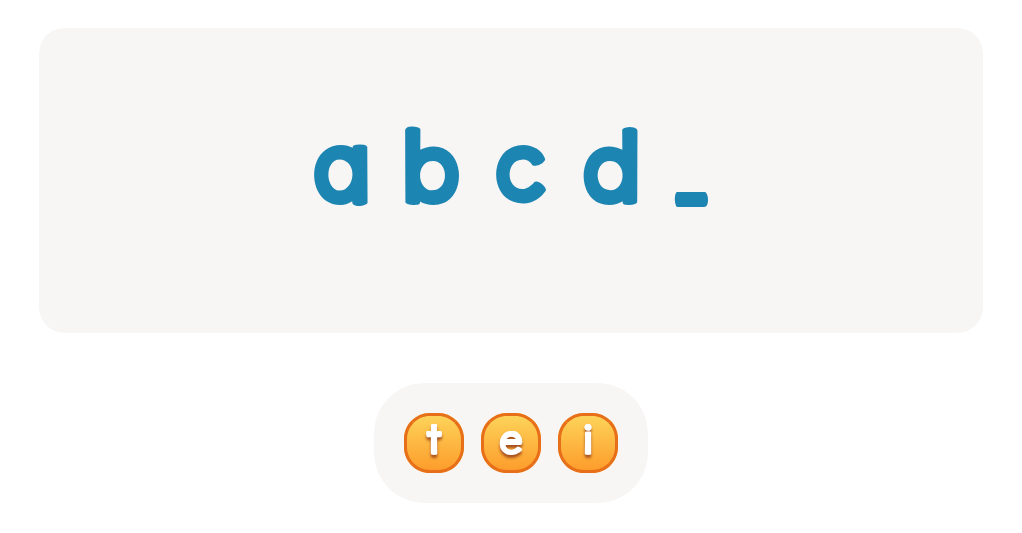
Find Lowercase Letters g h i Worksheet
 Assign to My Students

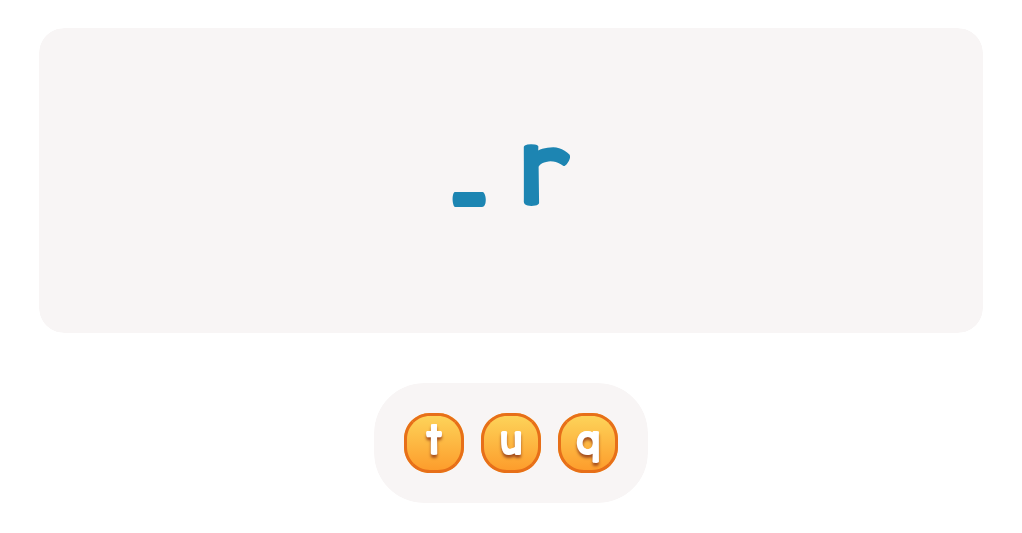

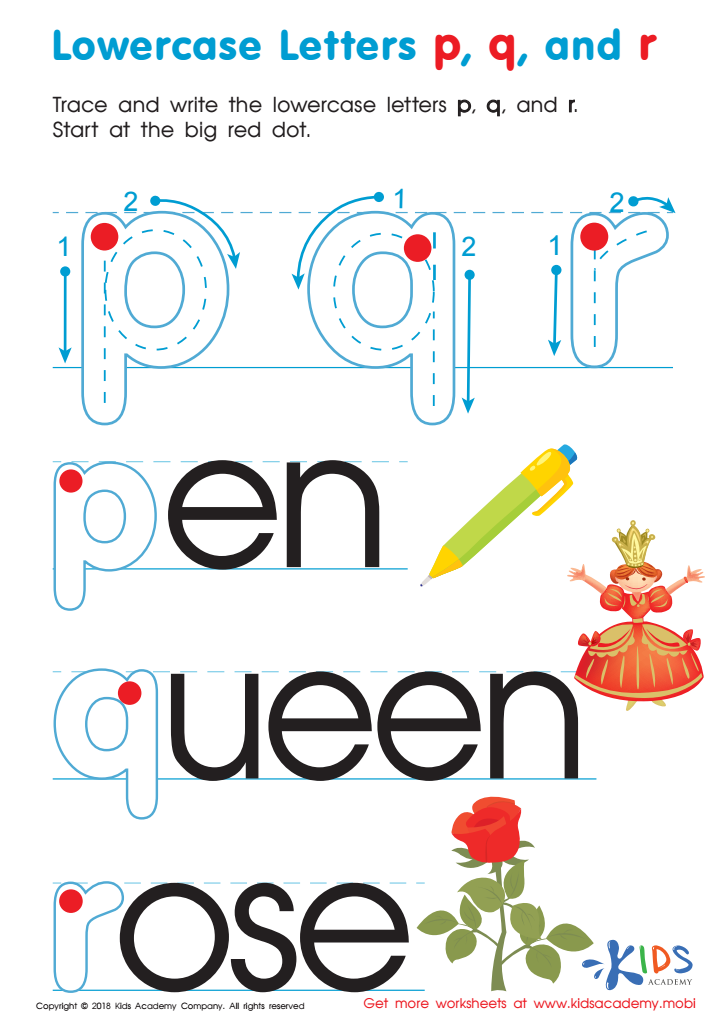
Lowercase Letters p q r Worksheet
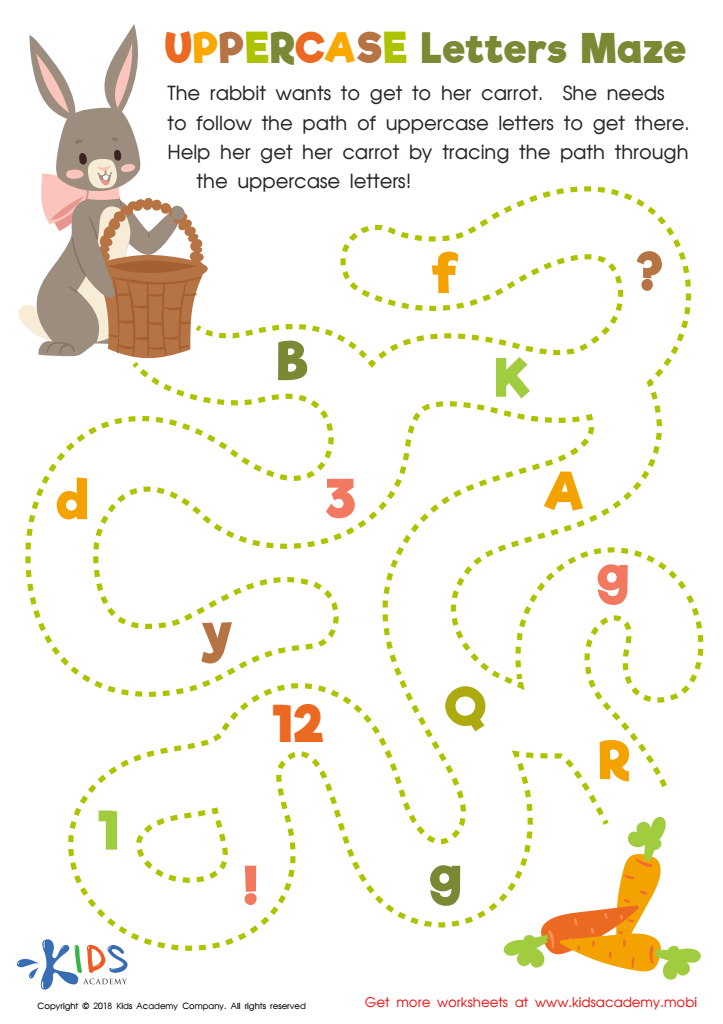
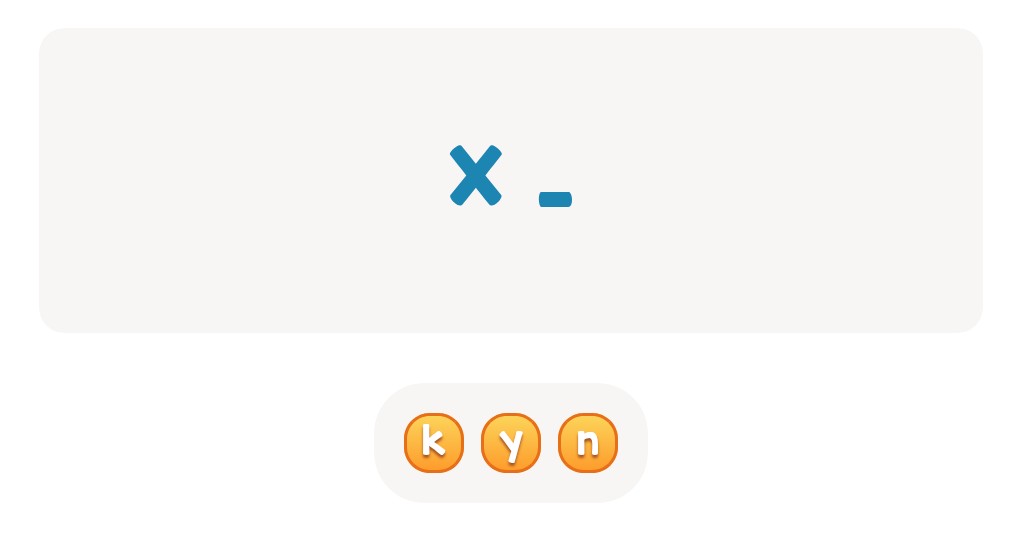
Uppercase Letters Maze Worksheet
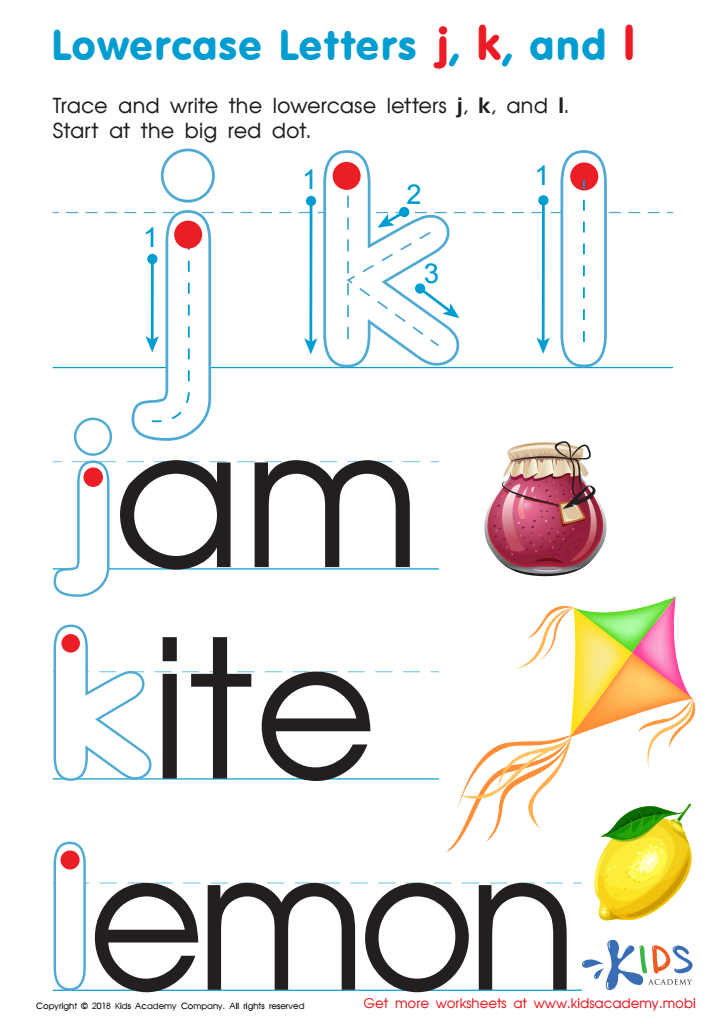
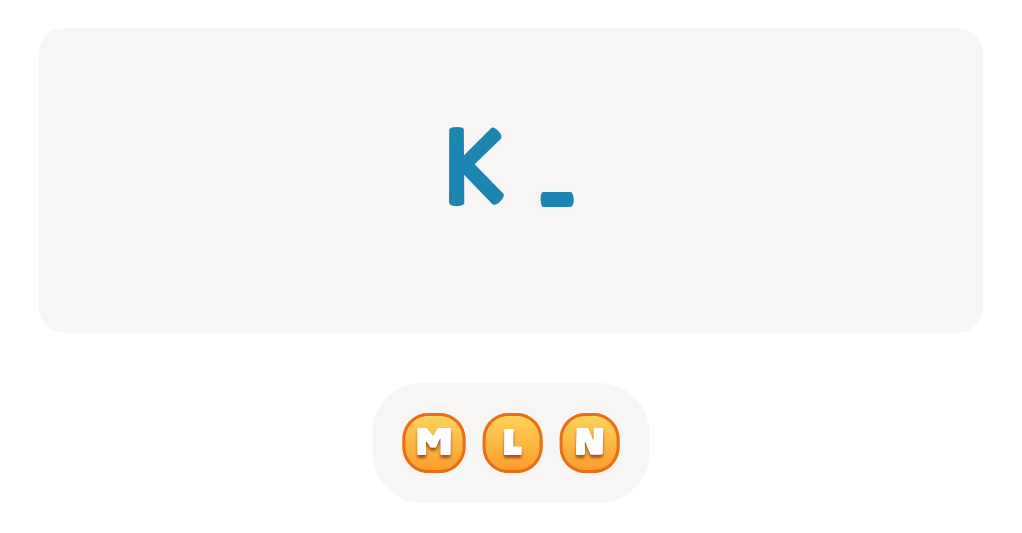
Lowercase Letters j k l Worksheet






Alphabet sequencing using both uppercase and lowercase letters is crucial for 4-year-olds as it lays the foundation for several key developmental milestones. At this age, children are rapidly acquiring language skills, and recognizing the alphabet in both forms will enhance their reading and writing abilities. By learning the sequence of letters, they develop a sense of order, which fosters cognitive skills such as memory, attention to detail, and problem-solving.
Incorporating both uppercase and lowercase letters familiarizes children early with the way letters are used in real-world contexts, such as books, signs, and technology. This dual recognition is pivotal for their future literacy, as it prepares them for identifying words and sentences correctly, enhancing their reading fluency and comprehension.
Moreover, understanding the alphabet sequence supports phonemic awareness, a critical component in the ability to blend sounds and form words, which is essential for reading proficiency. For parents and teachers, focusing on these skills means providing children with a strong educational foundation, yielding long-term benefits not only in language arts but across their entire academic journey.
Promoting alphabet sequencing through playful activities can make learning enjoyable, thereby fostering a love for reading at an early age. This enthusiasm can lead to academic success and a lifelong appreciation for learning.







