Uppercase identification Normal Upper & Lowercase Letters Worksheets for 4-Year-Olds
5 filtered results
-
From - To
Introduce your 4-year-old to the exciting world of letters with our Uppercase Identification Worksheets! Designed specifically for young learners, these engaging worksheets focus on helping children recognize and differentiate between uppercase and lowercase letters. With fun illustrations and captivating activities, your child will enjoy identifying and tracing letters while developing essential literacy skills. Perfect for preschool or kindergarten settings, these resources support early reading and writing development. Encourage a solid foundation in letter recognition at home or in the classroom. Download our worksheets today and watch your child's confidence and excitement grow as they explore the alphabet!
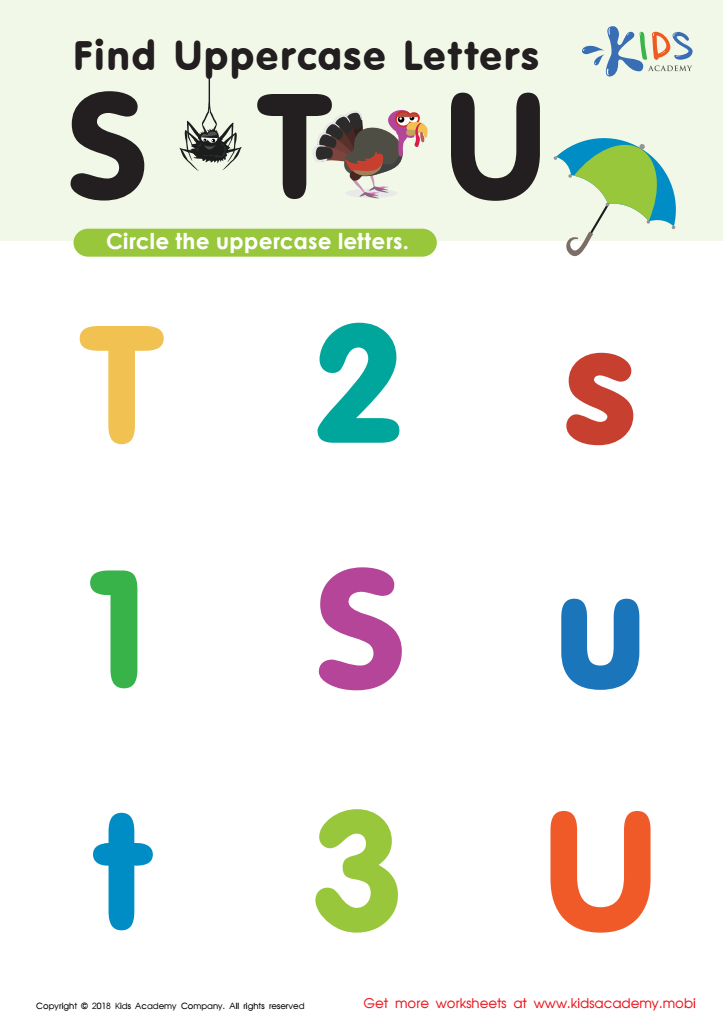
Find Uppercase Letters Worksheet
 Assign to My Students
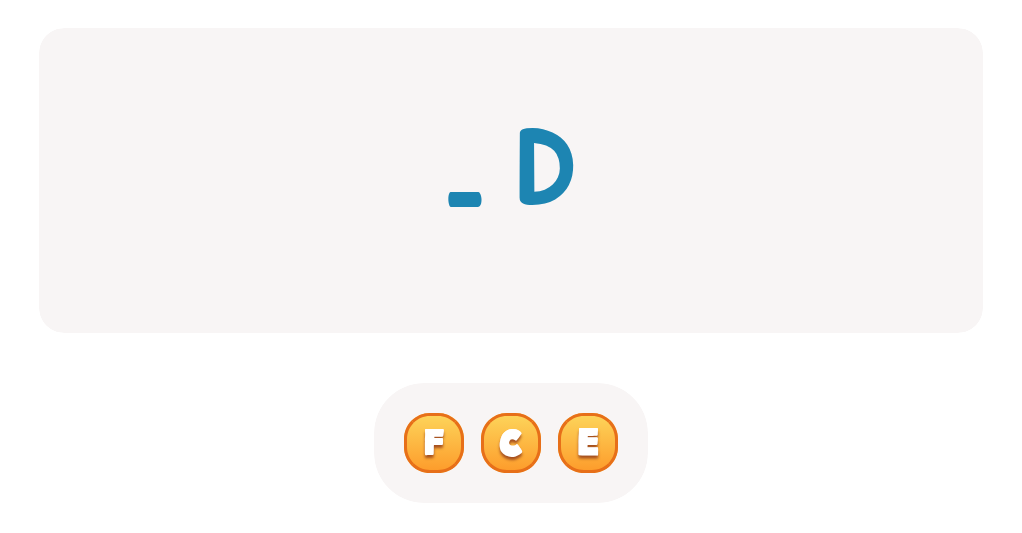

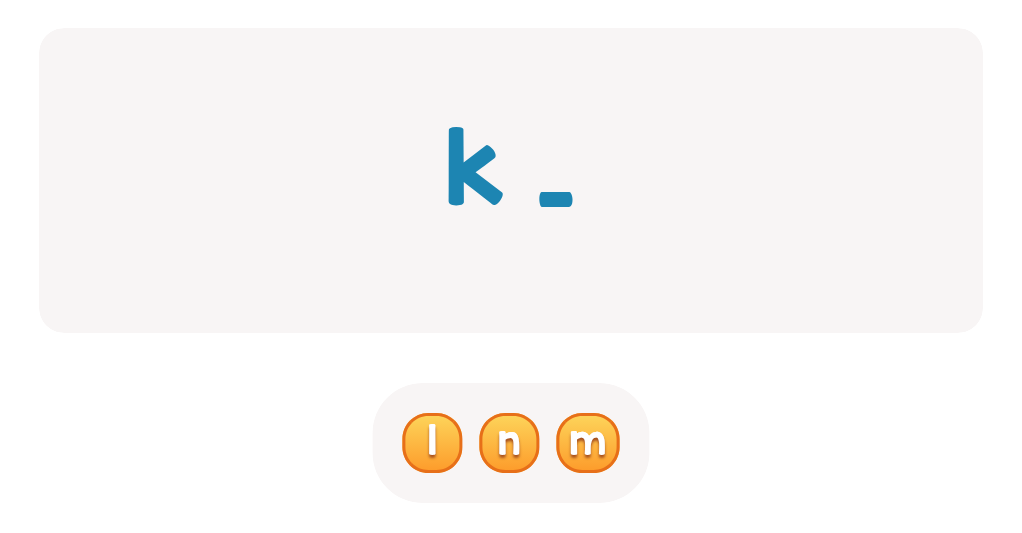
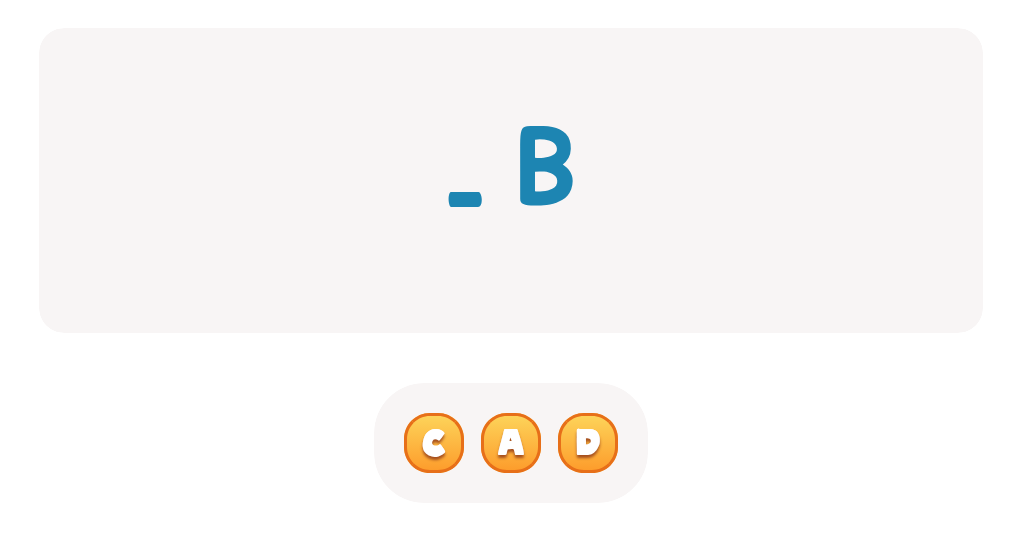

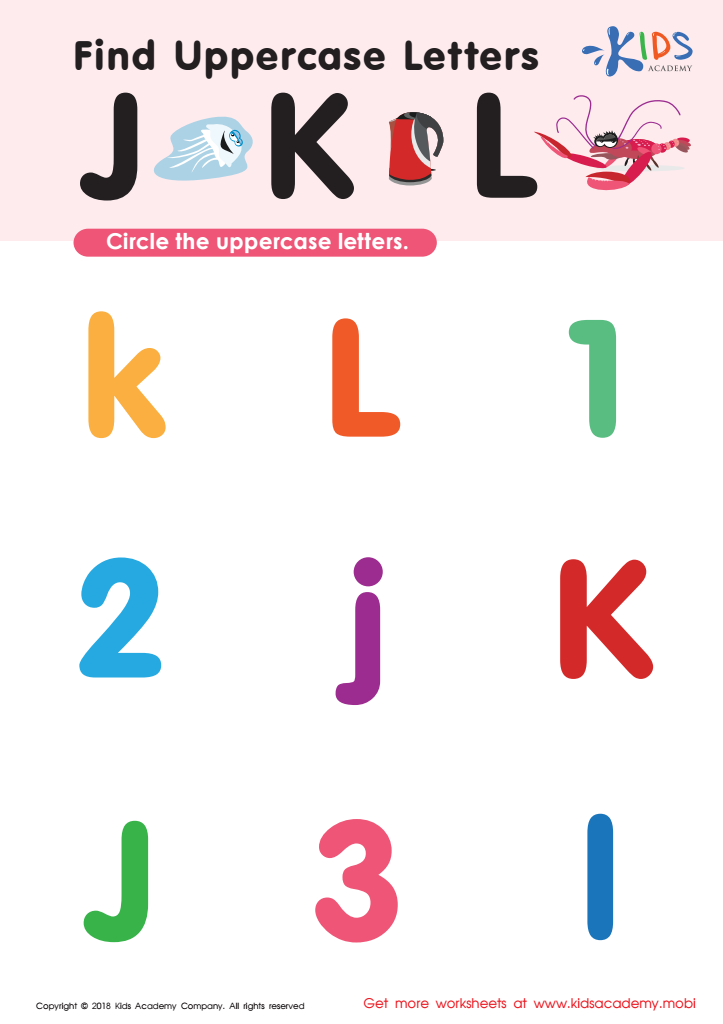
Find Uppercase Letters J, K, and L Worksheet
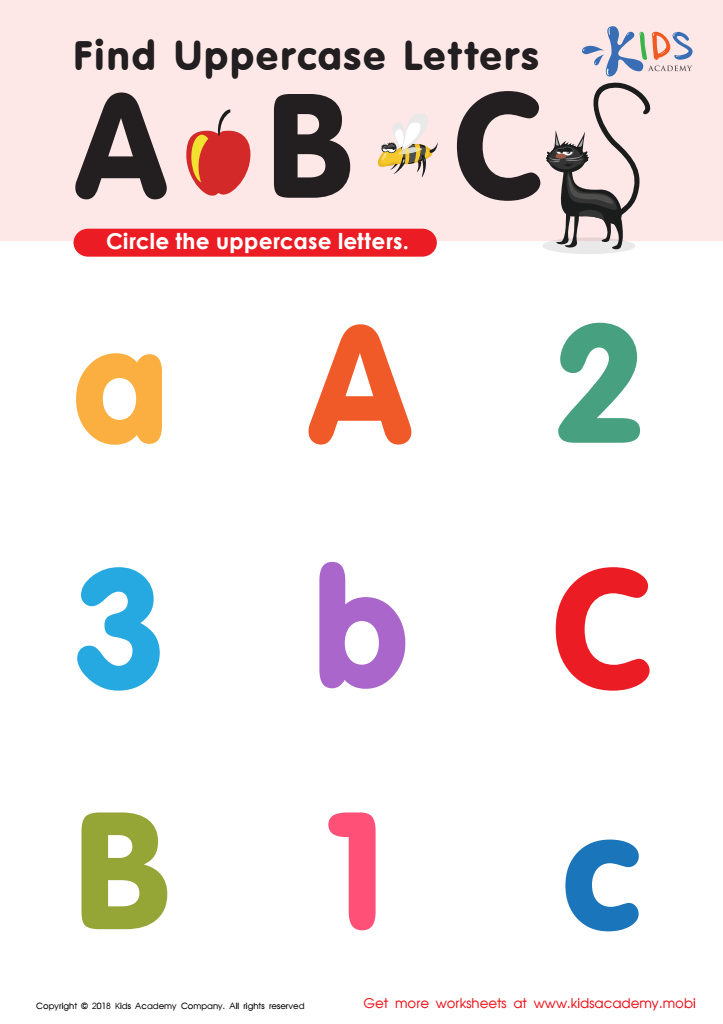
Find Uppercase Letters A, B, and C Worksheet
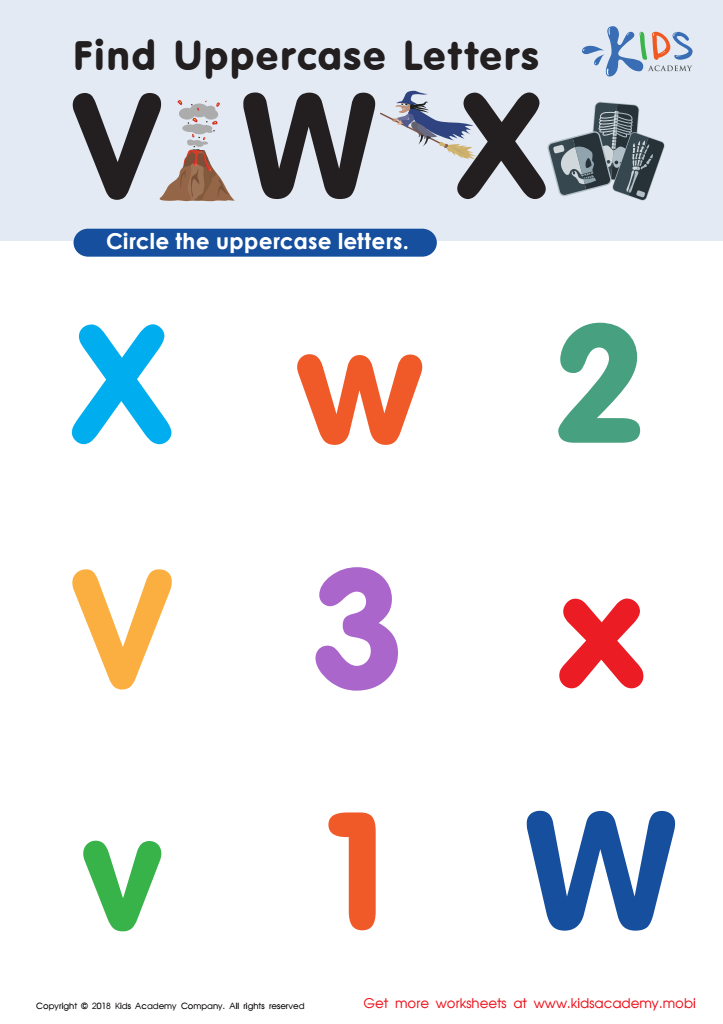
Find Uppercase Letters V, W, X Worksheet
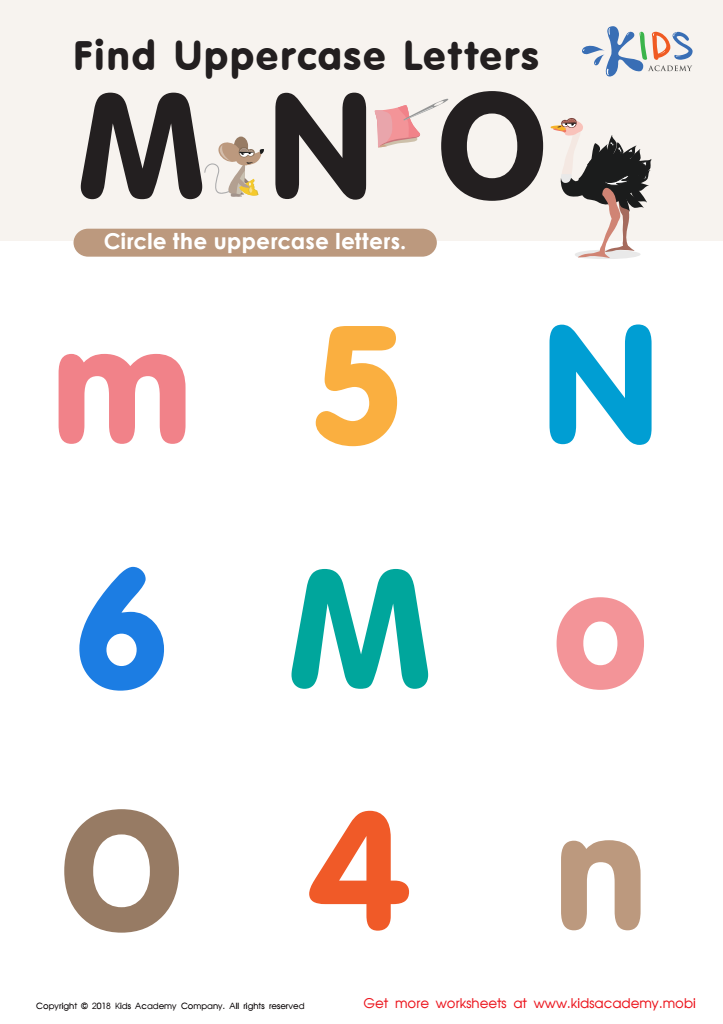
Find Uppercase Letters M, N, and O Worksheet






Recognizing uppercase and lowercase letters is a fundamental skill for 4-year-olds as it forms the basis for literacy development. Understanding the difference between uppercase and lowercase letters helps children become familiar with the structure of written language, essential for reading and writing. Mastery of uppercase letters is often the first step, as they are typically the first types of letters introduced to children. Recognizing these letters aids in developing phonetic awareness, which is critical for early reading skills.
Moreover, uppercase letters are frequently used in names, titles, and the beginning of sentences, making it vital for children to identify them in various contexts. This recognition not only promotes vocabulary building but also enhances memory and cognitive development as children connect sounds with letters.
Teachers and parents should invest time in Uppercase letter identification because it fosters confidence and encourages a love for reading and writing. Early literacy skills lead to better academic outcomes as children progress through school. Engaging in fun, interactive activities that involve these letters helps reinforce learning and motivates children to explore language further. Ultimately, attention to uppercase and lowercase letters equips children with essential tools for their educational journey.







