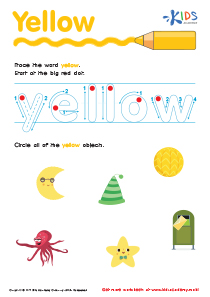
Letter Tracing Normal English for Beginners Worksheets for 4-Year-Olds
4 filtered results
-
From - To
Introduce your child to the fun world of letters with our "Letter Tracing Normal English for Beginners Worksheets for 4-Year-Olds." These thoughtfully designed worksheets help young learners develop essential writing skills while reinforcing letter recognition and fine motor development. Each page features clear, engaging exercises that make learning enjoyable. Start your child's educational journey with structured practice that combines tracing, coloring, and beginner phonics to build a strong foundation in literacy. Ideal for both parents and educators, our worksheets ensure a smooth and educational start in mastering the alphabet. Visit Kids Academy to download and start today!
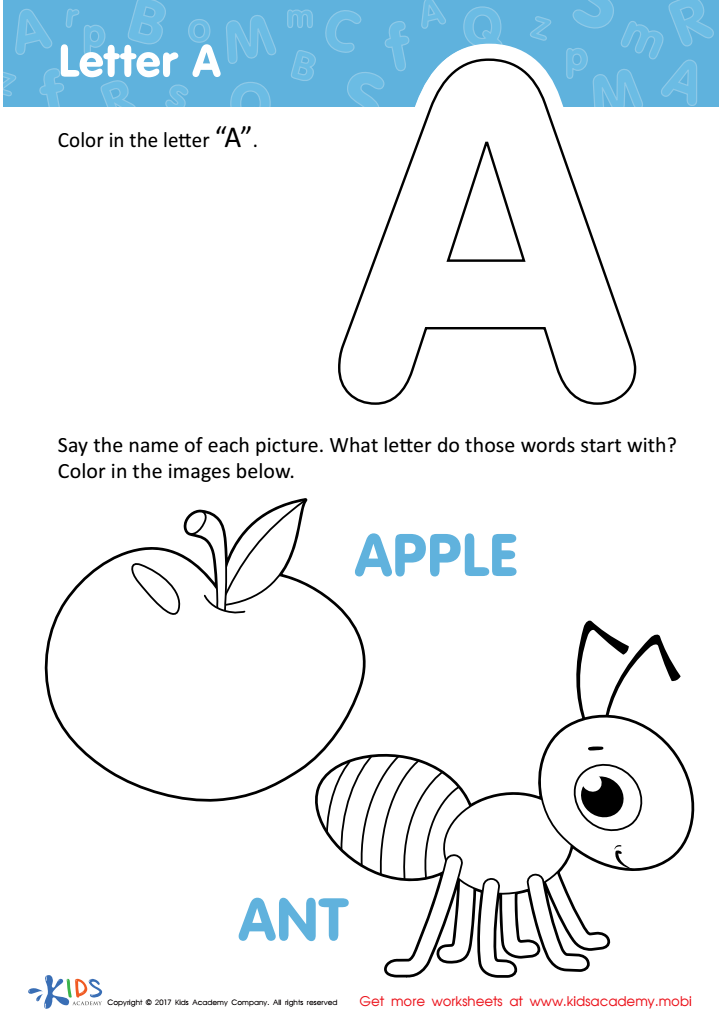
Letter A Coloring Sheet
 Assign to My Students
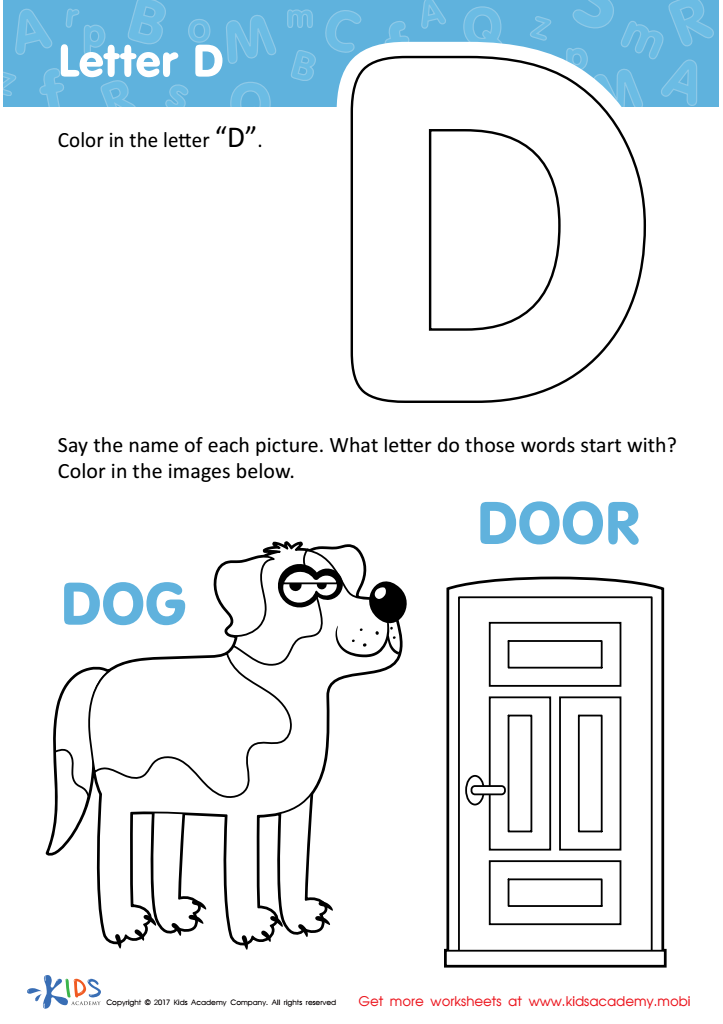
Letter D Coloring Sheet
Assign to My Students
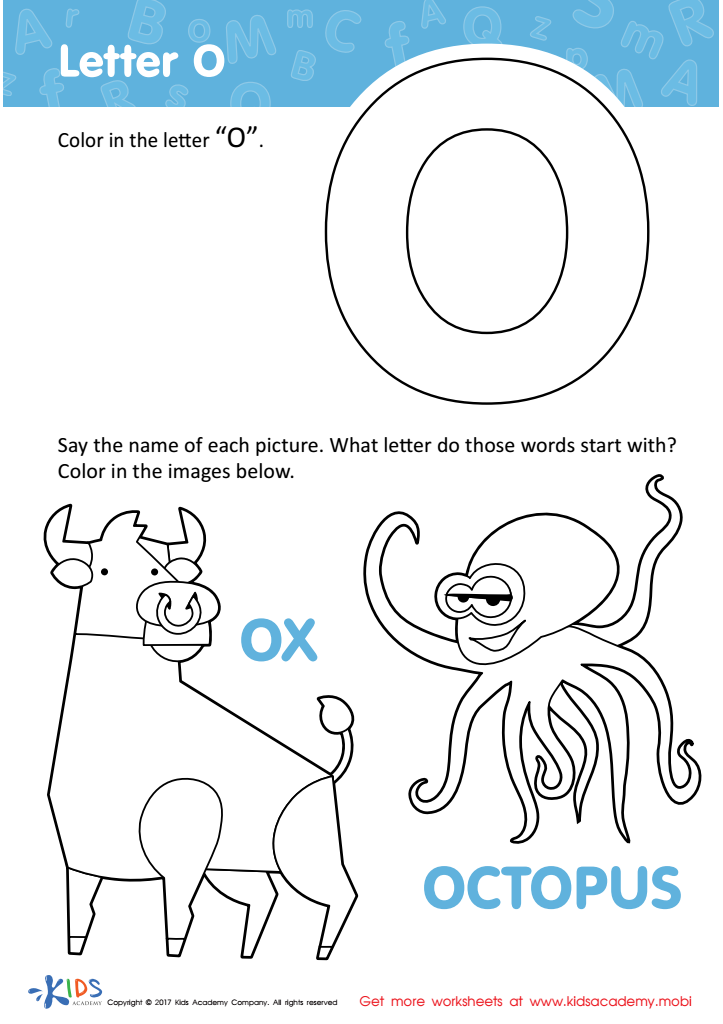
Letter O Coloring Sheet
Assign to My Students
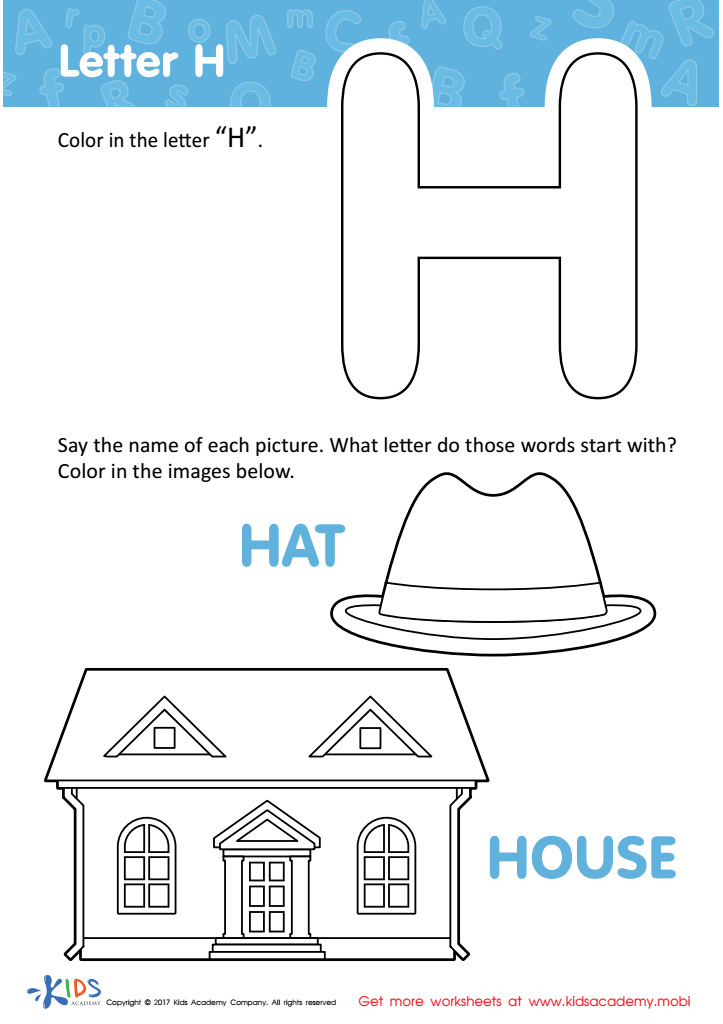
Letter H Coloring Sheet
Assign to My Students





Parents and teachers should care about letter tracing activities for 4-year-olds because these activities lay the foundational skills essential for literacy development. At this age, children are typically developing their fine motor skills and hand-eye coordination, both of which are crucial for writing. Letter tracing provides structured practice, helping children control their hand movements as they form each letter carefully.
Furthermore, letter tracing helps instill letter recognition skills. Familiarity with the shapes, sizes, and spatial orientation of letters is fundamental for future reading and writing abilities. Early exposure to this type of practice enhances cognitive connections between visual and motor experiences, reinforcing memory retention of the alphabet.
Engaging children in letter tracing also fosters patience, focus, and discipline—important traits that are beneficial beyond academics. As they succeed in these tasks, their confidence grows, creating a positive association with learning and perseverance.
Finally, incorporating letter tracing activities makes learning interactive and enjoyable. When combined with praise and support from parents and teachers, these sessions can foster a love for learning. By investing in letter tracing, parents and teachers are promoting an early foundation for academic success, setting children on a path towards effective communication and literacy skills.