Motor skills development Normal English for Beginners Worksheets for 4-Year-Olds
3 filtered results
-
From - To
Welcome to our "Motor Skills Development Worksheets" for 4-year-olds, designed specifically for beginners in English! These engaging worksheets help young learners enhance their fine and gross motor skills through fun activities like drawing, tracing, and cutting. By incorporating language learning with motor skill exercises, children will not only improve their movement abilities but also expand their vocabulary and comprehension. Our resources are perfect for parents and educators looking to support early childhood development in an enjoyable and interactive way. Download our carefully crafted worksheets and make learning an exciting adventure for your child today!
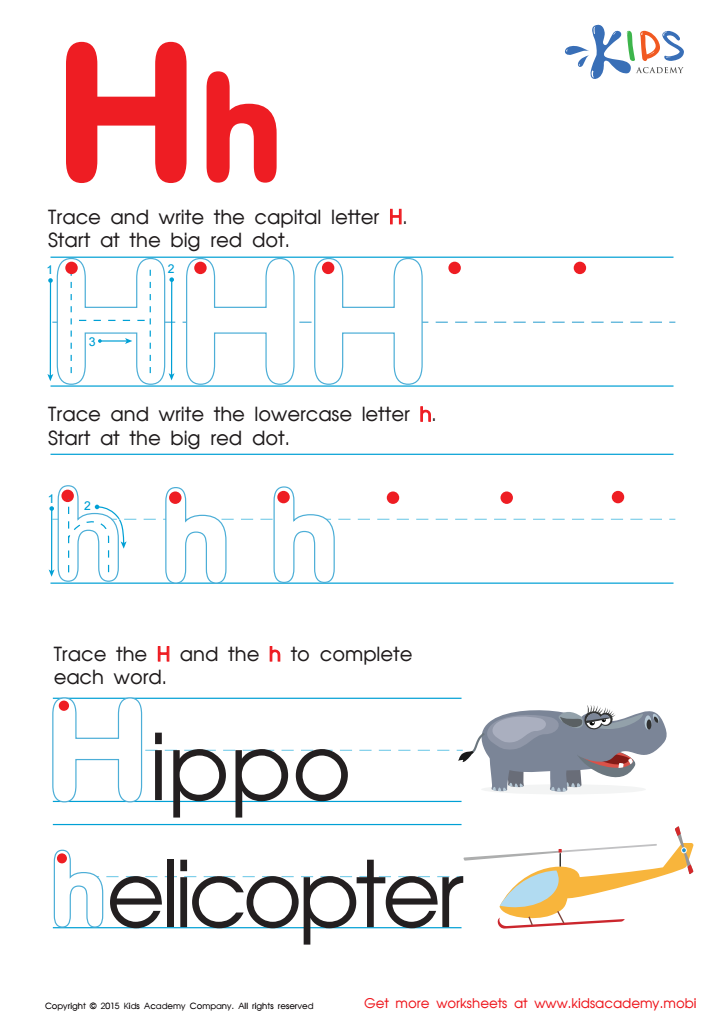
Letter H Tracing Page
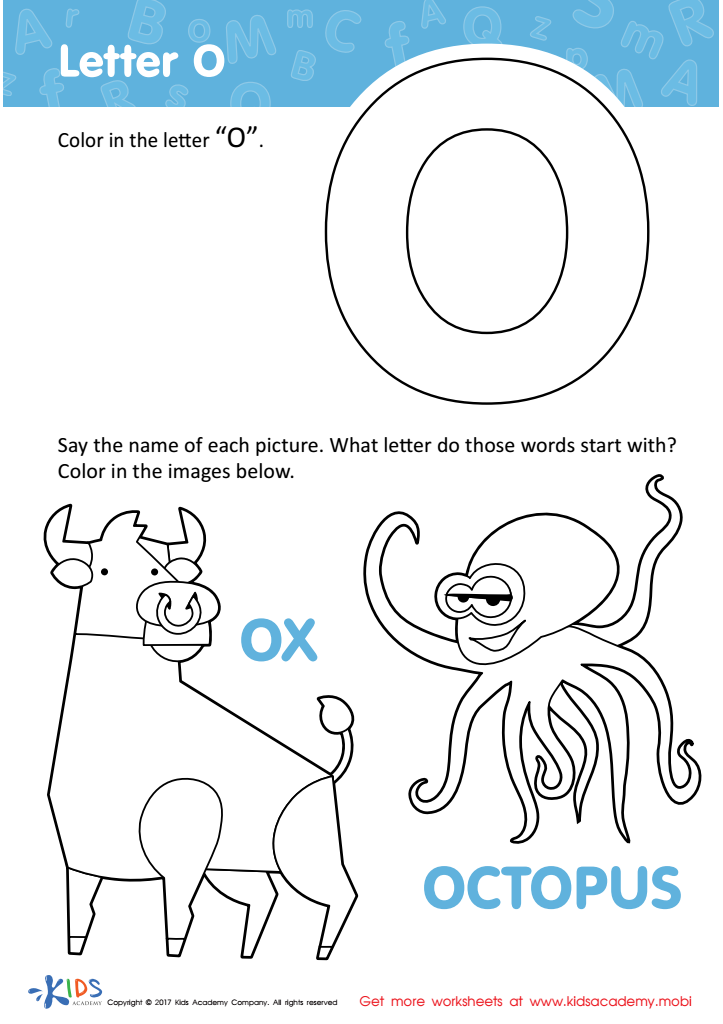
Letter O Coloring Sheet
 Assign to My Students
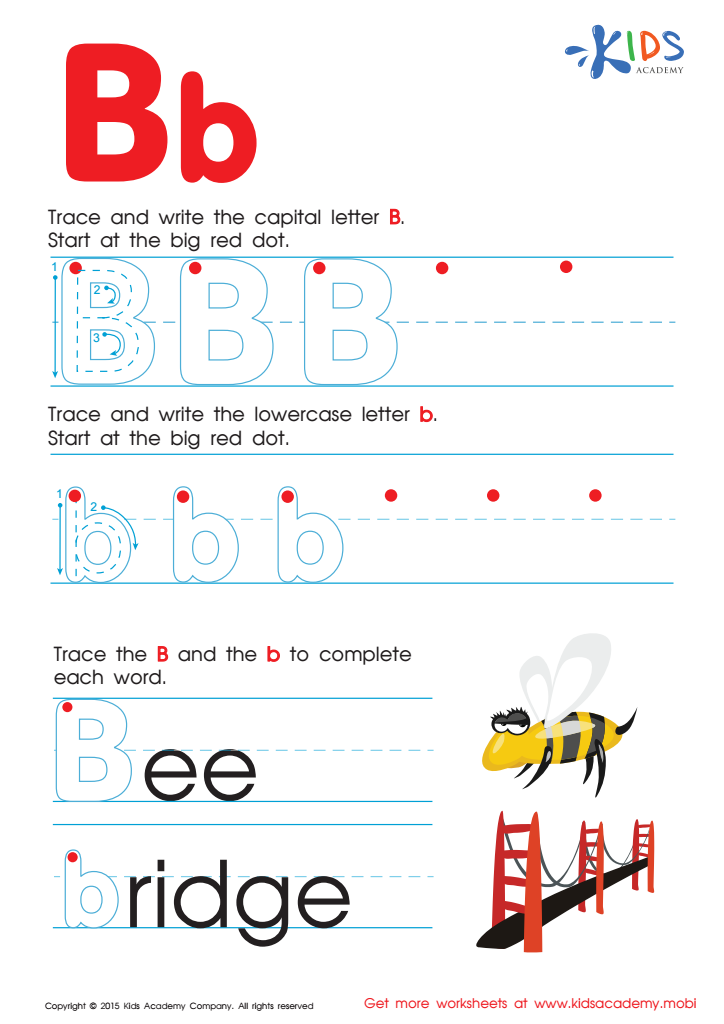
Letter B Tracing Page




Motor skills development is very important for young children, and parents or teachers should care about it for several reasons. First, motor skills help children explore and understand their world. When children learn to use their hands and body, they can play, create, and do everyday tasks. For example, tying their shoes or drawing pictures.
Second, strong motor skills support learning. Children who can control their movements often find it easier to focus and learn new things. They can sit still, hold a pencil, or cut with scissors. This helps them in school later on.
Additionally, developing motor skills can boost a child’s confidence. When they master a task like throwing a ball or climbing, they feel proud. This confidence encourages them to try new activities.
Finally, good motor skills are linked to social interactions. Playing with others often involves physical activities, such as running or sharing toys. Children who develop these skills can play better with friends, which helps them build friendships.
In short, motor skills development helps children learn, explore, feel confident, and make friends. Parents and teachers should support this important growth to help children succeed.