Counting skills Normal Science Worksheets for 4-Year-Olds
4 filtered results
-
From - To
Our "Counting Skills Normal Science Worksheets for 4-Year-Olds" are designed to make learning a joyful and engaging experience. These worksheets seamlessly blend fun with foundational skills, helping young learners develop their counting abilities while exploring scientific concepts. Featuring colorful illustrations and age-appropriate challenges, each worksheet encourages children to count objects related to nature, animals, and everyday life. This hands-on learning approach not only builds counting proficiency but also fosters a love for science at an early age. Ideal for preschoolers, these worksheets are perfect for both classroom and at-home learning. Boost your child's curiosity and numerical skills today!
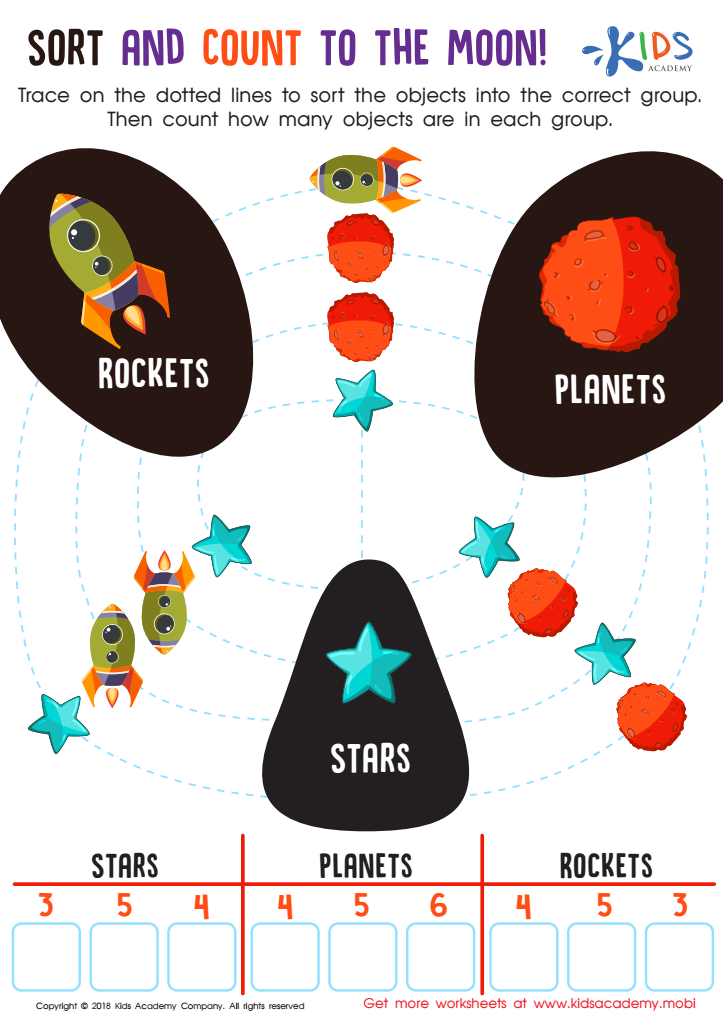
Sort and Count to the Moon Worksheet
 Assign to My Students
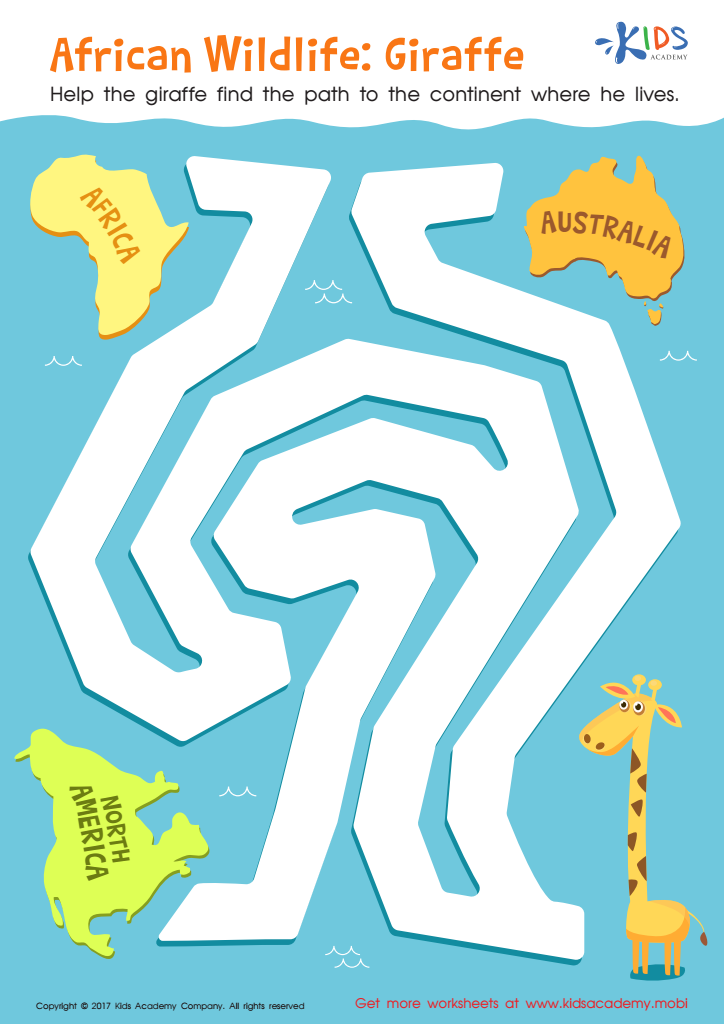
African Wildlife: Giraffe Worksheet
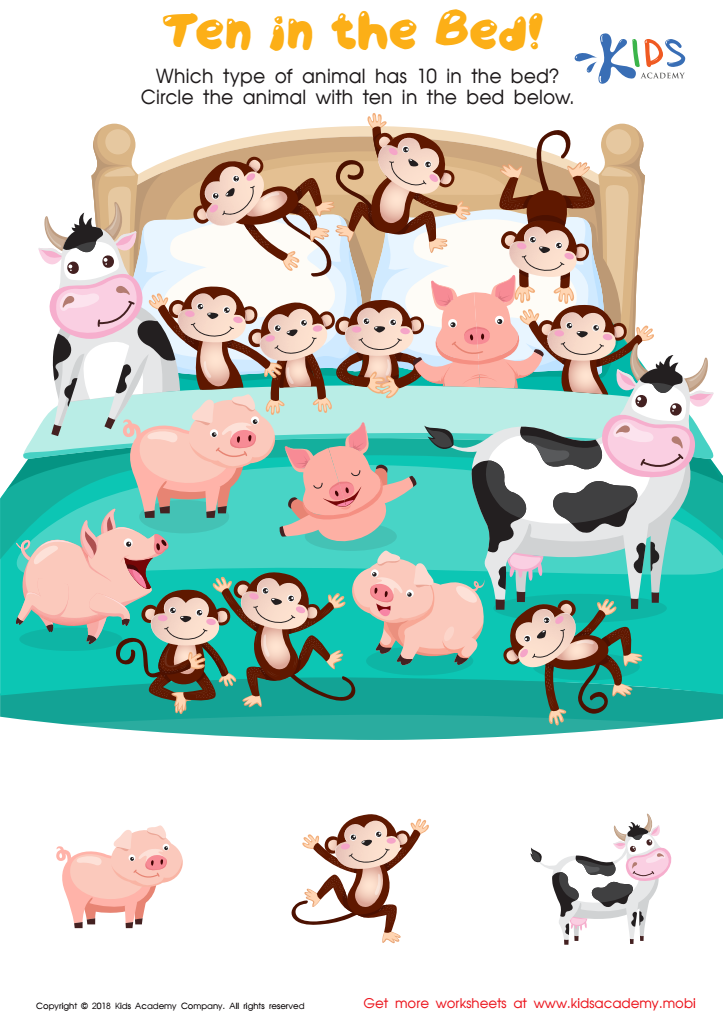
Ten in the Bed Worksheet
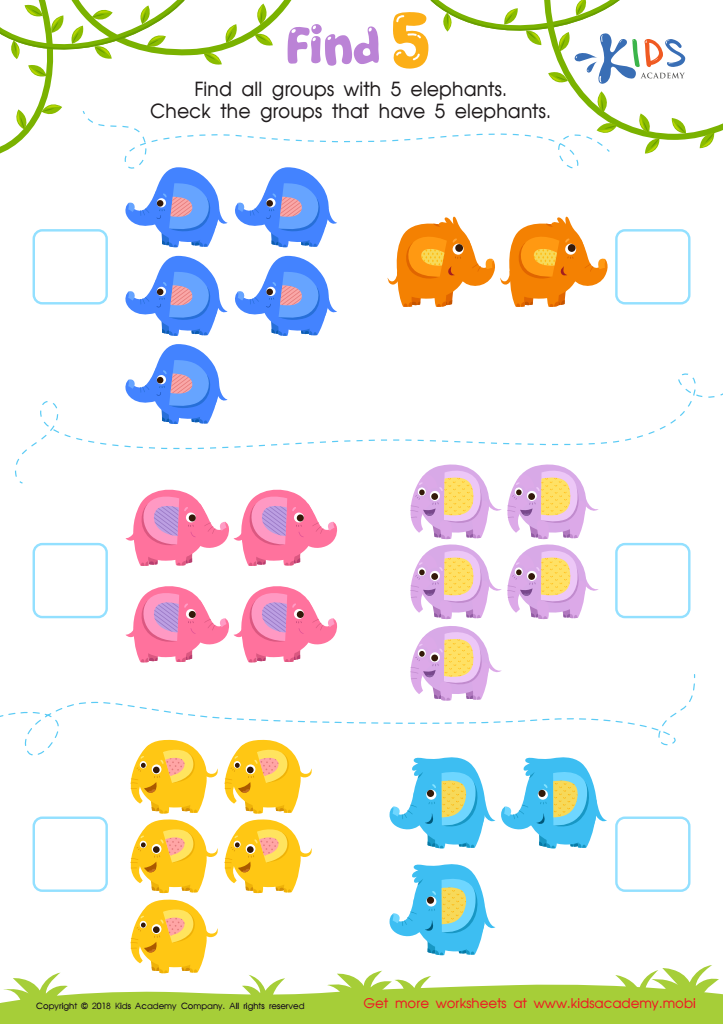
Find 5 Worksheet






Counting skills and early exposure to basic scientific concepts are crucial elements of a 4-year-old's cognitive development and can significantly impact their future academic success. At this age, children's brains are highly receptive to new information and experiences, making it an ideal time to introduce foundational skills.
Counting skills do more than just teach children numbers; they set the stage for future mathematical learning. Early abilities in counting, number recognition, and one-to-one correspondence are key predictors of later success in math. By grasping these concepts early, children are better prepared for the more complex mathematical problem-solving they will encounter in school and life.
Incorporating elements of normal science within play and daily routines helps foster an early love for learning and discovery. Science activities involving observation, experimentation, and questions about the natural world motivate curiosity and develop critical thinking skills. These activities encourage children to ask "why" and "how," which promotes deeper understanding and the ability to approach problems methodically.
Parents and teachers should care about nurturing counting skills and early science exposure as they establish a solid educational foundation. These abilities not only support academic performance but also build confidence, promote a love for learning, and equip children with essential skills for a reflective and analytical life.







