Reading comprehension Normal Letter Recognition Worksheets for Ages 5-6
6 filtered results
-
From - To
Enhance your child’s reading comprehension skills with our engaging Normal Letter Recognition Worksheets designed specifically for ages 5-6. These worksheets provide an interactive approach to letter recognition, blending fun activities with valuable learning. Kids will enjoy completing various exercises that promote phonemic awareness, vocabulary building, and cognitive skills. Each worksheet features vibrant illustrations and easy-to-follow instructions to captivate young learners. Whether at home or in the classroom, these printables make it simple to track progress and foster a love for reading. Spark your child’s imagination and academic growth today with our educational resources tailored for early childhood development!
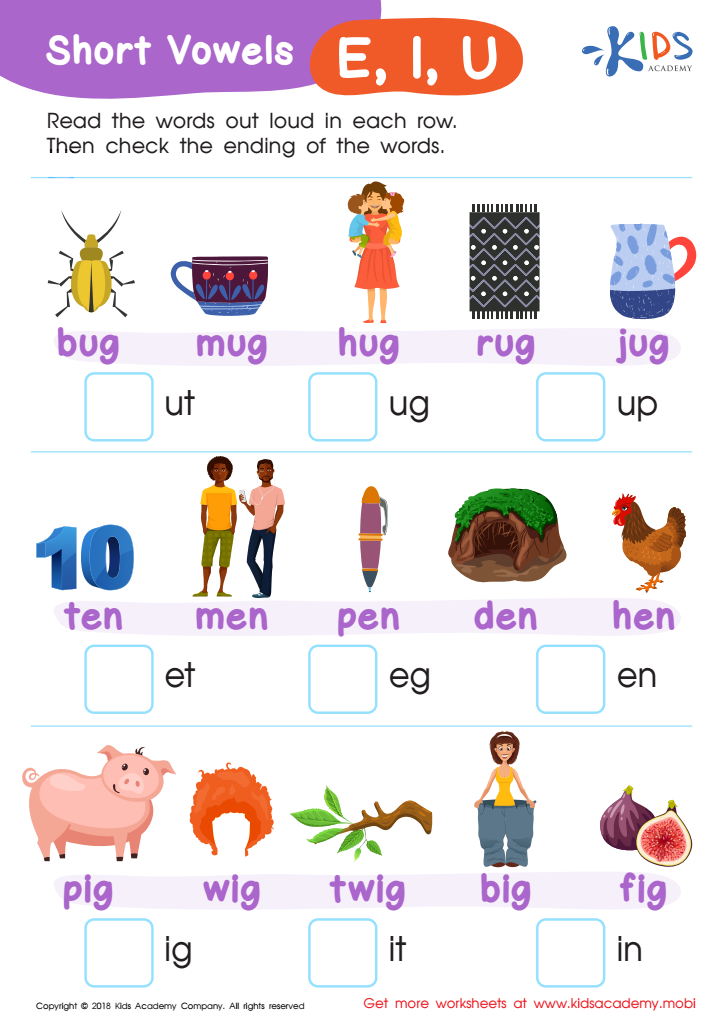
Short Vowels /e/, /i/, and /u/ Worksheet
 Assign to My Students
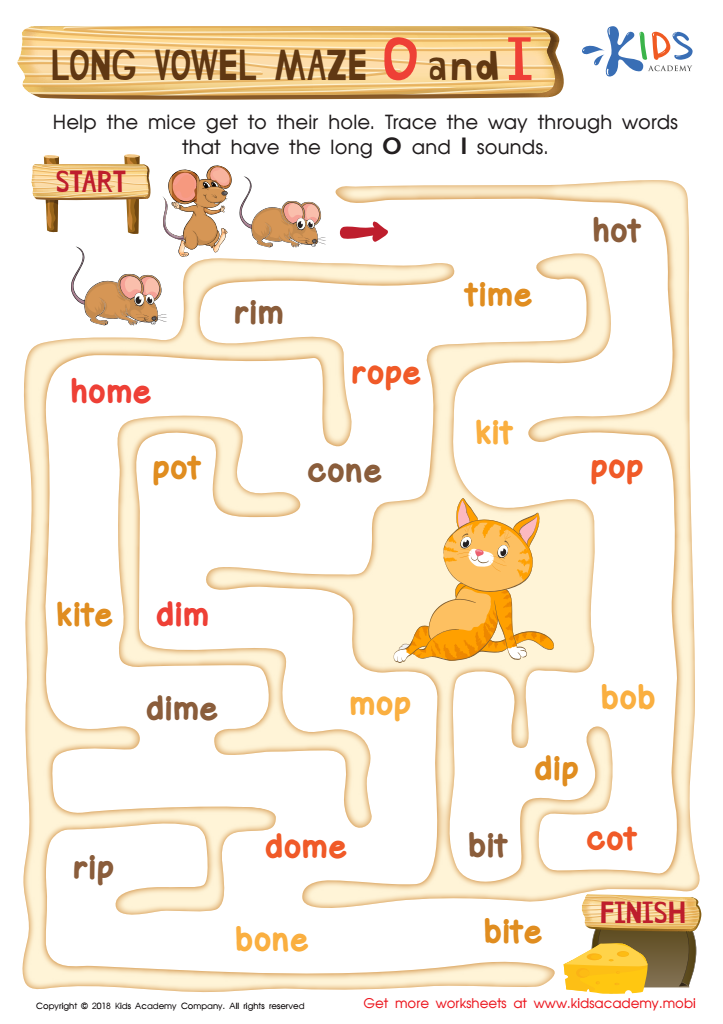
Long Vowel Maze /o/ and /i/ Worksheet
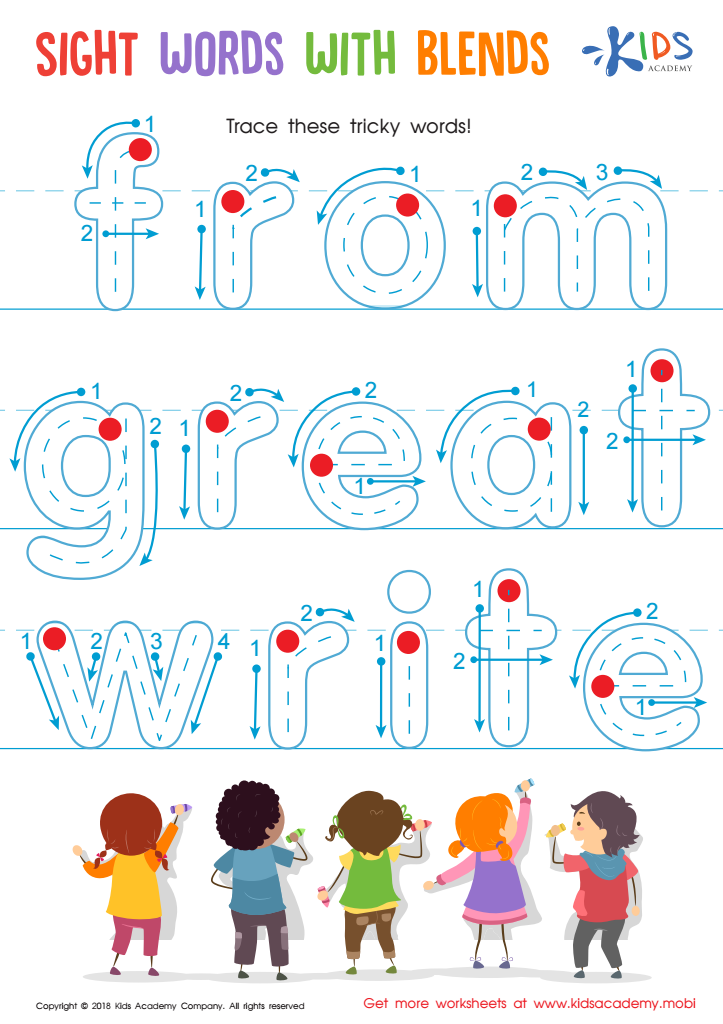
Sight Words with Blends Worksheet
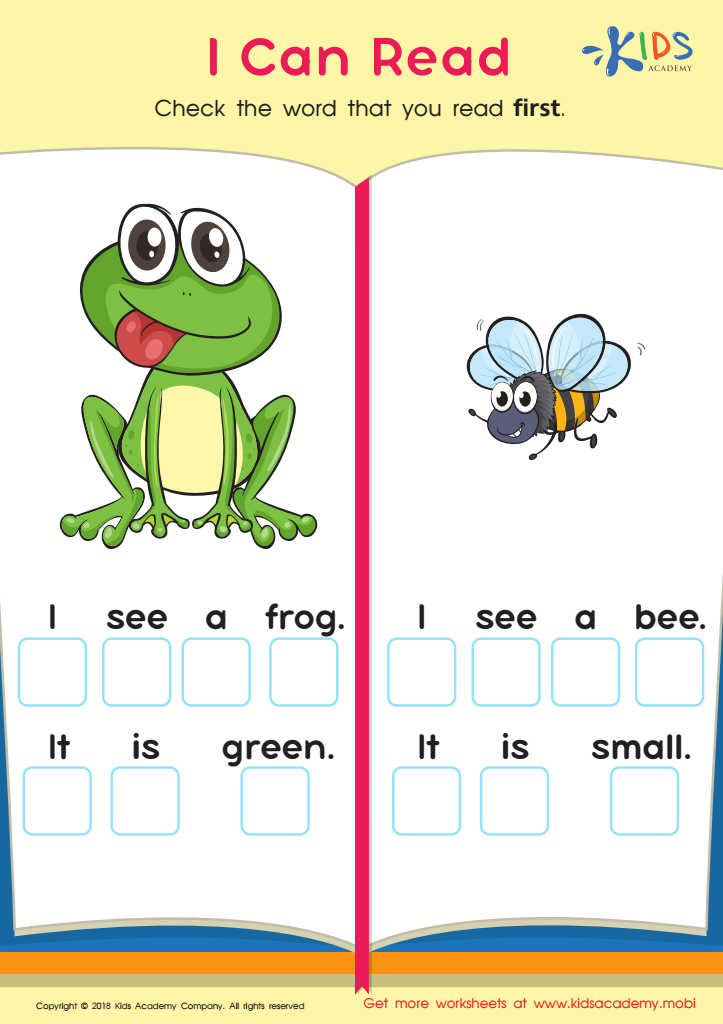
I Can Read Worksheet
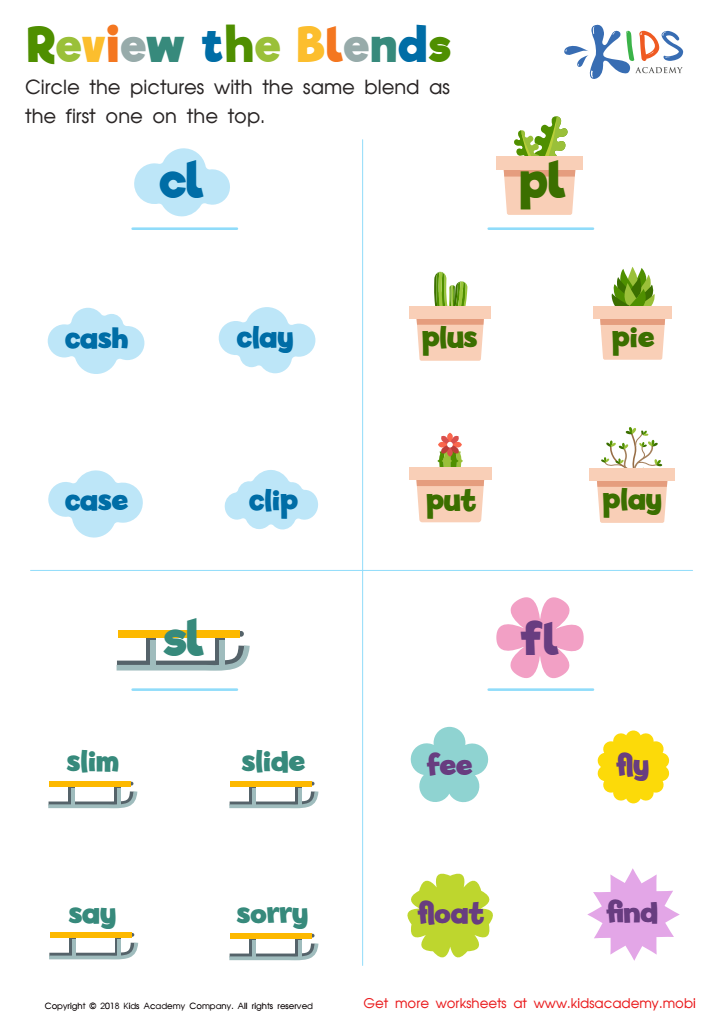
Review the Blends Worksheet
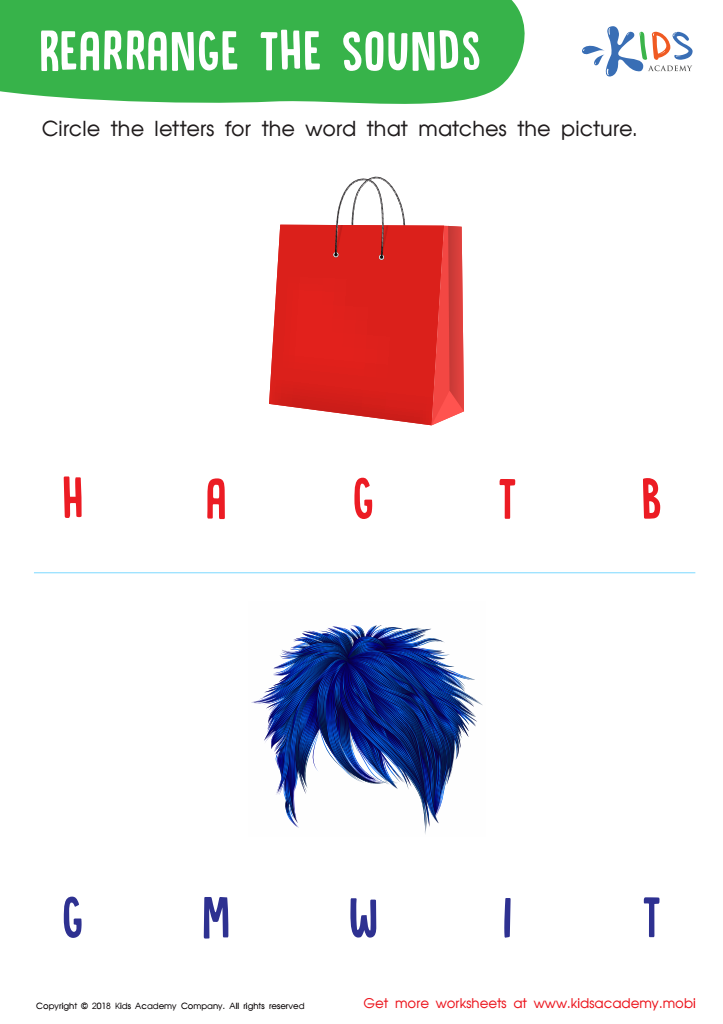
Rearrange the Sounds Worksheet








Reading comprehension and letter recognition are fundamental skills essential for young learners aged 5-6. Parents and teachers should prioritize these areas because they form the foundation for a child’s literacy development, which is crucial for overall academic success.
When children develop letter recognition skills, they can identify and differentiate between letters, enabling them to decode words. This early acquisition of phonemic awareness helps them to sound out words, leading to improved reading fluency. Additionally, strong reading comprehension skills allow children to understand and interpret text, fostering critical thinking and creativity. These cognitive abilities are vital for achieving proficiency in subjects such as writing, science, and math.
Moreover, early literacy skills are linked to a child’s self-esteem and motivation. Children who grasp these concepts feel more confident in their abilities, leading to a positive attitude toward learning. By investing time in fostering reading comprehension and letter recognition, parents and teachers are not only enhancing literacy but also cultivating lifelong learners.
Ultimately, early intervention and guidance in these areas can significantly influence a child's academic trajectory, making it imperative for adults involved in their education to prioritize them.








