Writing practice Normal Letter Recognition Worksheets for Ages 5-6
6 filtered results
-
From - To
Welcome to our "Writing Practice Normal Letter Recognition Worksheets" designed specifically for children ages 5-6. These engaging worksheets provide a fun and interactive way to help young learners develop essential letter recognition and writing skills. With a variety of activities, including tracing letters, identifying uppercase and lowercase letters, and practicing their formation, each worksheet is crafted to reinforce learning through repetition and creativity. Ideal for classroom or home use, our resources support early literacy development and build confidence in writing. Start your child’s journey to becoming a proficient reader and writer with our comprehensive and easy-to-use worksheets today!
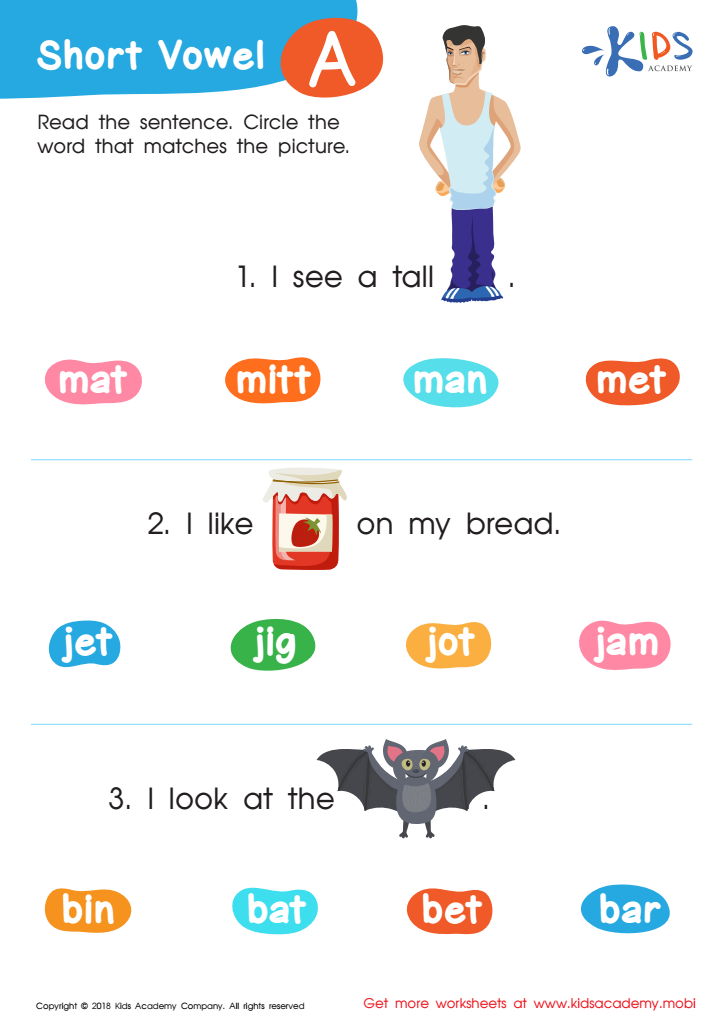
Short Vowel /a/ Worksheet
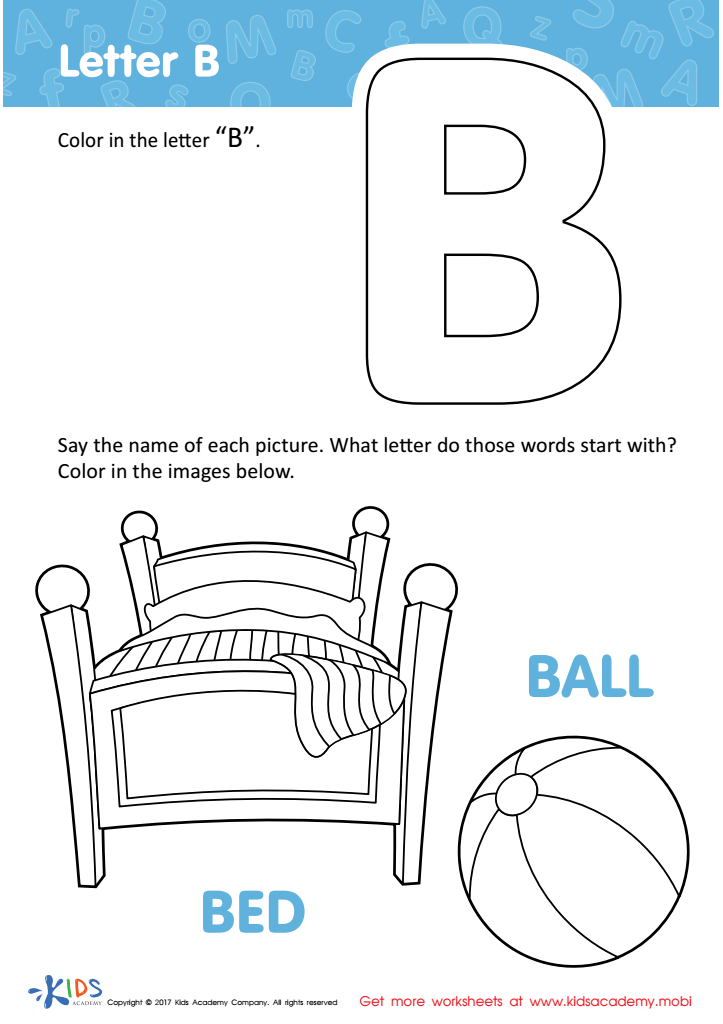
Letter B Coloring Sheet
 Assign to My Students
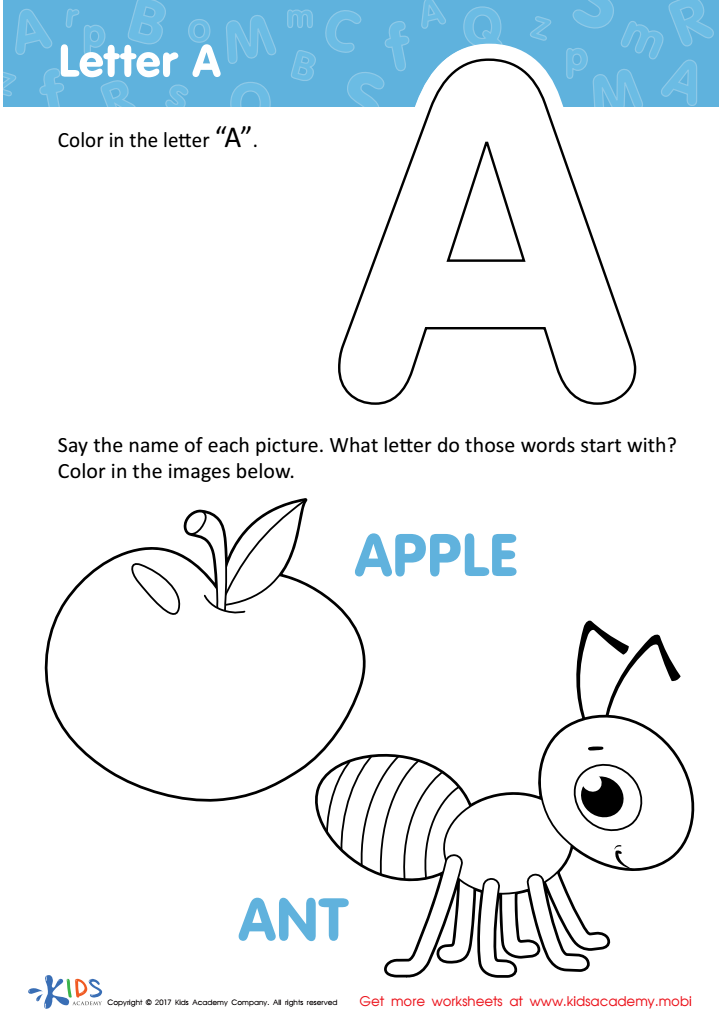
Letter A Coloring Sheet
Assign to My Students

Letter H Tracing Page
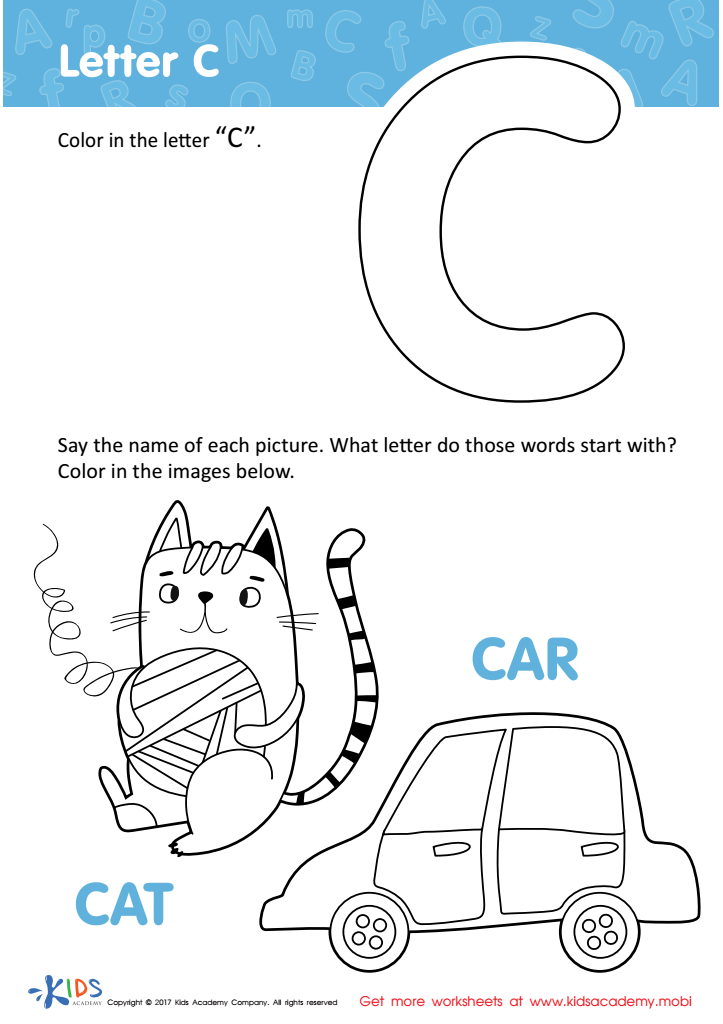
Letter C Coloring Sheet
Assign to My Students
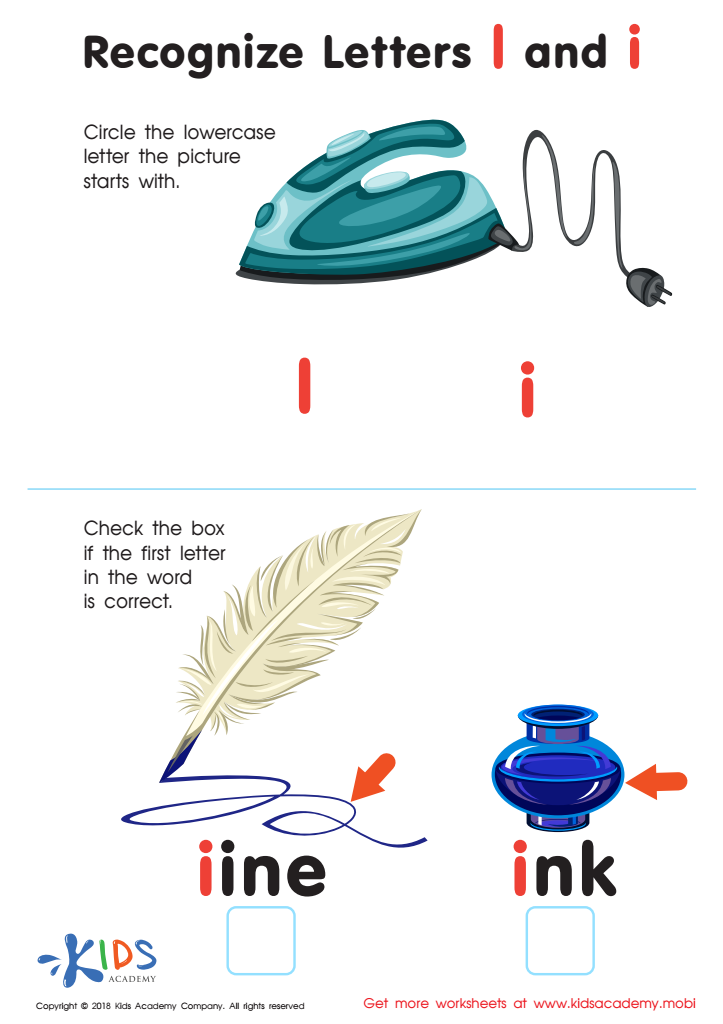
Recognize Letters l and i Worksheet








Writing practice and letter recognition are crucial skills for children aged 5-6, as they serve as the foundation for effective communication and literacy. At this developmental stage, children are just beginning to understand the connection between letters and sounds, which is essential for reading and writing. By focusing on normal letter recognition, teachers and parents can help children identify letters easily and understand their shapes, sounds, and common usage.
Effective writing practice reinforces fine motor skills, allowing young learners to gain confidence in their ability to write letters clearly and legibly. This can prevent frustration when they later tackle more complex writing tasks. Additionally, recognizing letters aids in vocabulary acquisition, as children begin to associate letters with words and meaning.
Fostering these skills encourages a love for literacy, motivating children to read more and express themselves in writing. Engaging parents in this process also promotes a positive home-learning environment, whereby reading and writing become enjoyable shared experiences. By emphasizing the importance of writing practice and letter recognition, parents and teachers enable children not only to succeed academically but also to develop essential life skills that will benefit them throughout their educational journey and beyond.








