Uppercase identification Normal Upper & Lowercase Letters Worksheets for Ages 5-6
5 filtered results
-
From - To
Discover our engaging Uppercase Identification Worksheets designed specifically for children ages 5-6. These fun and interactive printables help young learners seamlessly identify and differentiate between upper and lowercase letters. Perfect for early grade education, each worksheet enhances alphabet recognition through a variety of activities, from tracing to matching exercises. These worksheets build foundational literacy skills, improving your child’s ability to read and write confidently. Tailored to support early learning milestones, they are a valuable resource for both parents and educators looking to boost their child’s educational development in a delightful and effective manner.
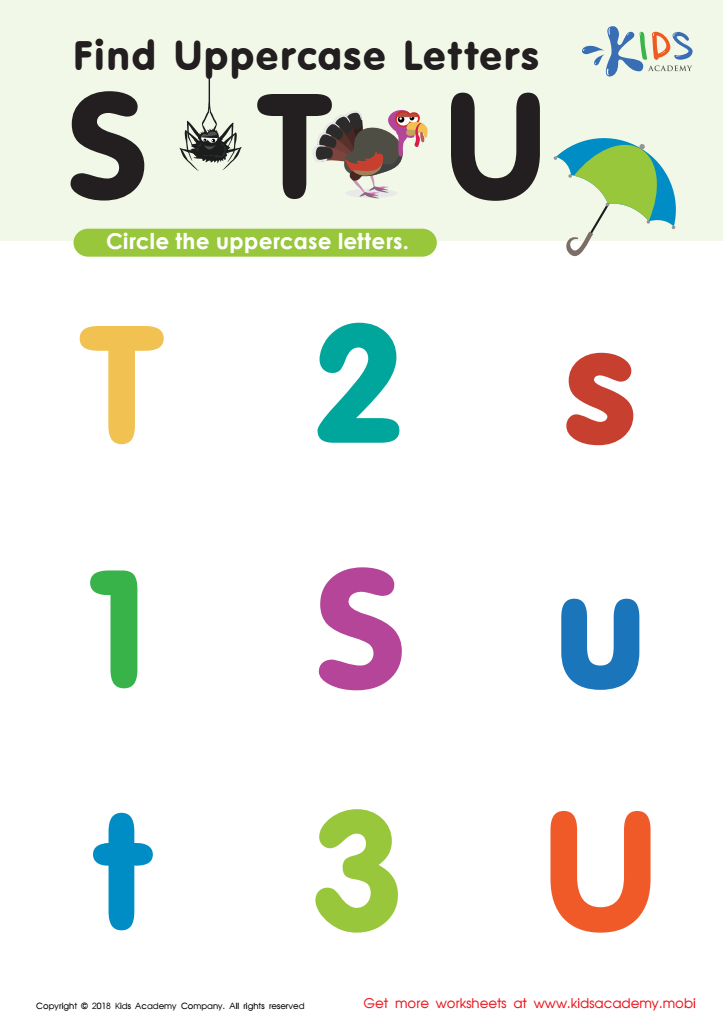
Find Uppercase Letters Worksheet
 Assign to My Students
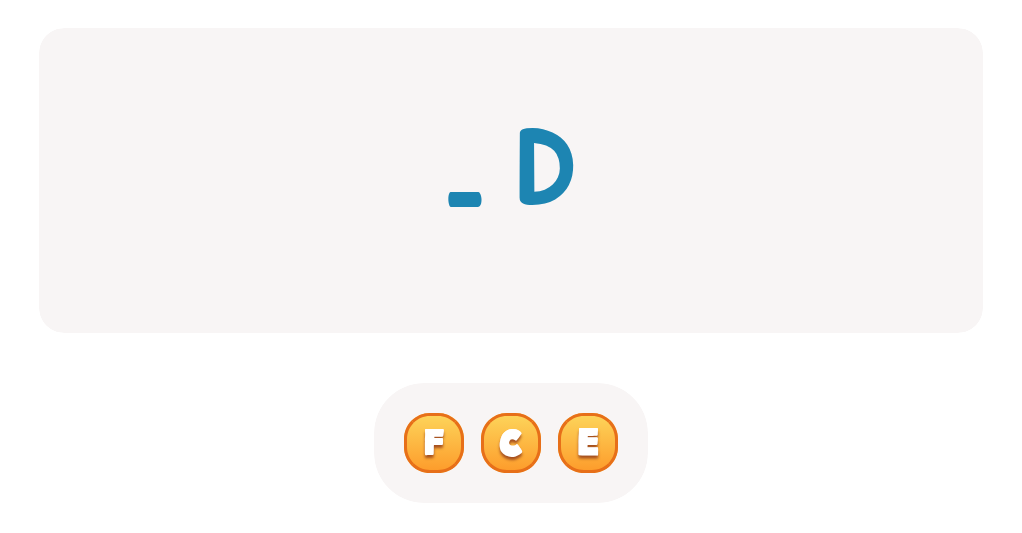

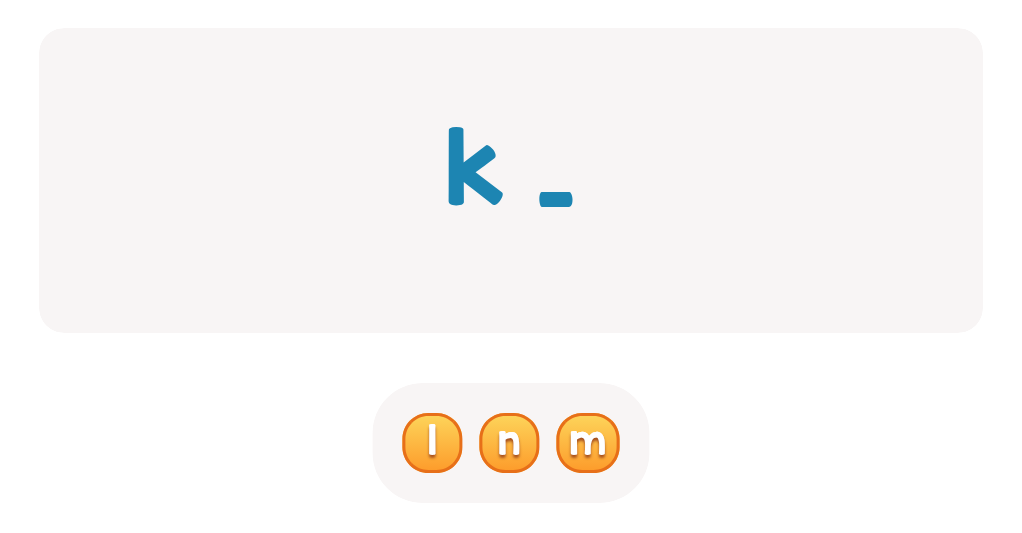
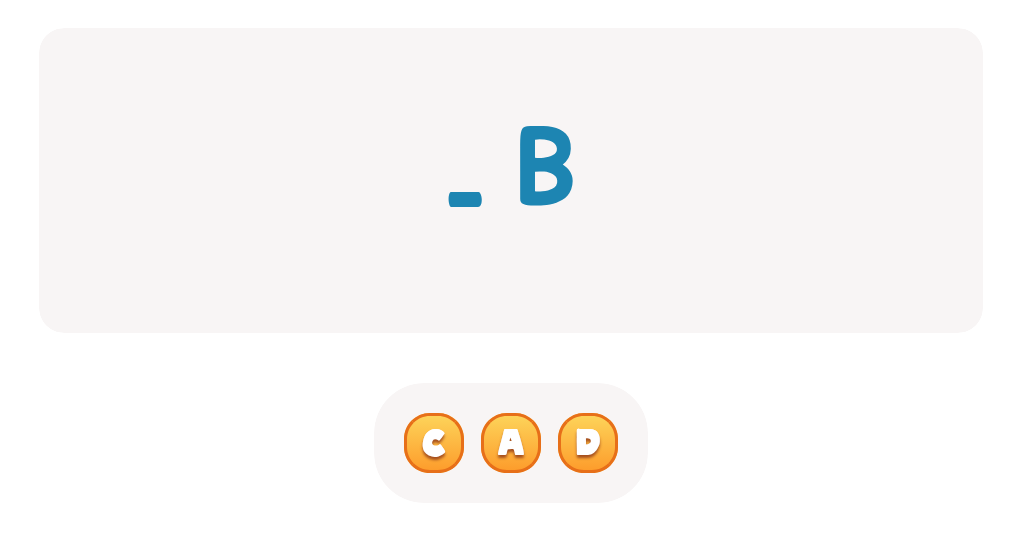
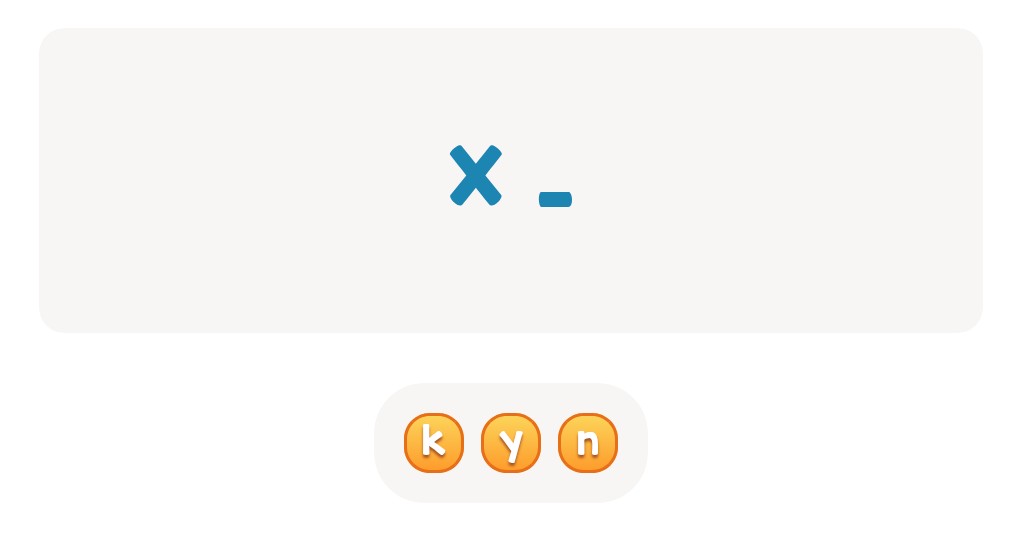
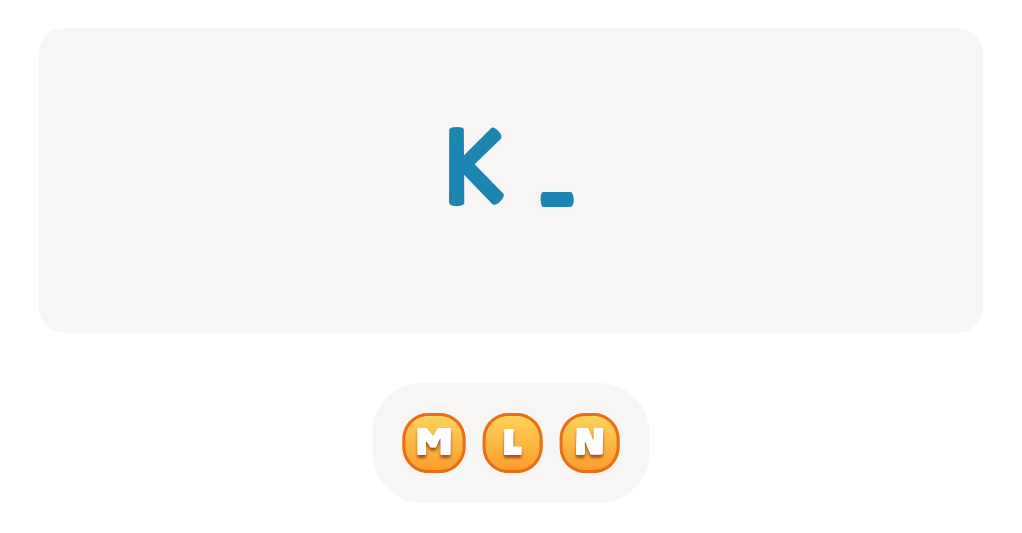
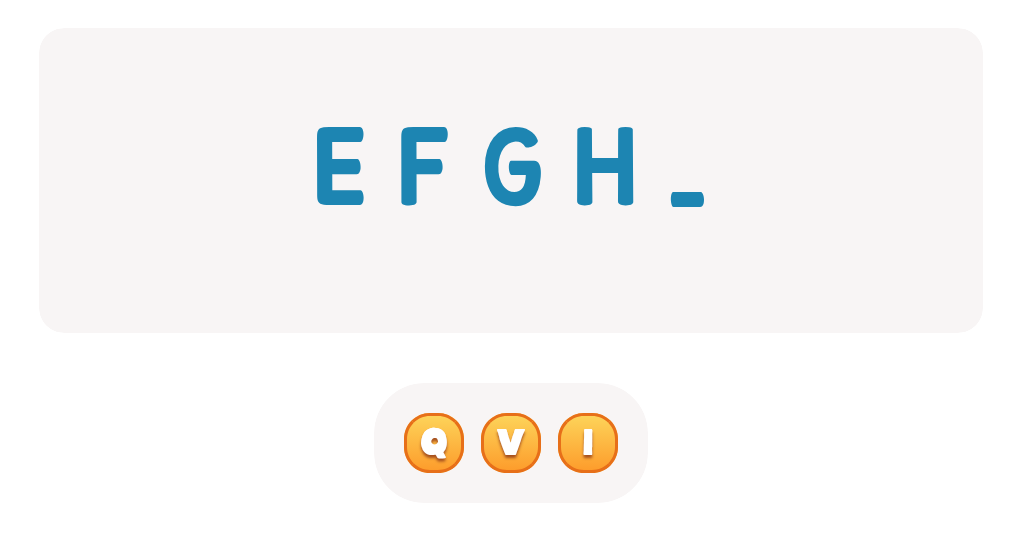
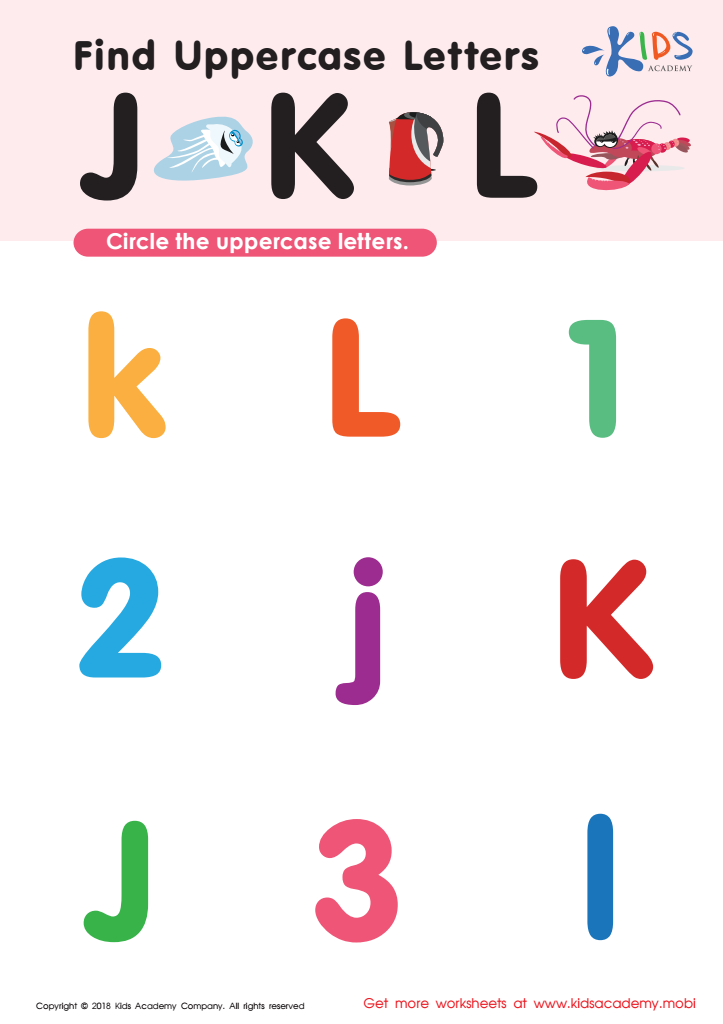
Find Uppercase Letters J, K, and L Worksheet
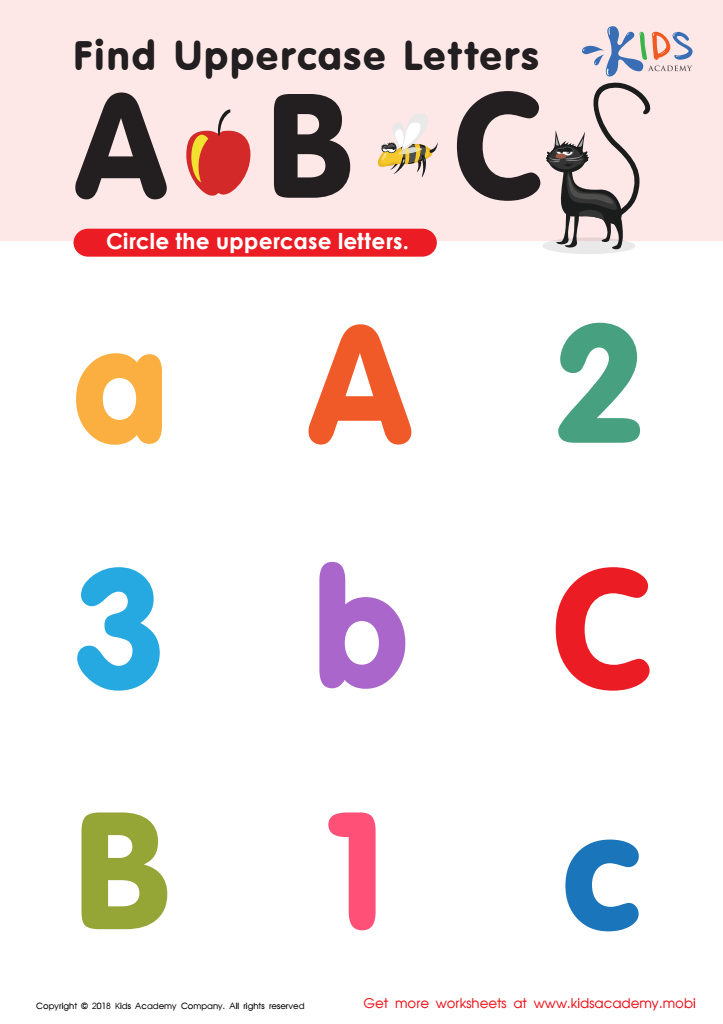
Find Uppercase Letters A, B, and C Worksheet
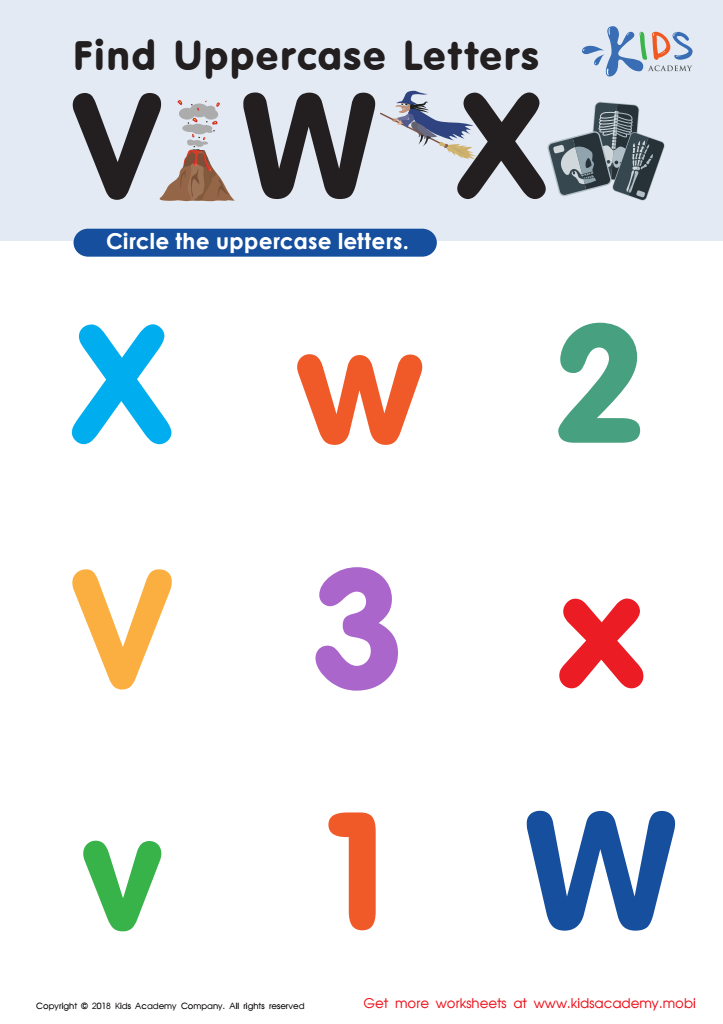
Find Uppercase Letters V, W, X Worksheet
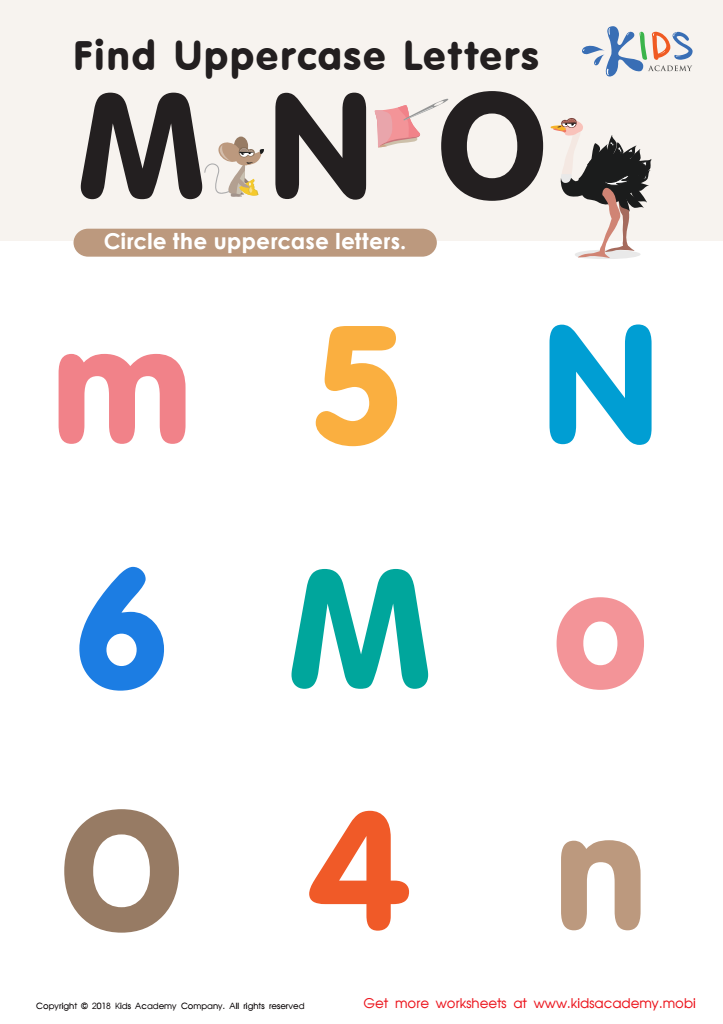
Find Uppercase Letters M, N, and O Worksheet






Parents and teachers should care about uppercase and lowercase letter identification for children aged 5-6 because it lays the foundation for literacy and academic success. At this developmental stage, children are navigating the building blocks of reading and writing, skills essential for all future learning. Recognizing and differentiating between uppercase and lowercase letters enhances a child's understanding of the alphabet, an integral component of literacy.
Simply knowing the alphabet enables children to identify and pronounce words, contributing to more fluent reading. Bypassing this step could lead to confusion and difficulty with reading comprehension. Additionally, writing skills are improved as children learn when and why to use uppercase letters, such as at the beginning of sentences or proper nouns, promoting better grammar and clearer communication.
Beyond academics, these skills contribute to a child's self-confidence. Being able to read and write effectively at an early age primes them for success in school activities, potentially fostering a positive attitude toward learning in general. Early mastery of letter identification ensures children are better equipped to tackle more complex literacy tasks with ease, setting a strong stage for their educational journey.
Therefore, focusing on this skill within the ages of 5-6 supports holistic childhood development, integrating cognitive skills with practical academic abilities that influence lifelong learning.







