Visual discrimination Normal Upper & Lowercase Letters Worksheets for Ages 5-6
4 filtered results
-
From - To
Boost your child's reading readiness with our engaging Visual Discrimination Normal Upper & Lowercase Letters Worksheets, designed specifically for ages 5-6. These worksheets help young learners distinguish between similar letters effectively, enhancing their visual perception skills essential for reading and writing. Each activity features colorful and interactive challenges that keep kids motivated while learning to recognize uppercase and lowercase letters. Perfect for both classroom and home use, our materials provide a fun and educational way to develop foundational literacy skills. Help your child become confident in their letter recognition today with our easy-to-use printable resources! Visit our website for more details.
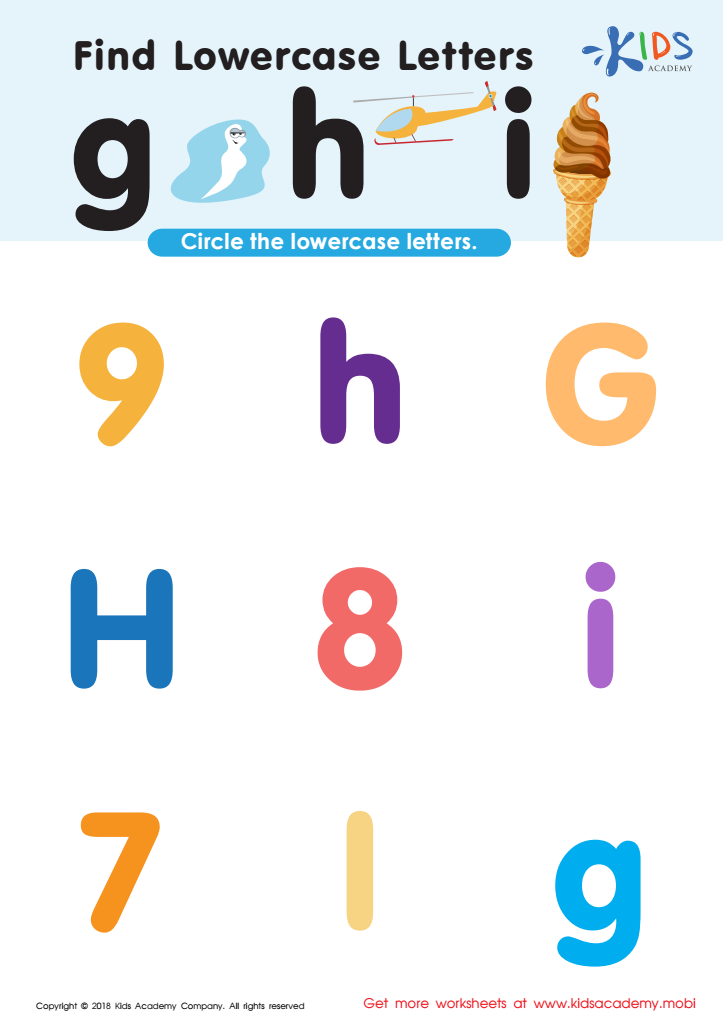
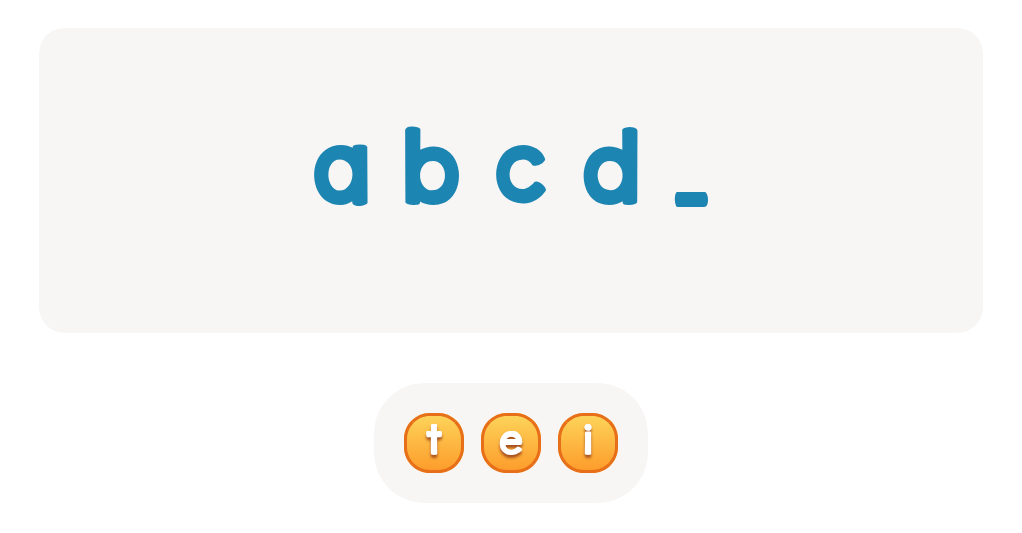
Find Lowercase Letters g h i Worksheet
 Assign to My Students
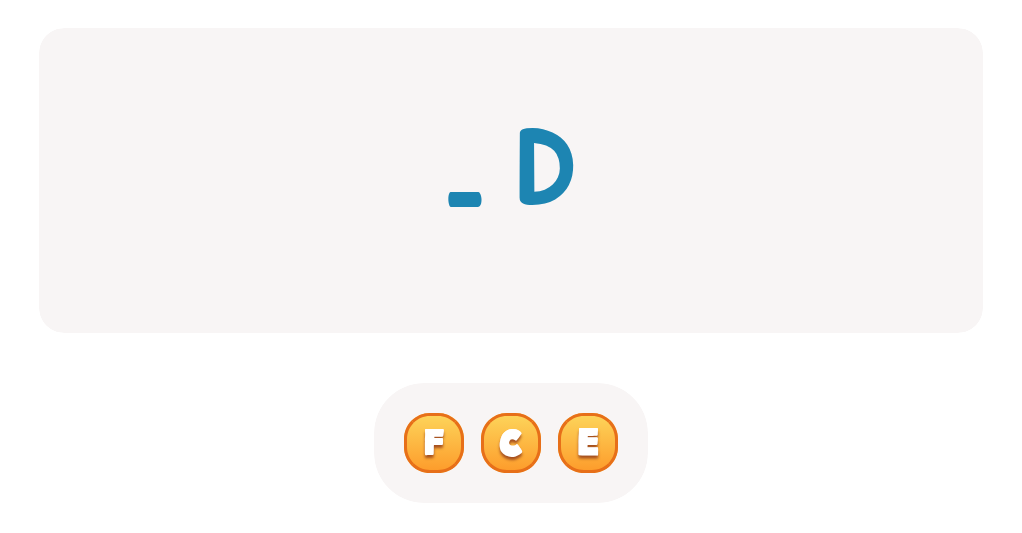

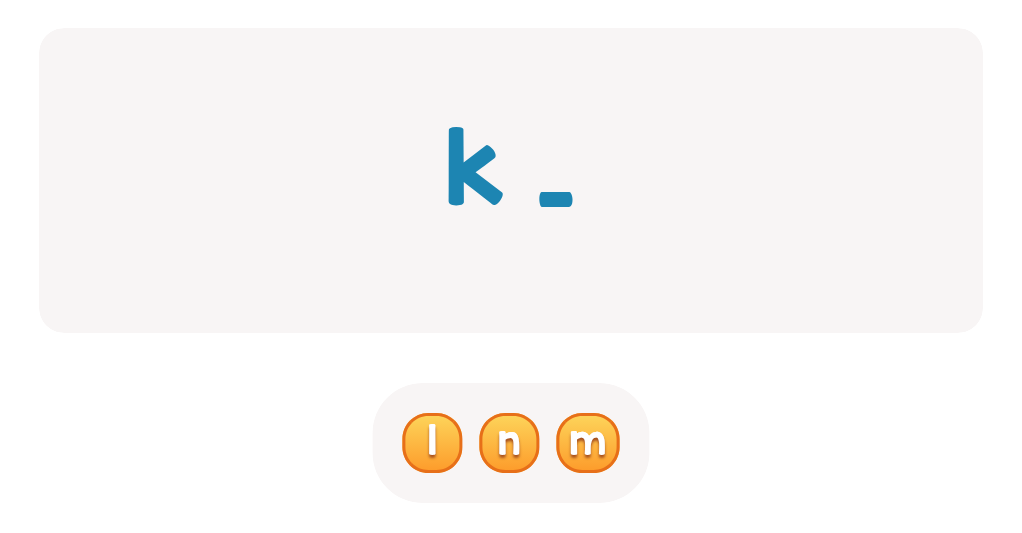
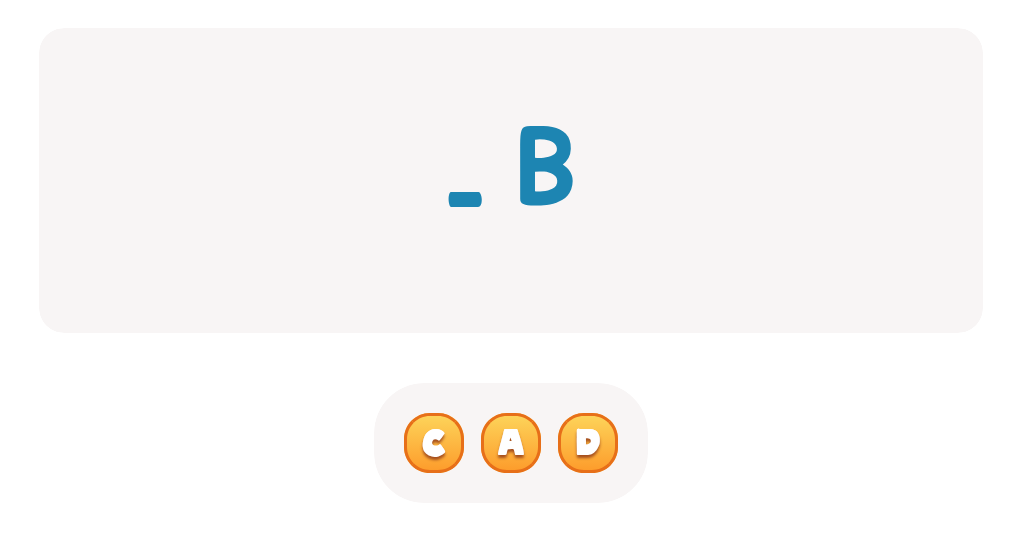
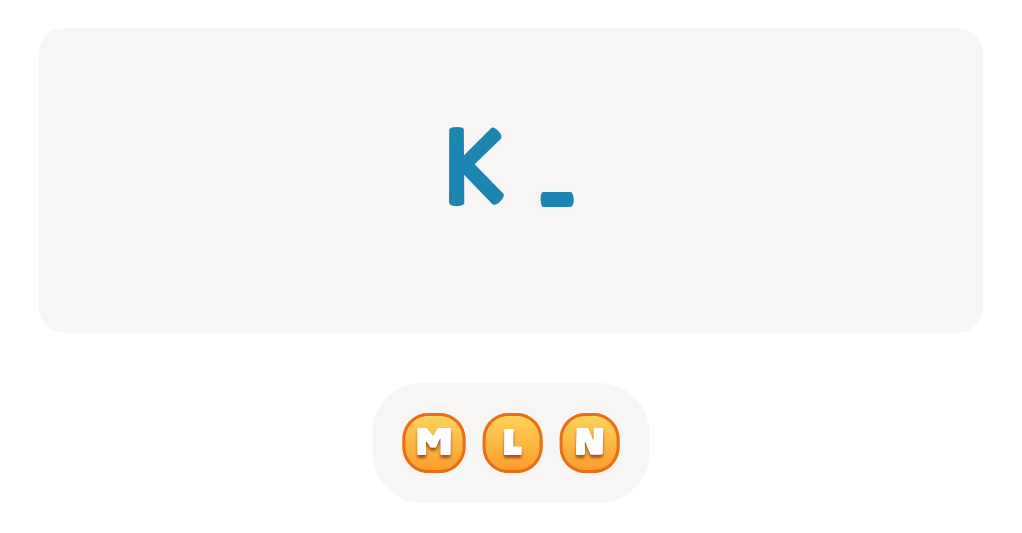

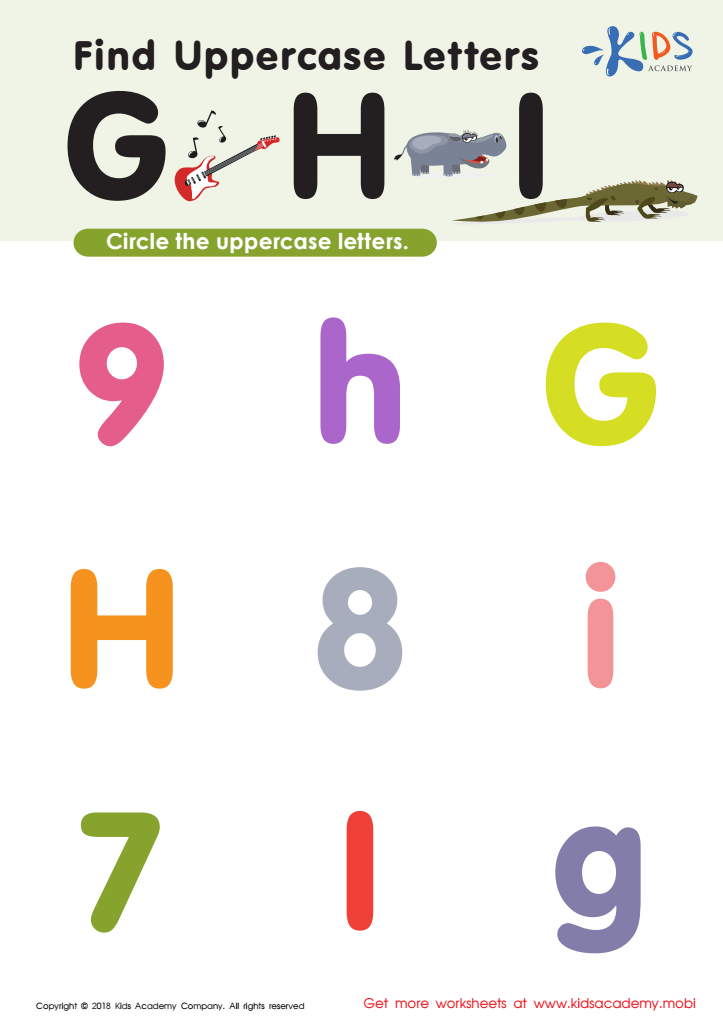
Find Uppercase Letters G, H, and I Worksheet
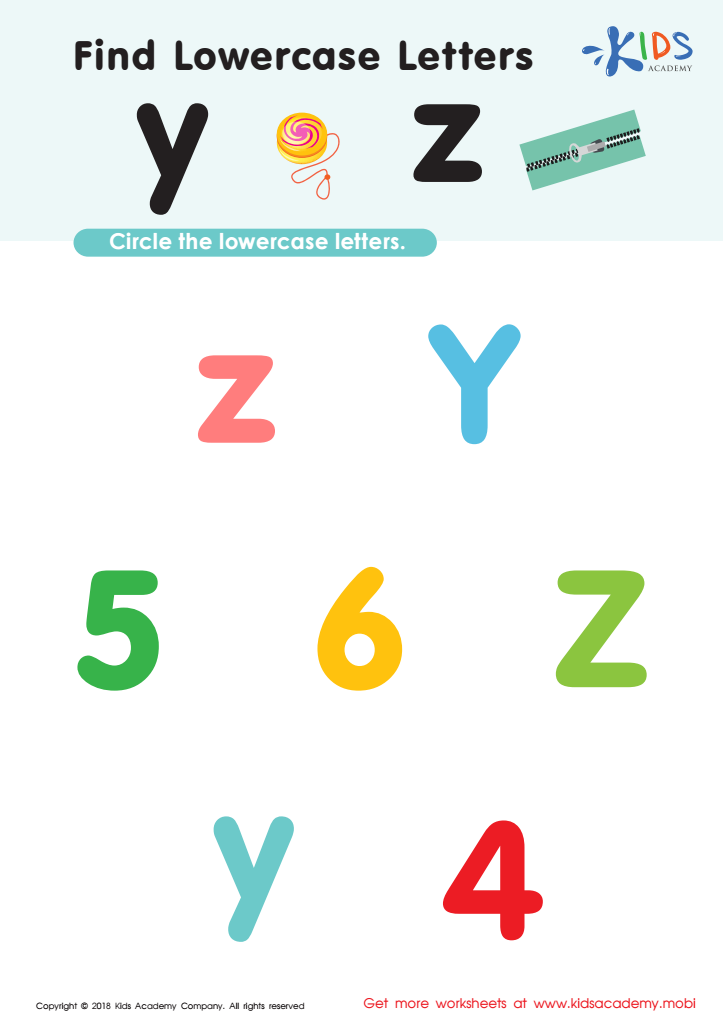
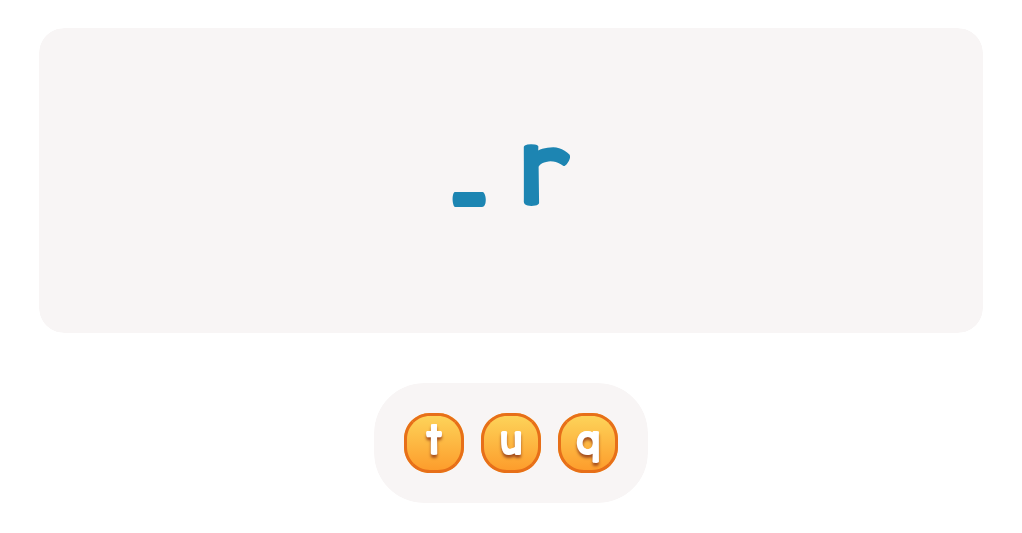
Find Lowercase Letters y z Worksheet
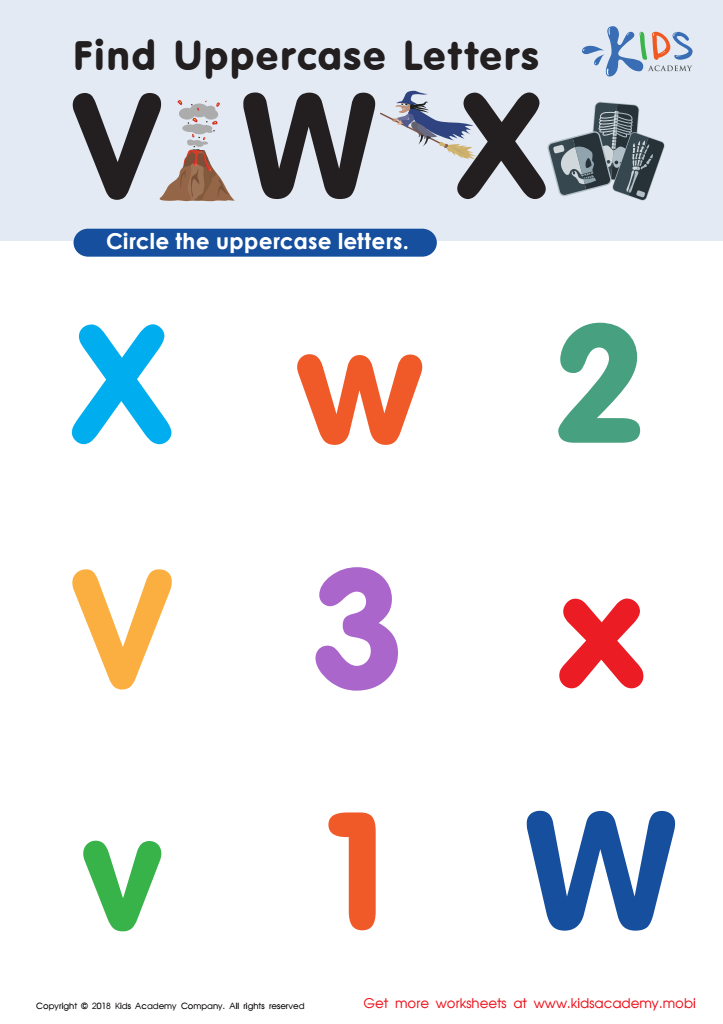
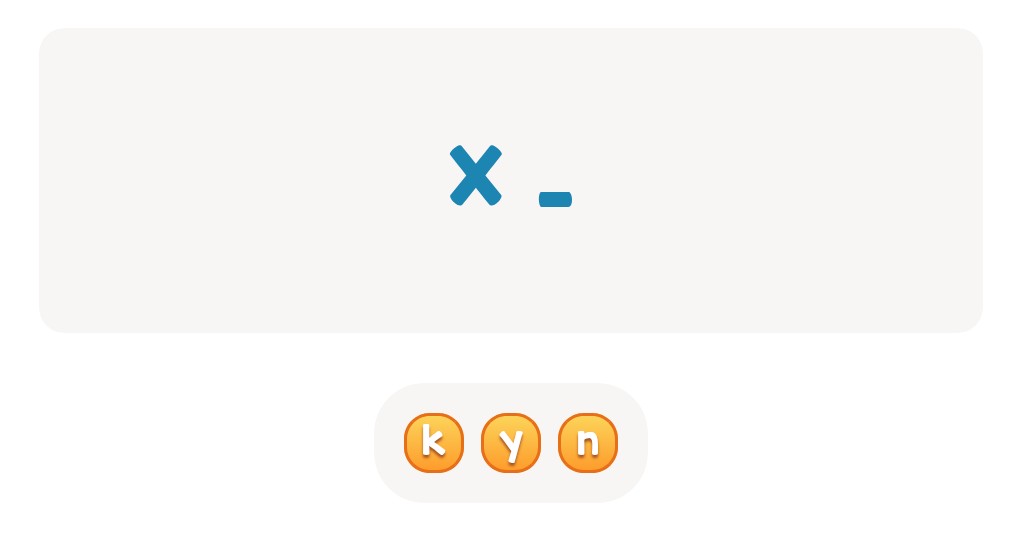
Find Uppercase Letters V, W, X Worksheet






Visual discrimination is a critical skill for children aged 5-6, particularly in recognizing uppercase and lowercase letters. This foundational ability allows young learners to differentiate between similar-looking letters, which is essential for reading and writing.
For parents and teachers, nurturing visual discrimination in this age group aids in preventing future literacy challenges. Children who struggle to distinguish between letters, such as ‘b’ and ‘d’ or ‘p’ and ‘q,’ might face difficulties in spelling, reading fluency, and overall comprehension as they progress in their education. Without these skills, their confidence and interest in learning can diminish.
Moreover, strong visual discrimination fuels cognitive development, as it encourages kids to be observant and attentive to details. It also plays a vital role in developing other related skills, such as critical thinking and problem-solving. Engaging activities that build visual discrimination—like sorting letters, identifying differences in letter shapes, or playing games that involve letter recognition—can be effectively integrated into daily learning routines.
Ultimately, investing in this essential skill early on lays the groundwork for a successful academic journey, teaching children to become enthusiastic, confident readers and writers, which benefits their overall lifelong learning.







