Number Recognition Normal Place Value Worksheets for Ages 5-6
5 filtered results
-
From - To
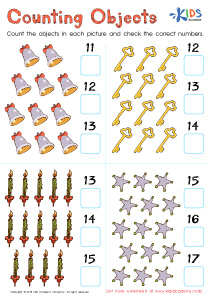
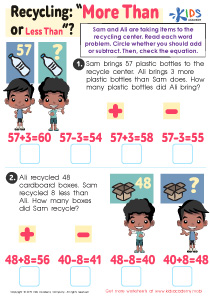
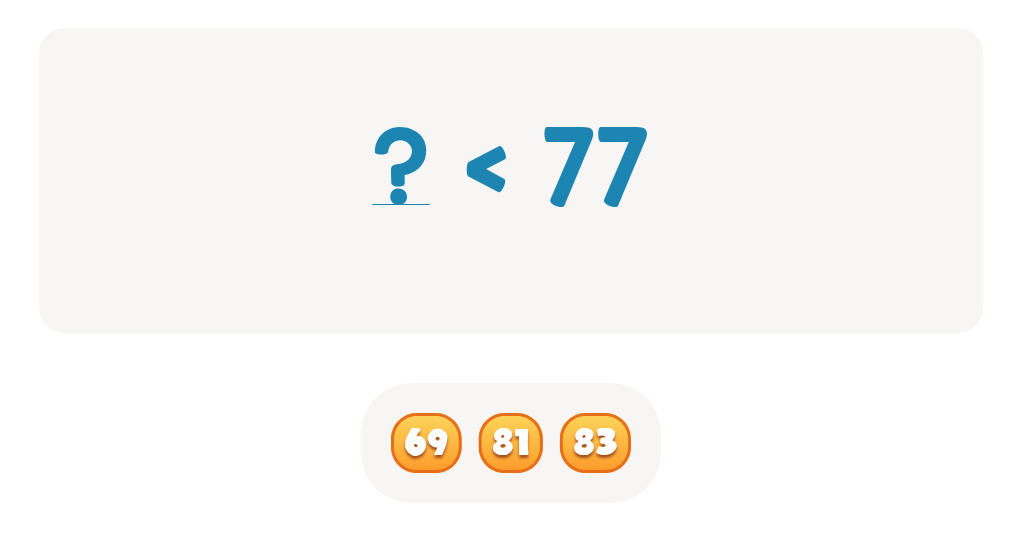
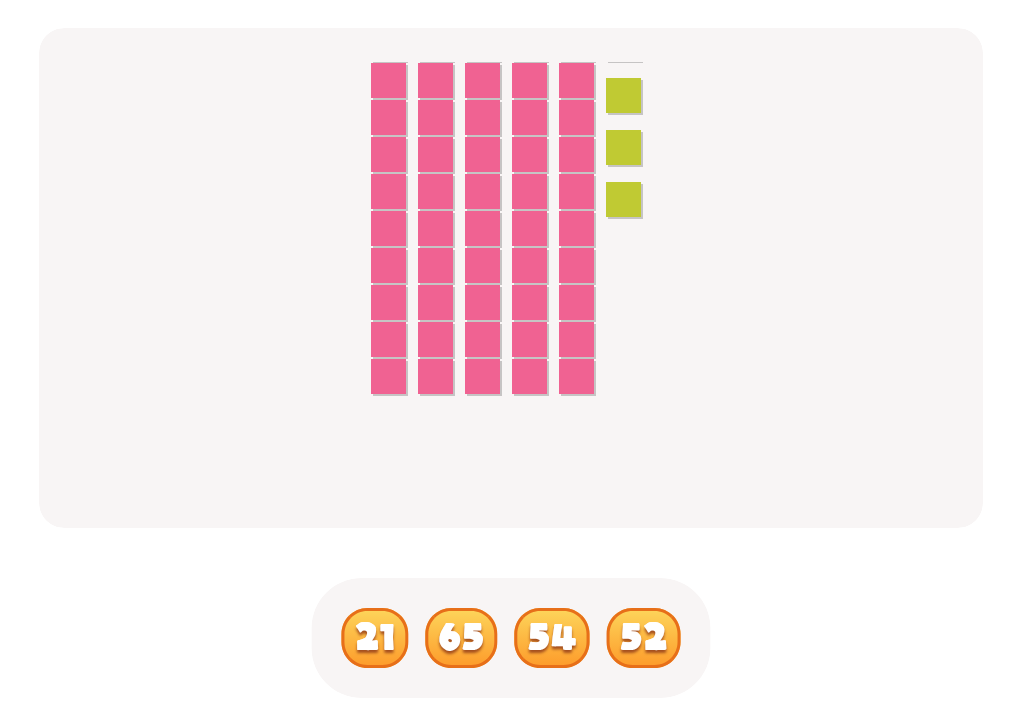
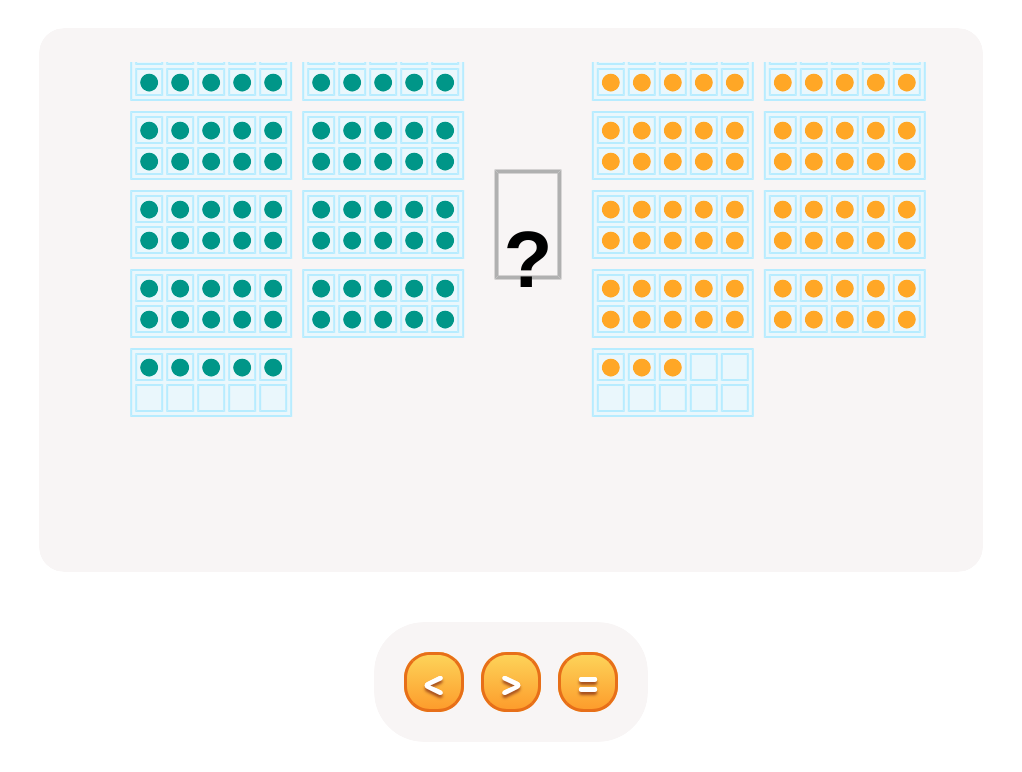
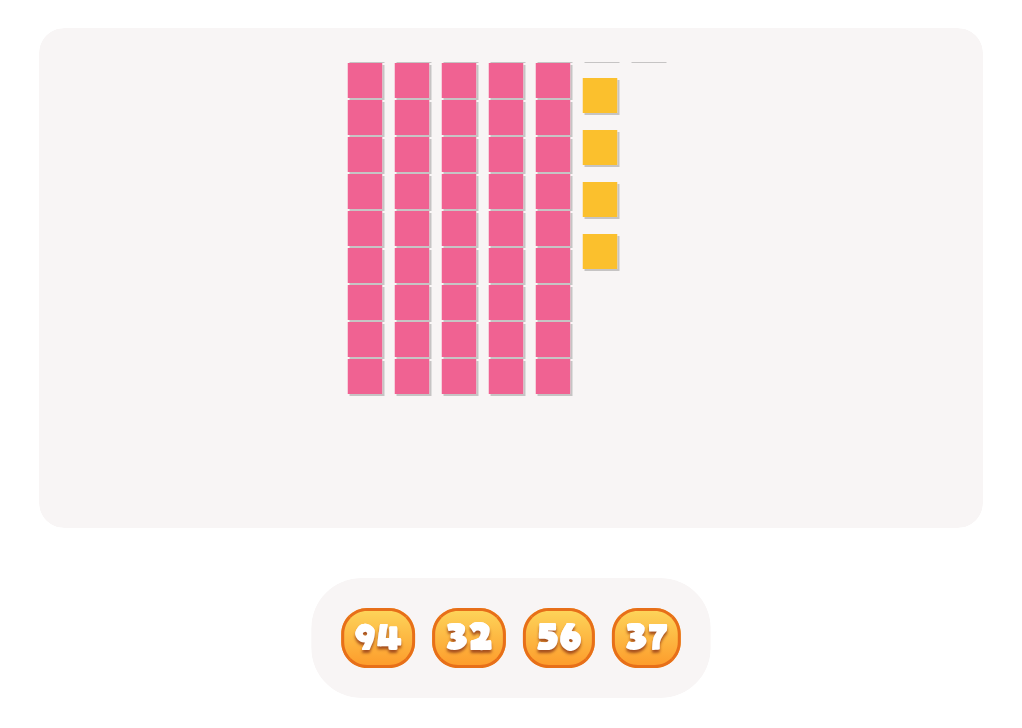
Discover our engaging Number Recognition Normal Place Value Worksheets designed specifically for children aged 5-6. These expertly crafted worksheets provide a fun and interactive way for young learners to understand and recognize numbers while mastering the concept of place value. Each activity encourages hands-on practice, reinforcing essential math skills with colorful visuals and relatable themes. From identifying digits to exploring tens and ones, these worksheets build a strong foundation for future math success. Perfect for home or classroom use, our resources support early learners in developing confidence and enthusiasm for numbers. Start your child’s math journey today!
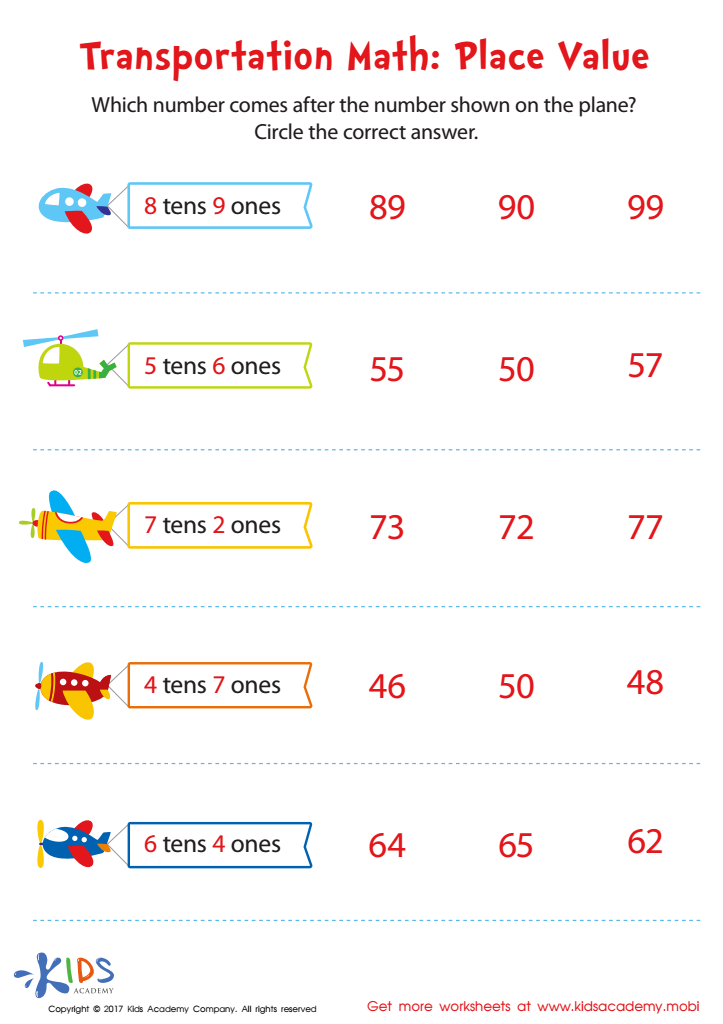
Transportation Math Printable
 Assign to My Students
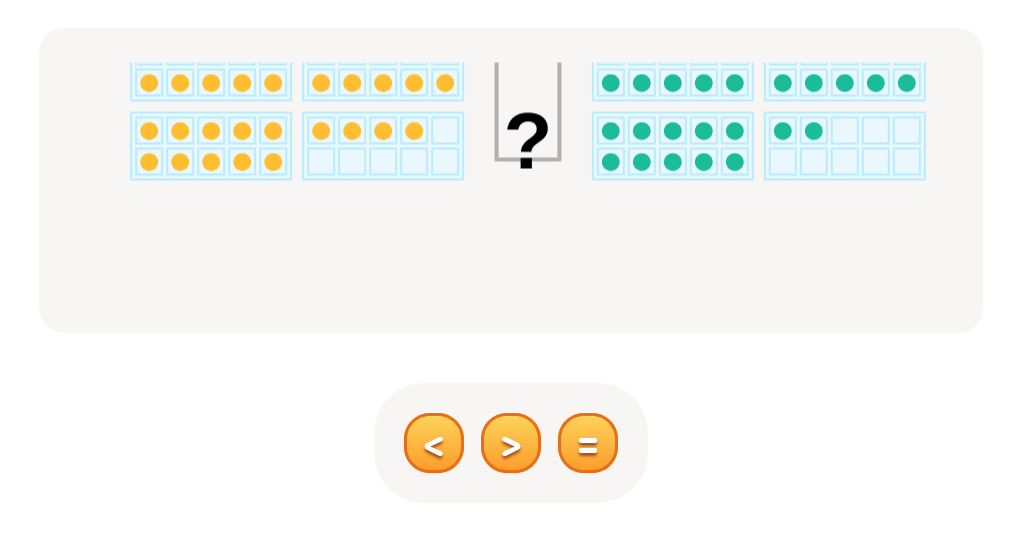

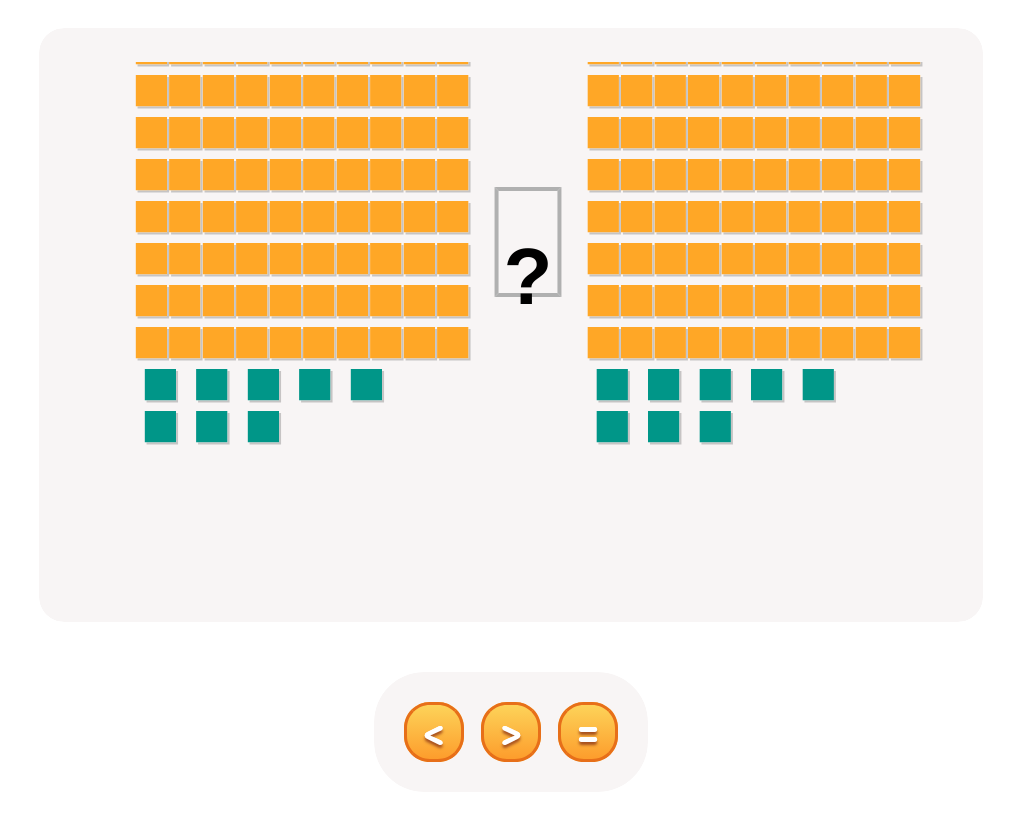
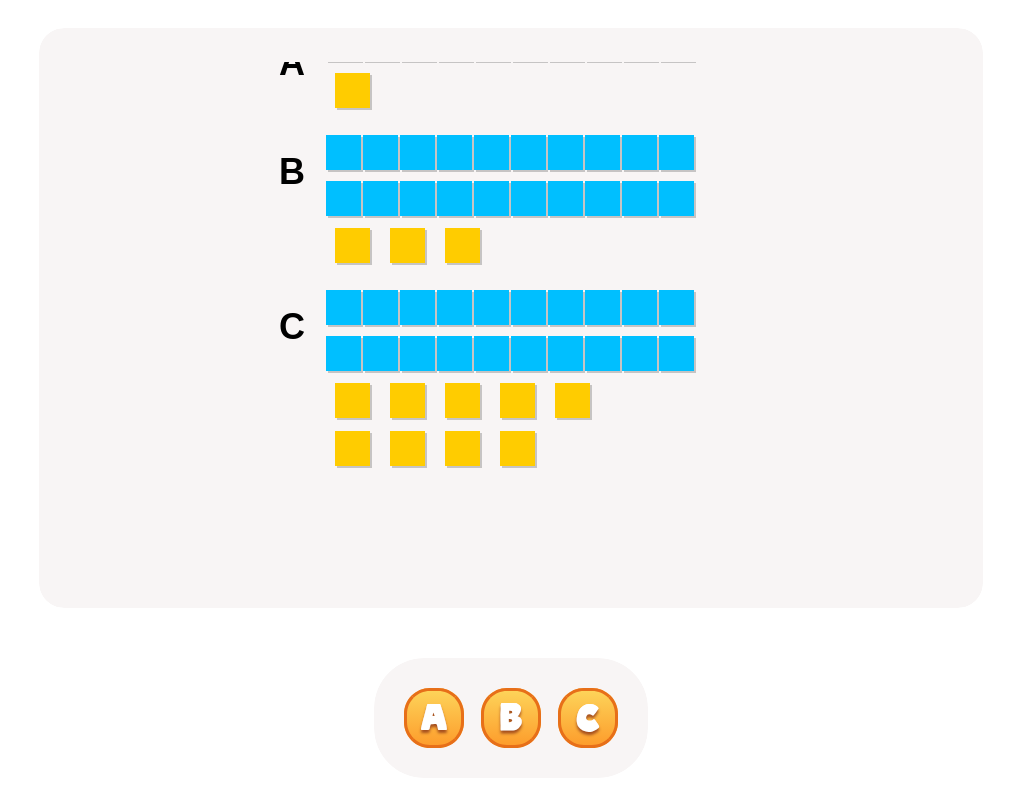
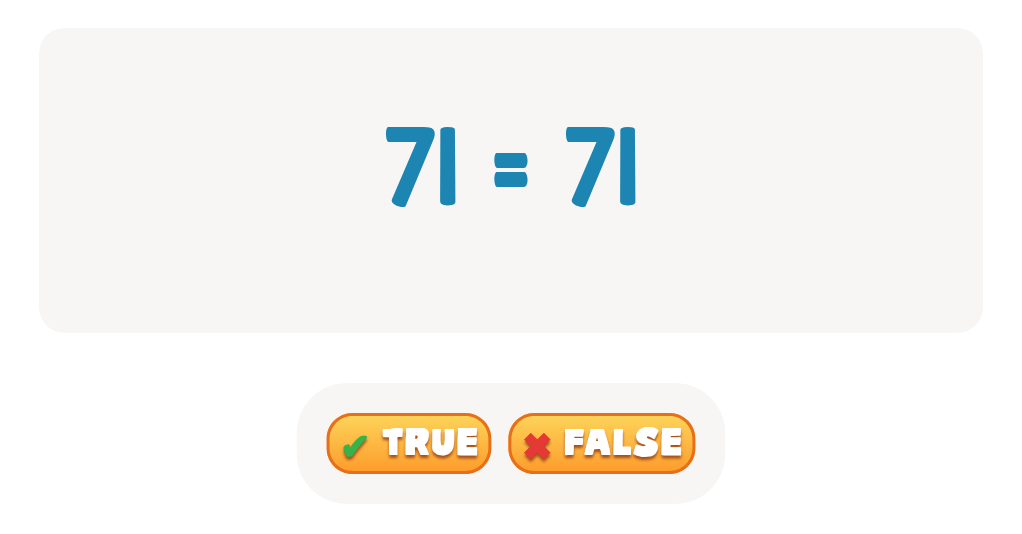
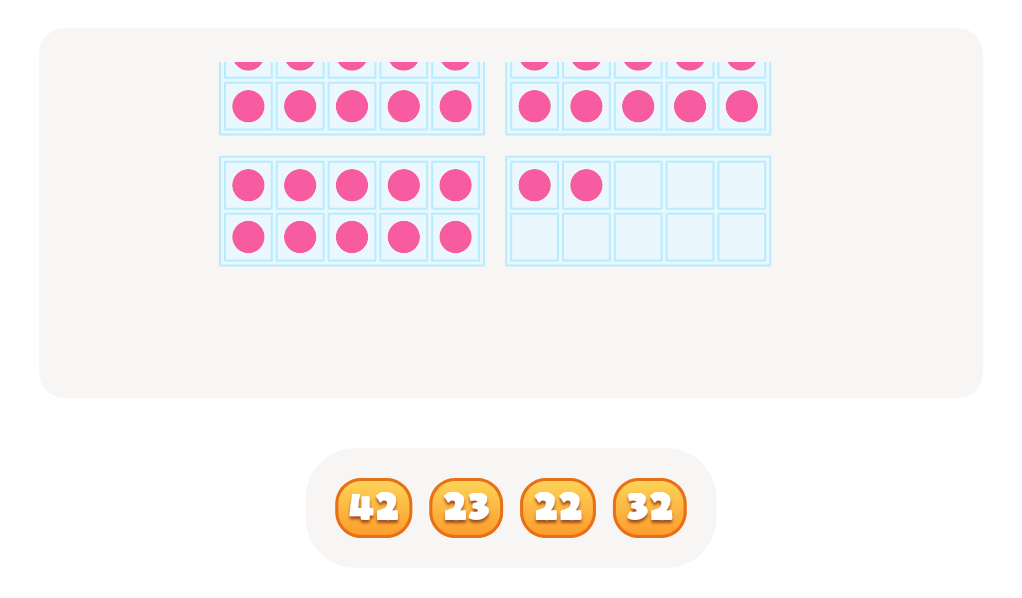
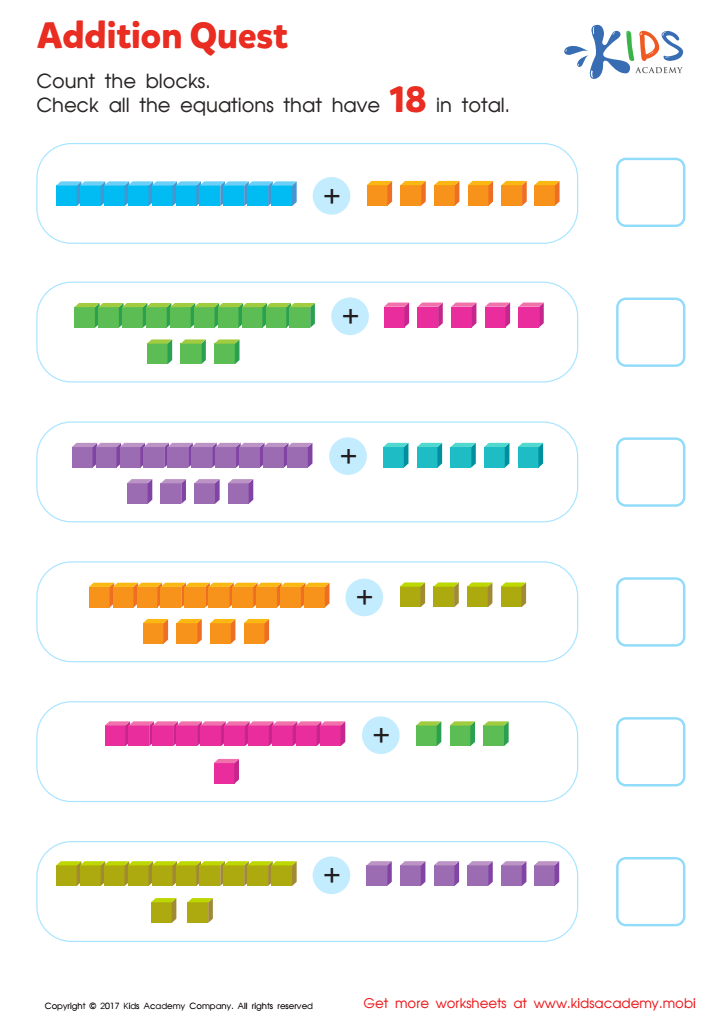
Addition Quest Worksheet: Part 2
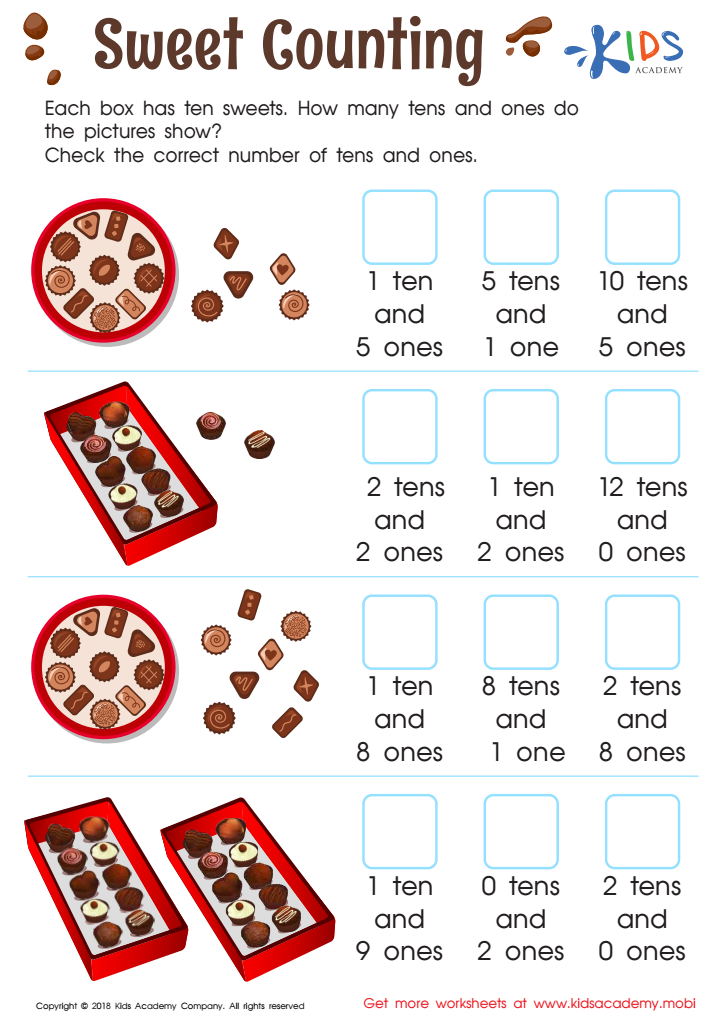
Sweet Counting - Part 2 Worksheet
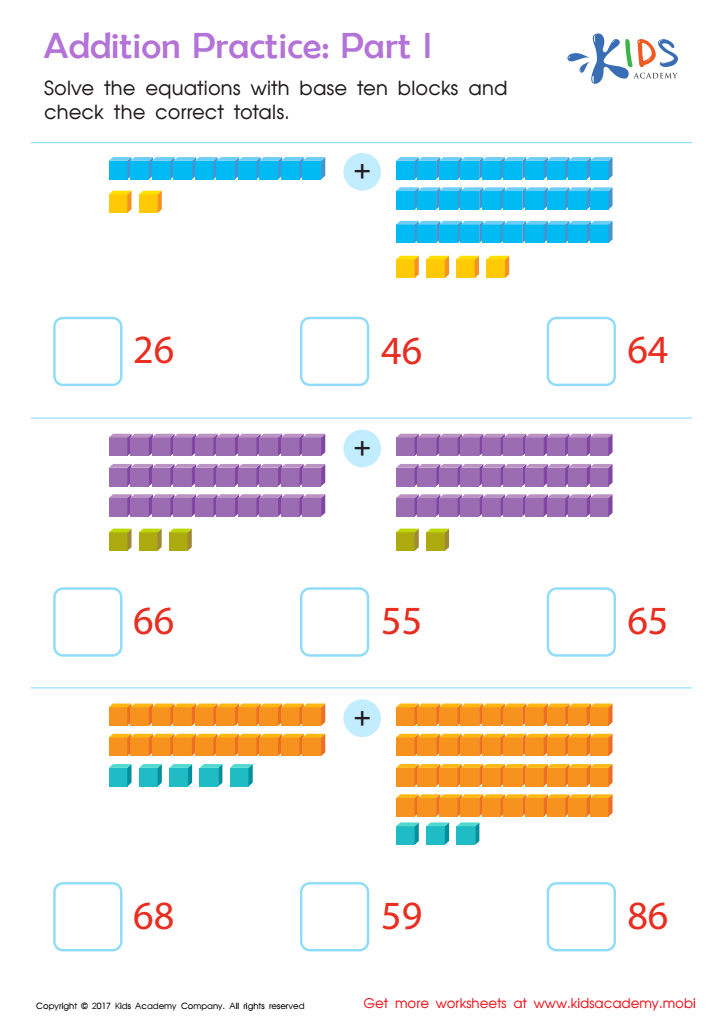
Addition Practice Sheet: Part 1
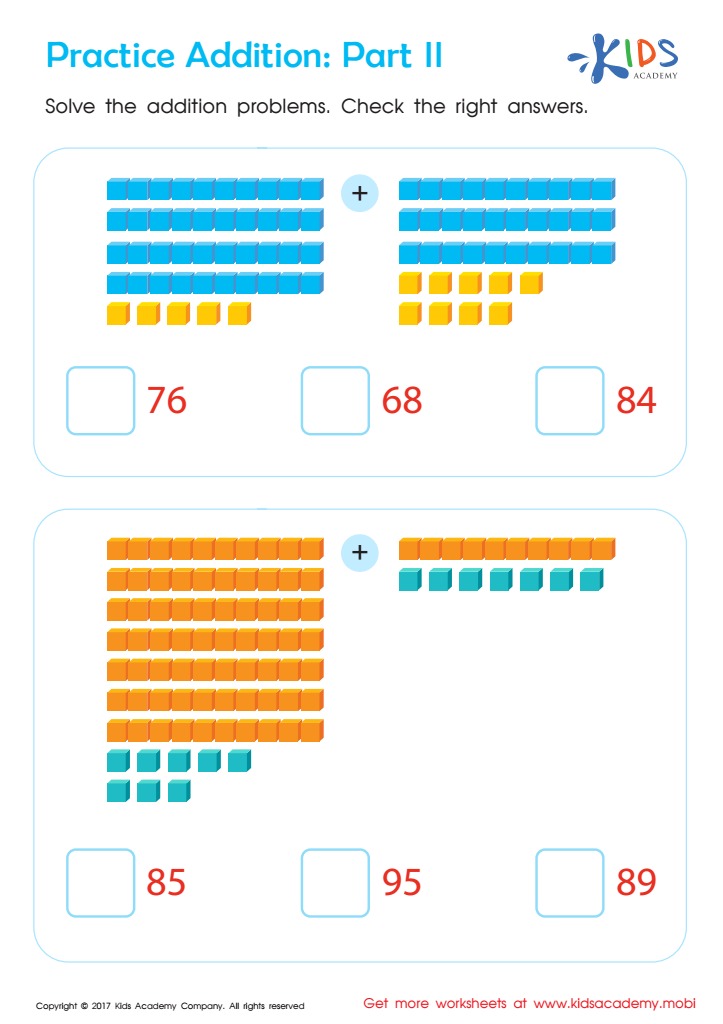
Practice Addition: Part 2 Worksheet








Number recognition and an understanding of place value are foundational skills for young learners, especially those aged 5-6. First, these skills create the groundwork for all future mathematics. By recognizing numbers, children can identify quantities and begin to make connections between numerals and their corresponding amounts. Understanding place value—knowing that in the number 25, for example, the '2' represents two tens, and the '5' represents five ones—deepens this awareness and introduces them to the concept of composing and decomposing numbers.
Parents and teachers play a crucial role in nurturing these skills. Children who grasp number recognition and place value are more prepared for addition and subtraction, which they will encounter in later grades. These competencies not only aid in academic achievement but also foster confidence in math.
Moreover, building a strong mathematical foundation influences overall cognitive development and critical thinking. When parents and teachers engage in playful activities that involve number games or real-world applications—such as counting objects at home—they can reinforce learning. By prioritizing number recognition and place value, adults ensure that children have the tools they need for academic success and a positive attitude towards mathematics as they progress in their education.