Motor skills development Normal ABC Letters Worksheets for Ages 5-7
3 filtered results
-
From - To
Enhance your child’s motor skills with our engaging "Normal ABC Letters Worksheets" designed for ages 5-7! These worksheets provide a fun and interactive way for young learners to strengthen their handwriting and fine motor dexterity while mastering the alphabet. Each worksheet features vibrant illustrations and simple exercises that encourage tracing, writing, and coloring activities, helping children develop important cognitive and physical skills. Perfect for home or classroom use, our resources support early literacy and promote confidence in young writers. Give your child the tools they need to succeed with our specially crafted worksheets that combine learning and play!

Letter H Tracing Page







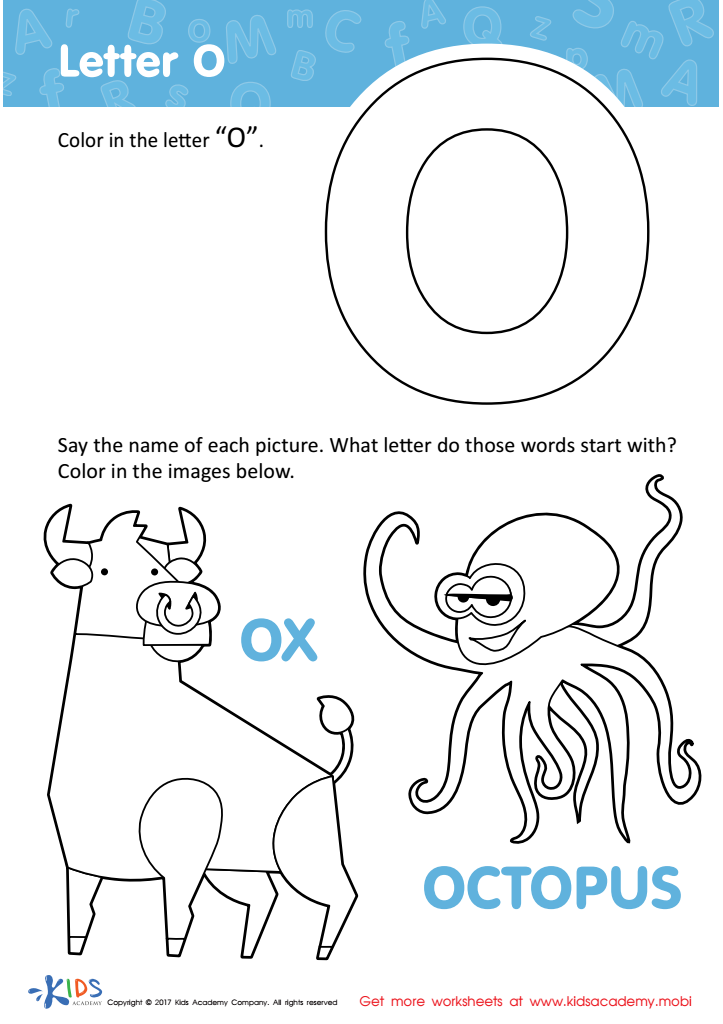
Letter O Coloring Sheet
 Assign to My Students
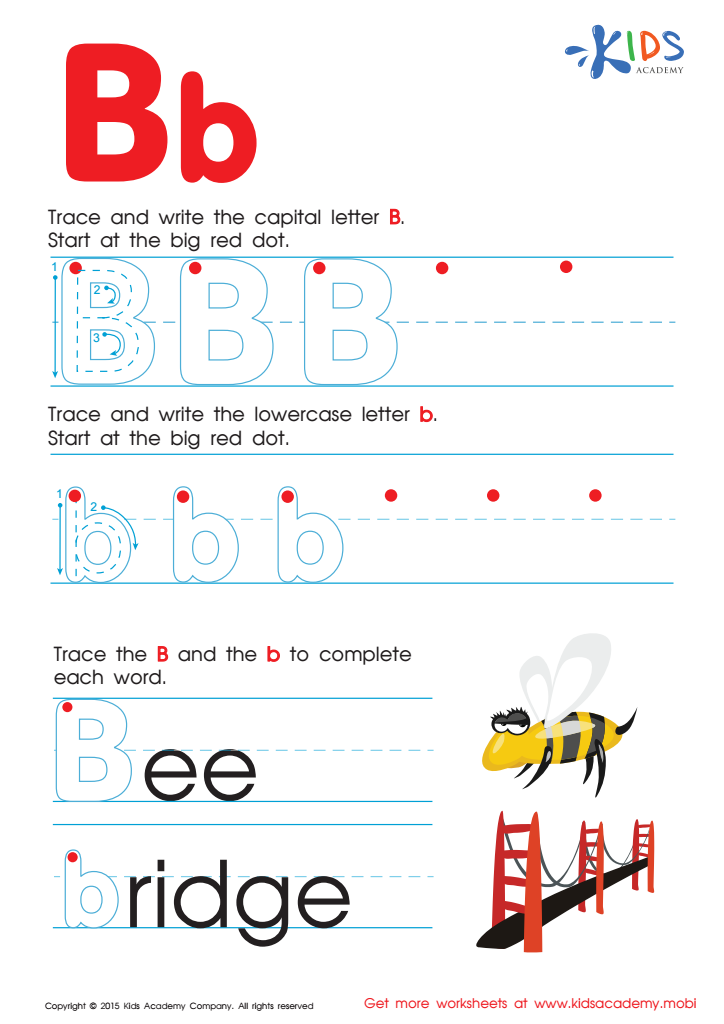
Letter B Tracing Page






Motor skills development, particularly in writing normal ABC letters, is crucial for children ages 5-7 as it lays the foundation for their academic success and overall development. During these formative years, children are developing both fine and gross motor skills, which are essential for tasks such as holding a pencil, cutting with scissors, and participating in sports. Well-developed motor skills enhance a child’s ability to express their thoughts on paper, facilitating communication and creativity.
Moreover, mastery of motor skills is closely linked to cognitive development. As children practice writing letters, they not only learn the shapes and sounds associated with each letter but also strengthen their hand-eye coordination, spatial awareness, and concentration. Furthermore, children who struggle with motor skills may experience frustration, leading to a lack of confidence and even reluctance to engage in school activities.
Parents and teachers should prioritize motor skills development by providing engaging opportunities for practice. Encouraging activities like coloring, playdough manipulation, and tracing can improve dexterity and control. Recognizing its significance can help adults support healthy development, fostering a positive learning environment that equips children with essential skills for their educational journey and beyond.







