Hand-eye Coordination Normal Letter Recognition Worksheets for Ages 5-7
7 filtered results
-
From - To
Enhance your child's early learning with our Hand-eye Coordination Normal Letter Recognition Worksheets designed for ages 5-7. These carefully crafted worksheets from Kids Academy focus on developing vital motor skills and fundamental alphabet recognition through engaging exercises. Perfect for young learners, each worksheet promotes attentive participation and encourages improvement in both handwriting and cognitive abilities. These practical, visually appealing activities seamlessly integrate fun and learning, making the mastery of letters an enjoyable experience. Foster your child's growth and boost confidence with our educational resources tailored to nurture essential early-grade learning skills. Start building a strong foundation today!
Would you like further information you want to include?
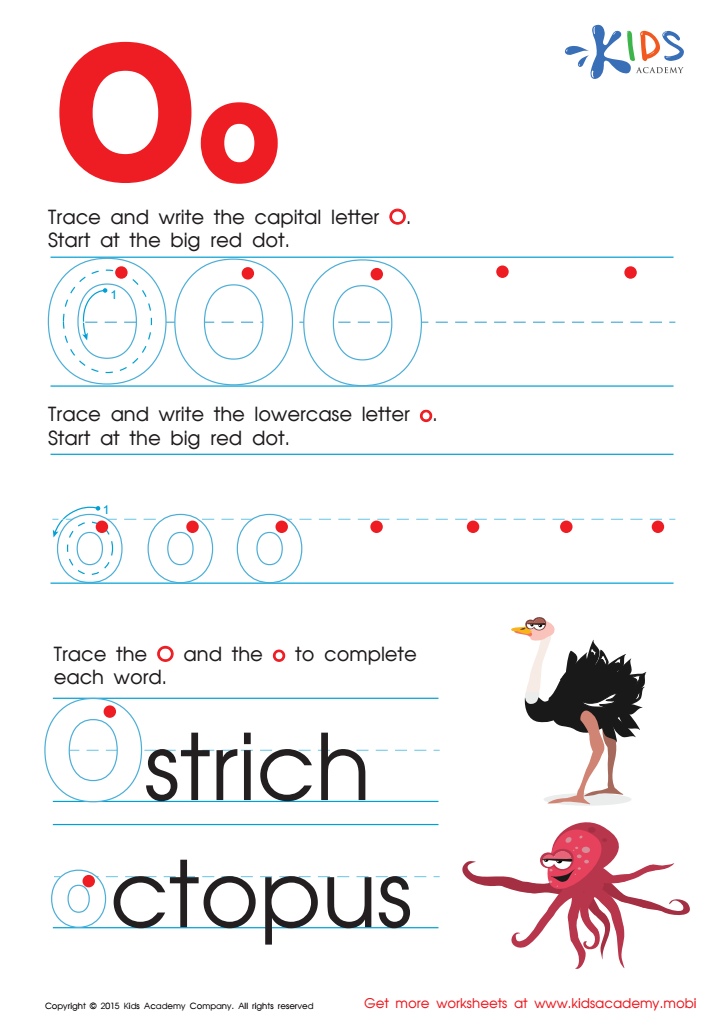
Letter O Tracing Page
 Assign to My Students
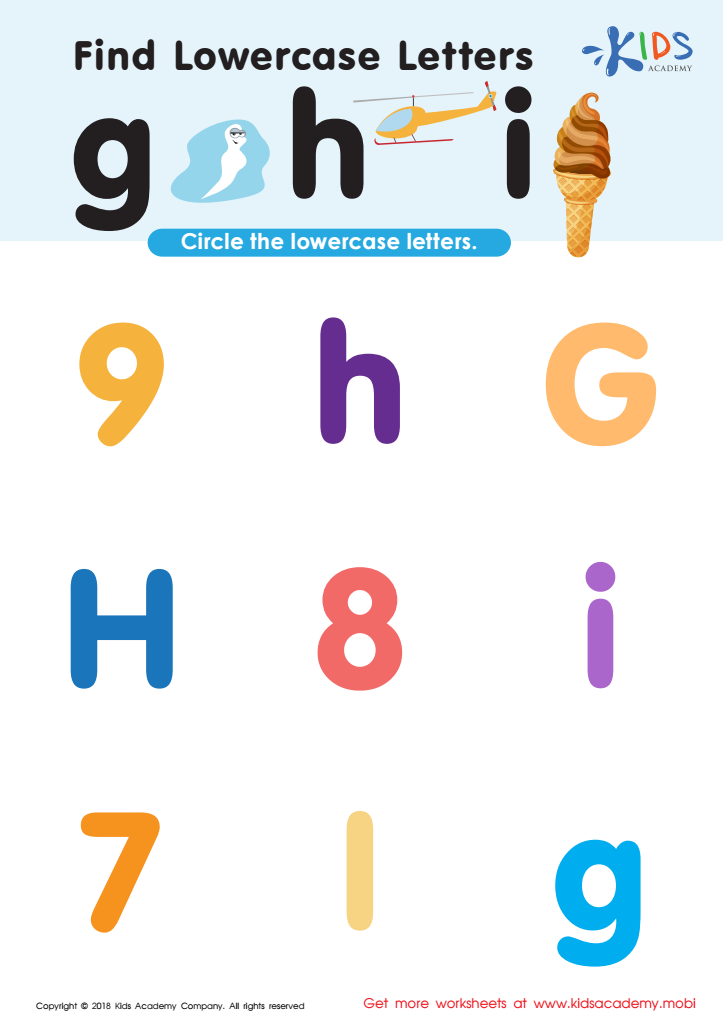
Find Lowercase Letters g h i Worksheet
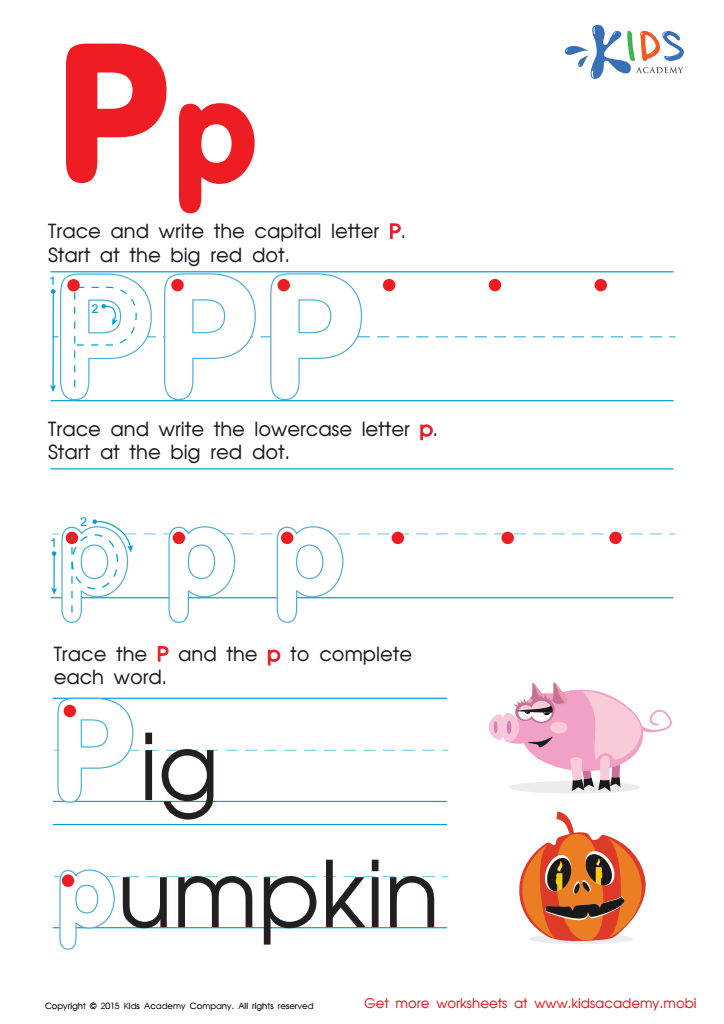
Letter P Tracing Page
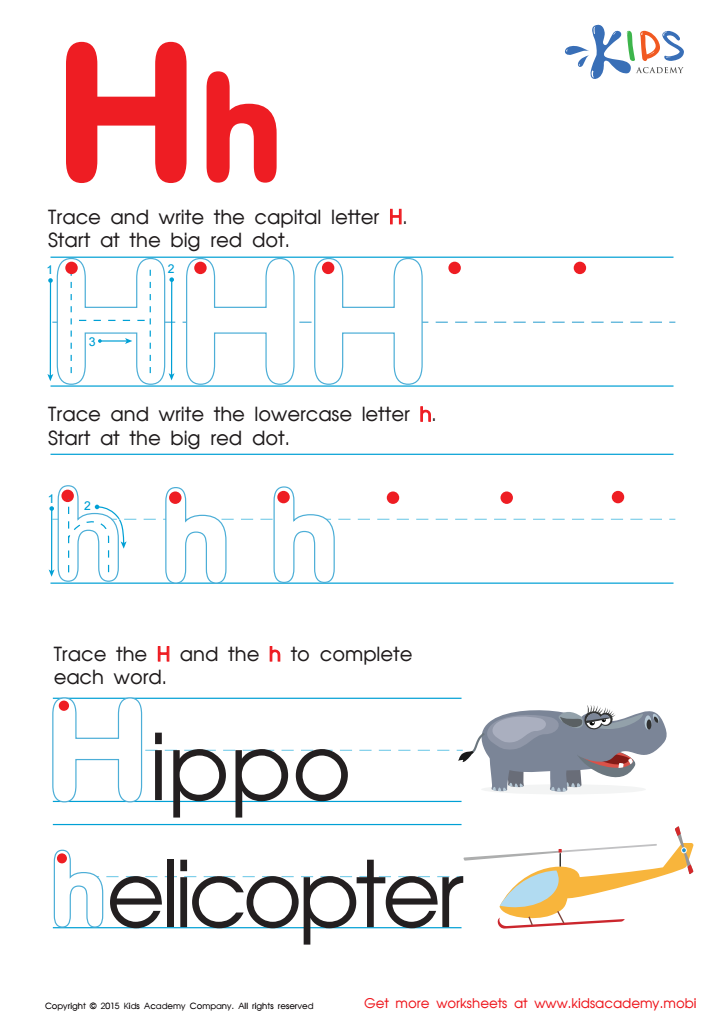
Letter H Tracing Page
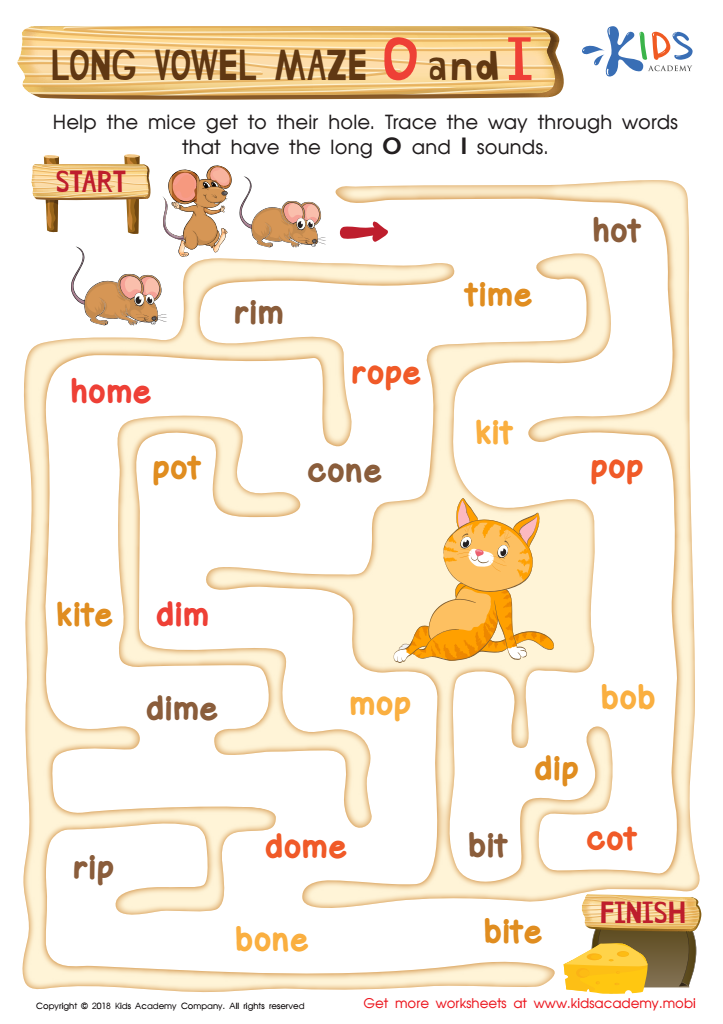
Long Vowel Maze /o/ and /i/ Worksheet
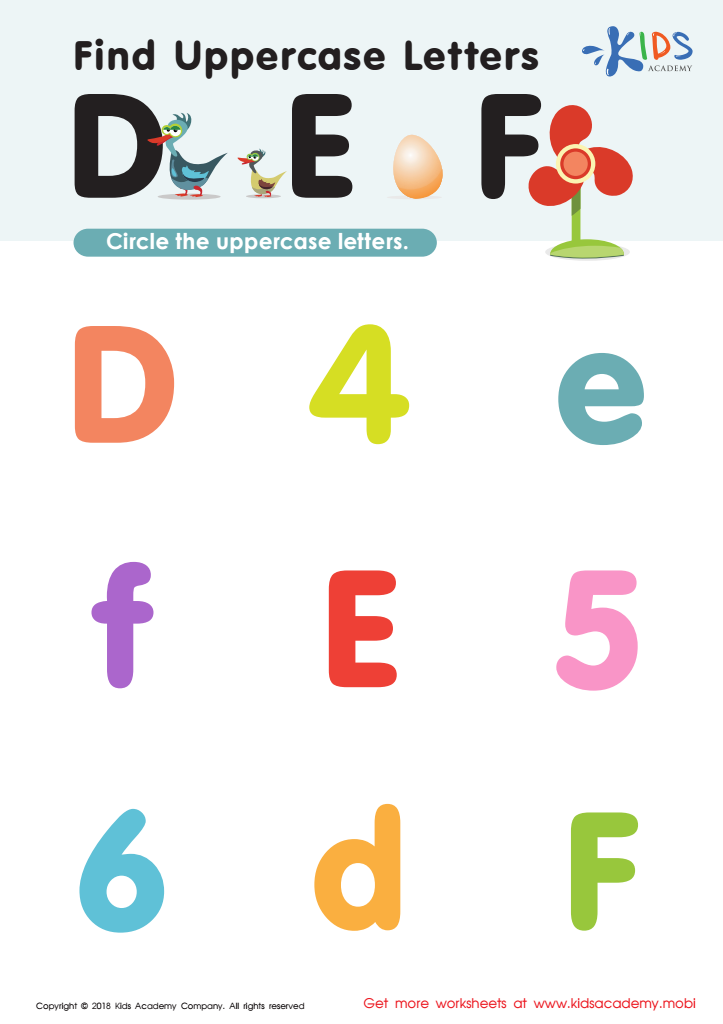
Find Uppercase Letters D, E, and F Worksheet

Letter D Tracing Page








Hand-eye coordination and normal letter recognition for children aged 5-7 are essential aspects of early childhood development foundational to academic and life skills. Hand-eye coordination involves the synchronization of visual input with hand movements, crucial for writing, which is a primary mode of communication and learning in school. At this age, children begin formal education, hence the ability to correctly recognize letters and write them legibly directly impacts reading and writing competencies. Early development in these areas fosters fine motor skills, essential for activities such as drawing, cutting with scissors, and using digital devices, all of which contribute to overall cognitive development.
For teachers and parents, prioritizing these skills means setting the stage for lifelong learning success. Efficient hand-eye coordination and letter recognition speed up the acquisition of reading skills, contributing to better comprehension and literacy. This early proficiency is linked with improved performance across subjects including math, as it supports numeral formation and spatial awareness. Furthermore, activities that enhance these skills, like playing ball games or practicing tracing, also help children gain confidence and persistence. By focusing on judicious nurturing of hand-eye coordination and letter recognition, caregivers not only support academic achievement but also aid in children's holistic development and self-esteem.








