Motor skills development Normal Letter Recognition Worksheets for Ages 5-7
3 filtered results
-
From - To
Enhance your child's motor skills and letter recognition with our engaging worksheets designed for ages 5-7. Our "Normal Letter Recognition" worksheets focus on developing fine motor skills while familiarizing young learners with the alphabet. Each activity is crafted to make learning fun, incorporating colorful illustrations and interactive tasks. Your child will practice their writing and letter identification in a playful way, ensuring a strong foundation in literacy. Suitable for home or classroom use, these worksheets are perfect for boosting confidence as children prepare for school. Start fostering a love for learning today with our expertly designed motor skills development resources!

Letter H Tracing Page
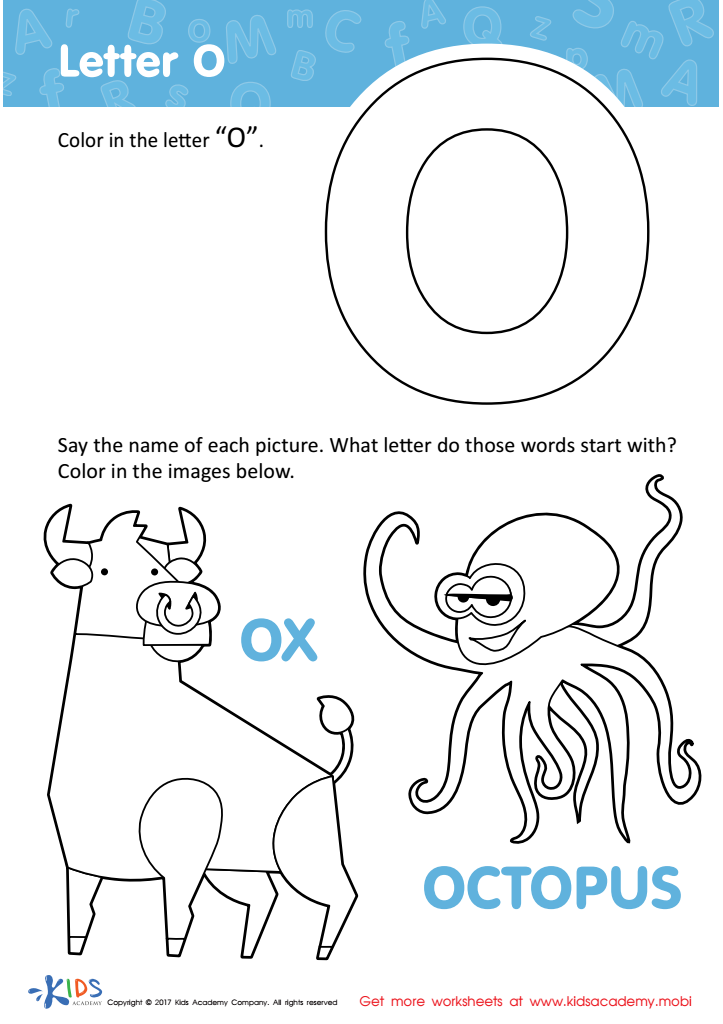
Letter O Coloring Sheet
 Assign to My Students
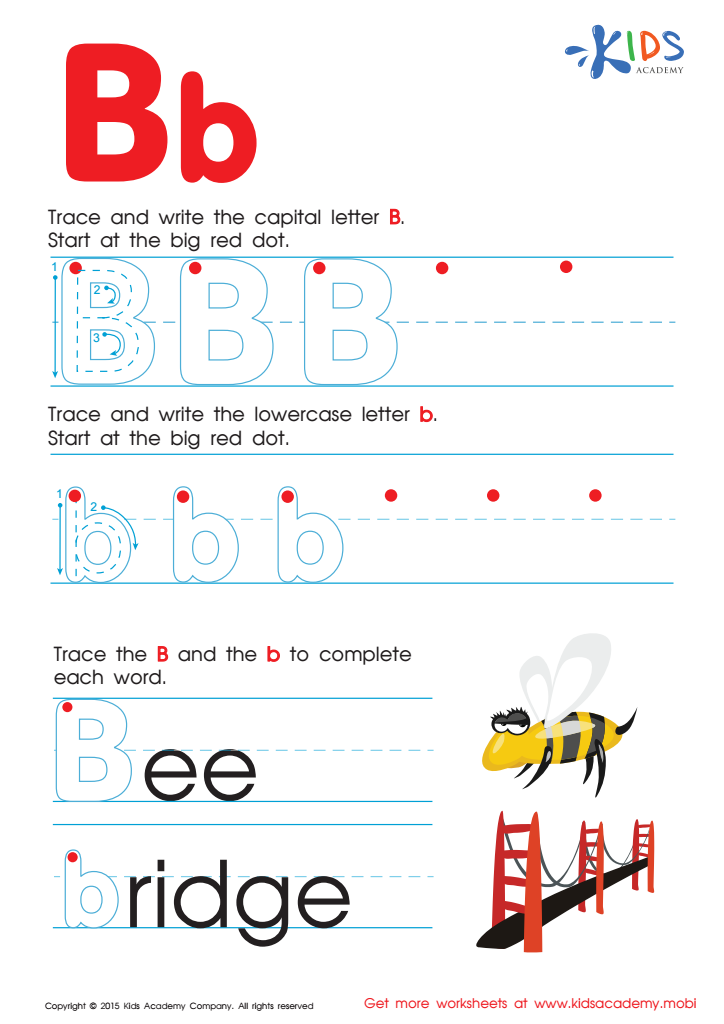
Letter B Tracing Page








Motor skills development, particularly in the realm of normal letter recognition for children aged 5-7, is crucial for multiple reasons. During these formative years, children are rapidly developing foundational skills that will aid their future learning. Good motor skills, including fine motor skills, allow children to manipulate writing instruments effectively, which is essential for tasks like writing letters and forming words. This is integral to their literacy development, enabling them to read and write proficiently.
As children recognize letters and associate them with sounds, they build the phonemic awareness necessary for literacy. This stage is pivotal; it lays the groundwork for reading fluency and comprehension. Additionally, when children practice sorting, tracing, and forming letters, they refine their hand-eye coordination, which further enhances their learning experiences across various subjects.
Parents and teachers should prioritize this development because it directly impacts academic success and self-esteem. Struggling with letter recognition can lead to frustration and a lack of confidence in school. By fostering motor skills and letter recognition early on, adults help children develop a love for learning and equip them with the tools they need to become successful, confident learners in the years to come.








