Writing practice Normal Letter Recognition Worksheets for Ages 5-7
6 filtered results
-
From - To
Discover engaging Writing Practice Normal Letter Recognition Worksheets designed specifically for children ages 5-7! These printable resources focus on helping young learners identify, recognize, and correctly write the letters of the alphabet. Each worksheet encourages fine motor skills and letter formation through fun activities like tracing and repeating letters, fostering both confidence and competence in early literacy. Perfect for at-home learning or classroom use, these worksheets offer a playful and educational approach to mastering letter recognition. Support your child’s development today, and make learning a delightful adventure with our expertly crafted worksheets tailored for early learners!
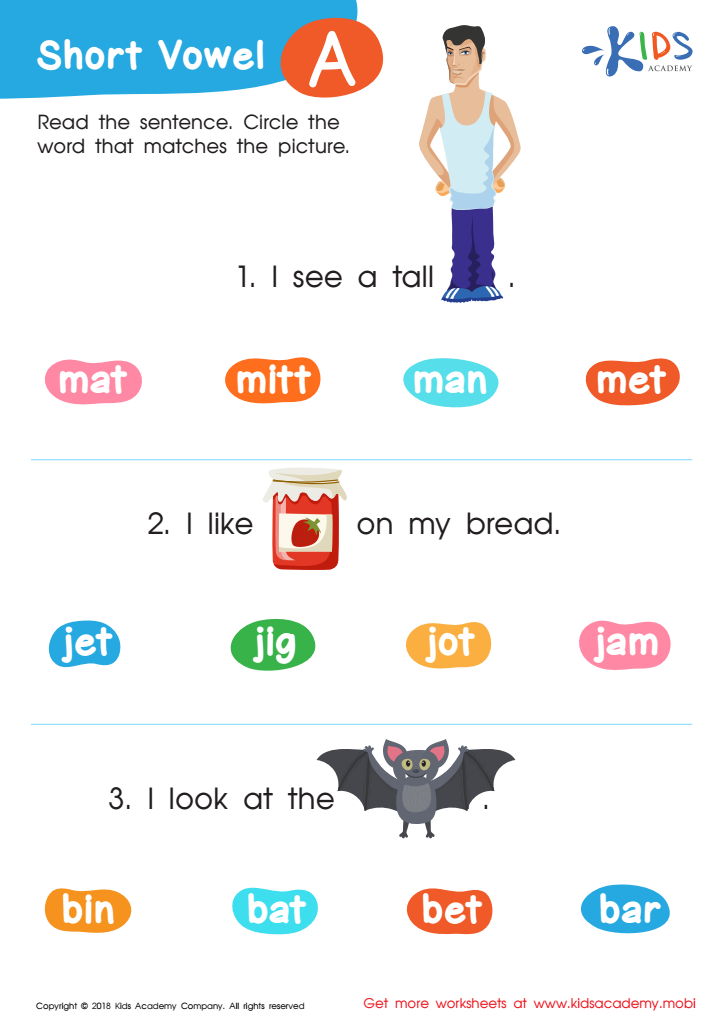
Short Vowel /a/ Worksheet
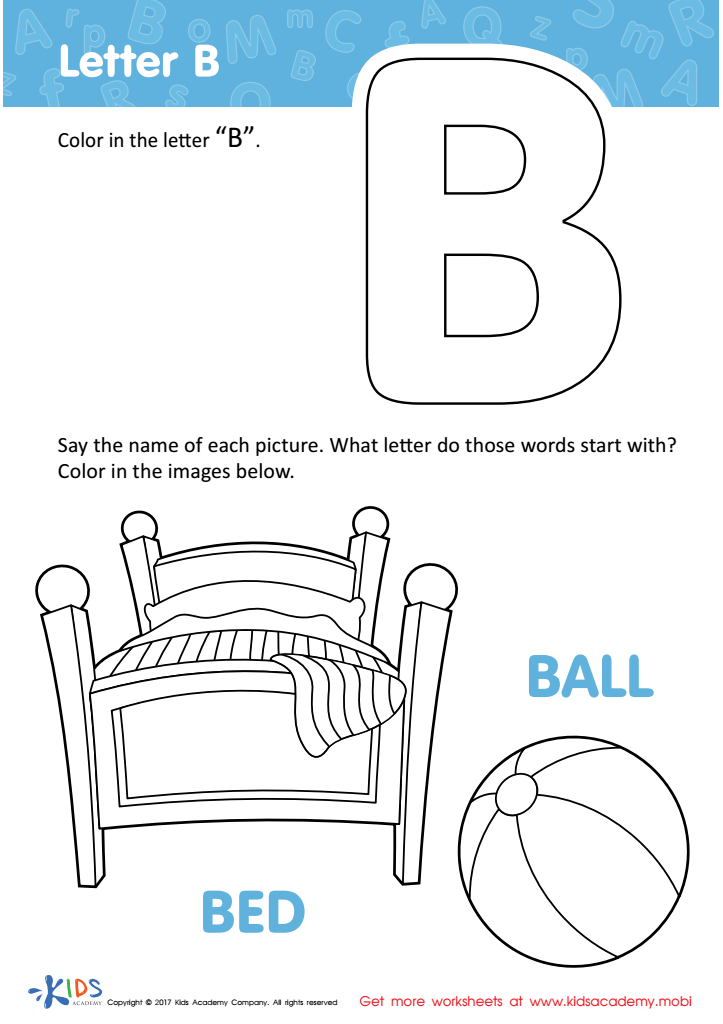
Letter B Coloring Sheet
 Assign to My Students
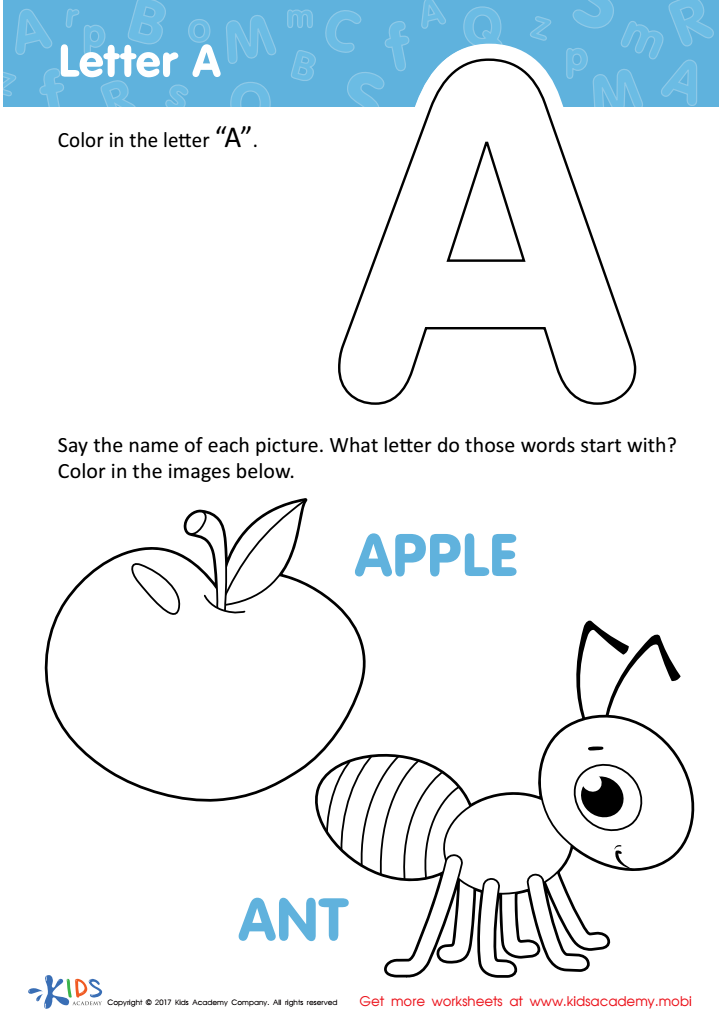
Letter A Coloring Sheet
Assign to My Students

Letter H Tracing Page
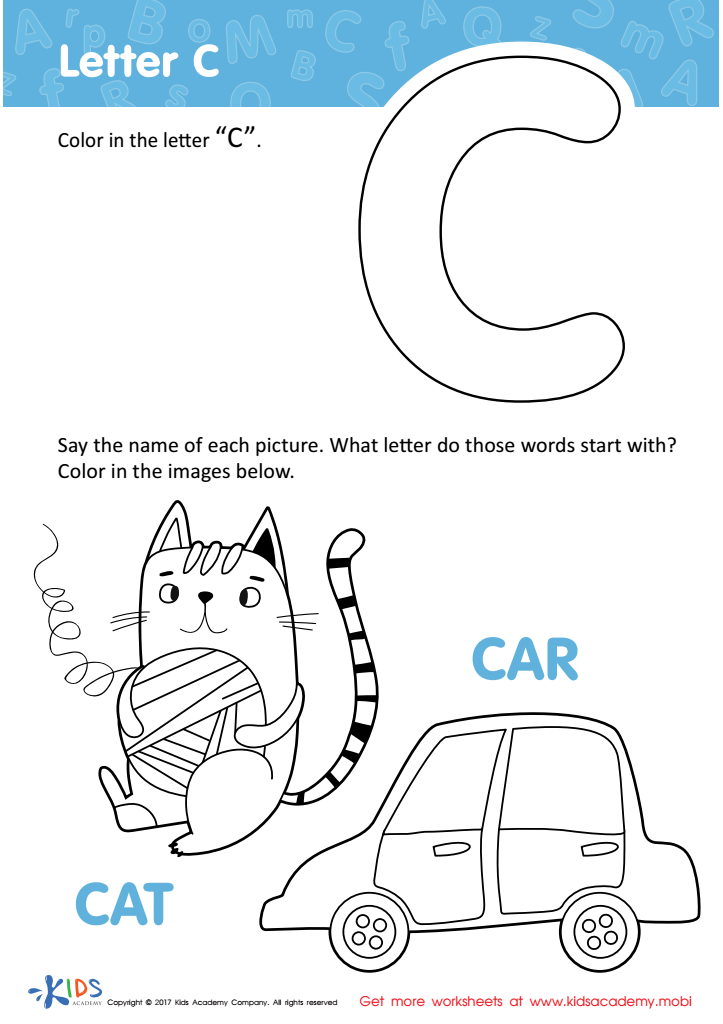
Letter C Coloring Sheet
Assign to My Students
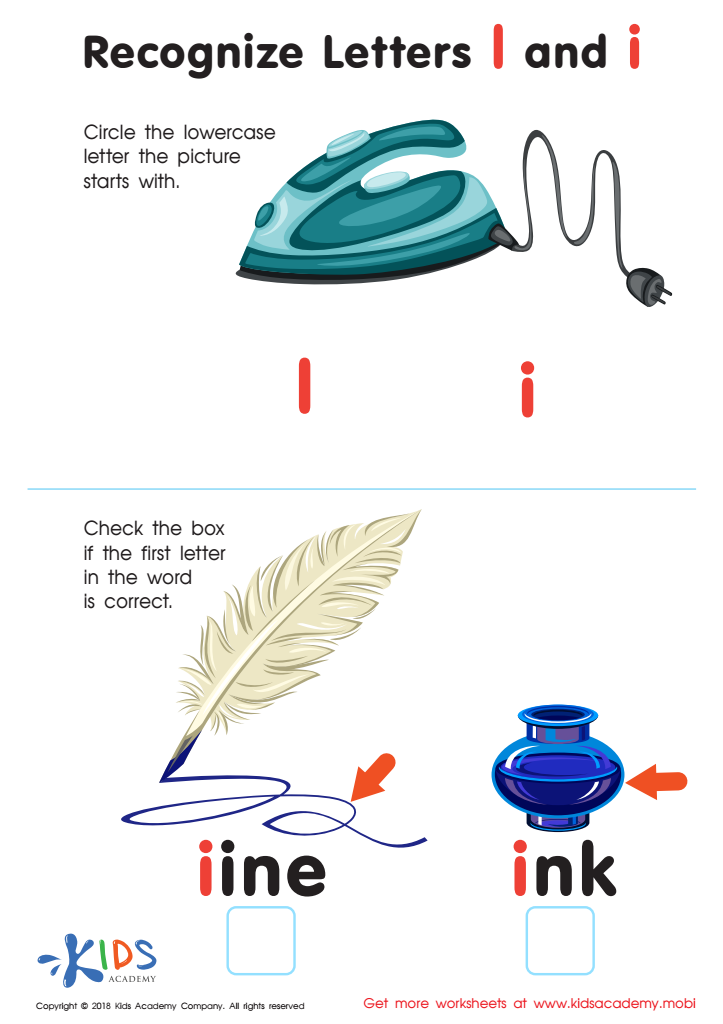
Recognize Letters l and i Worksheet








Parents and teachers should prioritize writing practice and normal letter recognition for children ages 5-7, as these skills lay the foundation for literacy development and future academic success. At this age, children are neurodevelopmentally primed to absorb new information, and engaging them in letter recognition allows them to identify shapes and sounds, key components of reading and writing.
Early mastery of letters not only fosters confidence in their abilities but also enhances their communication skills. Writing practice, paired with letter recognition, helps develop fine motor skills essential for handwriting, which is crucial as they progress in their education. By learning to write and recognize letters, children build vocabulary and improve spelling, aiding their ability to express thoughts and ideas clearly.
Additionally, these skills foster a love for language, encouraging children to explore books and engage in storytelling. Furthermore, fostering these skills at home or in the classroom creates a supportive environment where children feel valued and motivated to learn. Ultimately, investing time in writing practice and letter recognition nurtures well-rounded individuals who are prepared to tackle the challenges of literacy in the years to come.








