Handwriting practice Normal Letter Sounds Worksheets for Ages 5-7
4 filtered results
-
From - To
Empower your young learners, ages 5-7, with our Handwriting Practice Normal Letter Sounds Worksheets. Our expertly designed materials focus on fundamental handwriting skills while reinforcing letter sounds, ensuring a holistic learning experience. Each worksheet provides targeted practice that not only enhances penmanship but also strengthens phonemic awareness, which is crucial for reading proficiency. These fun, engaging exercises will keep your kids motivated as they trace, write, and connect sounds to letters at their own pace. Ideal for classroom use or homeschooling, these worksheets offer a vital foundation for a lifetime of effective communication and literacy success.
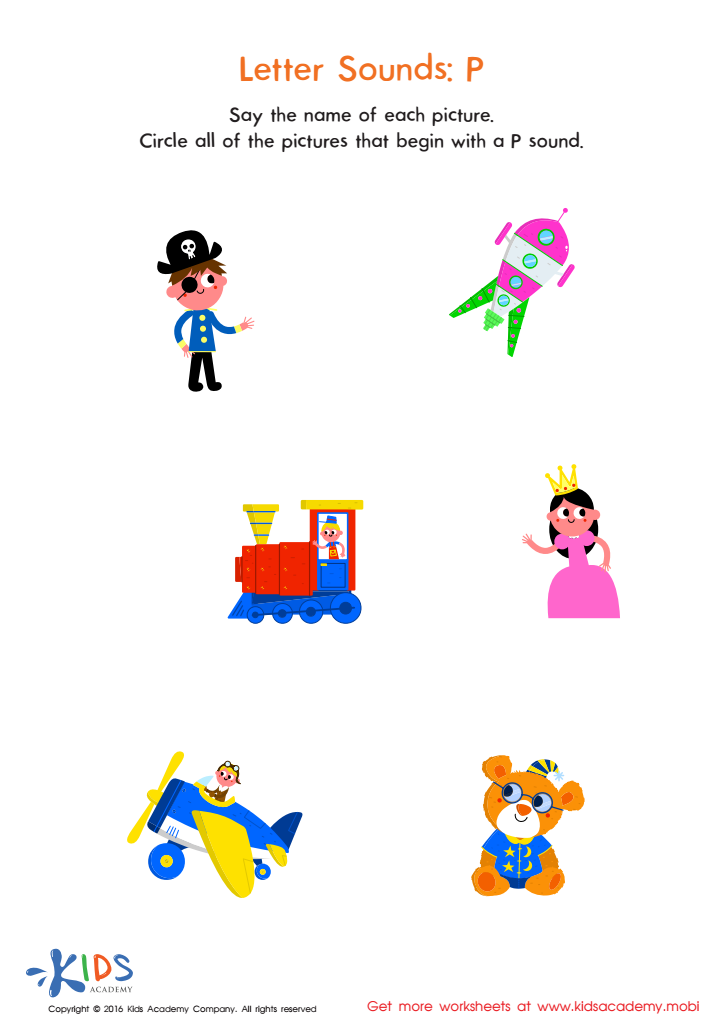
Letter P Sound Worksheet
 Assign to My Students
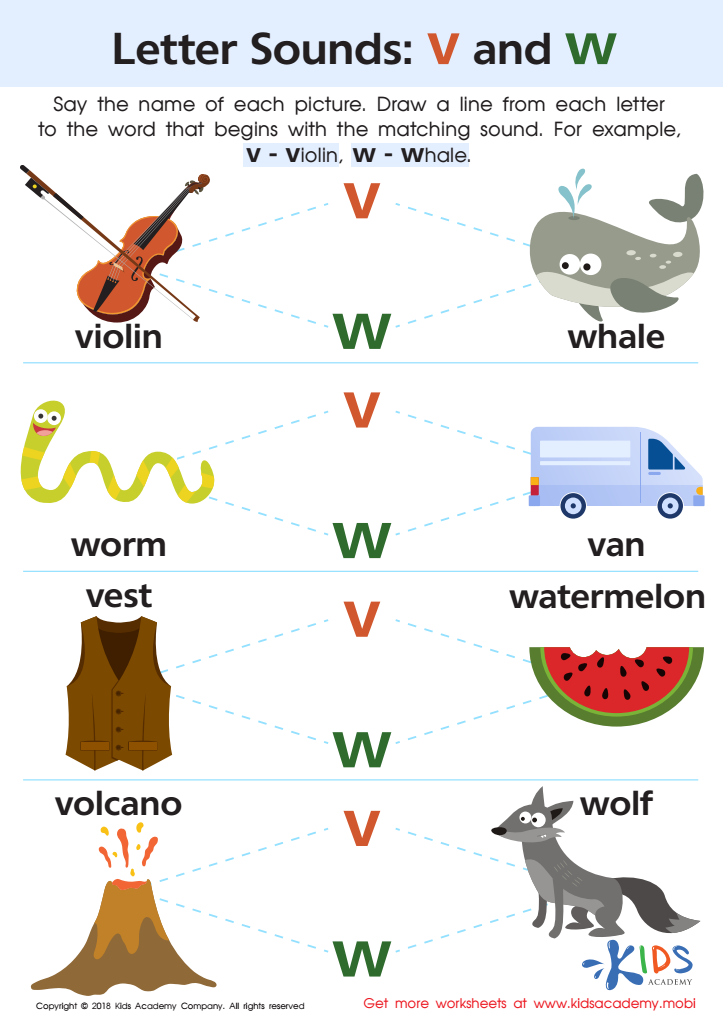
Letter V and W Sounds Worksheet
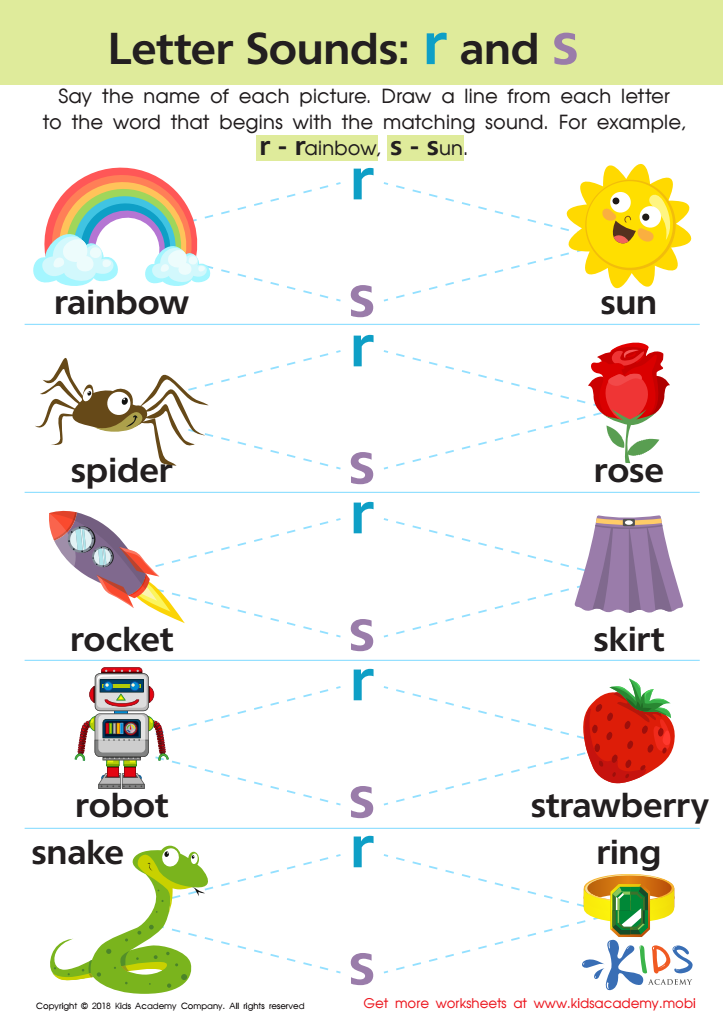
Letter R and S Sounds Worksheet
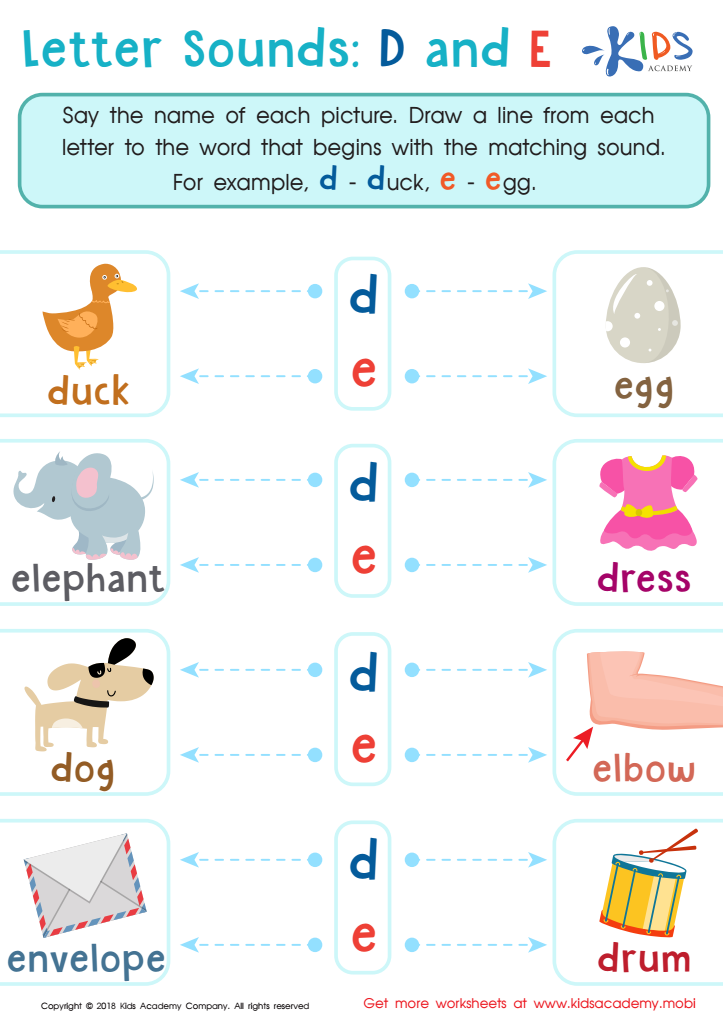
Letter D and E Sounds Worksheet








Handwriting practice and understanding normal letter sounds are foundational skills crucial for children aged 5-7, forming the bedrock of their literacy development. Parents and teachers should invest time and attention in these areas because they significantly influence a child's reading and writing abilities.
Firstly, consistent handwriting practice aids in developing fine motor skills, ensuring that young learners can form letters correctly and legibly. This process enhances coordination and muscle memory, making writing a more fluid and less labor-intensive task as they grow. Legible handwriting also allows children to express their thoughts clearly on paper, fostering confidence and a positive attitude toward writing activities.
Simultaneously, grasping normal letter sounds, or phonics, is paramount in bridging the gap between spoken and written language. Phonics instruction helps children understand the relationship between letters and sounds, which is vital for decoding words. As they become adept at sounding out letters, they can more easily learn to read, spell, and recognize patterns in language. This phonemic awareness boosts their comprehension skills and accelerates vocabulary development.
Together, proficient handwriting and phonics fluency lay a strong foundation for academic success. They empower children with the essential tools to access and engage with the broader curriculum, thus setting them on a path for continued learning and literacy proficiency.






