Vocabulary enhancement Normal Letter Sounds Worksheets for Ages 5-7
4 filtered results
-
From - To
Boost your child's vocabulary with our "Vocabulary Enhancement Normal Letter Sounds Worksheets" designed for ages 5-7. These engaging worksheets help young learners recognize and articulate letter sounds accurately while expanding their vocabulary. Ideal for early readers, the activities include fun illustrations and interactive exercises that reinforce phonics skills. By integrating play-based learning, children get to practice correct letter pronunciations and word usage, setting a strong foundation for future reading success. Enhance their learning journey with these expertly crafted worksheets and watch them excel in their reading and language skills. Visit Kids Academy to download and make learning fun!
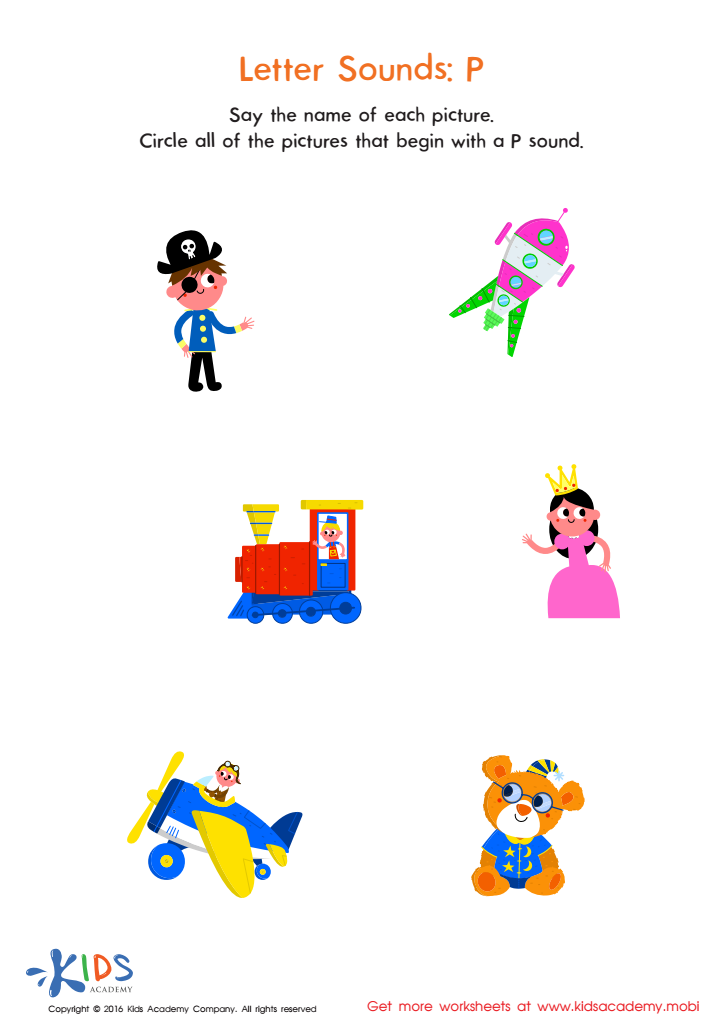
Letter P Sound Worksheet
 Assign to My Students
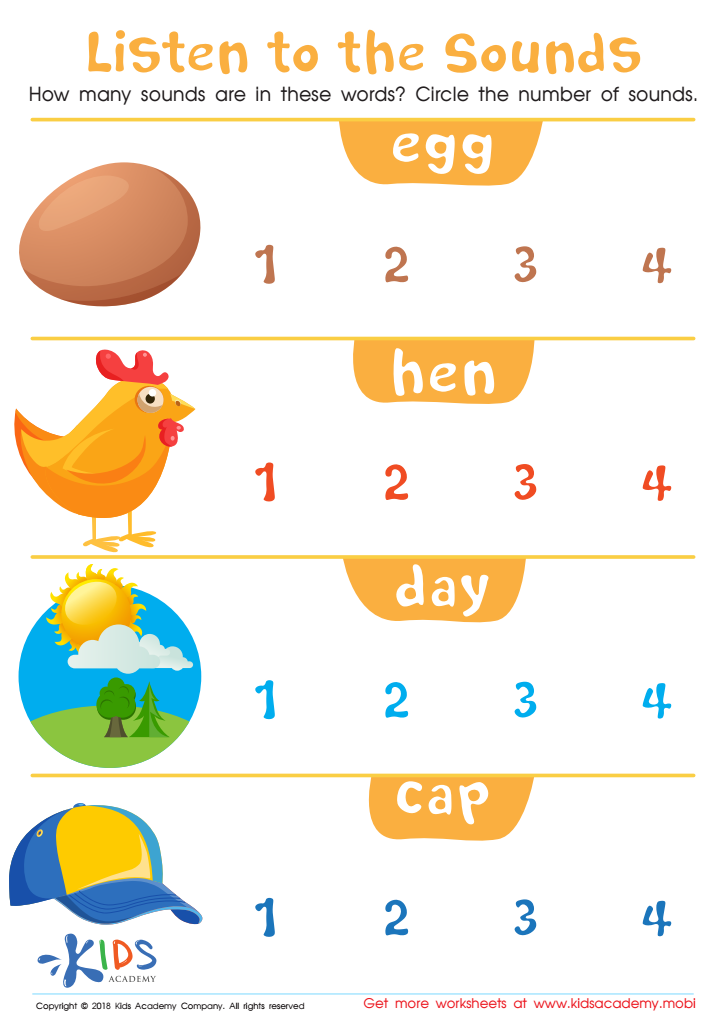
Listen to the Sounds Worksheet
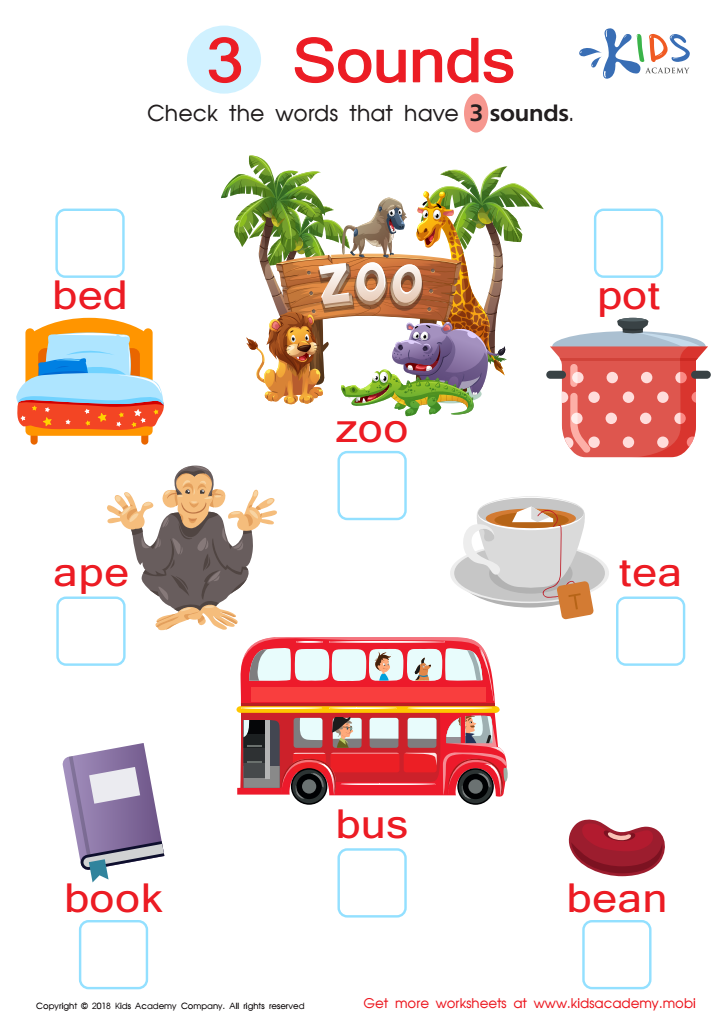
3 Sounds Worksheet
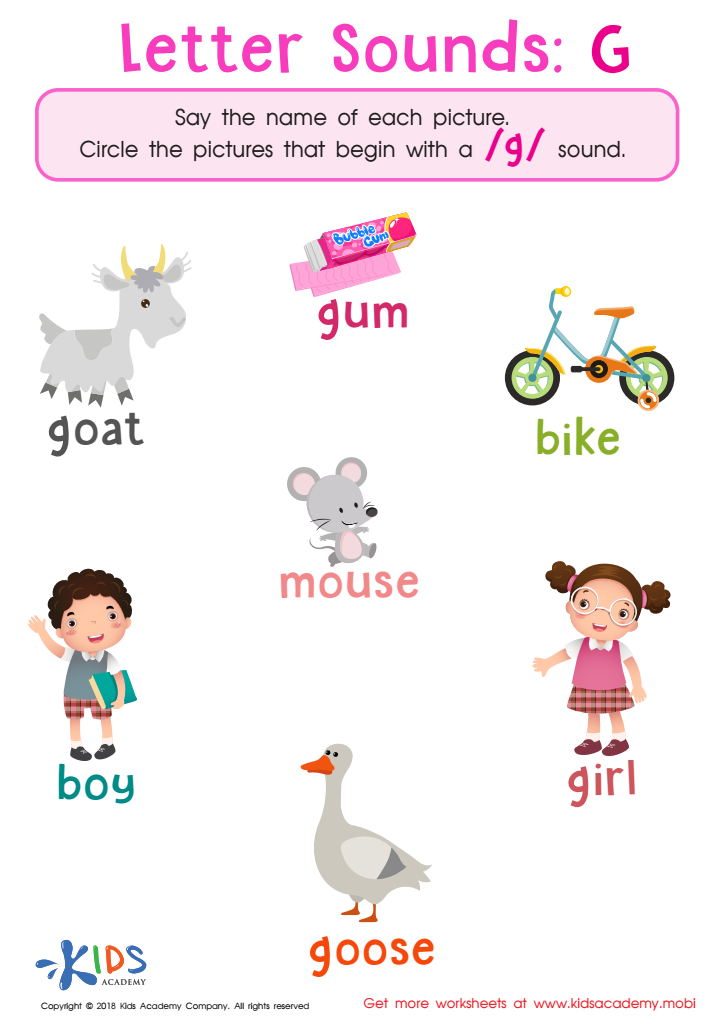
Letter G Sounds Worksheet








Vocabulary enhancement and normal letter sound recognition are crucial for children aged 5-7, a formative period for language and cognitive development. At this age, kids are rapidly expanding their linguistic abilities, which form the foundation for subsequent academic skills, particularly reading and writing. A robust vocabulary aids in better comprehension, effective communication, and deeper engagement with learning materials. Similarly, recognizing and understanding normal letter sounds (phonics) is fundamental for decoding words and reading fluently.
Early mastery of these skills can prevent future reading difficulties and bolster a child's confidence in facing academic challenges. When children can quickly and accurately decode words, they can focus more on understanding the text, leading to improved comprehension skills. Enhanced vocabulary and phonics proficiency also contribute to better spelling and writing abilities, further reinforcing overall literacy.
Moreover, early engagement with rich vocabulary and phonics shapes brain development in ways that benefit various cognitive functions, including memory, attention, and critical thinking skills. For parents and teachers, investing time and resources in vocabulary enhancement and phonics serves as a building block for lifelong learning. By fostering these skills early on, they set the stage for children’s future academic success and empowered communication.






