Letter Tracing Practice Normal Tracing Letters Worksheets for Ages 5-7
3 filtered results
-
From - To
Enhance your child's writing skills with our "Letter Tracing Practice" worksheets designed specifically for ages 5-7. These engaging normal tracing letters worksheets provide a fun and interactive way for young learners to master the alphabet. Each worksheet focuses on individual letters, helping children develop proper letter formation and improve fine motor skills. Encourage creativity and self-confidence as they trace, color, and practice writing each letter. Ideal for both classroom and home use, our resources come with clear instructions and are perfect for early literacy development. Give your child a head start in their writing journey with our thoughtfully crafted letter tracing worksheets today!
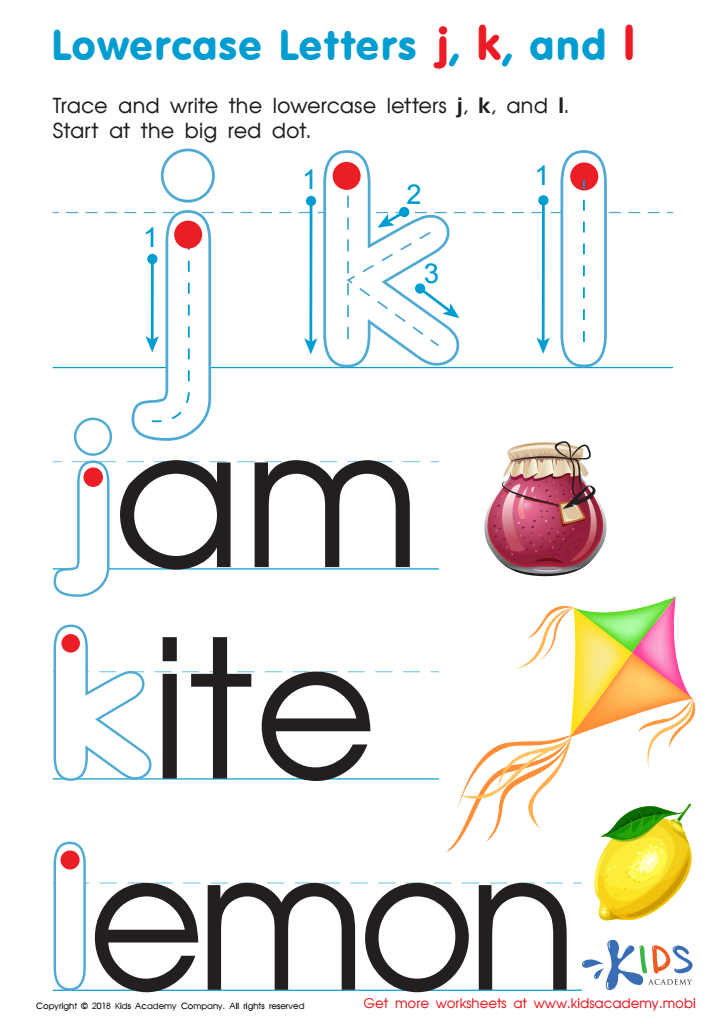
Lowercase Letters j k l Worksheet
 Assign to My Students
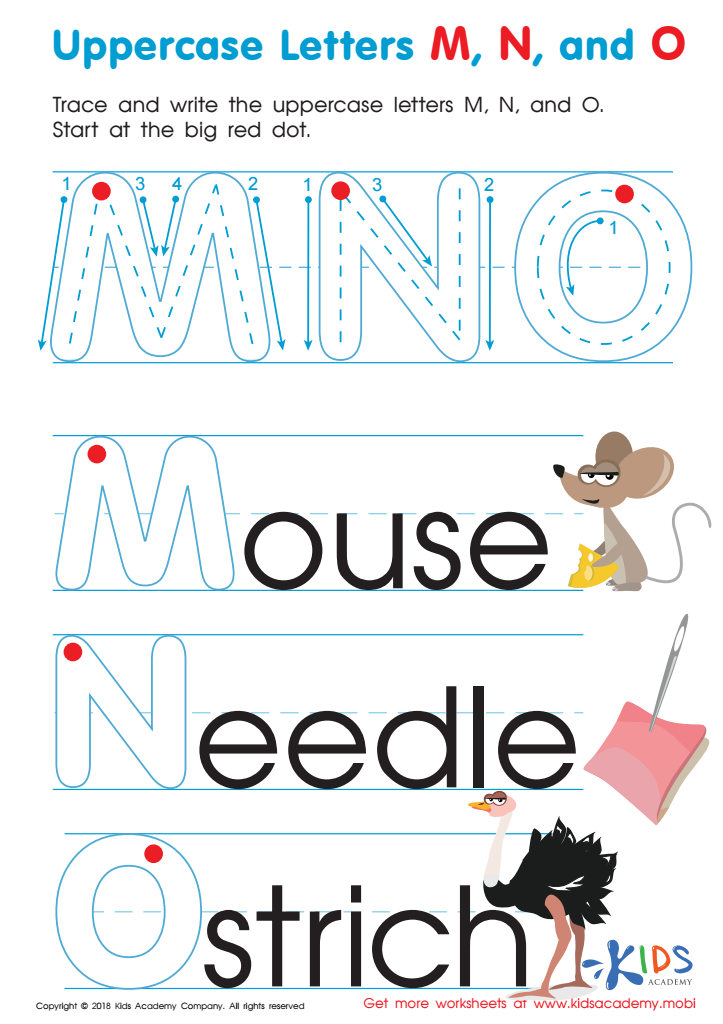
Uppercase Letters M, N, and O Worksheet
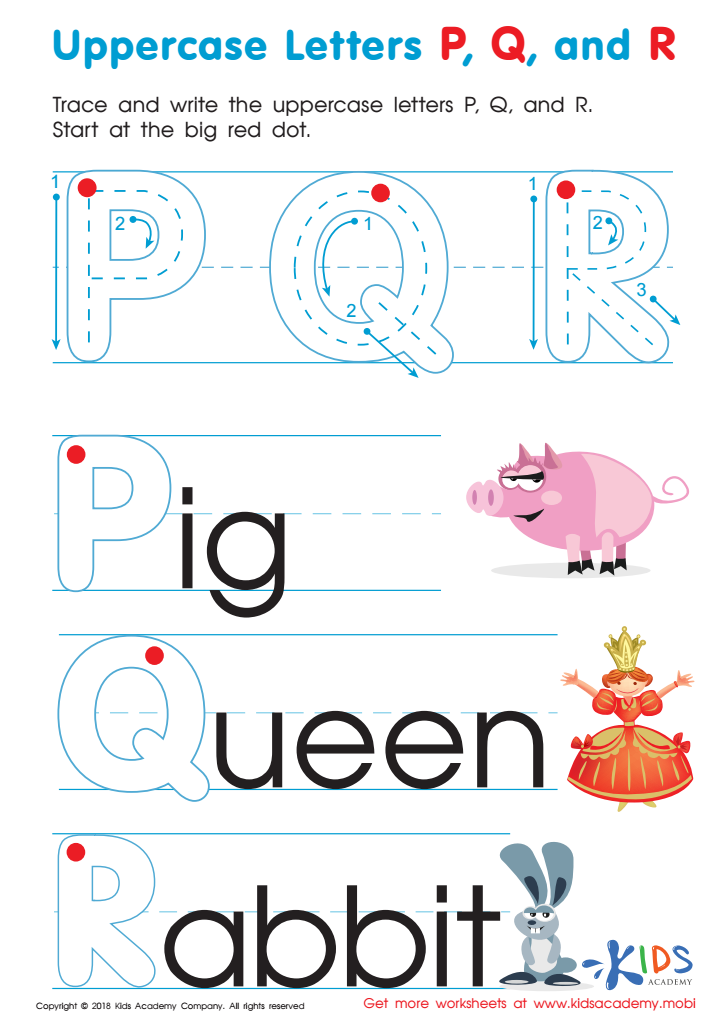
Uppercase Letters P, Q, and R Worksheet








Letter tracing practice is crucial for early literacy development, making it important for both parents and teachers to prioritize this activity for children aged 5-7. Firstly, tracing helps children develop fine motor skills, essential for tasks such as writing, drawing, and even tying shoelaces. When children control the pencil while tracing, they strengthen the muscles in their hands, which translates to improved handwriting.
Secondly, tracing aids in letter recognition, helping kids distinguish between similar letters, such as “b” and “d.” By engaging in this repetitive practice, children not only memorize the shape of each letter but also understand its sequential movement. This foundational skill is vital for spelling and word formation, laying the groundwork for future reading and writing abilities.
Additionally, letter tracing can foster confidence. As children successfully complete tracing tasks, they gain a sense of achievement, boosting their self-esteem and willingness to engage in more complex literacy activities.
Lastly, this practice incorporates visual-motor integration, which plays a significant role in overall academic success. By supporting letter tracing at home or in the classroom, parents and teachers contribute to a child’s holistic development, equipping them with essential skills for their educational journey.








