
Hand-eye Coordination Normal Tracing Lines and Curves Worksheets for Ages 5-7
4 filtered results
Difficulty Level
Grade
Age
-
From - To
Subject
Activity
Standards
Enhance your young learner's hand-eye coordination with our engaging tracing lines and curves worksheets, designed specifically for ages 5-7. These fun, interactive activities help children develop essential motor skills by tracing a variety of simple shapes and pathways. As kids follow the lines and curves, they gain confidence in their writing ability while improving focus and concentration. Our worksheets not only make learning enjoyable but also promote cognitive skills essential for academic success. Whether at home or in the classroom, these resources are perfect for nurturing fine motor skills, setting the foundation for future learning. Download now and watch their skills flourish!
Favorites
With answer key
Interactive
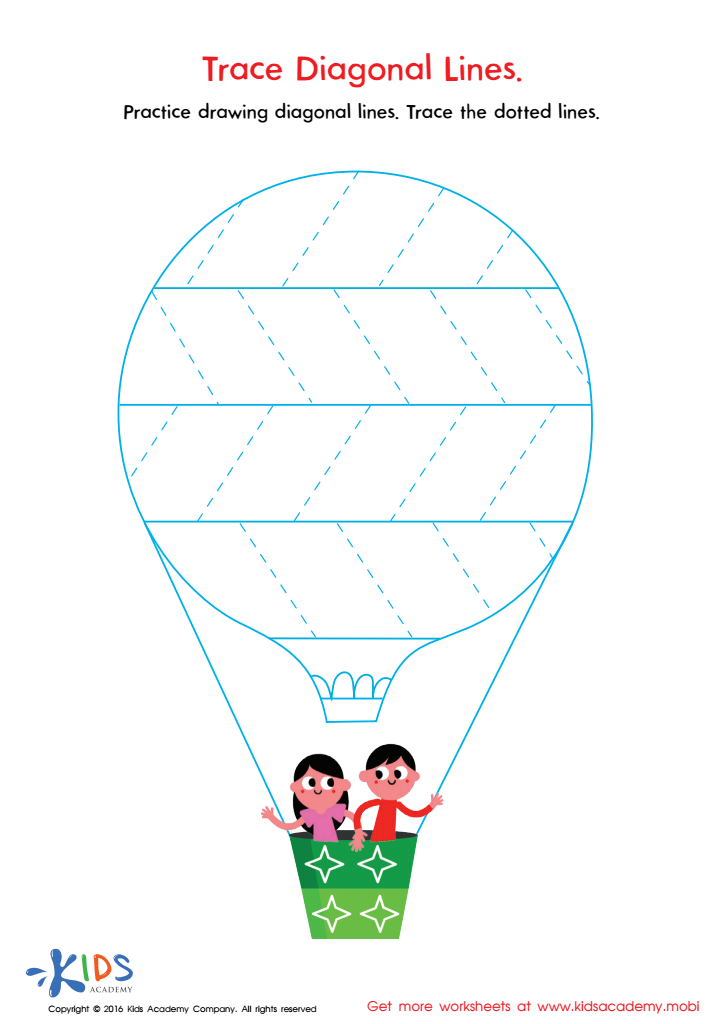
Trace Diagonal Lines Worksheet
This tracing diagonal lines worksheet offers preschoolers a great way to build fundamental skills in handwriting and drawing. Doing so helps them practice patterning, a key skill that will benefit them in writing, drawing, and math.
 Assign to My Students
Trace Diagonal Lines Worksheet
Worksheet
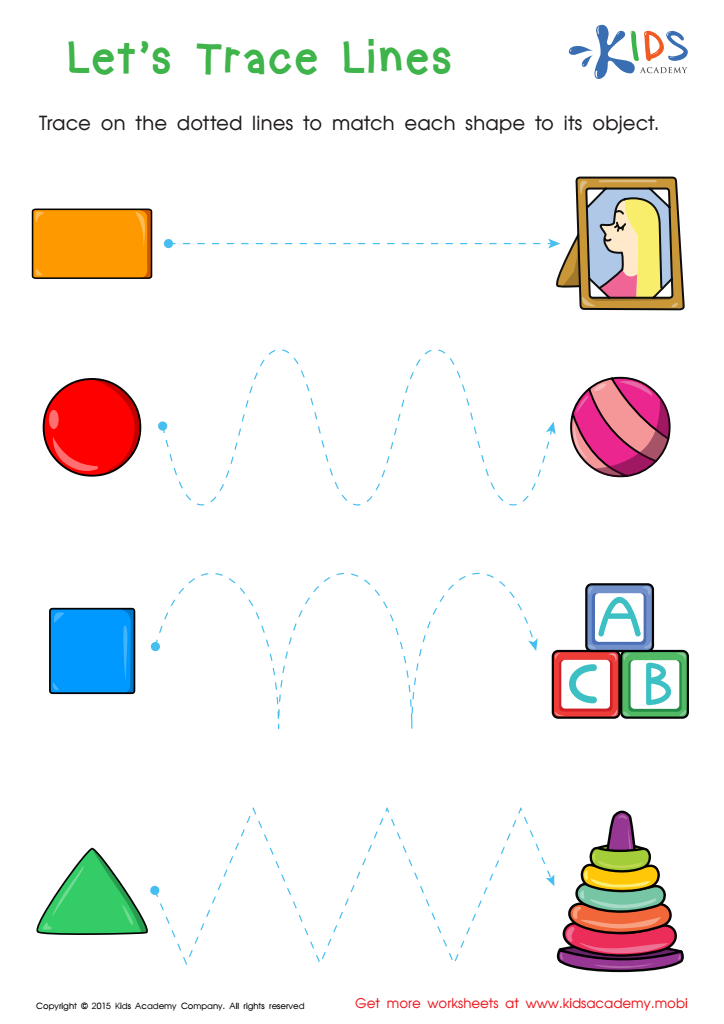
First Words: Let's Trace Lines Worksheet
Printable tracing lines for toddlers will provide your little one with the skills needed for future handwriting success. Proper grip, fine motor skills, and hand-to-eye coordination are key. Let's get their writing journey off to a great start!
First Words: Let's Trace Lines Worksheet
Worksheet
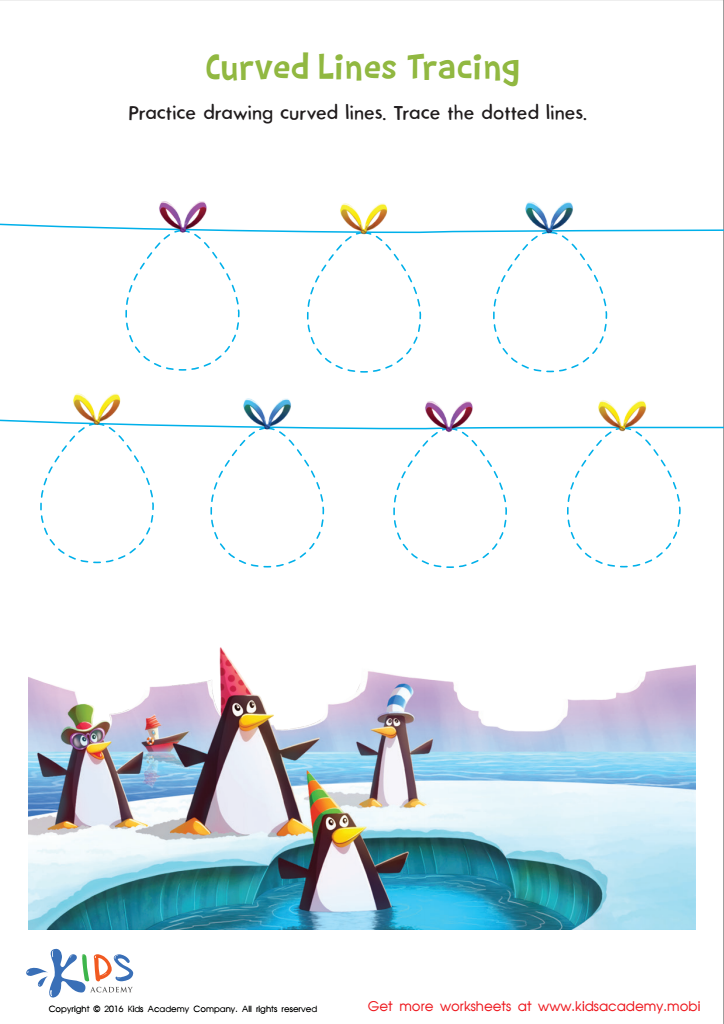
Curved Lines Tracing Worksheet
Tracing curved lines worksheets are a great way to help your child develop fine motor skills, form proper writing habits and sharpen hand-eye coordination. An adorable worksheet featuring characters from our popular app helps make practice fun! It also helps build focus, stamina and overall confidence in their writing ability. Offer your child meaningful tracing practice and give them a head start in life!
Curved Lines Tracing Worksheet
Worksheet
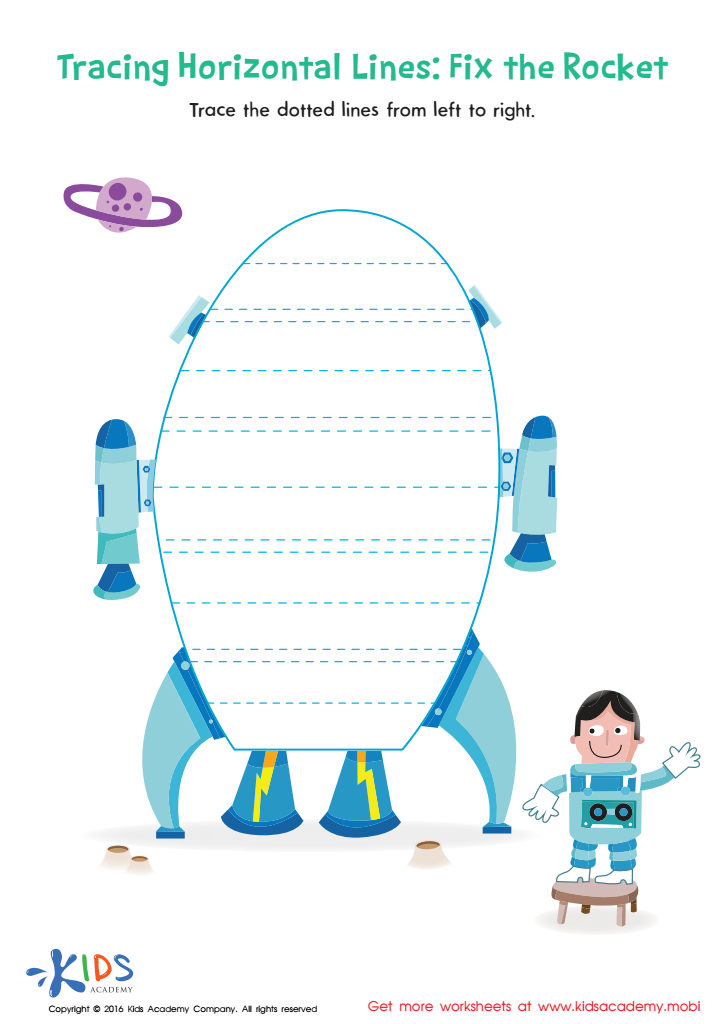
Tracing Horizontal Lines Worksheet
Your child can improve hand-to-eye coordination and pencil grip by tracing horizontal lines on this worksheet. They will have fun drawing lines on the rocket ship, tracing the dotted lines, and then coloring it in. Encourage them to keep going for even more enjoyment!
Tracing Horizontal Lines Worksheet
Worksheet
Join Kids Academy for Free
Who is primarily going to use this learning content?




Hand-eye coordination is a vital skill that develops during early childhood and plays a crucial role in a child's overall learning and motor skills. For ages 5-7, normal tracing of lines and curves serves as an essential practice to refine these coordination skills. When children engage in tracing activities, they learn to synchronize their visual perception with their hand movements, fostering precision and control.
Parents and teachers should care about this development phase because proficient hand-eye coordination is foundational for various everyday tasks, such as writing, drawing, and eventually reading. Enhanced coordination translates to improved pencil grip and control, which positively impacts a child's academic performance.
Additionally, tracing shapes and lines also contributes to cognitive development. It engages problem-solving skills, spatial awareness, and determination as kids learn to follow paths and patterns. By incorporating tracing practices into learning routines, caregivers can support not just motor skills but also boost confidence and a sense of achievement.
In summary, prioritizing hand-eye coordination through tracing activities equips children with essential skills for school readiness, fostering both their academic success and physical development as they grow.







