Spelling practice Normal Two Letter Phonics Worksheets for Ages 5-7
7 filtered results
-
From - To
Boost your child's spelling skills with our engaging Normal Two Letter Phonics Worksheets designed for ages 5-7. These educational resources help young learners master phonics and spelling by focusing on simple, two-letter combinations, making learning both easy and enjoyable. Perfect for kindergarten and early grade students, our printable worksheets encourage kids to practice tirelessly while building a strong foundation in phonetics. These worksheets are designed to engage students through fun activities that emphasize letter recognition, pronunciation, and word formation. Support your child's literacy journey with our top-quality spelling practice worksheets and watch them excel with confidence.
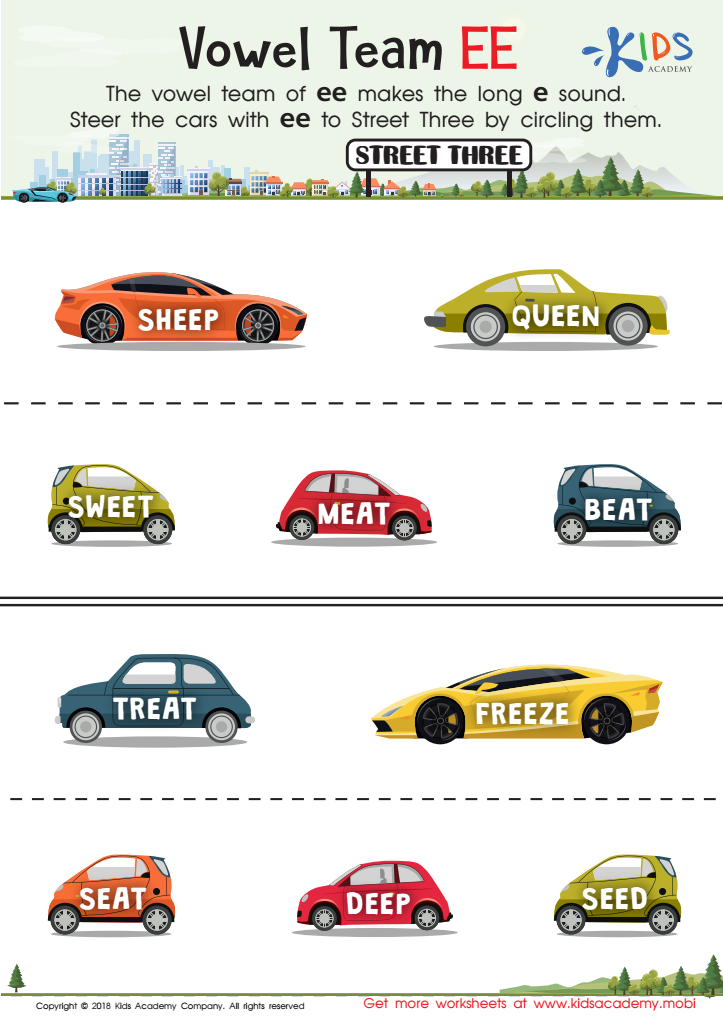
Vowel team ee Worksheet
 Assign to My Students
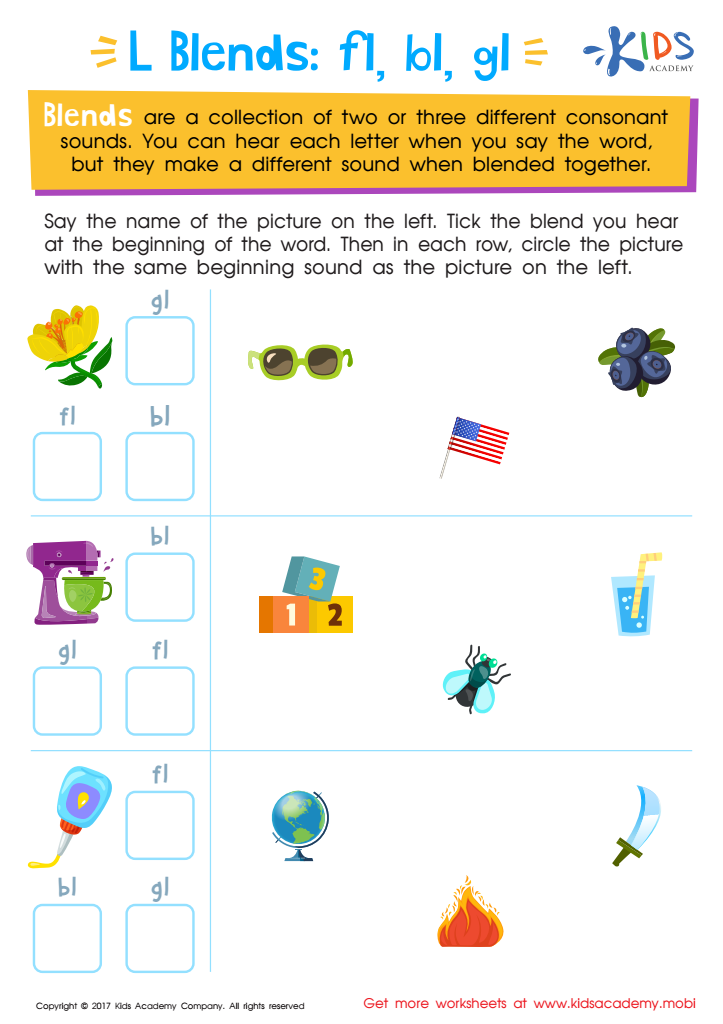
Blending Consonants: "Fl", "Bl" and "Gl" Printable
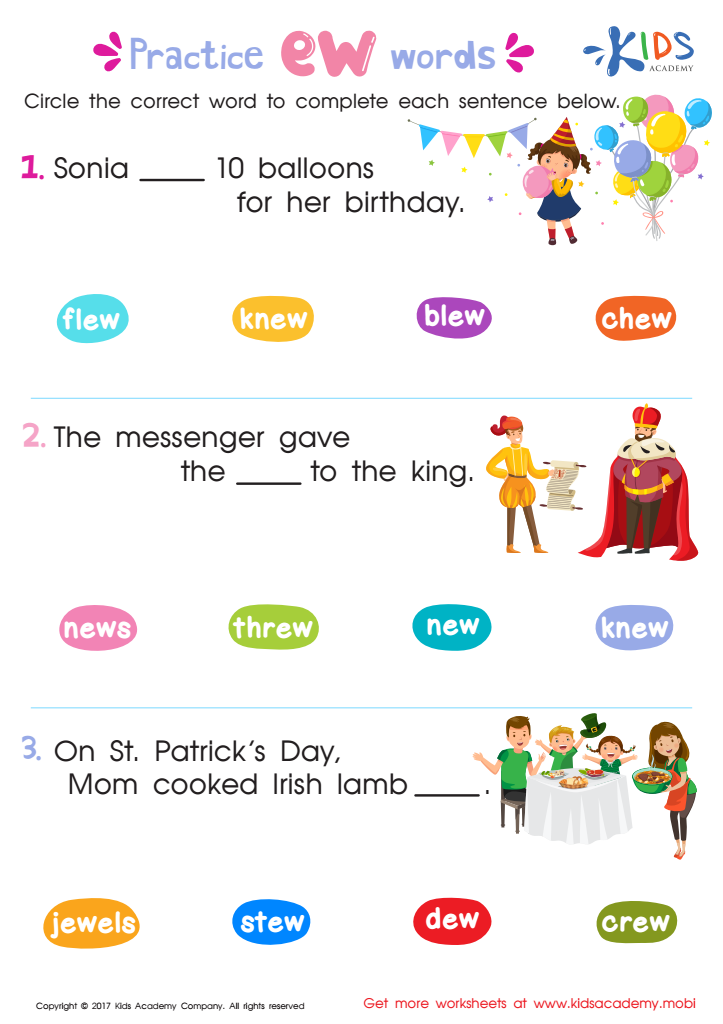
EW Words Worksheet
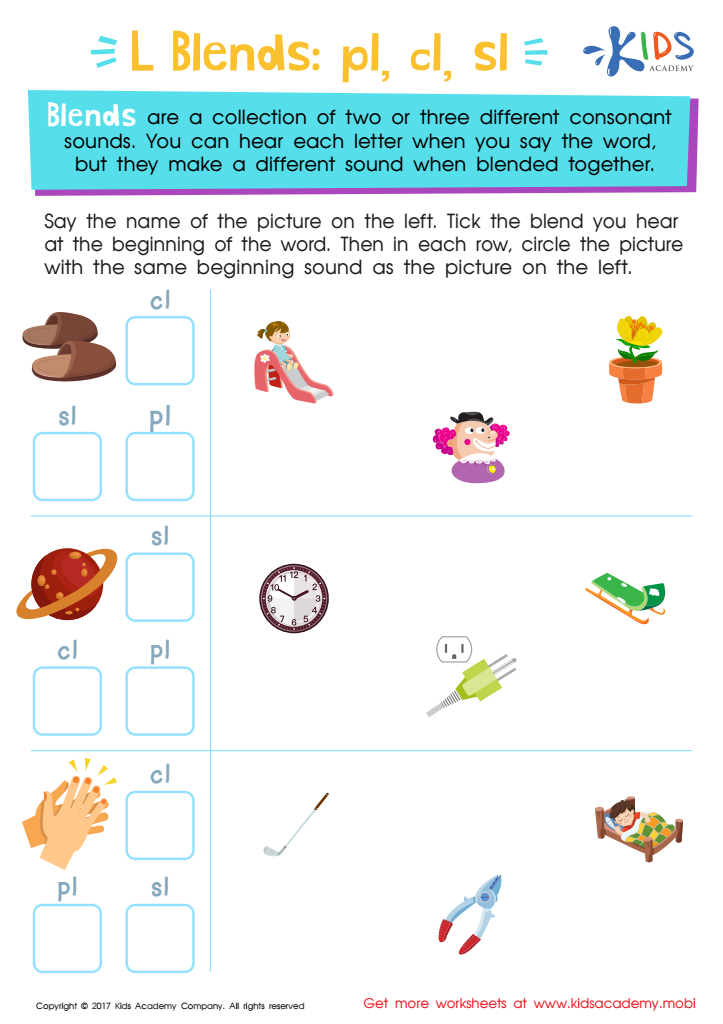
L Blends: "Pl", "Cl" and "Sl" Printable
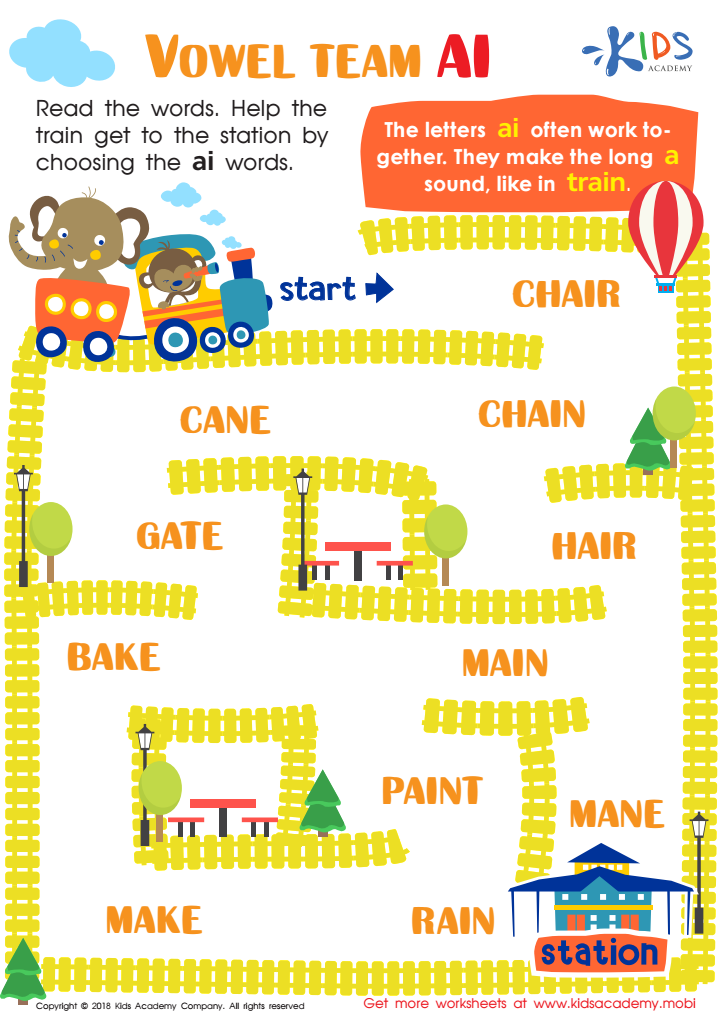
Vowel team ai Worksheet
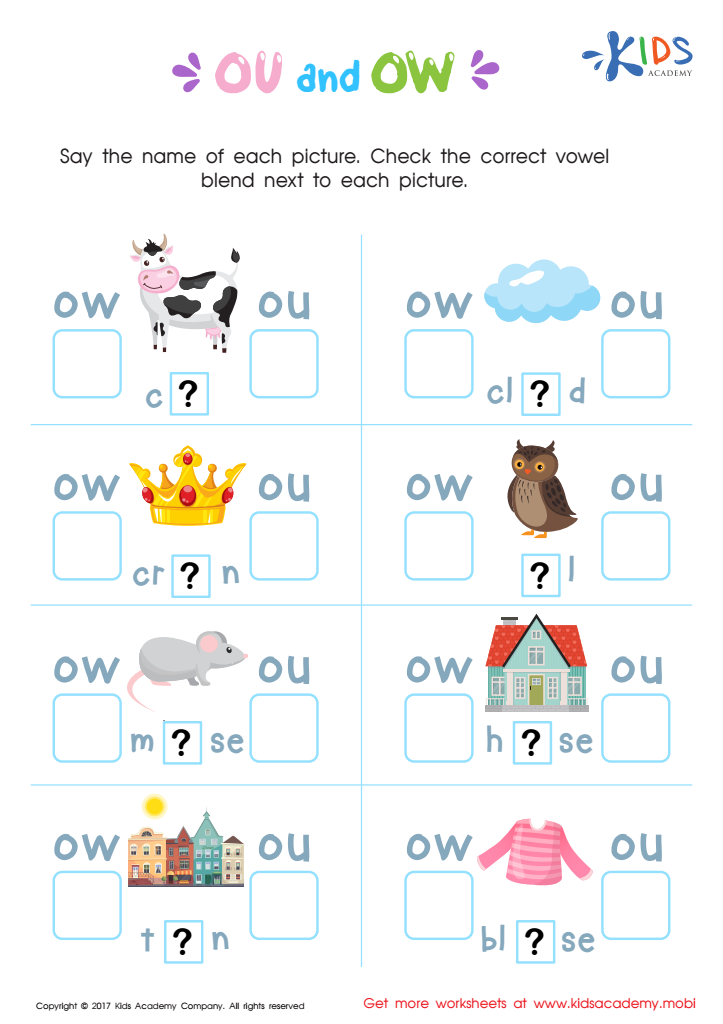
OU and OW Words Worksheet
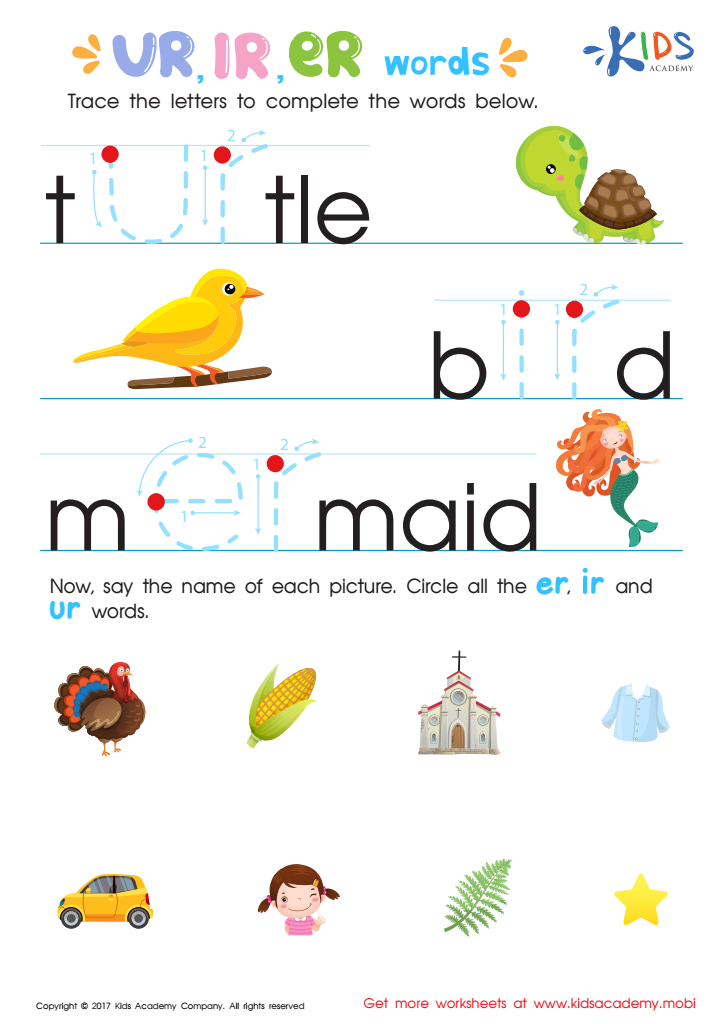
IR UR ER Words Worksheet



Parents and teachers should care about spelling practice, particularly using normal two-letter phonics for ages 5-7, as it lays the foundational building blocks for reading and writing proficiency. Children at this age are in a critical period of language acquisition. Engaging in two-letter phonics helps them understand and internalize the sounds that letters make, both individually and when combined. This practice reinforces phonemic awareness, enabling children to decode words more efficiently.
Moreover, consistent spelling practice helps children recognize patterns and sequences in language, promoting better word recall and vocabulary development. These skills are not only crucial for reading but also for overall academic achievement, as they enhance a child’s ability to comprehend and compose written text effectively.
Inclusively, teachers and parents who emphasize such basics, provide students with personalized attention, supporting early literacy goals. This effort fosters confidence, making children more eager and motivated to read and write, thus instilling a lifelong love for language.
Therefore, prioritizing spelling practice through two-letter phonics equips young learners with essential literacy tools, ensuring they are not only school-ready but also provided with a strong linguistic framework essential for future educational success. It's a critical step that can significantly affect a child's academic trajectory.






