Alphabet sequencing Normal Upper & Lowercase Letters Worksheets for Ages 5-7
4 filtered results
-
From - To
Enhance your child’s alphabet mastery with our Alphabet Sequencing Normal Upper & Lowercase Letters Worksheets, ideal for ages 5-7. These engaging and educational worksheets aid young learners in recognizing, sequencing, and differentiating between upper and lowercase letters. By incorporating vivid illustrations and interactive exercises, kids develop essential literacy skills while having fun. Perfect for both classroom and at-home learning, our downloadable PDF worksheets provide a reliable resource for teachers and parents alike. Ensure your child is on the path to reading success with tools designed to build strong foundational knowledge in an enjoyable and effective way.
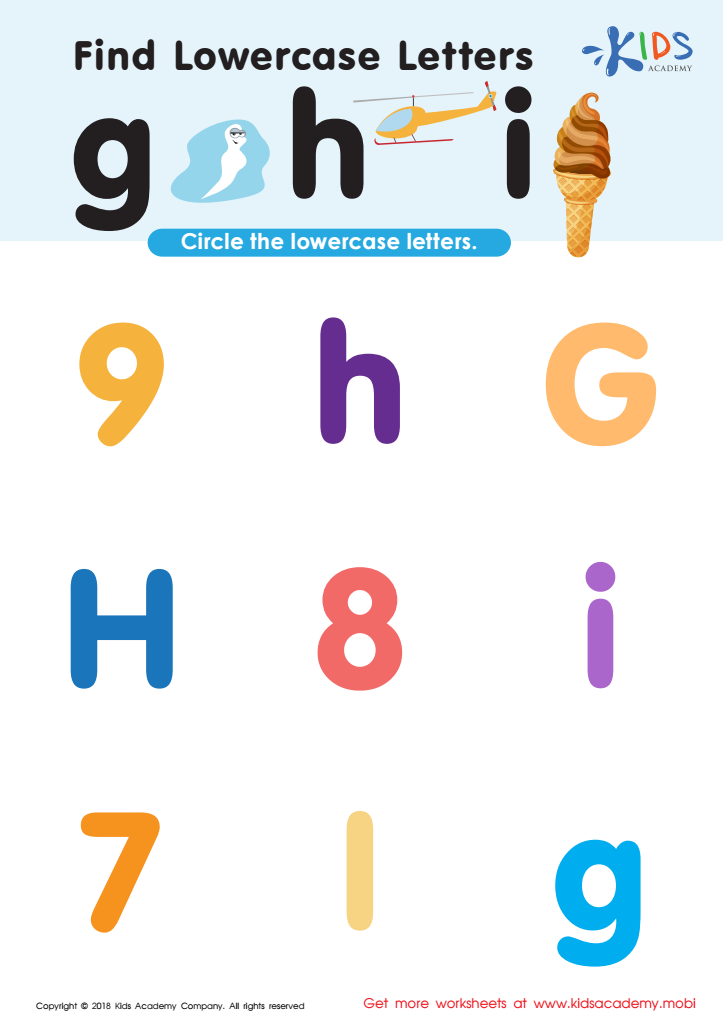
Find Lowercase Letters g h i Worksheet
 Assign to My Students

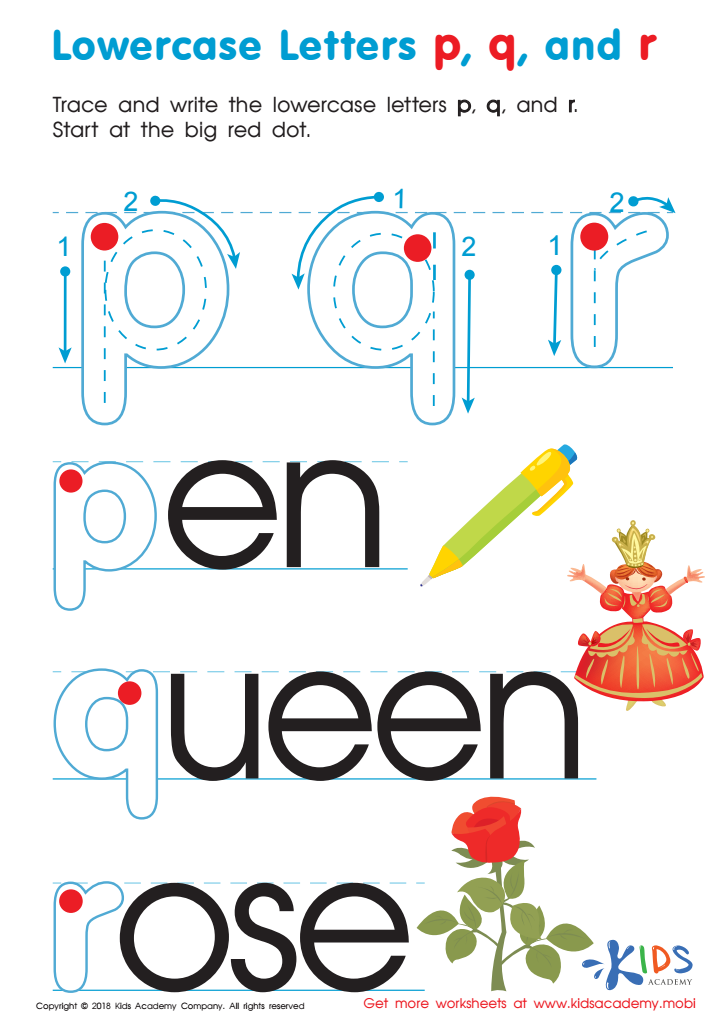
Lowercase Letters p q r Worksheet
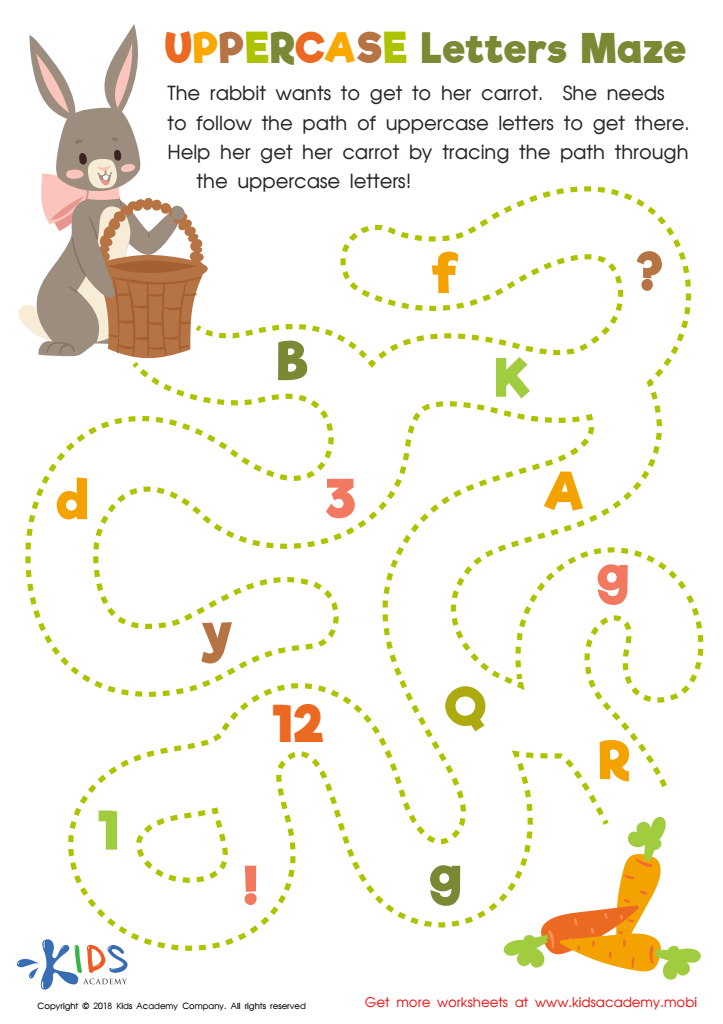
Uppercase Letters Maze Worksheet
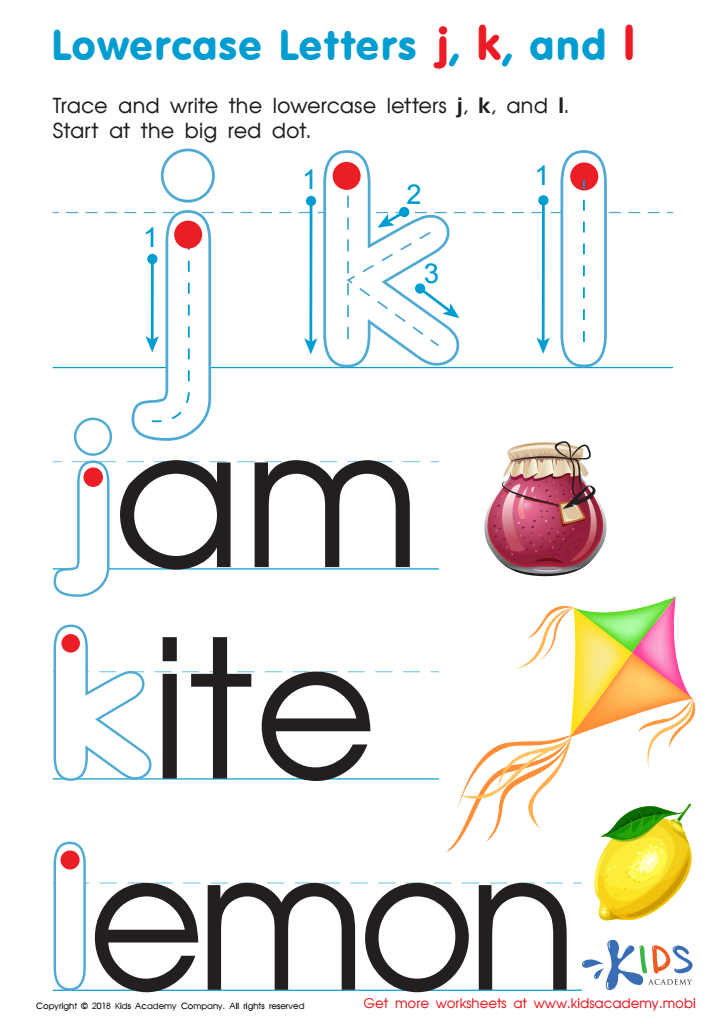
Lowercase Letters j k l Worksheet






Alphabet sequencing of normal upper and lowercase letters is a fundamental building block for young children aged 5-7. This skill is essential because it serves as the foundation upon which literacy and language development are built. At this age, children are in the critical stages of recognizing letters, understanding their order, and differentiating between uppercase and lowercase forms.
First, sequencing the alphabet helps to solidify the child's letter recognition. Recognizing individual letters is the first step to reading. When children can sequence the alphabet, they are more likely to recognize letters efficiently in isolation and within words.
Second, knowing the sequence improves the child's understanding of alphabetical order, which is useful beyond just learning to read. This skill is practically applied in everyday tasks like looking up words in a dictionary, using an index, or organizing any kind of alphabetical information.
Upper and lowercase differentiation is also crucial. Many lowercase letters look like simplified versions of uppercase letters, but some look entirely different (e.g., 'a' vs. 'A'). Mastery of both assists with smooth transitioning into reading print, where lowercase letters are more common.
Overall, alphabet sequencing lays a foundation not just for reading and writing, but also for future academic and organizational skills, making it a vital competency for parents and teachers to nurture in young learners.







