Alphabet understanding Normal Upper & Lowercase Letters Worksheets for Ages 5-7
3 filtered results
-
From - To
Help young learners master the alphabet with our engaging "Alphabet Understanding: Normal Upper & Lowercase Letters Worksheets" designed for ages 5-7. These printable worksheets provide a fun and educational way to enhance letter recognition, understanding of letter cases, and writing skills. Each activity is crafted to reinforce the relationship between uppercase and lowercase letters, while boosting confidence. Ideal for classrooms or at-home learning, these resources ensure that children enjoy a solid foundation in literacy. Explore our comprehensive collection to support your child's journey in becoming a proficient reader and writer today!
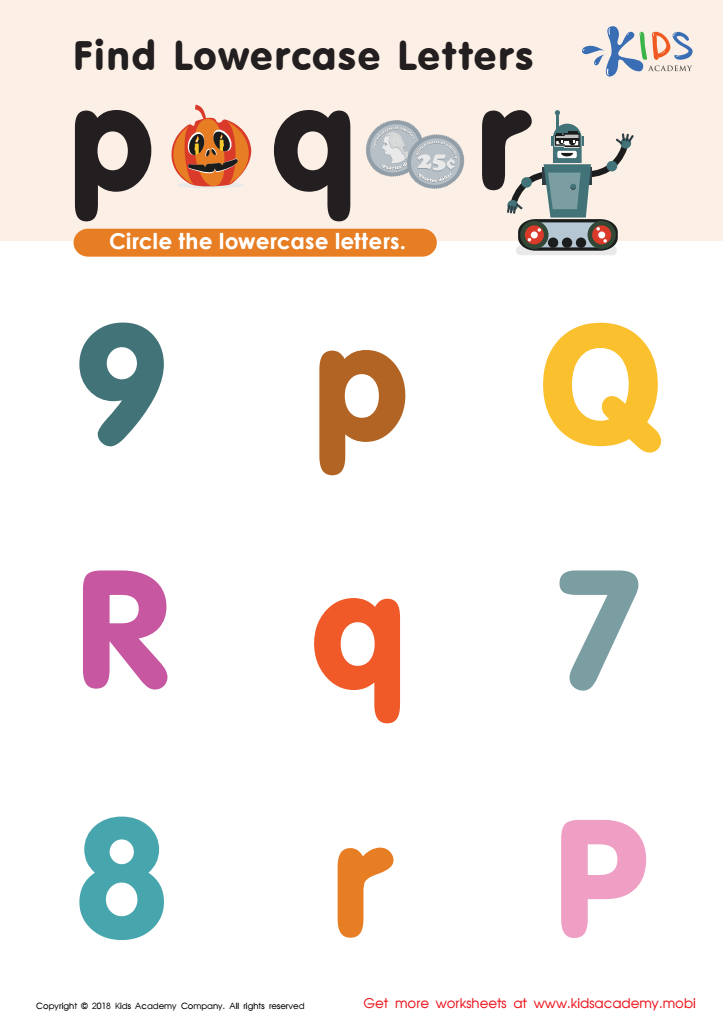
Find lowercase Letters p q r Worksheet
 Assign to My Students
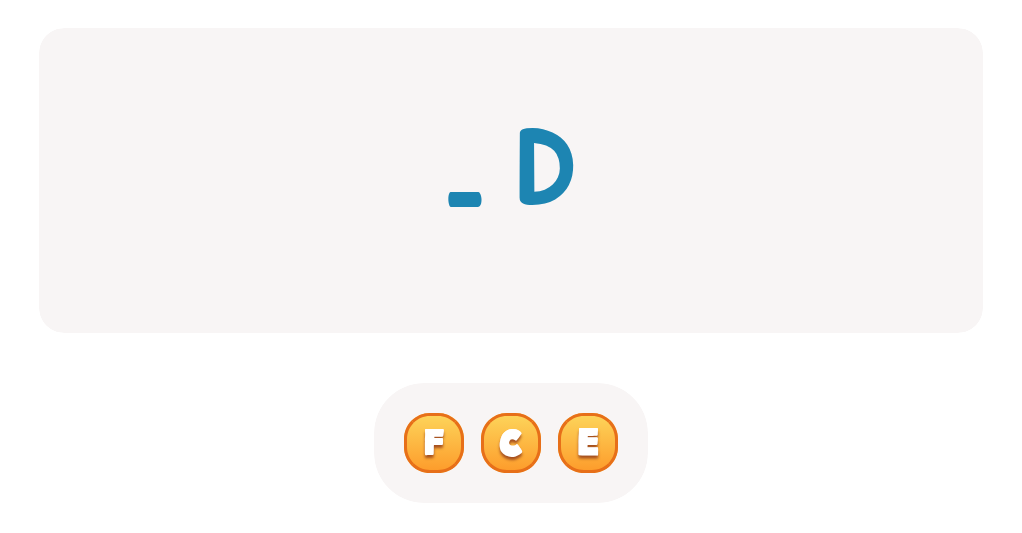

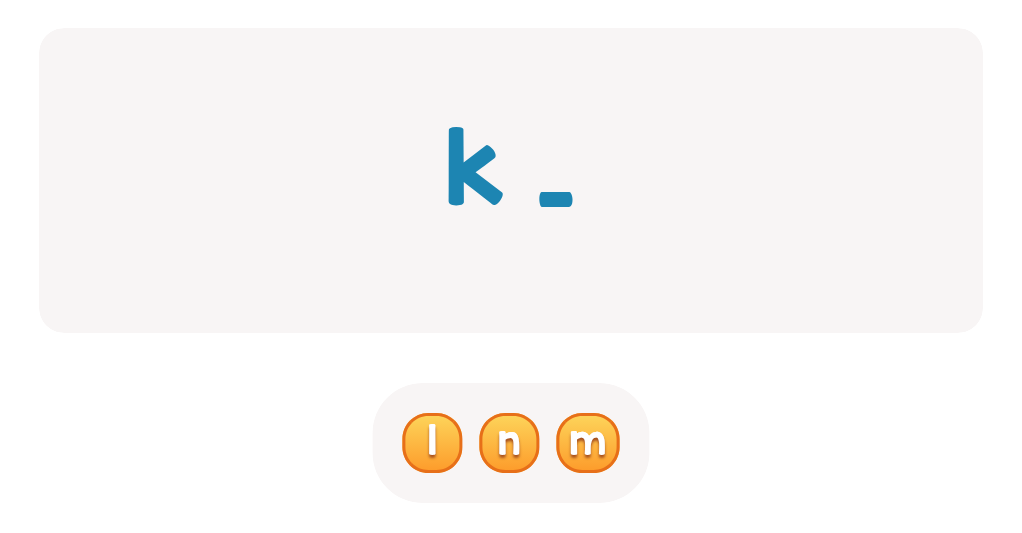
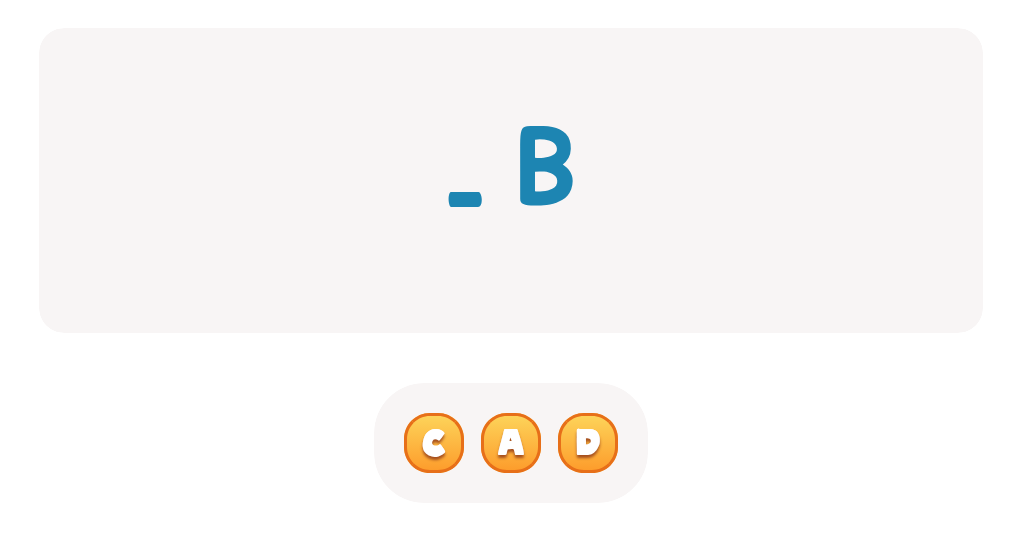
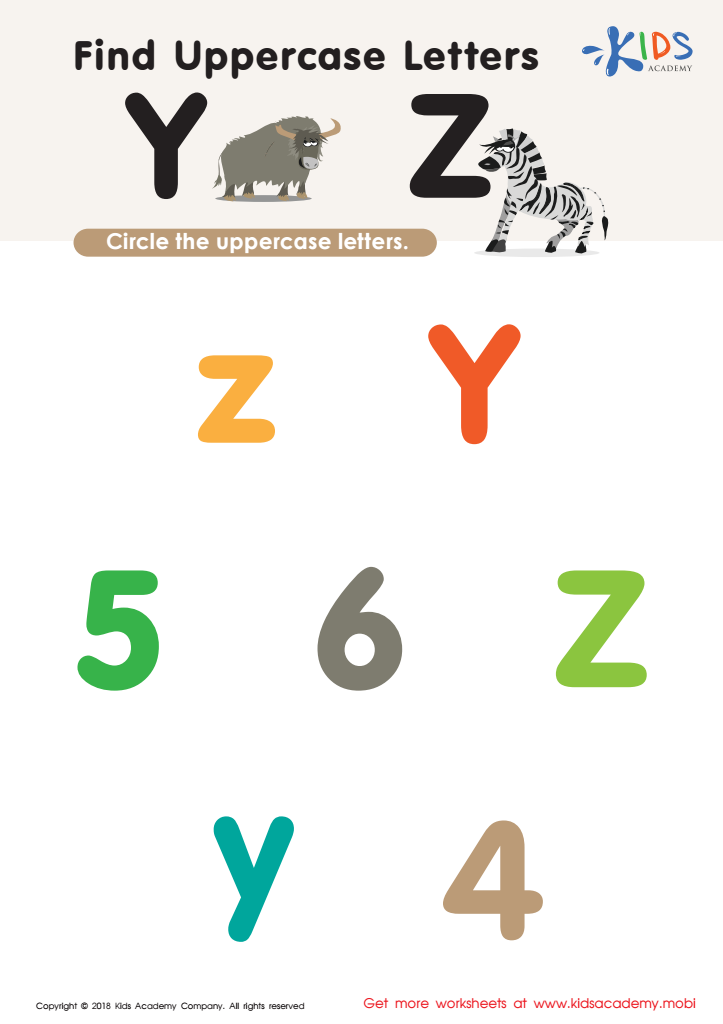
Find Uppercase Letters Y Z Worksheet

Find lowercase letters a b c Worksheet






Understanding the alphabet, including both uppercase and lowercase letters, is a fundamental milestone for children aged 5-7. This age range, corresponding to kindergarten and early elementary years, is critical for setting the foundation for later reading and writing skills. Parents and teachers should prioritize this learning phase because it ensures children are familiar with the building blocks of language, including recognition, pronunciation, and formation of individual letters.
Mastery of both uppercase and lowercase letters facilitates smoother transitions to reading, as texts typically use small letters predominantly. Early comprehension aids in recognizing the differences between little 'a' and big 'A', thus reducing confusion. Moreover, it supports better handwriting development by helping children know which form to use in different contexts — capital letters at the start of sentences and names, lowercase for the majority of text.
Early mastery of alphabetic characters ultimately boosts children's confidence and enjoyment in literacy activities. Consistent support from parents or teachers in engaging, fun ways, like personalized learning games and storytelling, reinforces this learning. Therefore, focusing on understanding uppercase and lowercase letters helps children become more competent readers and writers, thereby setting a strong educational foundation for future academic success.







