Fine motor skills development Normal Upper & Lowercase Letters Worksheets for Ages 5-7
3 filtered results
-
From - To
Our "Fine Motor Skills Development Normal Upper & Lowercase Letters Worksheets" cater to kids aged 5-7, providing essential practice for mastering handwriting. Designed to engage young learners, these worksheets enhance fine motor skills by guiding them through the formation of both upper and lowercase letters. Each worksheet is structured to make learning fun and effective, helping children to improve penmanship, hand-eye coordination, and grip control. Perfect for home or classroom use, these activities lay a strong foundation in literacy and motor development, giving young students the skills they need to succeed in writing and beyond.
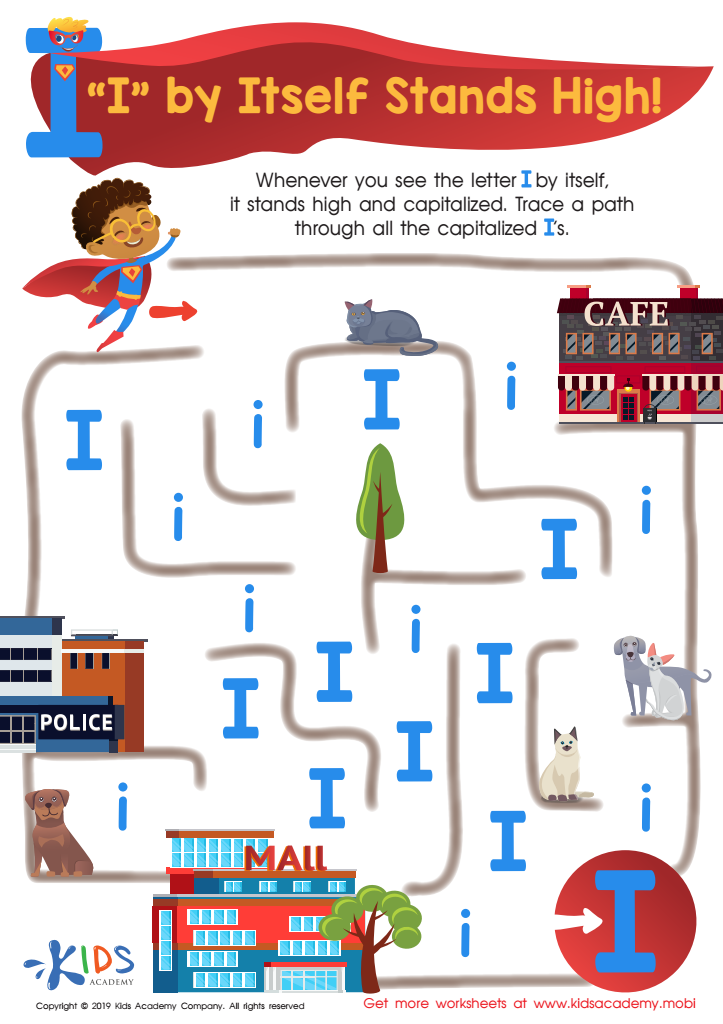
I Stands High Worksheet
 Assign to My Students






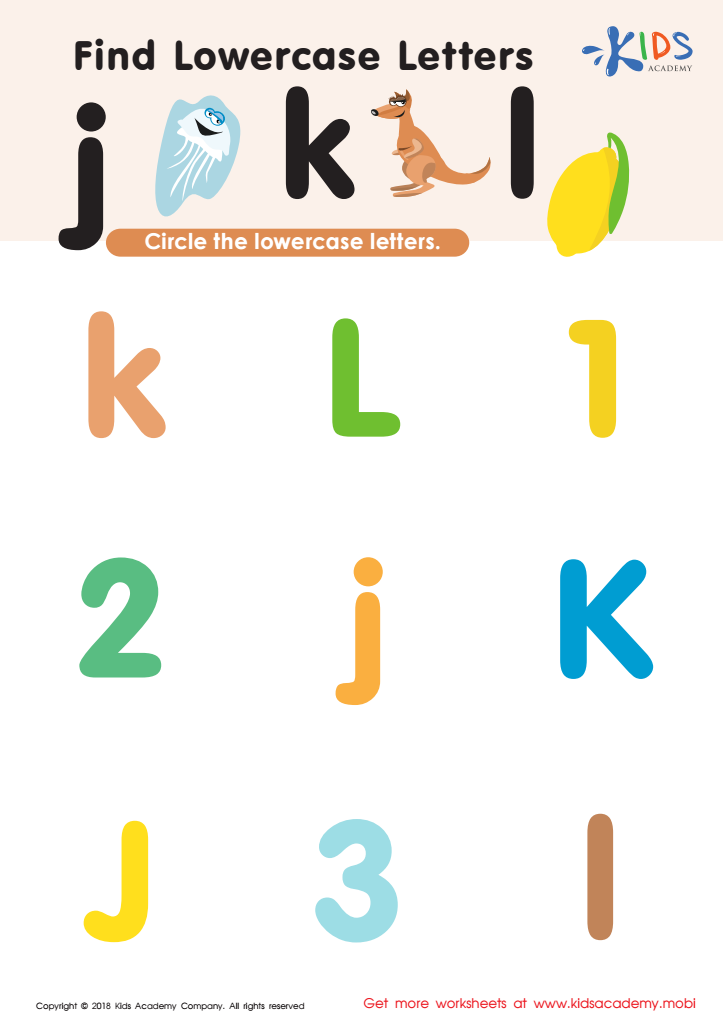
Find Lowercase Letters j k l Worksheet
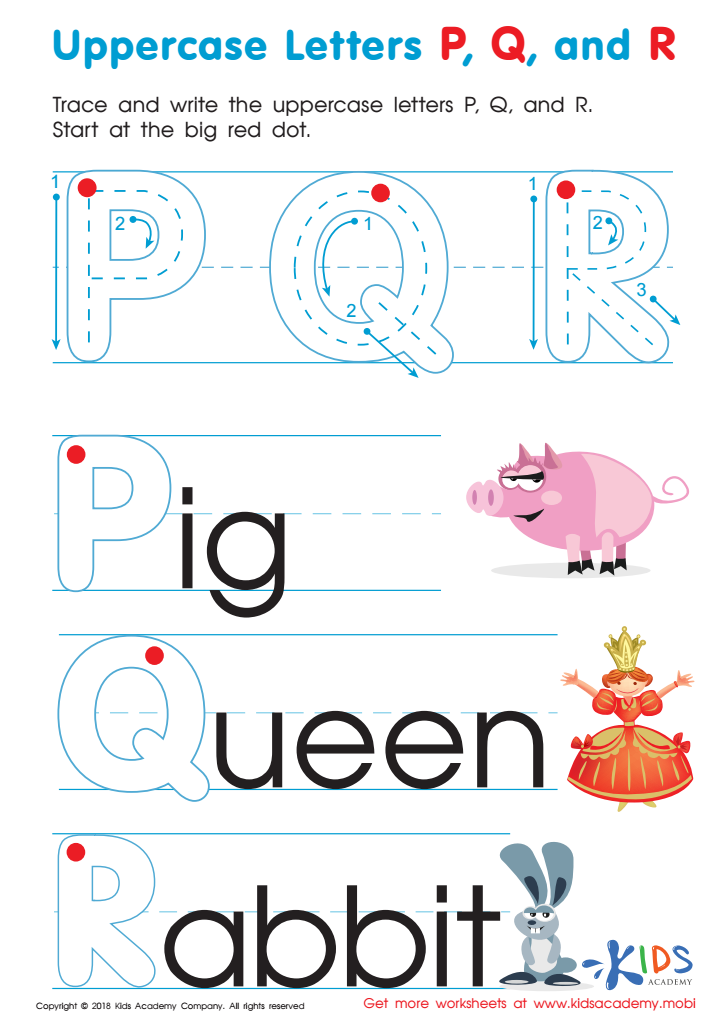
Uppercase Letters P, Q, and R Worksheet






Fine motor skills development is crucial for children aged 5-7 as it forms the foundation for future academic and life successes. These skills involve the coordination of small muscles, particularly in the hands and fingers, used through activities such as writing, using scissors, and buttoning clothes. Focusing on refining these traits enables children to perform essential daily tasks with independence.
One of the primary milestones in this age group is mastering the ability to write both uppercase and lowercase letters normally. Writing underpins almost all examples of academic work. Enabling a child to write legibly and correctly enhances their ability to complete writing assignments, follow classroom activities, and even undertake tests effectively, instilling a sense of achievement and confidence.
Moreover, proficient fine motor skills support cognitive development; they are linked to literacy skills in that students who can write well are more likely to engage in reading and storytelling. Furthermore, an early focus on motor skill development and accurate letter formation can prevent frustration and negative attitudes towards learning, fostering a positive educational experience from the start.
Thus, teachers and parents who prioritize fine motor skills and proper letter formation are investing in a child's overall academic growth, boosting their confidence, autonomy, and lifelong learning abilities.







