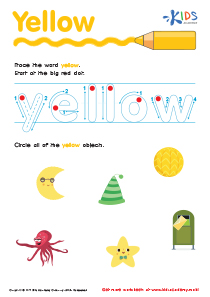
Motor skills development Normal English for Beginners Worksheets for Ages 5-7
3 filtered results
-
From - To
Boost your child's motor skills and language abilities with our "Motor Skills Development Normal English for Beginners Worksheets for Ages 5-7." Designed for young learners, these engaging worksheets focus on enhancing fine motor skills essential for writing, cutting, and coloring. Each activity helps children practice basic English while developing coordination and dexterity. Perfect for English as a Second Language (ESL) students, these age-appropriate exercises make learning enjoyable and effective. Give your child the foundation they need to succeed in writing and speaking English with fun, interactive worksheets tailored for their developmental stage.

Letter H Tracing Page
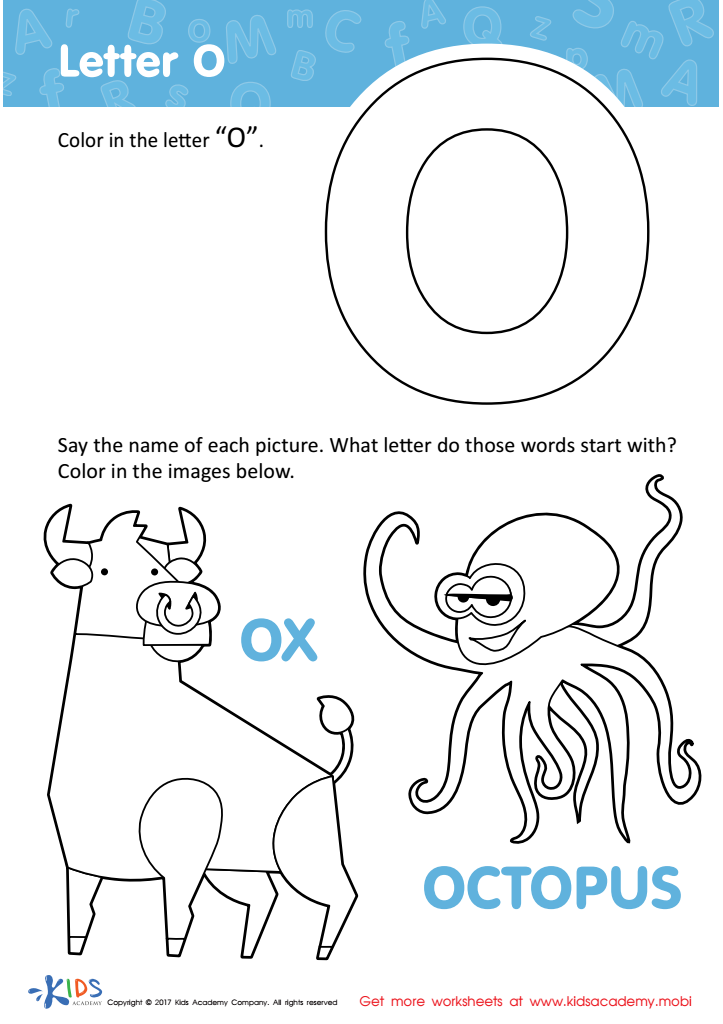
Letter O Coloring Sheet
 Assign to My Students
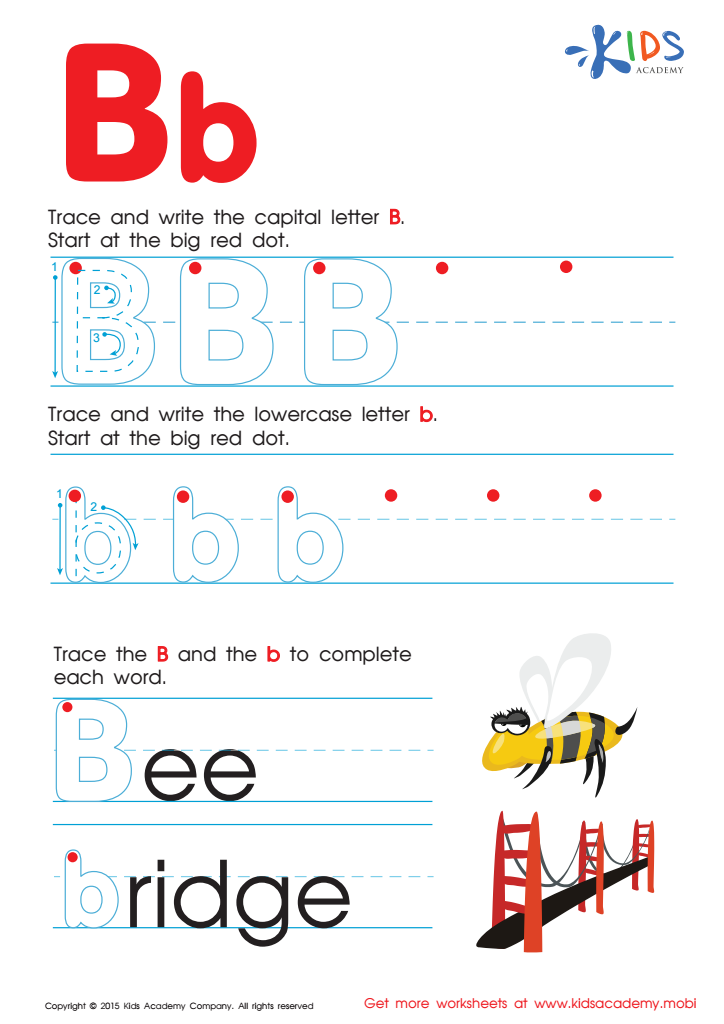
Letter B Tracing Page




Motor skills development is super important for young kids, ages 5-7, because it affects their overall growth and learning. There are two types of motor skills: fine and gross. Fine motor skills involve small movements like holding a pencil or buttoning a shirt, while gross motor skills involve bigger actions like running or jumping.
When children develop strong motor skills, they can handle everyday tasks better, making them feel more confident and independent. For example, being able to cut with scissors or tie their shoelaces helps boost their self-esteem.
Motor skills are also closely linked to cognitive development. Activities that involve motor skills, like playing with playdough or climbing on a playground, often require kids to solve problems and think creatively. These activities stimulate brain power, making kids better learners.
Additionally, good motor skills contribute to physical health. Running, jumping, and playing tag help keep children active and fit, reducing the risk of obesity and related health problems.
Teachers and parents play a key role in helping kids develop these skills. They can provide fun and educational activities to practice motor skills, like coloring, puzzles, or races. Simply put, focusing on motor skills makes kids healthier, smarter, and happier.