Spelling practice Normal English for Beginners Worksheets for Ages 5-7
10 filtered results
-
From - To
Boost your child's early literacy skills with our "Spelling Practice Normal English for Beginners" worksheets, tailored for ages 5-7. These engaging activities help young learners develop fundamental English spelling proficiency through fun and interactive exercises. Created to support budding readers and writers, the worksheets incorporate colorful illustrations and simple words to make learning enjoyable and effective. Each worksheet is designed by educational experts to ensure quality and adherence to learning standards, making it an ideal resource for teachers and parents alike. Give your child a head start in spelling and build a strong foundation in English today!
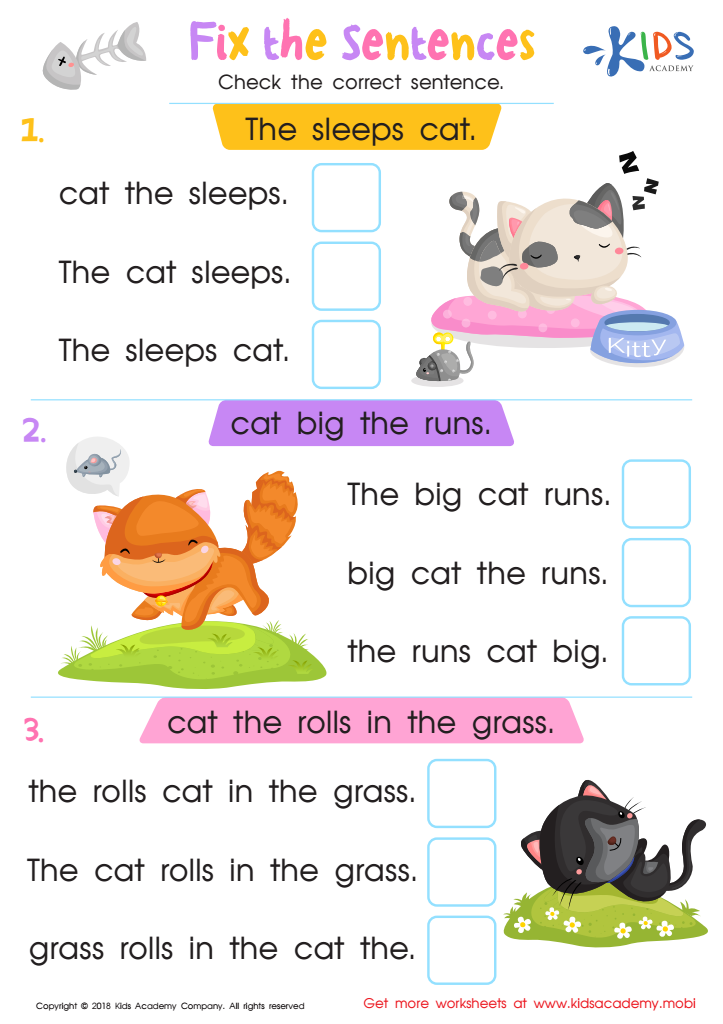
Fix the Sentences Worksheet
 Assign to My Students
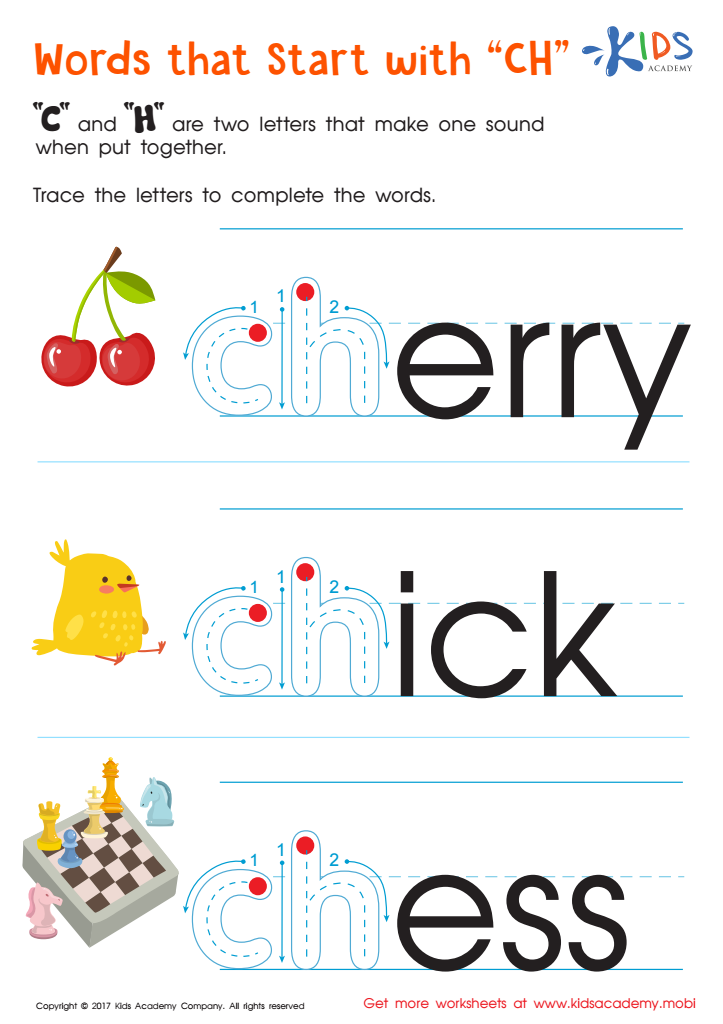
Words That Start with "ch" Spelling Worksheet
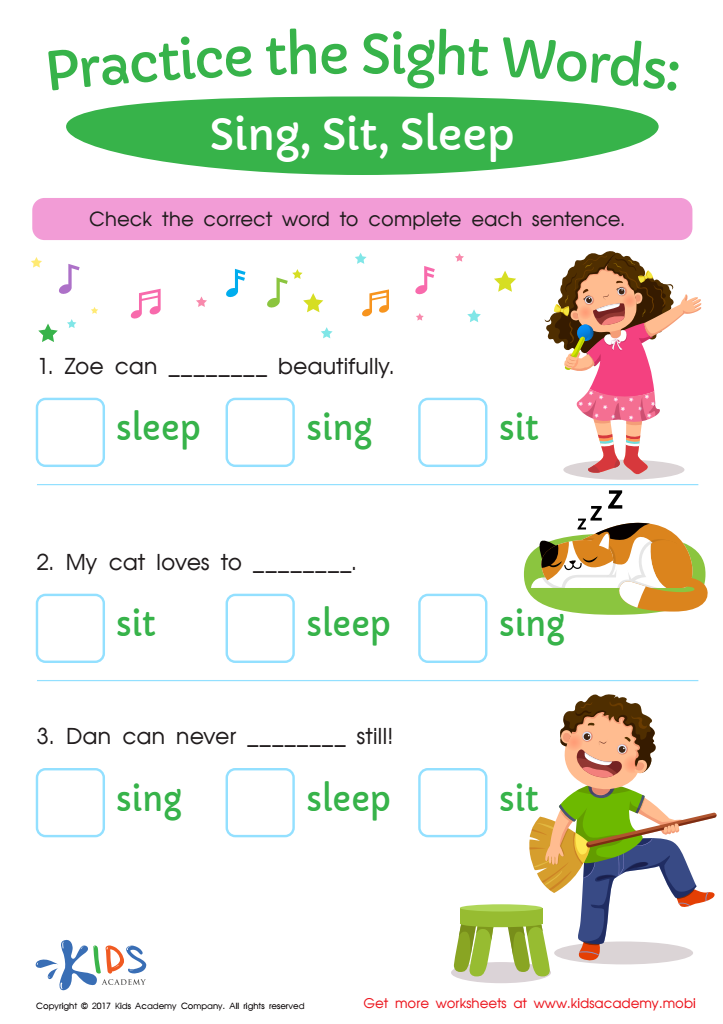
Sing, Sit, Sleep Sight Words Worksheet
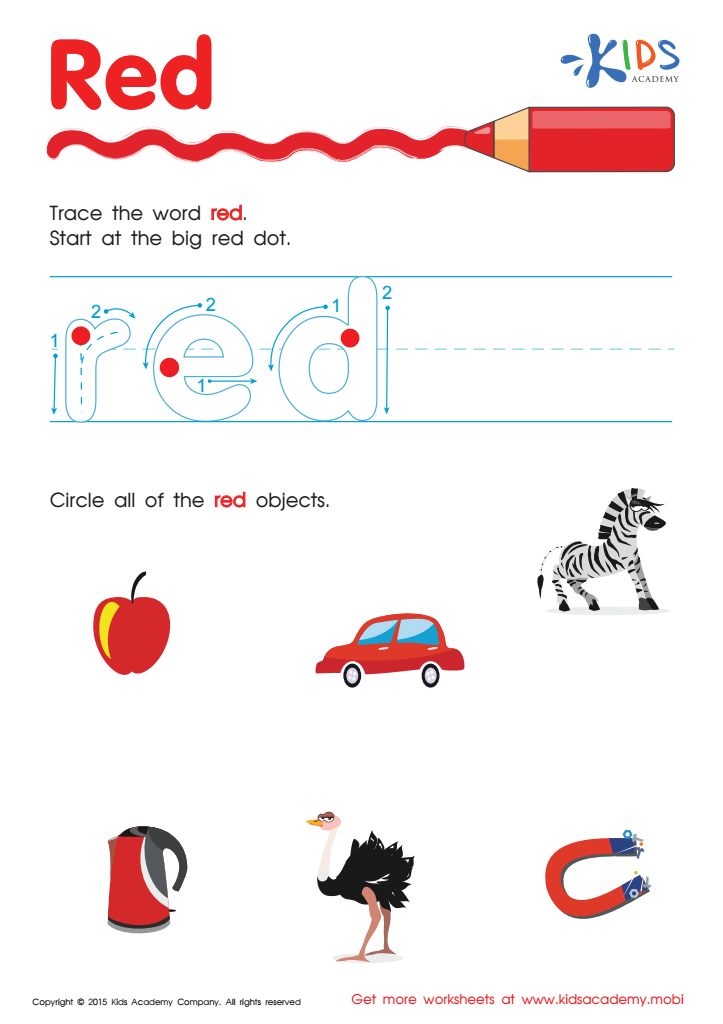
Red Tracing Color Words Printable
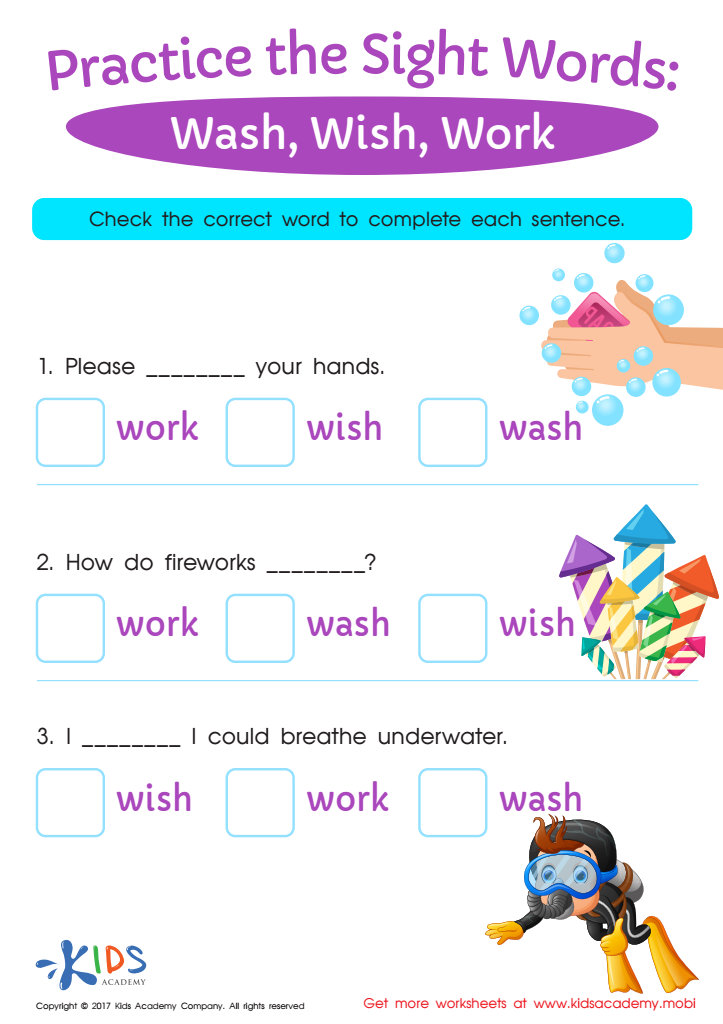
Wash, Wish, Work Sight Words Worksheet
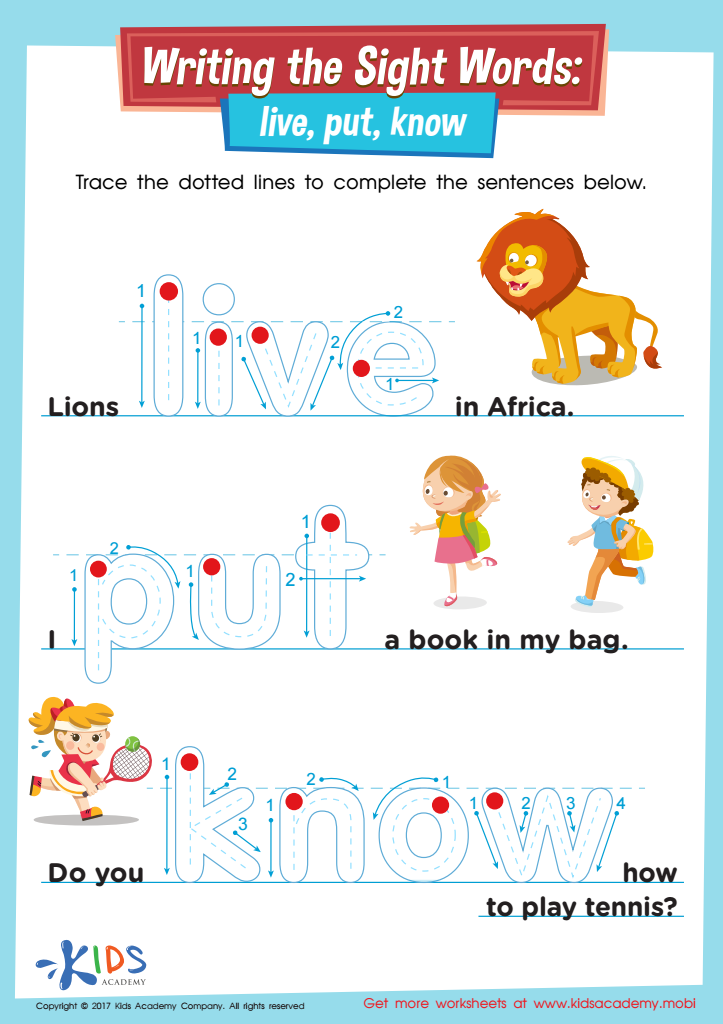
Live, Put, Know Printable Sight Words Worksheet
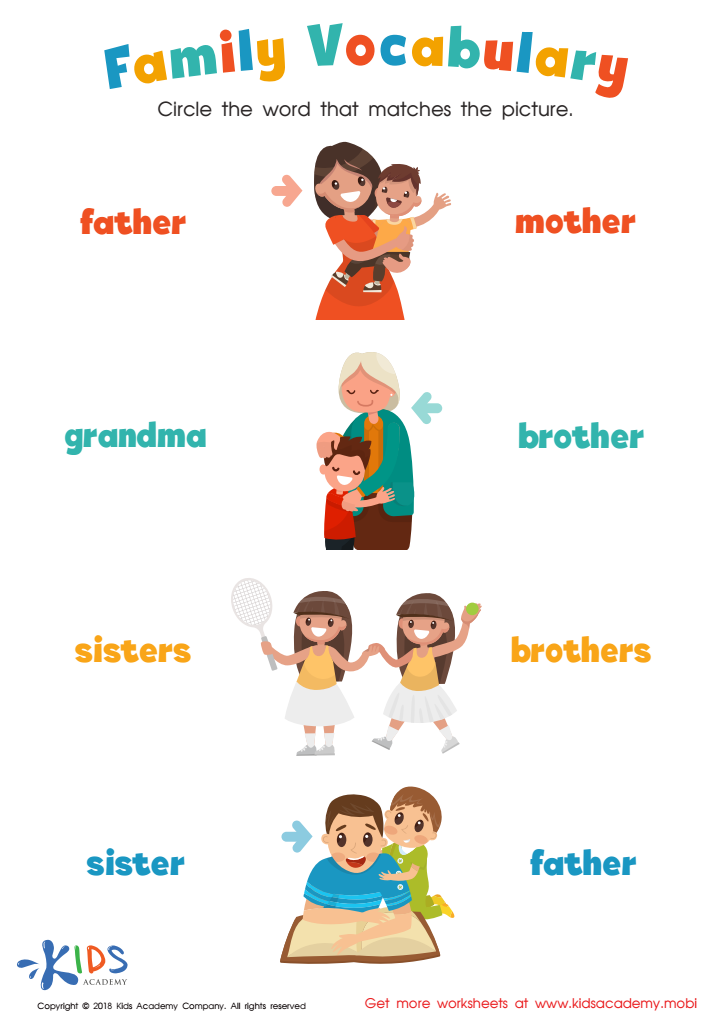
Family Vocabulary Worksheet
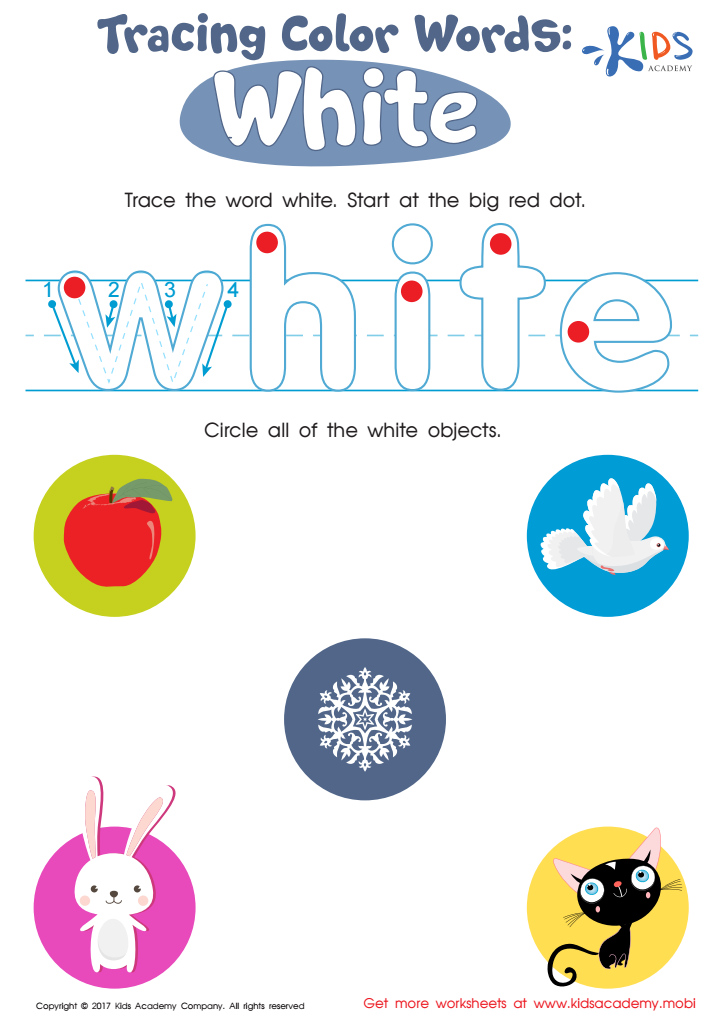
White Tracing Color Words Worksheet
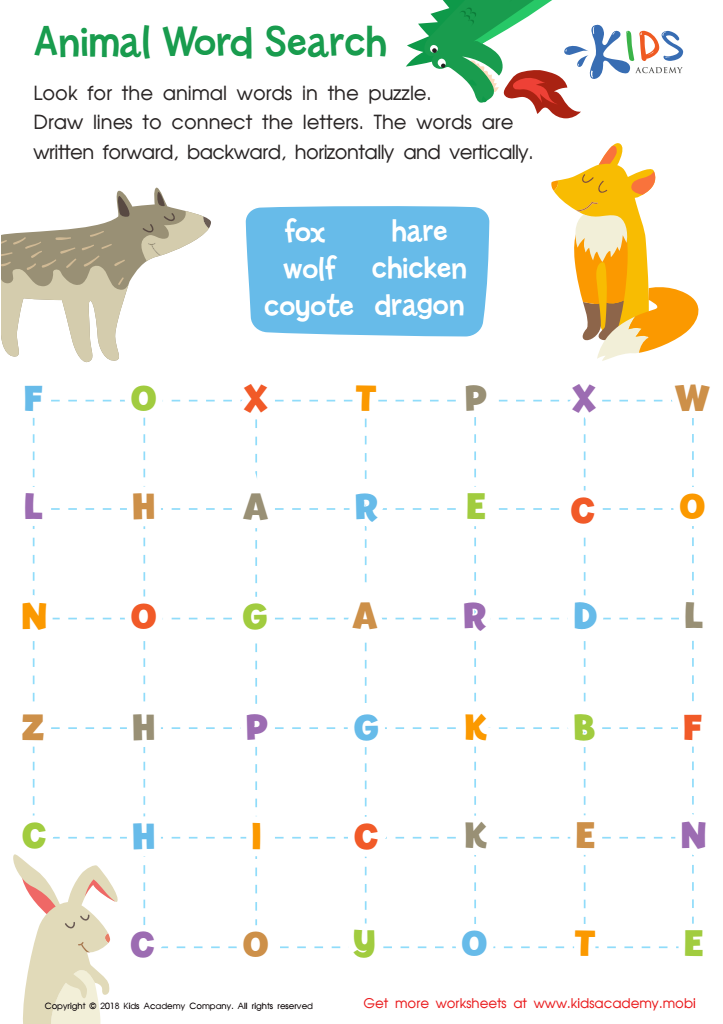
Animal Word Search Worksheet
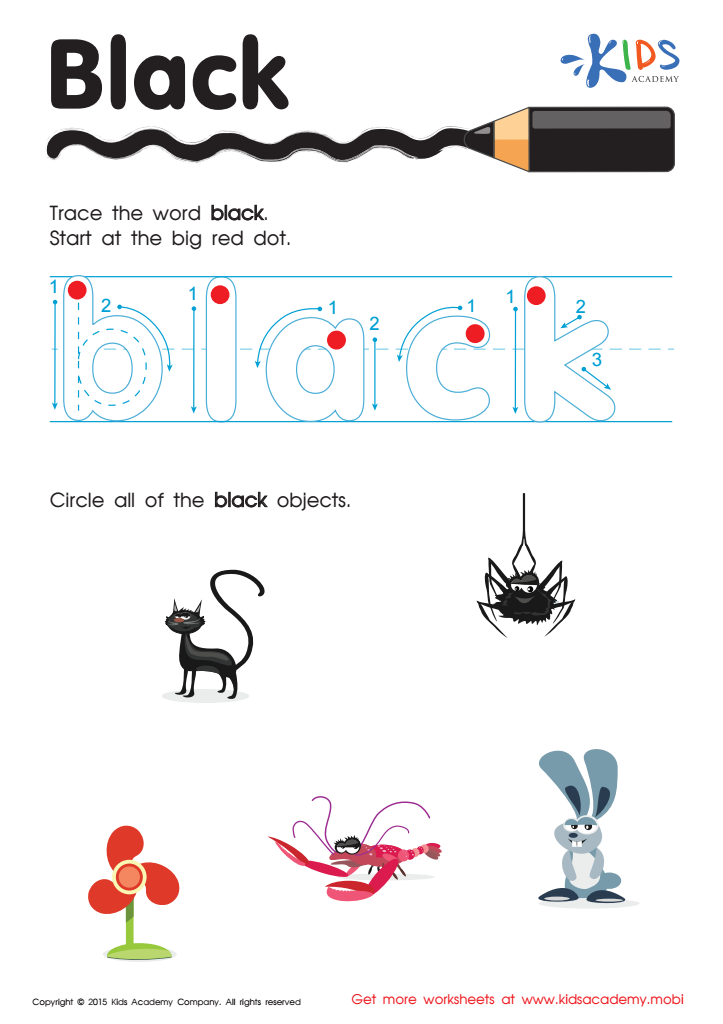
Black Tracing Color Words Printable





Spelling practice in early childhood education is essential for ages 5-7 as it lays a critical foundation for overall literacy and academic success. At this developmental stage, children's brains are highly receptive to language acquisition. Spelling practice helps strengthen their understanding of phonics, which is the relationship between sounds and their corresponding letters. This understanding is a cornerstone for reading fluency and comprehension, crucial skills for academic achievement across all subjects.
For parents and teachers, engaging children in regular spelling activities can significantly enhance their vocabulary and writing skills. Well-chosen, age-appropriate spelling words expose children to new words and concepts, expanding their lexicon. Furthermore, spelling exercises boost cognitive abilities such as memory and pattern recognition. Children also learn essential life skills like perseverance and attention to detail while practicing spelling.
Moreover, mastering basic spelling at an early age builds children's confidence. Children who can spell words correctly tend to read more easily, write more fluently, and participate more eagerly in classroom activities, creating a positive feedback loop that fosters a love for learning. Therefore, investing time in spelling practice not only aligns well with educational standards but also plays a pivotal role in shaping a child's long-term language skills and academic trajectory.