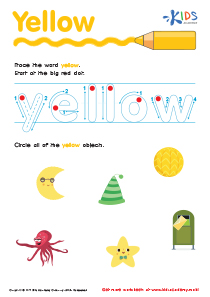
Writing practice Normal English for Beginners Worksheets for Ages 5-7
6 filtered results
-
From - To
Looking to help your little one begin their English writing journey? Our "Writing Practice Normal English for Beginners Worksheets for Ages 5-7" are perfect for young learners taking their first steps in writing. These engaging, printable activities are designed to develop basic literacy skills, focusing on letter formation, simple words, and fundamental sentence structures. Tailored for early grade students and ideal for both classroom and home use, our worksheets make learning enjoyable while building a solid foundation in the English language. Encourage creativity, boost confidence, and make writing practice fun with our expertly crafted resources.
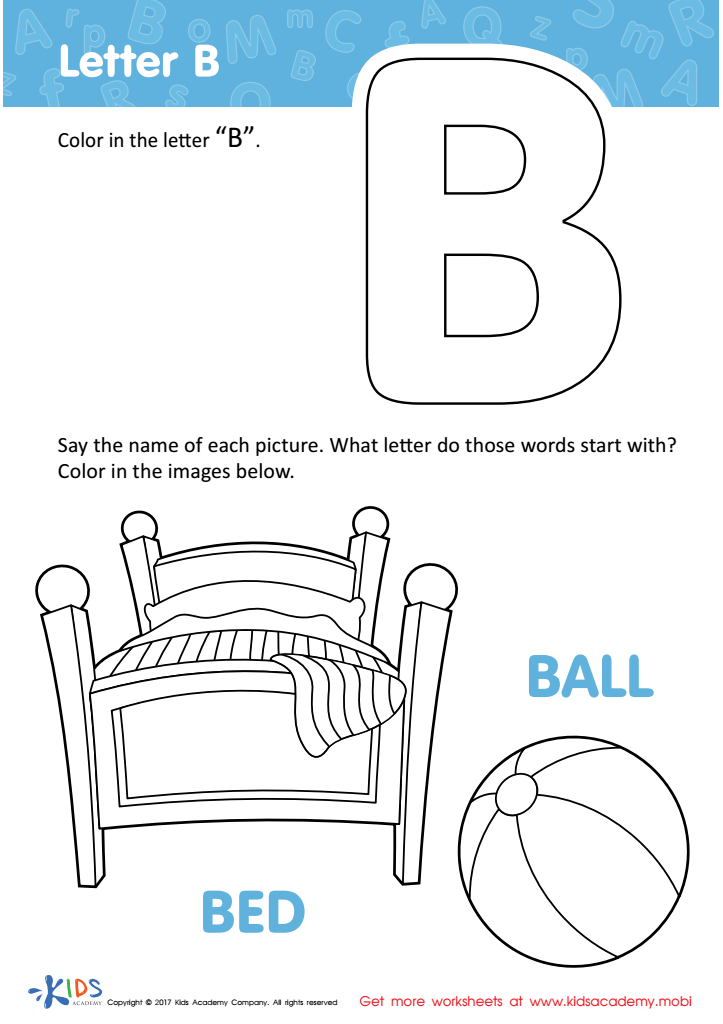
Letter B Coloring Sheet
 Assign to My Students
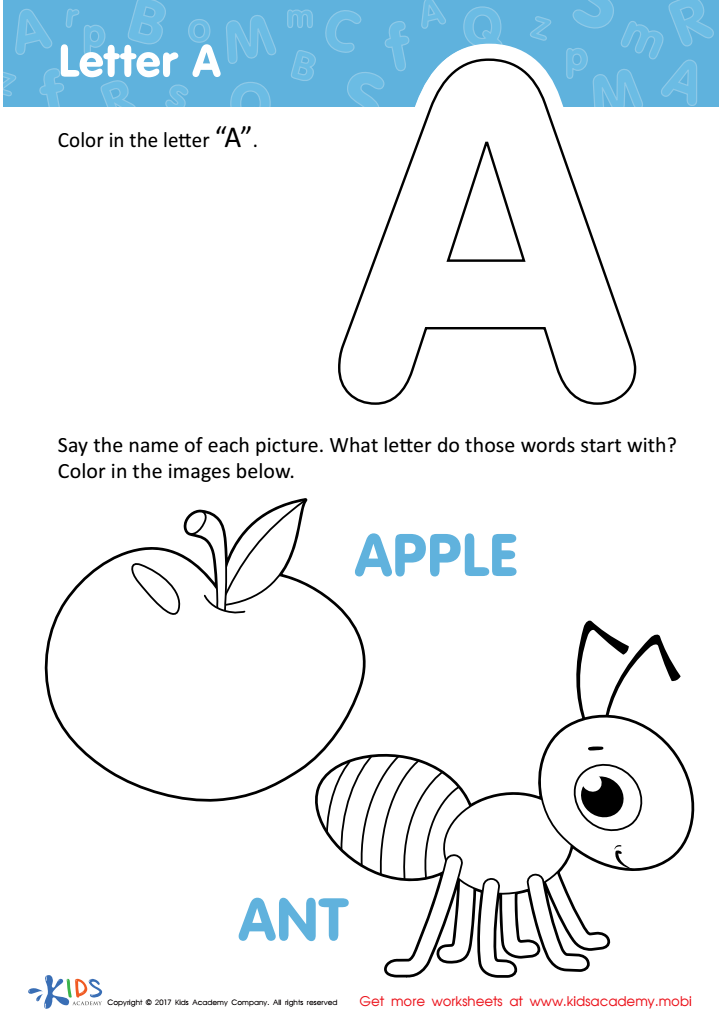
Letter A Coloring Sheet
Assign to My Students
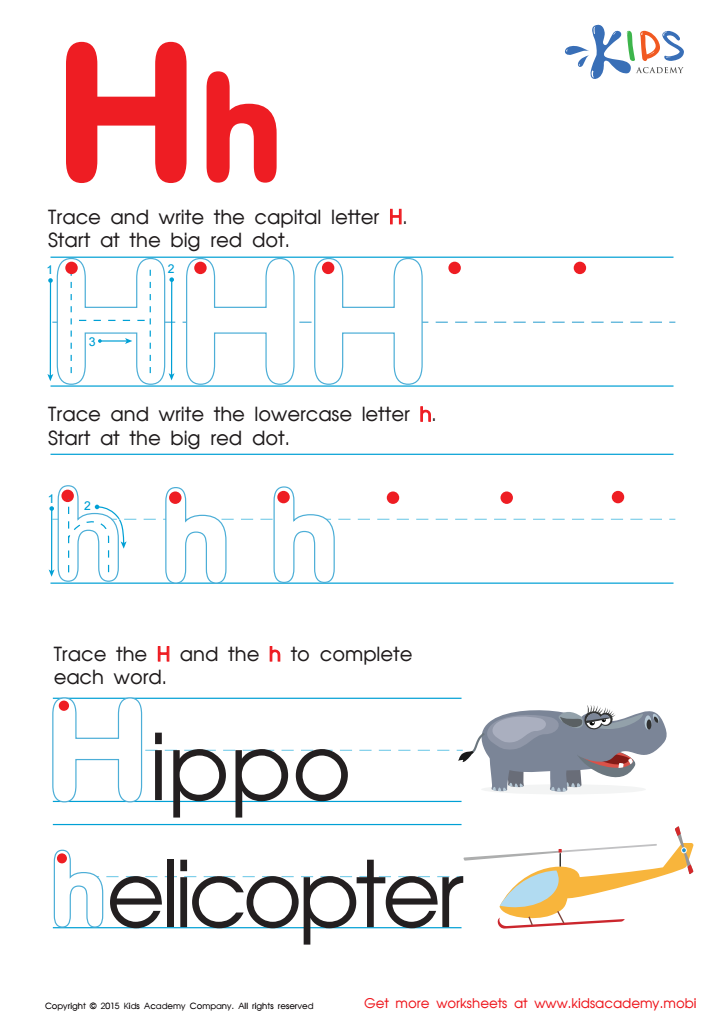
Letter H Tracing Page
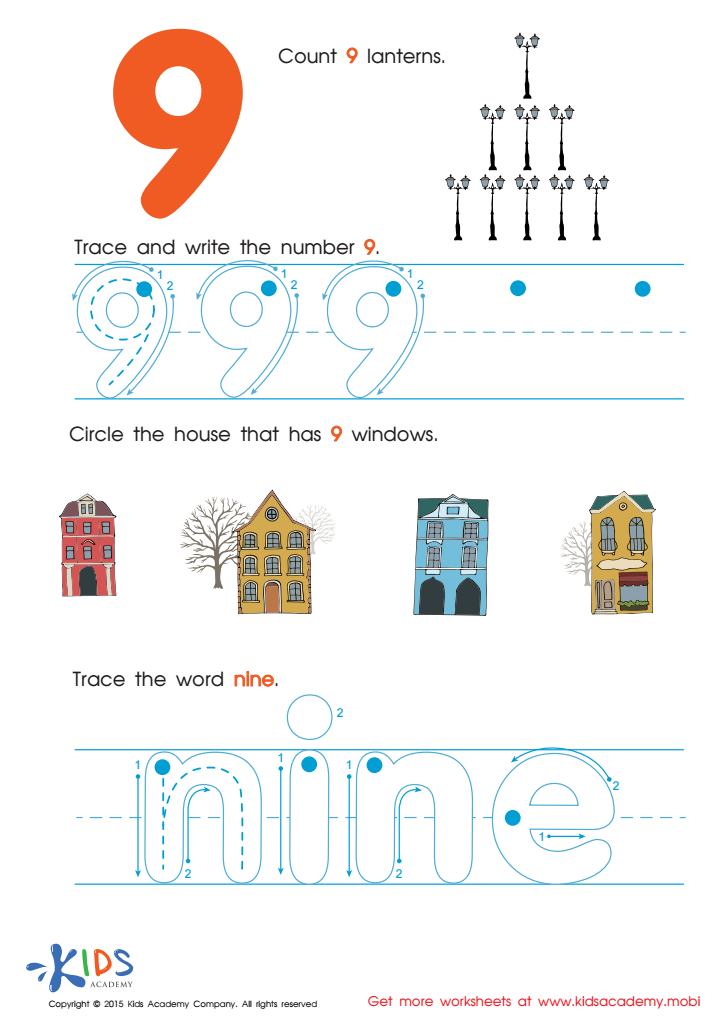
Tracing And Learning to Write Number 9 Worksheet
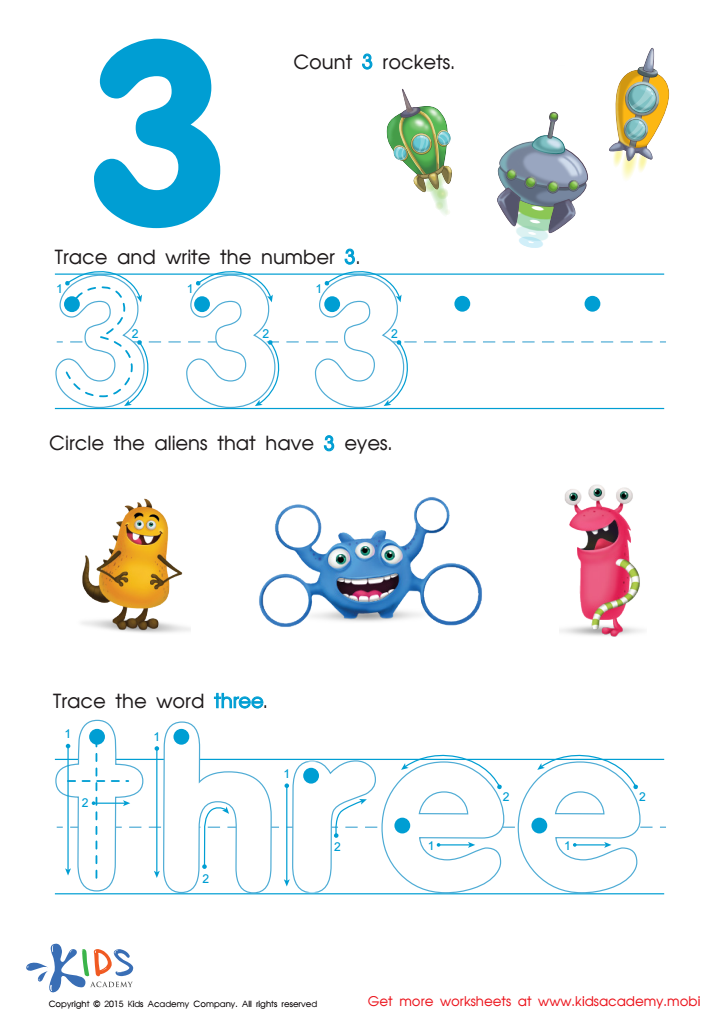
Learning Number Three Worksheet
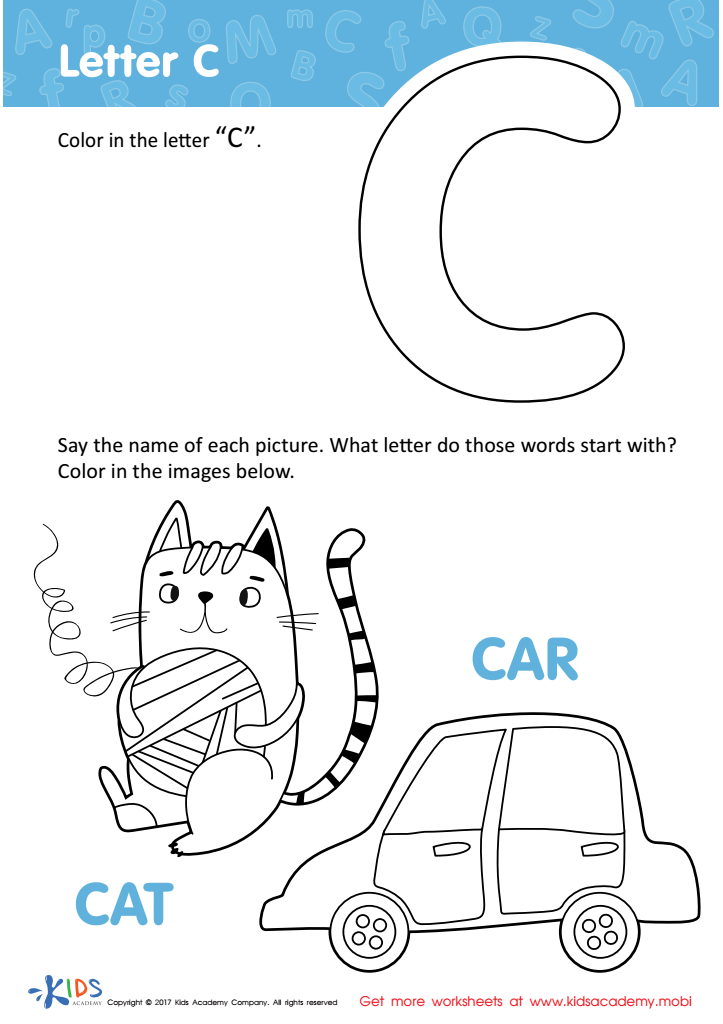
Letter C Coloring Sheet
Assign to My Students




Writing practice is essential for children aged 5-7 as it forms the foundation for their communication skills, academic success, and personal growth. During these early years, children are rapidly expanding their vocabulary and beginning to read. Writing helps them connect what they see and hear with what they can create themselves. By practicing writing, children learn to express their thoughts, ideas, and feelings more effectively.
Writing also enhances fine motor skills. At this age, children are developing their hand-eye coordination and dexterity. Regular writing practice strengthens these skills, benefiting other activities such as drawing, using utensils, and tying shoelaces.
Additionally, writing stimulates cognitive development. It improves memory by reinforcing learning and encourages critical thinking and problem-solving abilities. When children write, they organize their thoughts and materialize abstract concepts, reinforcing new information.
Moreover, writing fosters creativity and imagination. It allows children to tell stories, create new worlds, and explore different perspectives. This fosters a love for storytelling and can boost confidence as they see their progress.
For parents and teachers, encouraging writing practice establishes the importance of perseverance and continuous learning. It also provides a window into a child's world, helping adults understand their needs, interests, and challenges better. Ultimately, writing lays a solid academic and emotional foundation for a child's future.