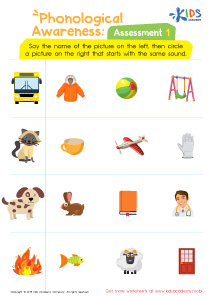
Vocabulary expansion Normal Beginning Sounds Worksheets for Ages 6-8
4 filtered results
-
From - To
Boost your child's vocabulary with our Vocabulary Expansion Normal Beginning Sounds Worksheets for Ages 6-8! These engaging worksheets help young learners identify and match beginning sounds to words, enhancing phonics skills and word recognition. Perfect for early readers, they offer fun and educational activities that strengthen language development. Each worksheet is carefully designed to challenge and motivate kids while making learning enjoyable. Ideal for home or classroom use, our worksheets provide essential practice in a friendly, interactive way. Let your child embark on a journey to successful reading and writing with our expertly crafted resources!
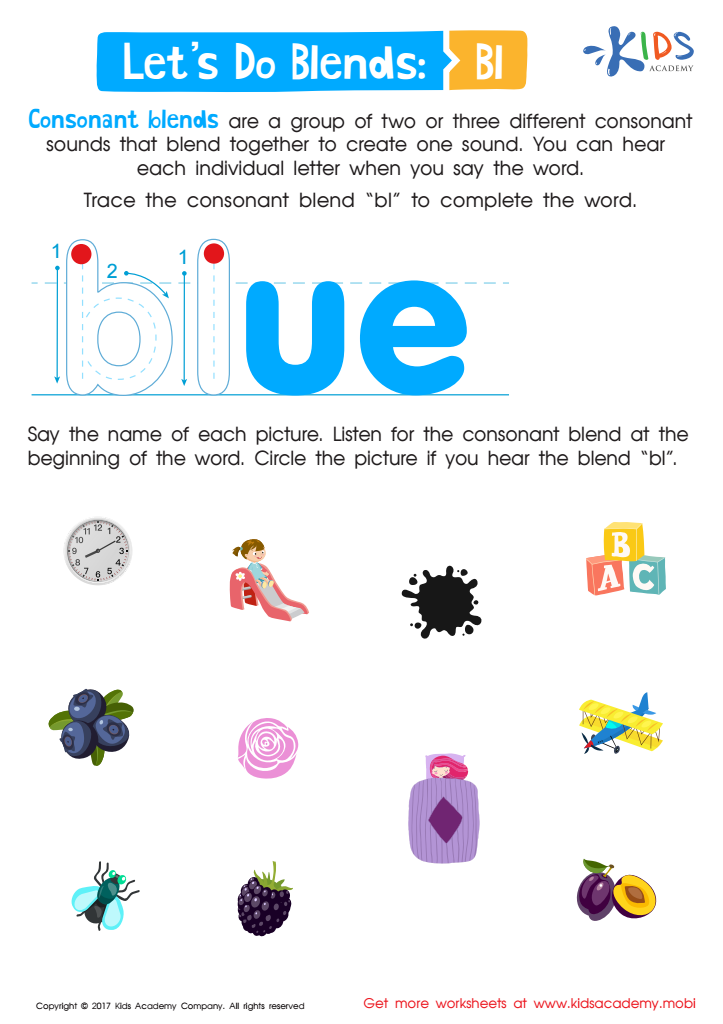
Beginning Blends: "Bl" Words Worksheet
 Assign to My Students
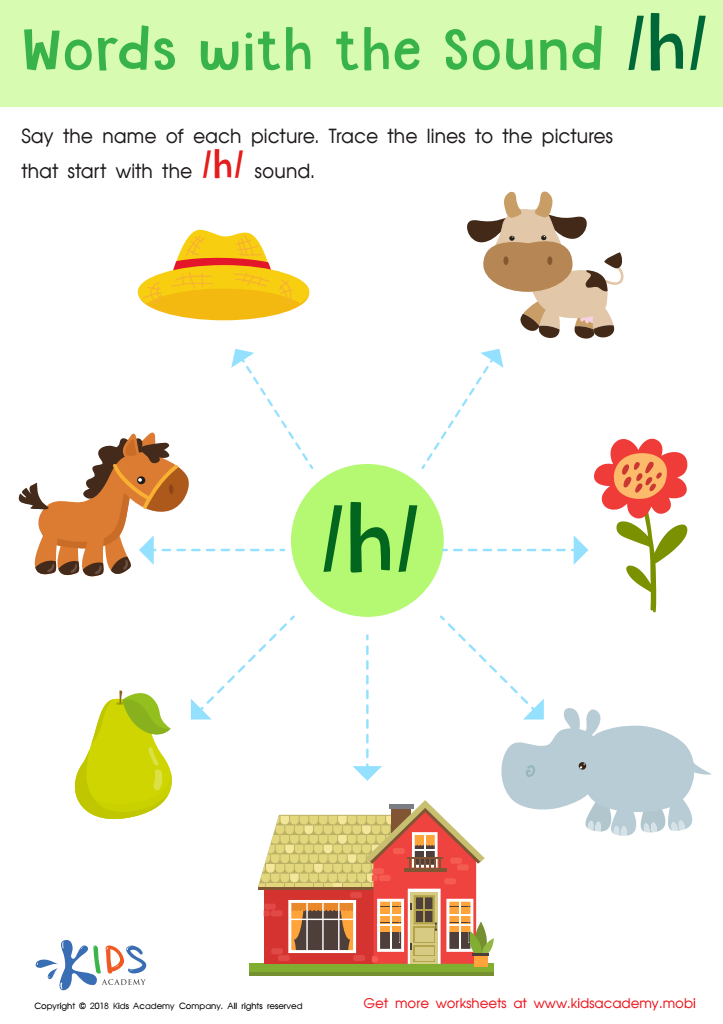
Words with sound h Reading Worksheet
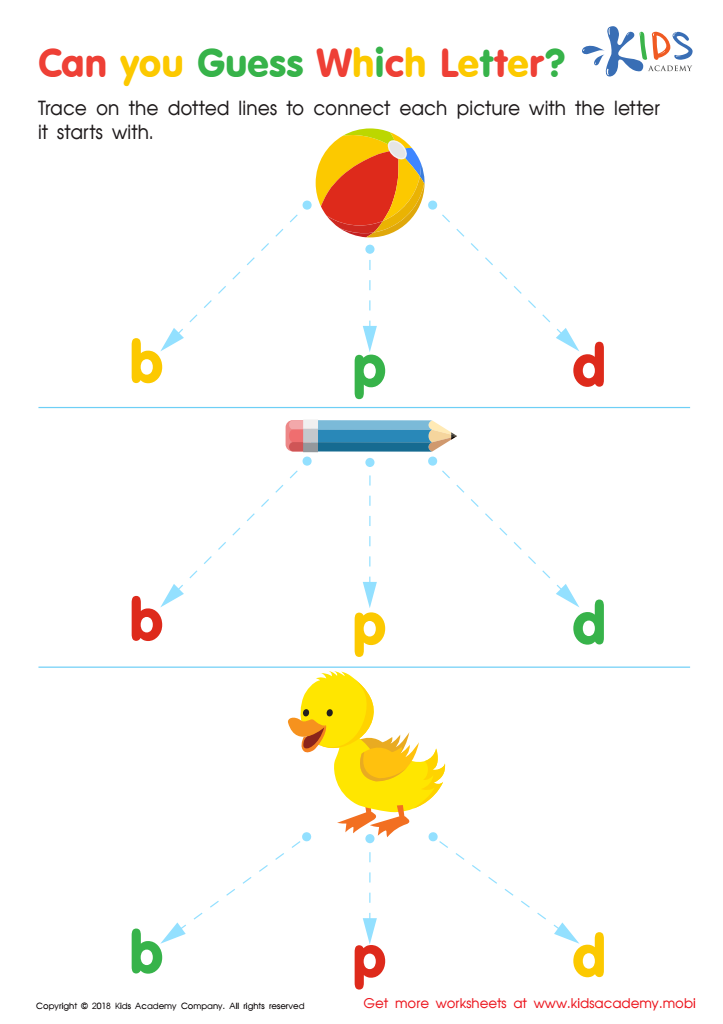
Can you Guess Which Letter? Worksheet
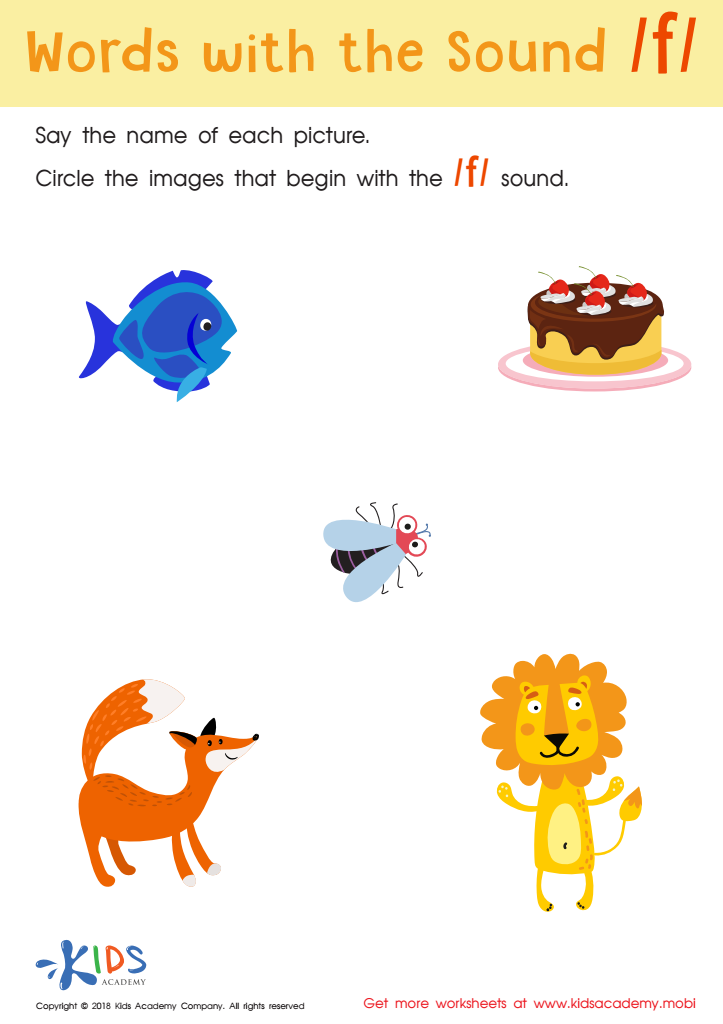
Words with sound f Reading Worksheet








Vocabulary expansion and the mastery of normal beginning sounds are crucial during the ages of 6-8, as these years form a foundational period in a child's literacy development. Enhanced vocabulary equips children with the means to express ideas, emotions, and concepts effectively, which is essential for both social interactions and academic success. A broad vocabulary also supports reading comprehension; understanding more words assists children in making sense of what they read, making learning more enjoyable and effective.
Normal beginning sounds, the initial phonemes of words, facilitate phonemic awareness, an integral skill in reading and writing proficiency. Recognizing these sounds helps children segment and blend phonemes, which are critical steps in deciphering new words. This phonological awareness lays the groundwork for accurate and fluent reading, aiding children in decoding words efficiently and contributing significantly to early reading fluency.
Parents and teachers play essential roles by providing a language-rich environment and engaging in activities that promote vocabulary and phonemic skills. This can be done through reading aloud, playing word games, and encouraging conversation. By focusing on vocabulary and beginning sounds at this developmental stage, adults ensure children acquire the building blocks for future academic achievements and lifelong literacy.