Writing practice Normal Alphabet Worksheets for Ages 6-8
6 filtered results
-
From - To
Boost your child's writing skills with our "Writing Practice Normal Alphabet Worksheets for Ages 6-8" at Kids Academy! These comprehensive worksheets provide engaging activities designed specifically for young learners to practice proper letter formation and enhance handwriting fluency. Each page is thoughtfully crafted to reinforce letter recognition, spacing, and pencil control while making learning fun and interactive. Perfect for classroom use or at-home practice, these printable sheets help build a strong foundation in writing essential for future academic success. Encourage your child’s writing journey today and watch their confidence grow with improved handwriting skills. Download now for endless educational fun!
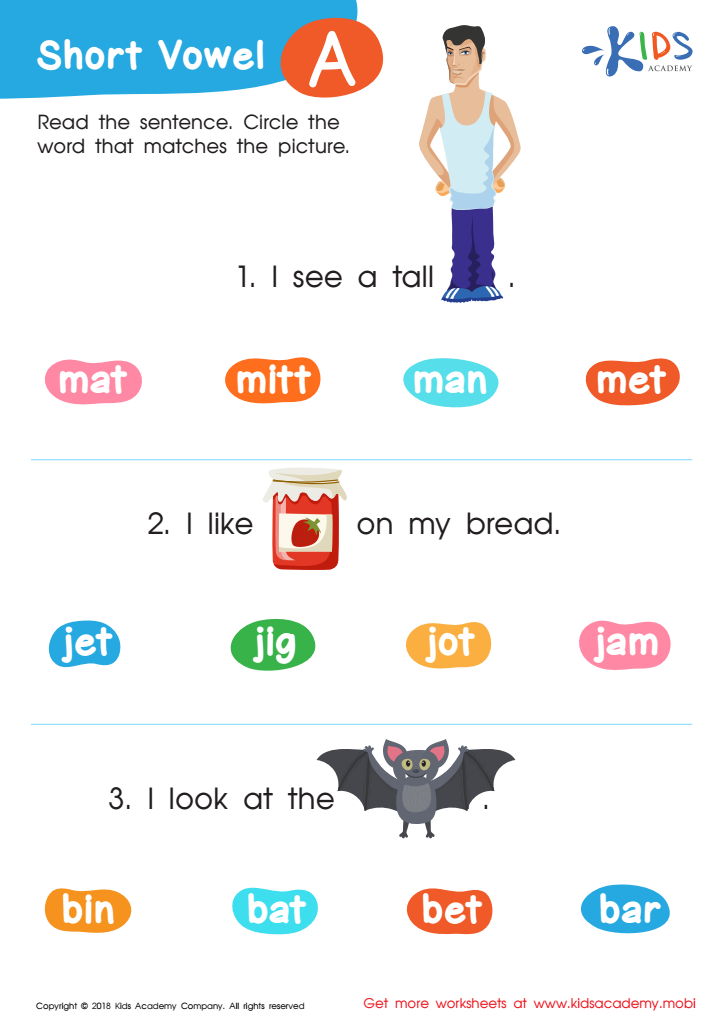
Short Vowel /a/ Worksheet
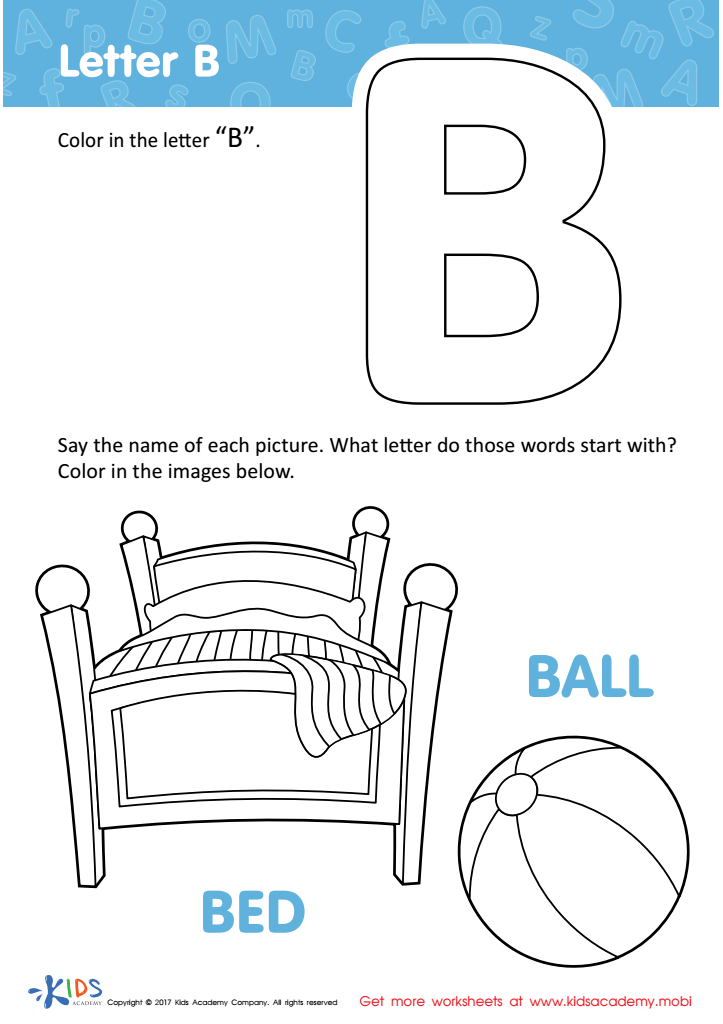
Letter B Coloring Sheet
 Assign to My Students
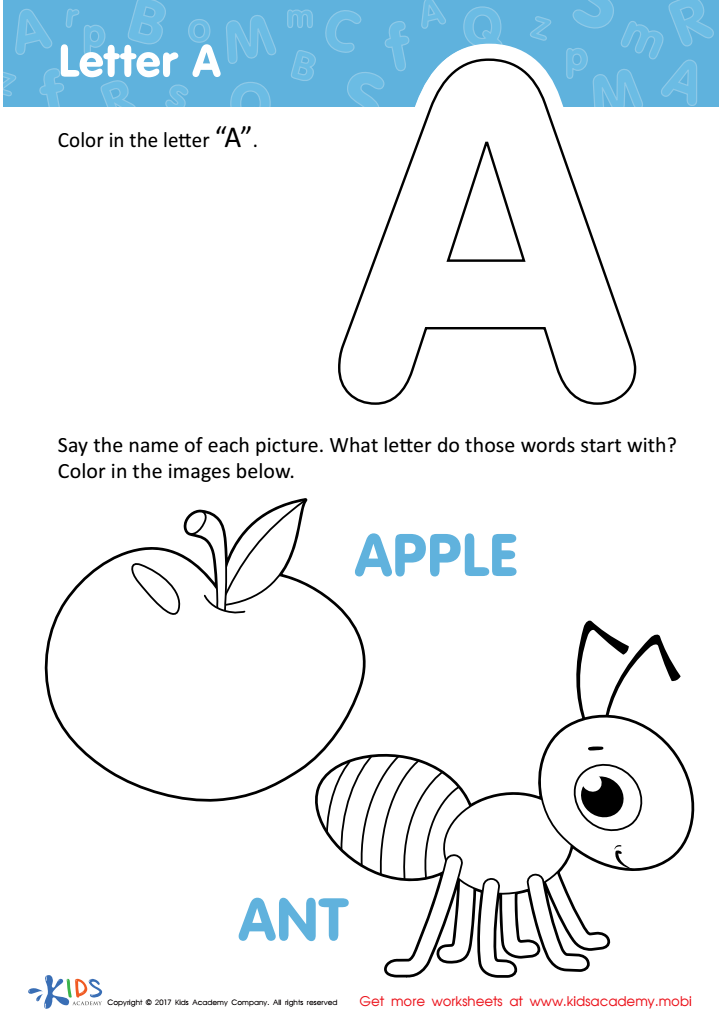
Letter A Coloring Sheet
Assign to My Students
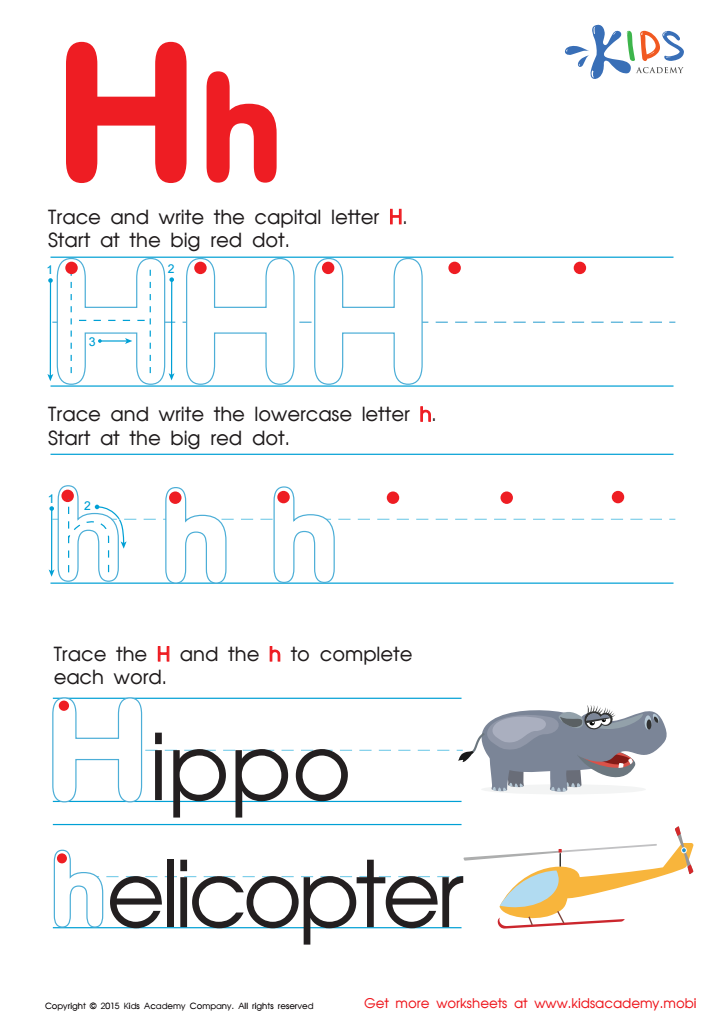
Letter H Tracing Page
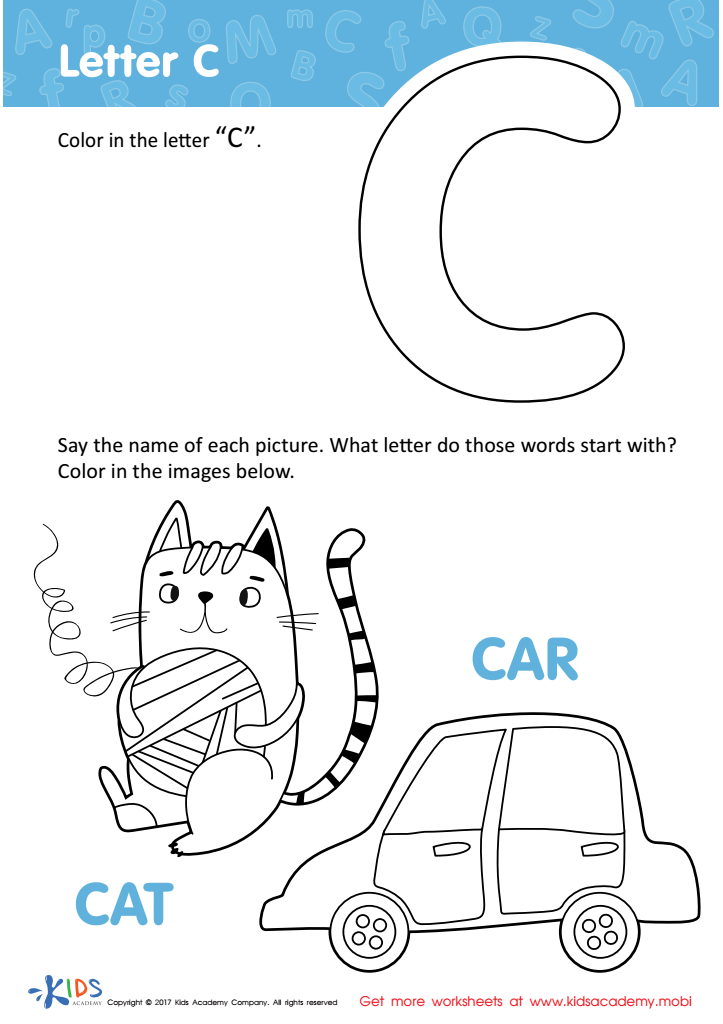
Letter C Coloring Sheet
Assign to My Students
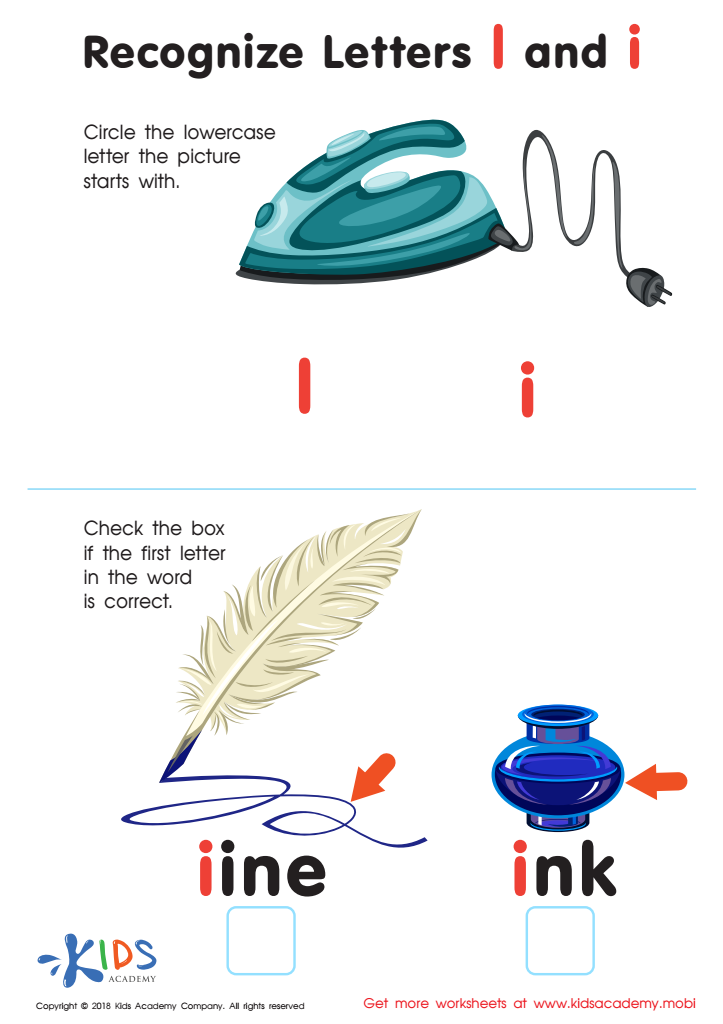
Recognize Letters l and i Worksheet







Writing practice in the normal alphabet for children aged 6-8 is essential for several key reasons. Firstly, it helps develop fine motor skills. Writing involves precise finger and hand movements, crucial for tasks beyond academics, such as tying shoes and using utensils. Secondly, it reinforces language skills and literacy. Regular writing practice aids in recognizing letters, understanding their sounds, and forming words, laying a solid foundation for reading.
Engaging in letter formation also promotes cognitive development. Children learn to sequence letters correctly, enhancing their memory and organizational skills. Academically, mastering the alphabet early contributes to better performance. Children who write confidently are more adept at spelling, expressing ideas clearly, and completing written assignments as they progress in school.
Moreover, writing practice enhances concentration and patience. Consistently practicing the alphabet requires focus, which is a valuable skill across all areas of learning and daily activities. Finally, regular writing instills a sense of accomplishment and boosts self-esteem. As children see their progress, they feel more confident in their abilities, fostering a positive attitude toward learning.
Therefore, both parents and teachers should prioritize and support regular writing practice in the normal alphabet to ensure well-rounded development for young children.







