Alphabet Recognition Normal Letter Recognition Worksheets for Ages 6-8 - Page 2
30 filtered results
-
From - To
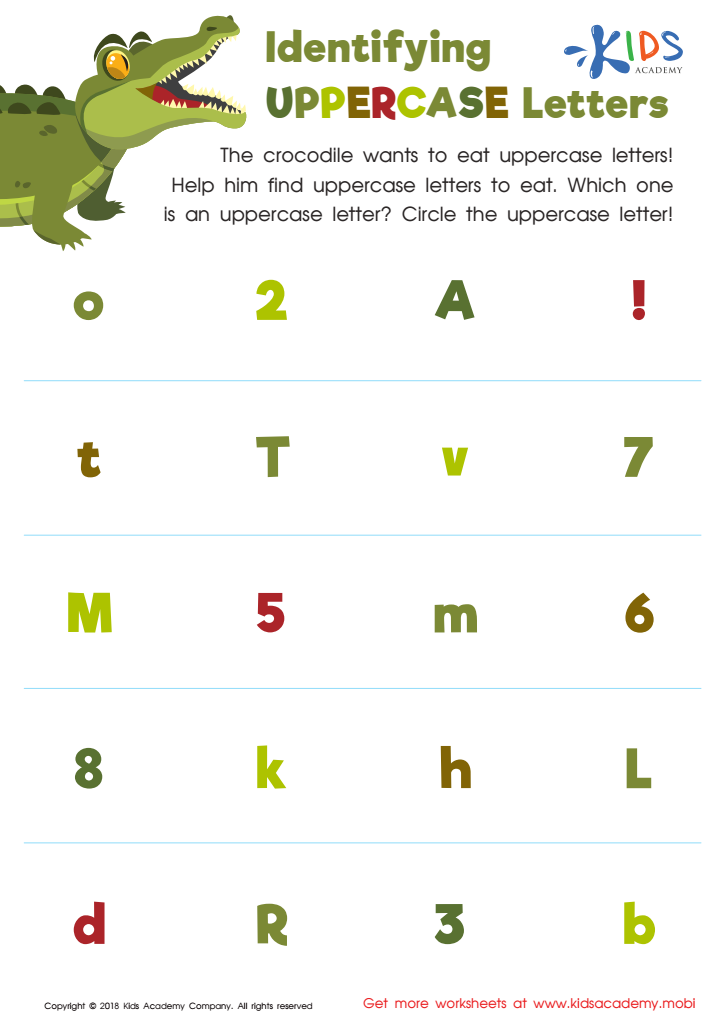
Identifying Uppercase Letters Worksheet
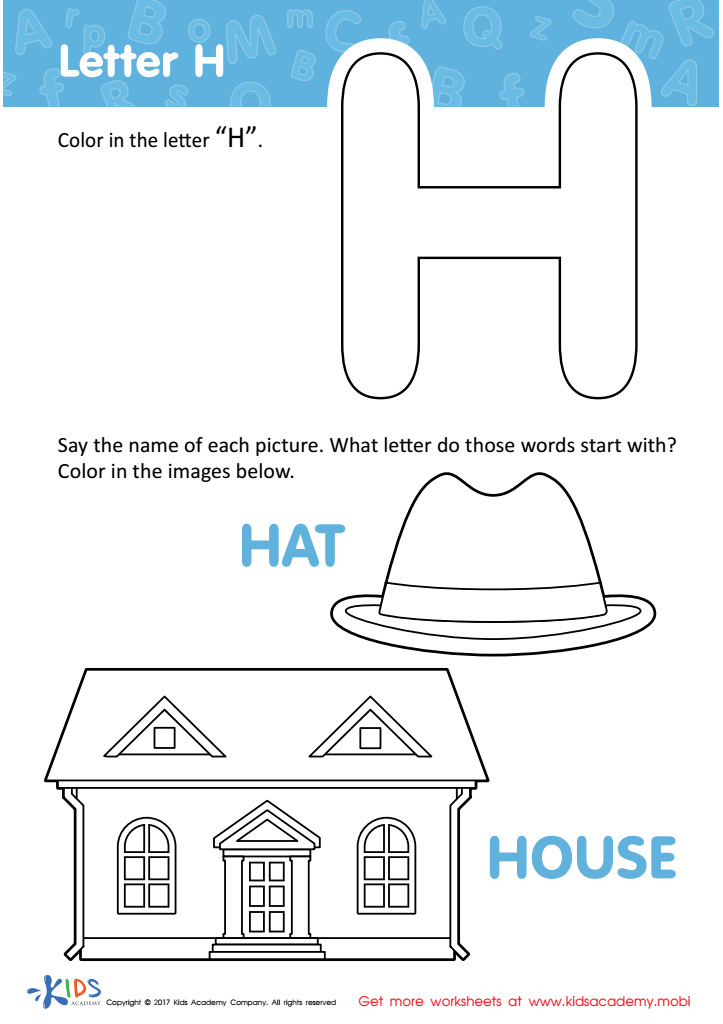
Letter H Coloring Sheet
 Assign to My Students
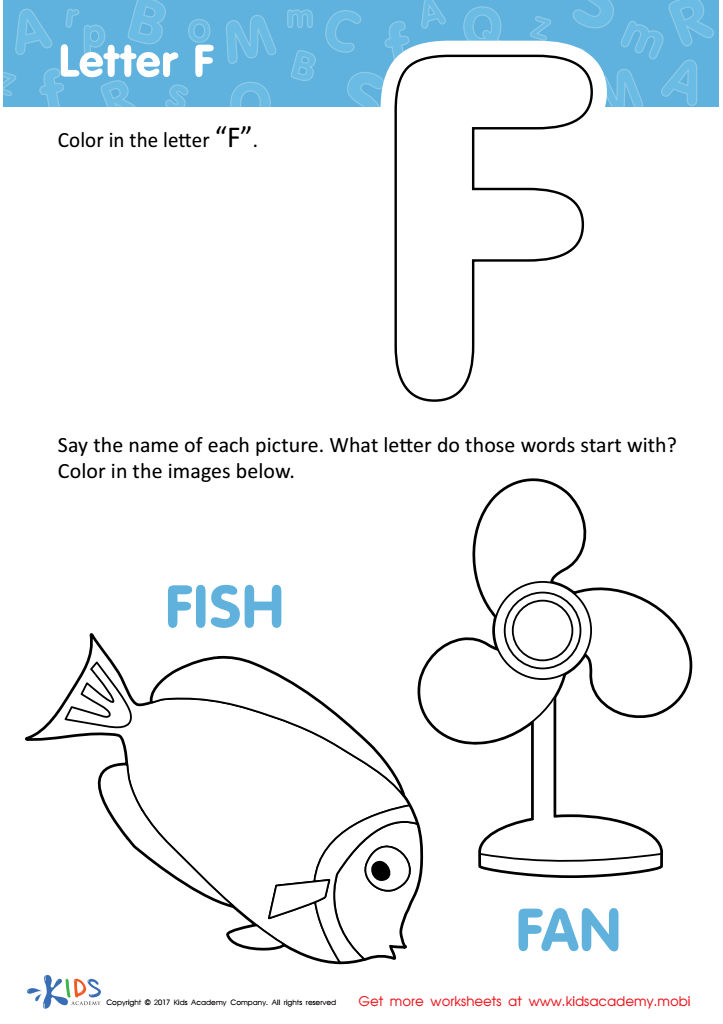
Letter F Coloring Sheet
Assign to My Students
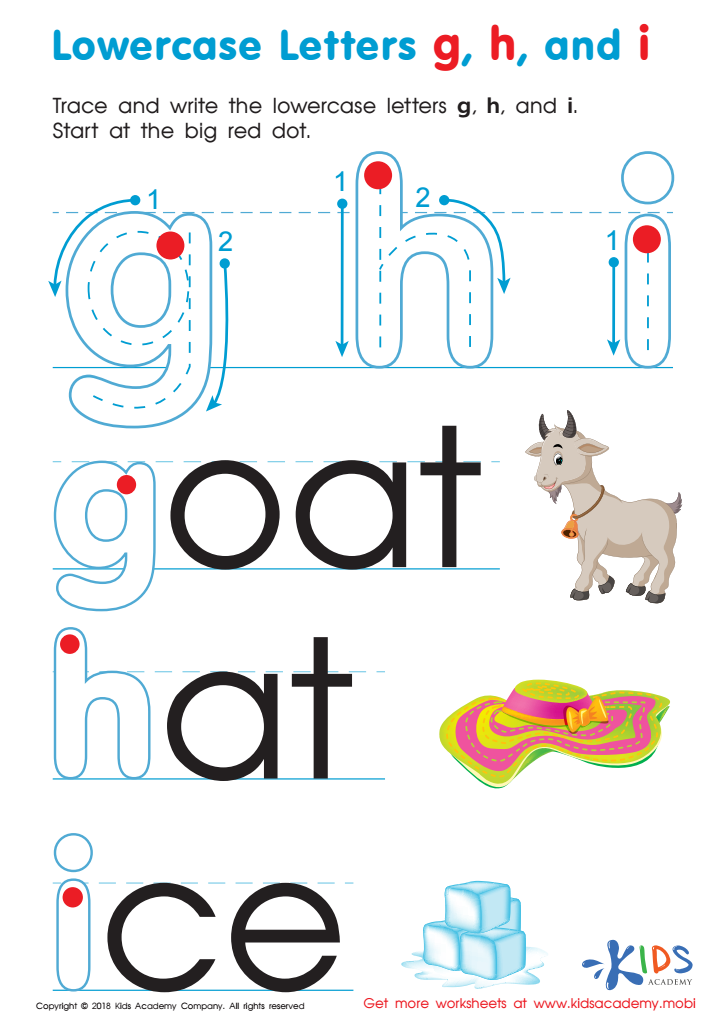
Lowercase Letters g h i Worksheet
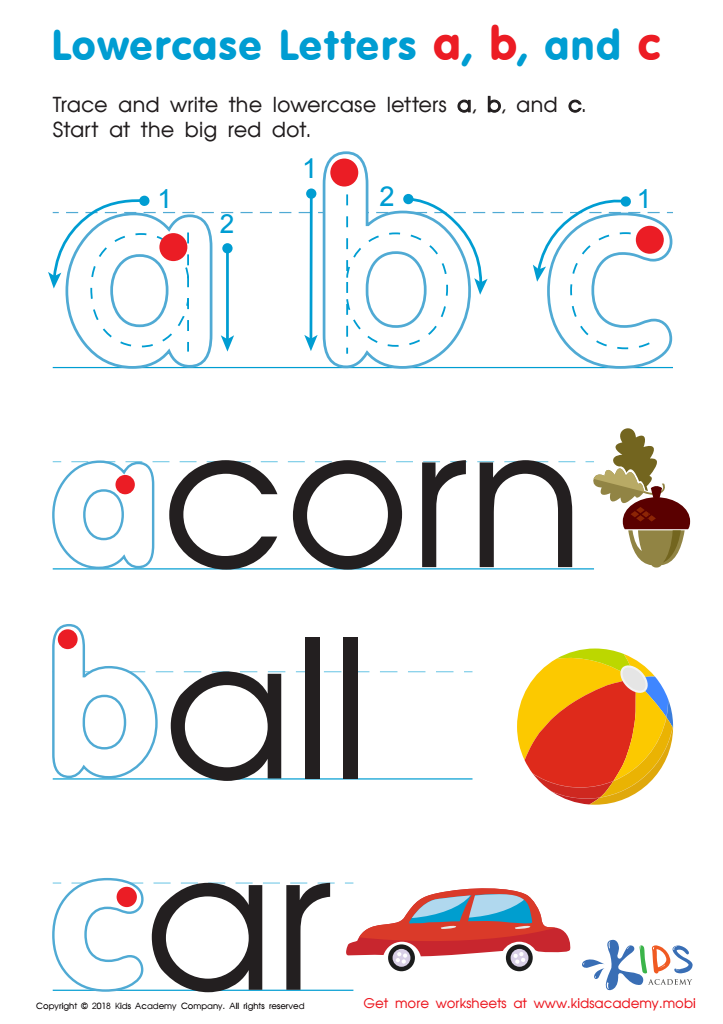
Lowercase Letters a b c Worksheet
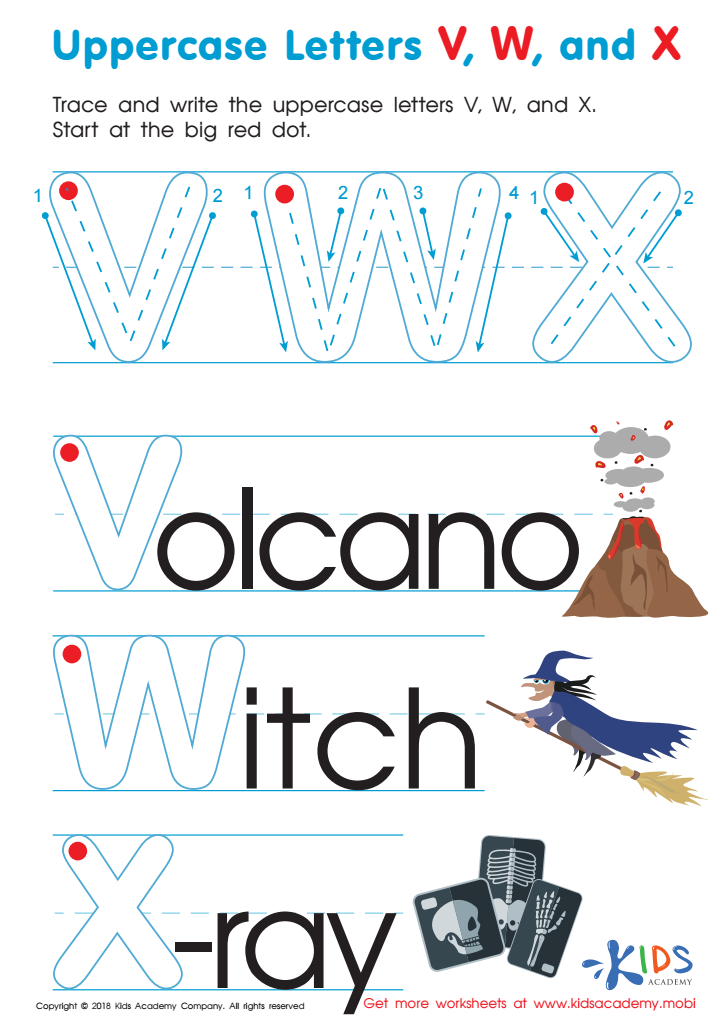
Uppercase Letters V, W, and X Worksheet








Alphabet recognition, particularly normal letter recognition, is a crucial foundational skill for children aged 6-8, significantly impacting their literacy development. At this age, students transition from learning to read to reading to learn, making solid letter recognition essential. Mastery of the alphabet enables children to decode words, understand spelling patterns, and improve their vocabulary and comprehension.
Parents and teachers should prioritize letter recognition as it fosters children's confidence in reading and writing. Proficient alphabet recognition allows children to identify letters in various contexts, preparing them for reading sentences, understanding punctuation, and developing grammar skills. Furthermore, when children recognize letters easily, they experience less frustration and more success in these activities, encouraging a positive attitude toward learning.
Additionally, celebrating milestones in letter recognition, such as recognizing both uppercase and lowercase letters, can motivate students and create an engaging learning environment. Partnering at home and school to reinforce these skills—through games, books, and interactive activities—ensures children are supported in this critical phase. Ultimately, strong alphabet and letter recognition enriches children's overall educational journeys, setting a solid groundwork for their future academic achievements.








