Alphabet sequencing Normal Letter Recognition Worksheets for Ages 6-8
3 filtered results
-
From - To
Boost your child's letter recognition skills with our engaging Alphabet Sequencing Normal Letter Recognition Worksheets designed for ages 6-8. These fun and interactive worksheets encourage students to sequence letters in the correct order, enhancing their early literacy development. Each activity is crafted to support various learning styles, ensuring children stay motivated while mastering the alphabet. Ideal for both home and classroom use, these worksheets provide an effective way for young learners to practice their letter recognition, improve fine motor skills, and gain confidence in reading readiness. Download your worksheets today and watch your child excel in their literacy journey!
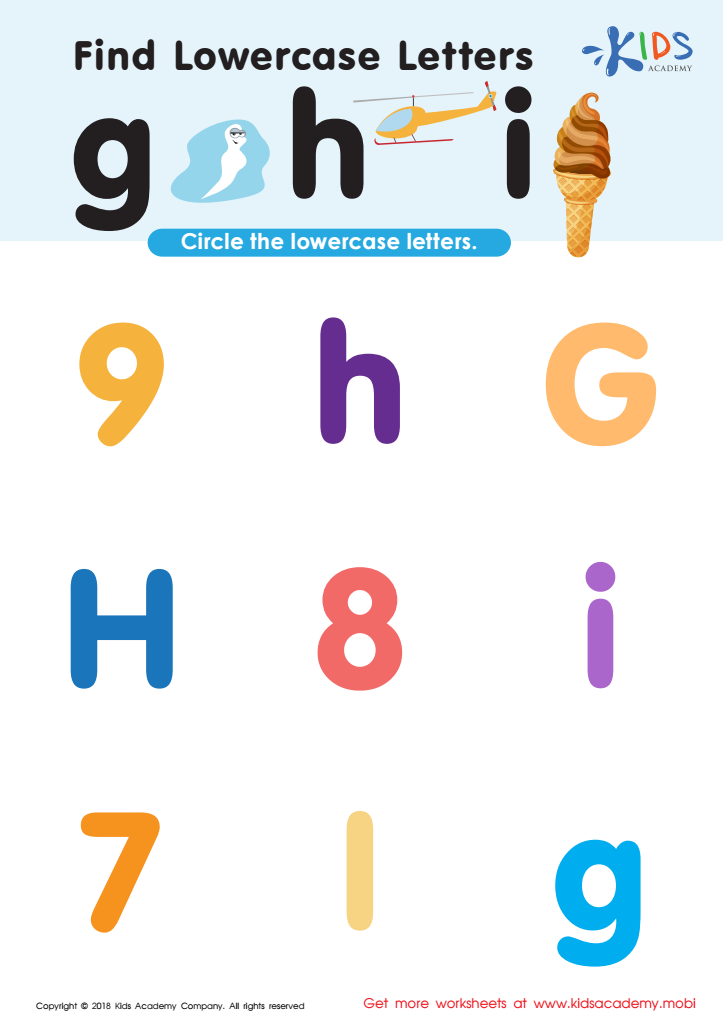
Find Lowercase Letters g h i Worksheet
 Assign to My Students
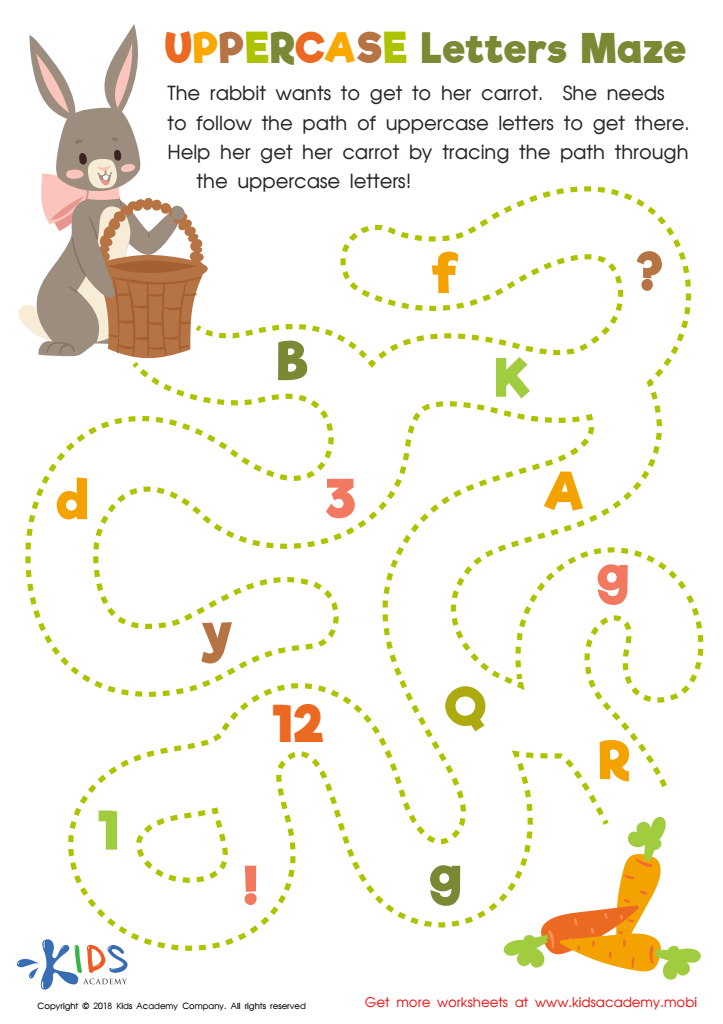
Uppercase Letters Maze Worksheet
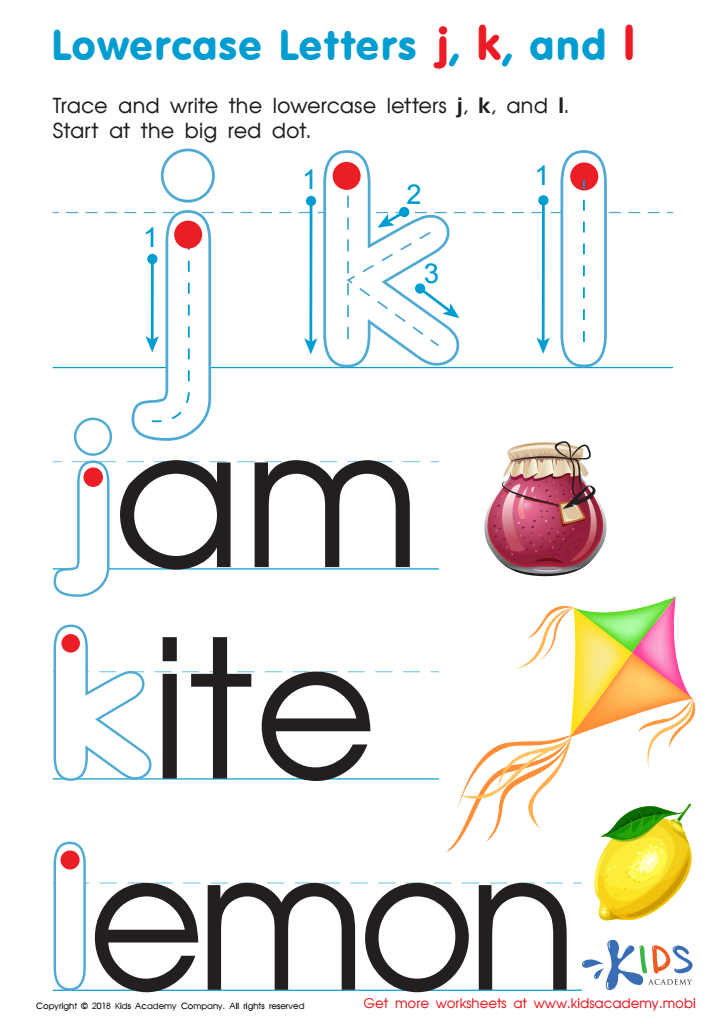
Lowercase Letters j k l Worksheet








Alphabet sequencing and normal letter recognition are critical components of early literacy, especially for children aged 6-8. At this stage, children are developing foundational skills that significantly influence their reading and writing abilities. A strong grasp of alphabet sequencing helps children understand the order of letters, which is essential for reading fluency, spelling, and phonics.
When children recognize letters in order, it strengthens their ability to decode words and comprehend text, fostering an enriched vocabulary. Moreover, mastering letter recognition aids in building confidence as they transition from simple emergent readers to more complex texts.
Parents and teachers play a vital role in creating a supportive environment for this learning process. Engaging children through interactive activities, such as alphabetical games, songs, and storytelling, can make learning joyful and effective. Additionally, being aware of each child's progress allows for targeted support and strategies tailored to individual needs.
Ultimately, prioritizing alphabet sequencing and letter recognition lays the groundwork for future academic success. Children who excel in these early skills are often better prepared for higher-level literacy tasks, leading to improved performance across subjects and a lifelong love of reading.








