Motor skills development Normal Letter Recognition Worksheets for Ages 6-8
3 filtered results
-
From - To
Enhance your child's foundational skills with our "Motor Skills Development Normal Letter Recognition Worksheets for Ages 6-8". Specifically designed to seamlessly integrate learning with fun, these printable worksheets help young learners develop essential motor skills while mastering letter recognition. They are perfect for children aged 6-8, aiming to strengthen fine motor abilities through engaging tracing, writing, and sorting activities. By combining visually stimulating exercises with hands-on practice, your child will gain the confidence and proficiency needed for more advanced literacy skills. Explore our comprehensive collection to give your child the tools they need for academic success.

Letter H Tracing Page
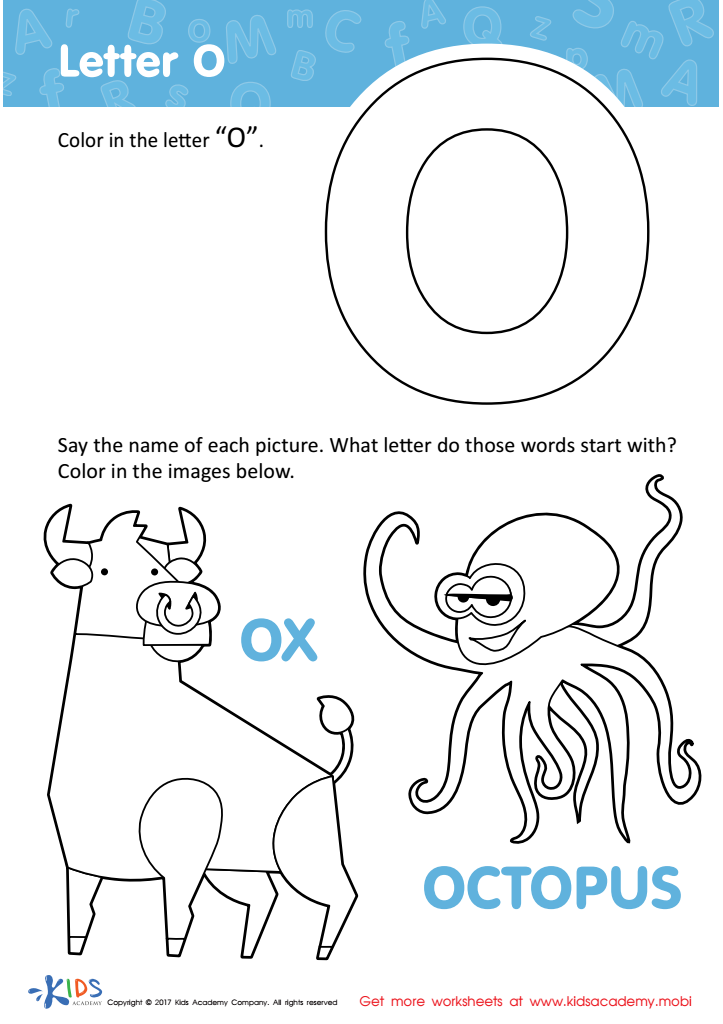
Letter O Coloring Sheet
 Assign to My Students
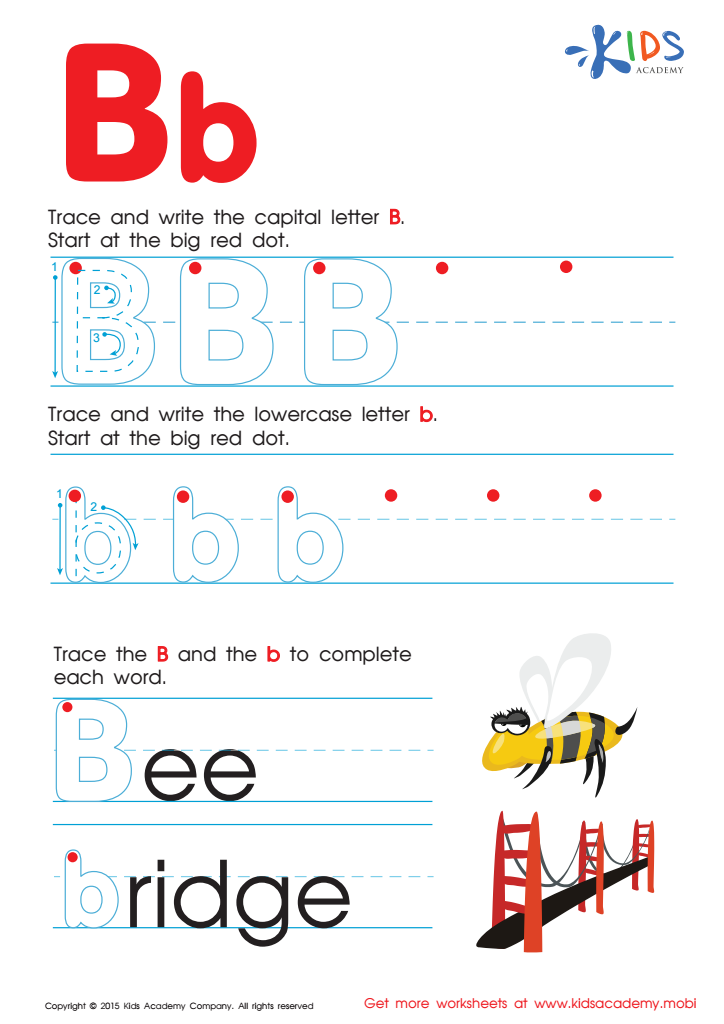
Letter B Tracing Page








Motor skills development and normal letter recognition are crucial areas that parents and teachers should prioritize for children aged 6-8. This developmental stage is pivotal, as foundational skills acquired now set the stage for future academic success and overall physical competence.
Firstly, by the age of 6 to 8, fine motor skills – which involve the synchronization of small muscle movements in the hands and fingers – should be refining. These skills are essential for daily tasks such as writing, cutting with scissors, tying shoelaces, and more. Proficiency in using these muscles can reduce frustration and promote independence in children, boosting their self-esteem and confidence.
In tandem, normal letter recognition is also critical. At this age, children are typically either beginning or continuing their journey of learning to read and write. Letter recognition forms the foundation of phonics, reading fluency, and ultimately, comprehension. Accurate letter recognition is essential to avoid future learning difficulties. Early struggles in reading can lead to a cascade of negative academic outcomes and diminished self-confidence.
Together, motor skills and letter recognition form the bedrock of early education. Prioritizing these ensures that children are equipped with the necessary tools to navigate more complex educational challenges ahead, fostering a well-rounded, confident learner prepared for future success.








