Vowel Recognition Normal Letter Recognition Worksheets for Ages 6-8
4 filtered results
-
From - To
Our Vowel Recognition Normal Letter Recognition Worksheets are expertly crafted for children ages 6-8. These engaging activities focus on helping young learners distinguish between vowels and other letters, enhancing essential literacy skills. Each worksheet combines fun and educational tasks, such as matching and coloring, to reinforce vowel recognition and improve overall letter familiarity. Ideal for teachers and parents looking to support foundational reading competencies, these exercises provide a balanced mix of challenge and enjoyment, promoting attentive learning and retention. Dive into our collection to make vowel recognition practice both effective and enjoyable for your child!
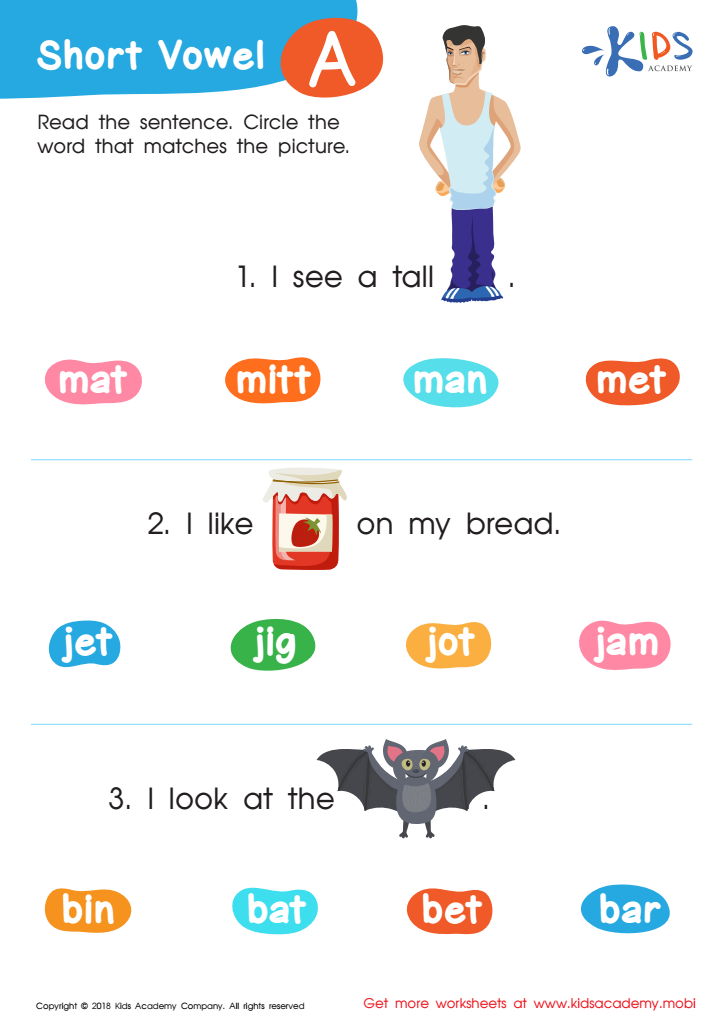
Short Vowel /a/ Worksheet
 Assign to My Students
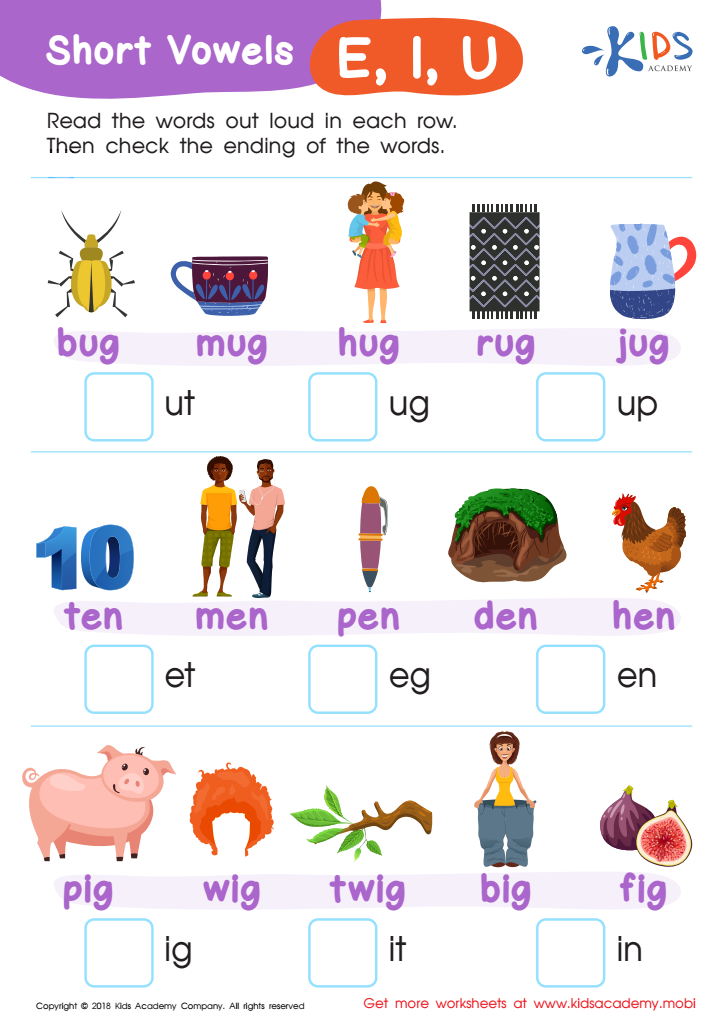
Short Vowels /e/, /i/, and /u/ Worksheet
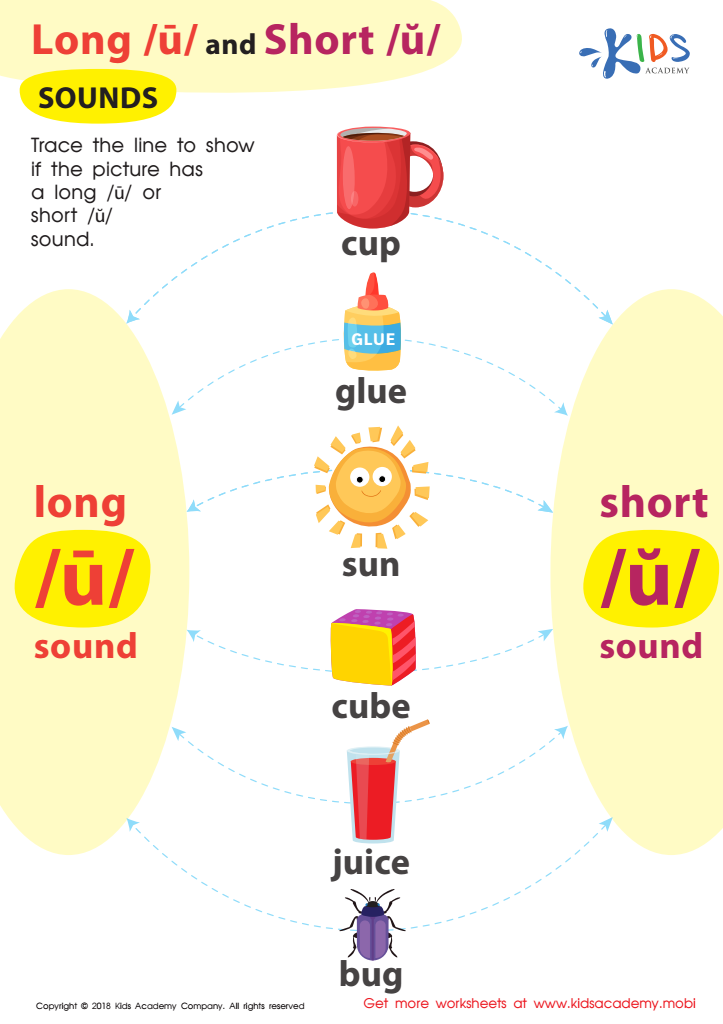
Reading: Long U and Short U Sounds Worksheet
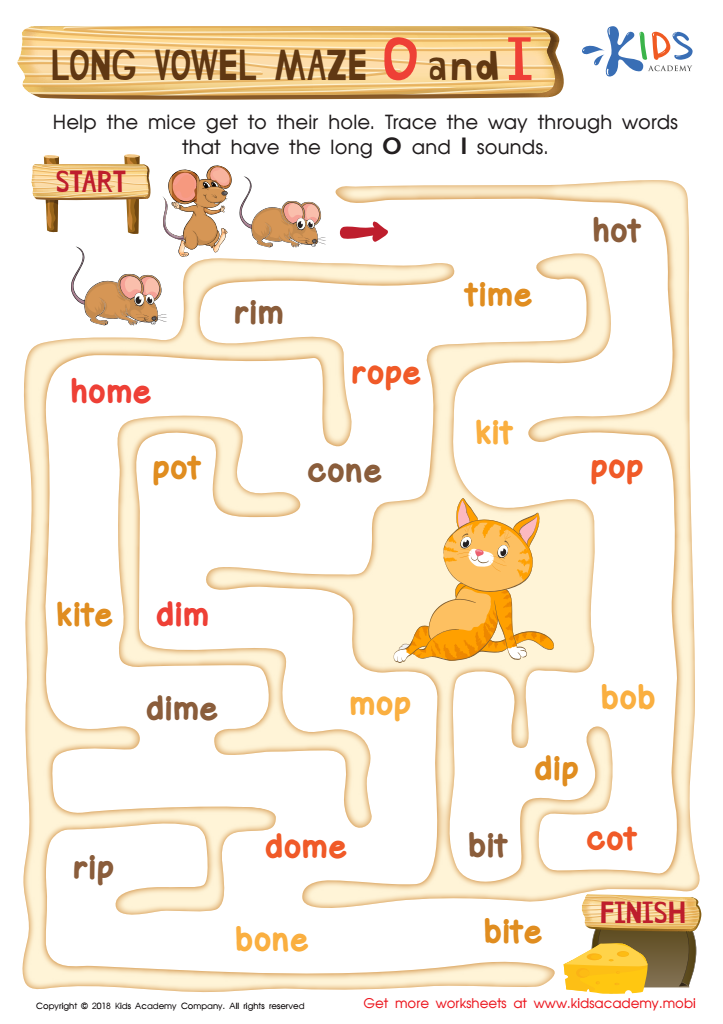
Long Vowel Maze /o/ and /i/ Worksheet








Vowel recognition and normal letter recognition are crucial skills for children ages 6-8 as they form the foundation of reading and writing competency. For children in early grades, mastering these skills enables them to decode words, which is essential for reading fluently and understanding text.
Understanding vowels specifically is vital because they are often the core sounds of syllables. There are only five vowels in the English language (a, e, i, o, u), but they are used in a multitude of combinations and can sound different depending on the word. Recognizing vowels aids in phonemic awareness, the ability to hear, identify, and manipulate individual sounds in spoken words. This awareness is directly linked to a child’s ability to read and spell correctly.
In contrast, general letter recognition involves knowing both the letters themselves and the sounds they make, which contributes to broader literacy skills. It helps in identifying, sounding out, and encoding words. If children struggle with recognizing letters, they are likely to have difficulties in reading since they can’t easily decode words.
Teachers and parents should prioritize these skills to support fluent reading and accurate writing, boosting confidence and academic performance. Effective early literacy teaching creates a domino effect, fostering skills that support all areas of education and lifelong learning.








