Writing practice Normal Letter Recognition Worksheets for Ages 6-8
6 filtered results
-
From - To
Boost your child's literacy skills with our engaging Letter Recognition Worksheets designed specifically for ages 6-8! These printable resources offer interactive writing practice that strengthens letter identification and writing abilities. Each worksheet features captivating activities tailored to capture young learners' attention, helping them become confident in recognizing and writing both uppercase and lowercase letters. By honing their letter recognition through purposeful writing exercises, children develop foundational skills essential for reading and communication. Perfect for home or classroom use, our worksheets make learning fun and effective, ensuring your child enjoys every step of their writing journey. Discover the power of early learning today!
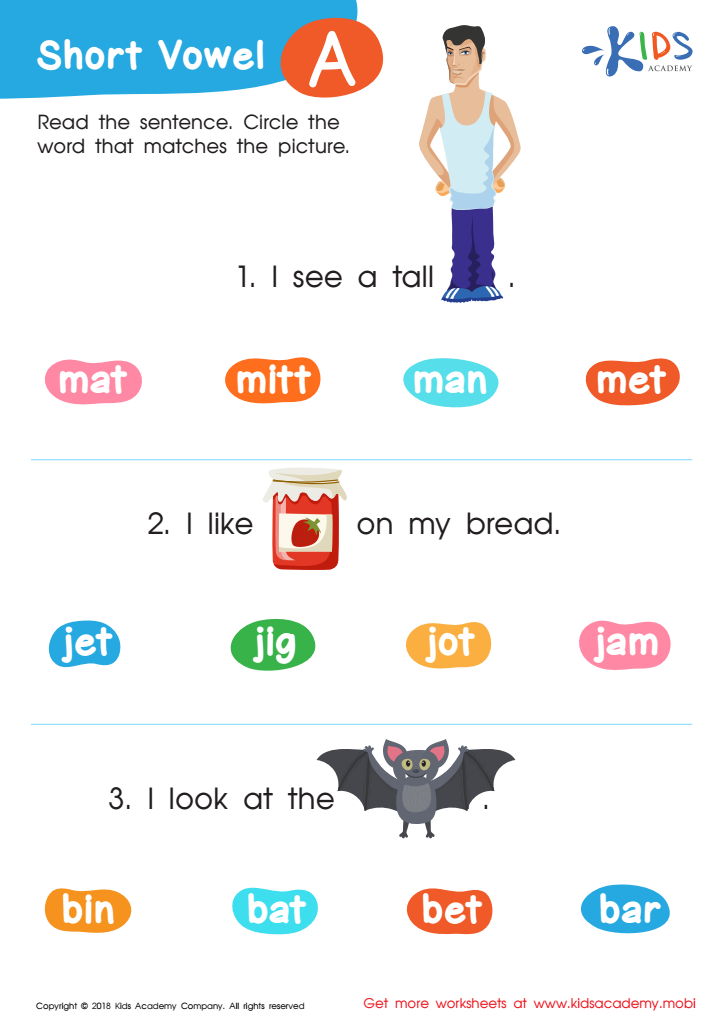
Short Vowel /a/ Worksheet
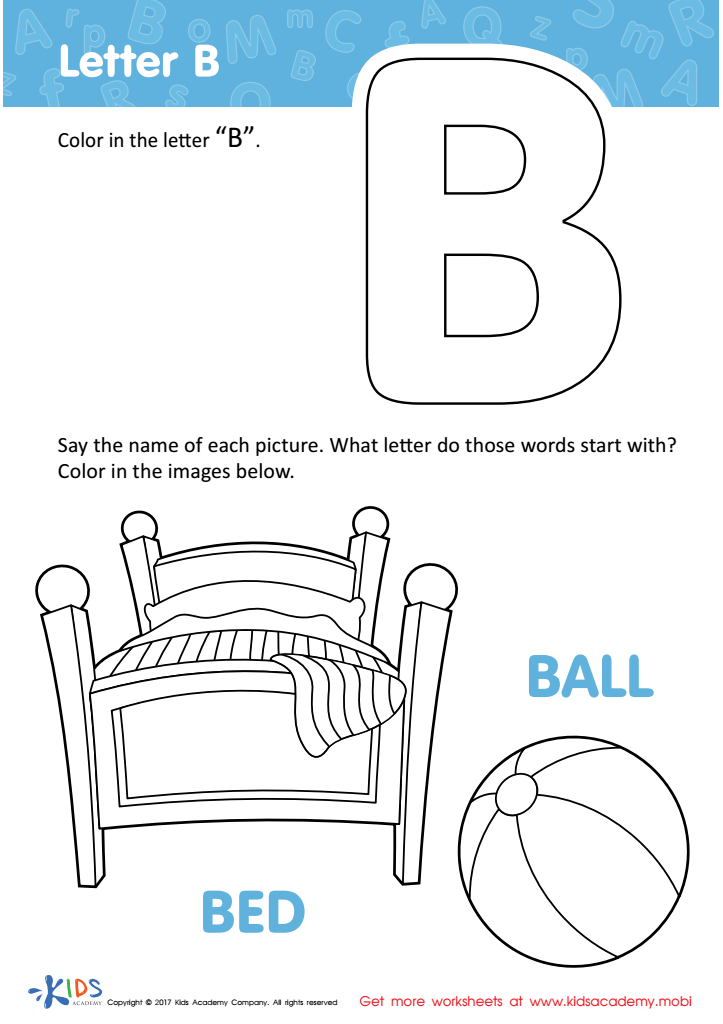
Letter B Coloring Sheet
 Assign to My Students
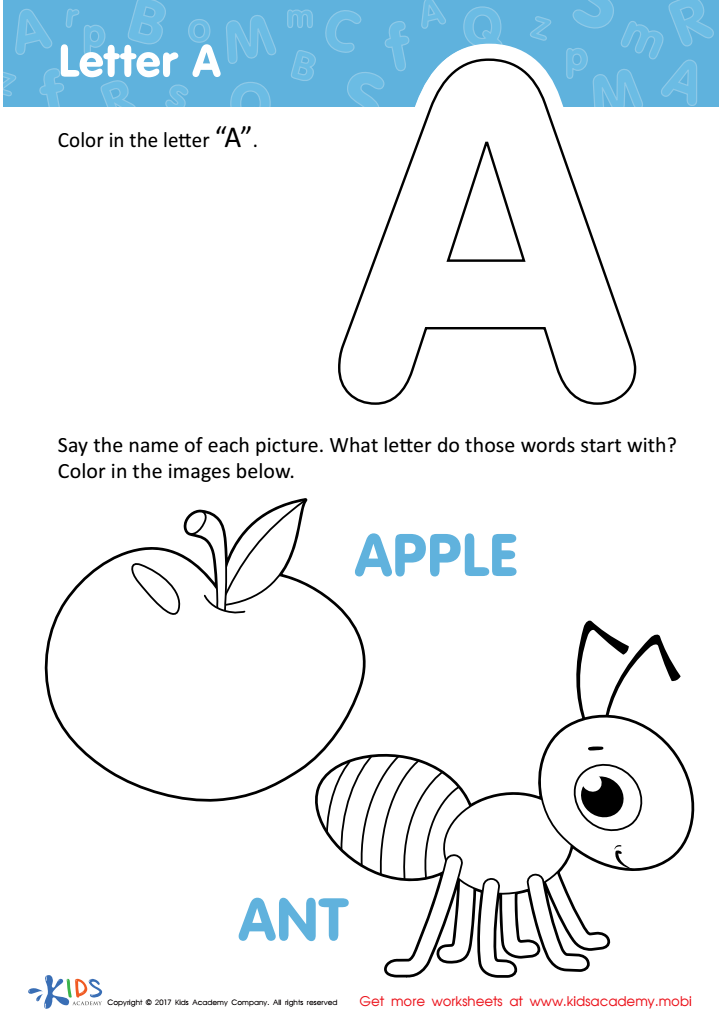
Letter A Coloring Sheet
Assign to My Students

Letter H Tracing Page
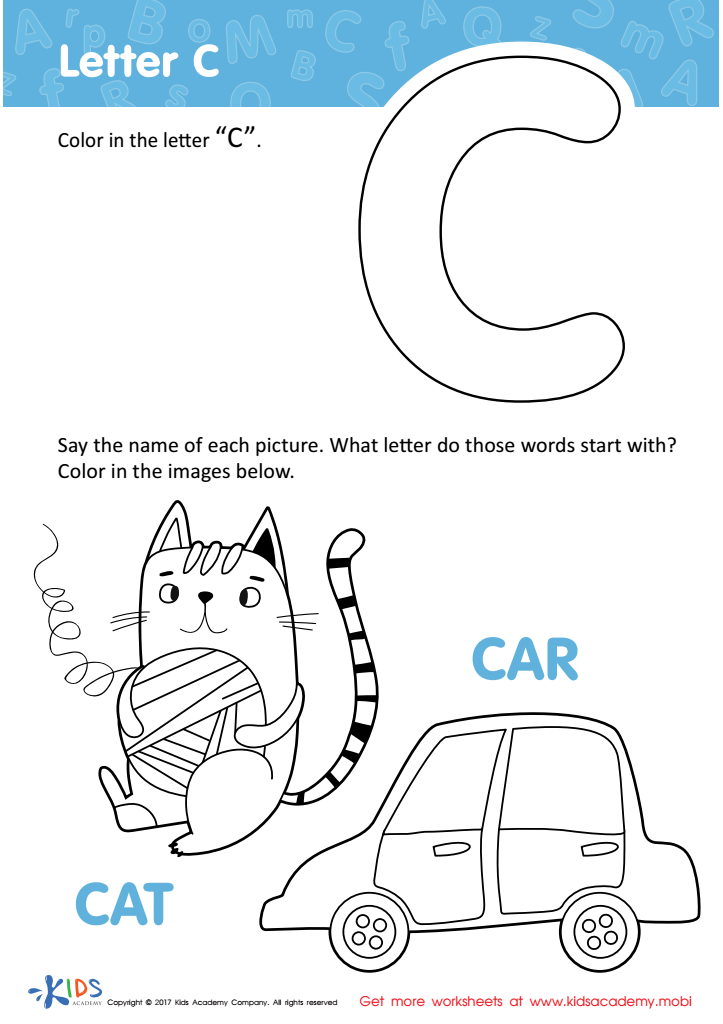
Letter C Coloring Sheet
Assign to My Students
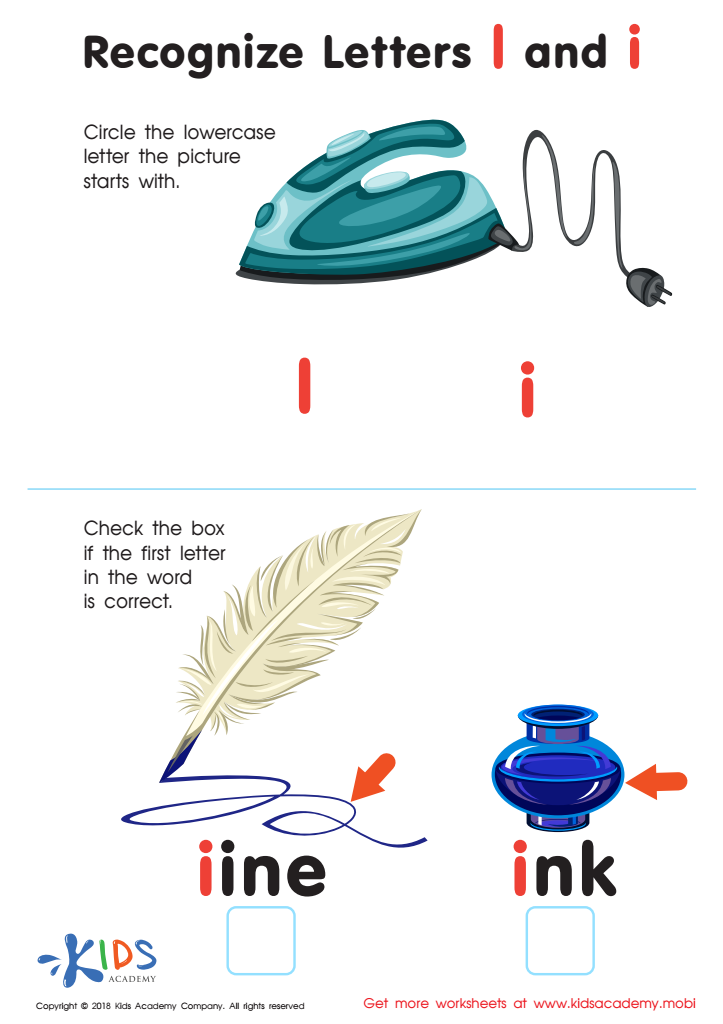
Recognize Letters l and i Worksheet








Writing practice and normal letter recognition are crucial for children aged 6-8 as they form the foundation of literacy and communication skills. At this developmental stage, children are beginning to grasp the complexities of language, and their ability to recognize letters significantly impacts their reading and writing proficiency. Letter recognition is one of the first steps in learning to read, helping children connect sounds to letters and ultimately understand words and sentences.
Effective writing practice fosters fine motor skills and encourages cognitive development, as children learn to express their thoughts through written language. Engaging children in writing activities, such as crafting letters or keeping journals, also nurtures their creativity and helps build their confidence in self-expression. Regularly practicing letters aids memory retention, making it easier for children to recall letter shapes, sounds, and their respective uses in words.
Moreover, recognizing letters and writing their forms helps children develop essential study habits and discipline. By cultivating these foundational skills, parents and teachers equip children to face more advanced literacy challenges ahead. Supporting letter recognition and writing practice gives children the tools they need to succeed academically and fosters a lifelong love of learning.








