Alphabet understanding Normal Upper & Lowercase Letters Worksheets for Ages 6-8
3 filtered results
-
From - To
Enhance your child's literacy skills with our "Alphabet Understanding: Normal Upper & Lowercase Letters Worksheets" designed for ages 6-8! These engaging worksheets focus on helping young learners differentiate between uppercase and lowercase letters through fun activities tailored to develop their alphabet recognition. Each worksheet provides diverse exercises, including tracing, matching, and coloring, that promote hands-on learning and visual engagement. Perfect for at-home practice or classroom use, our resources aim to build a strong foundation for reading and writing in children. Explore the joy of learning with our thoughtfully crafted materials—your child will love mastering the alphabet with ease and confidence!
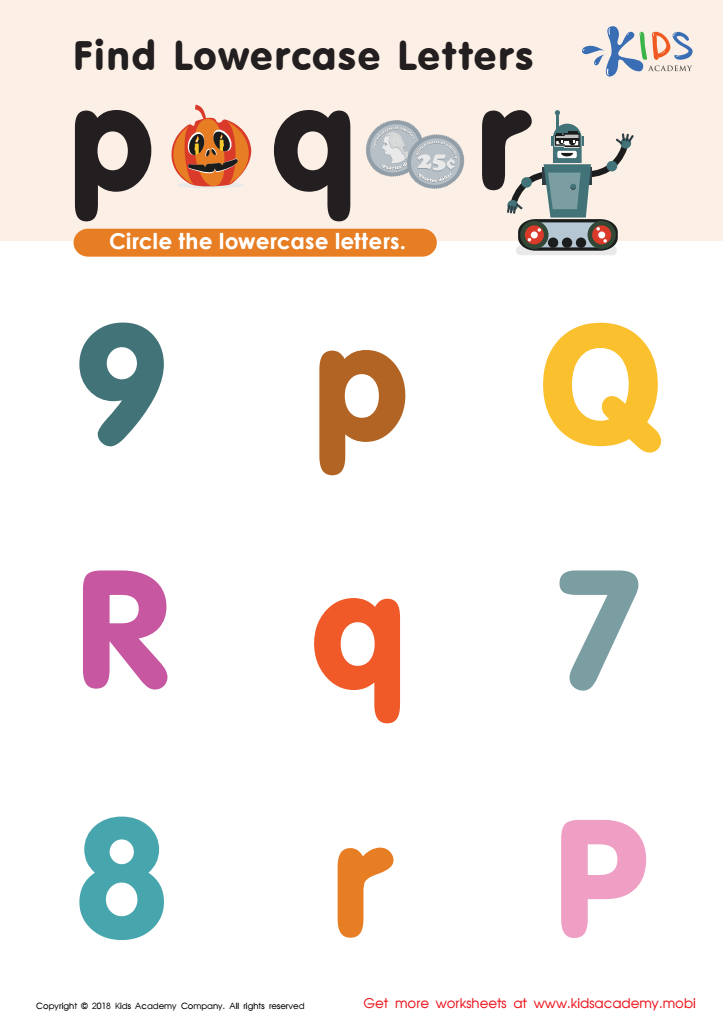
Find lowercase Letters p q r Worksheet
 Assign to My Students
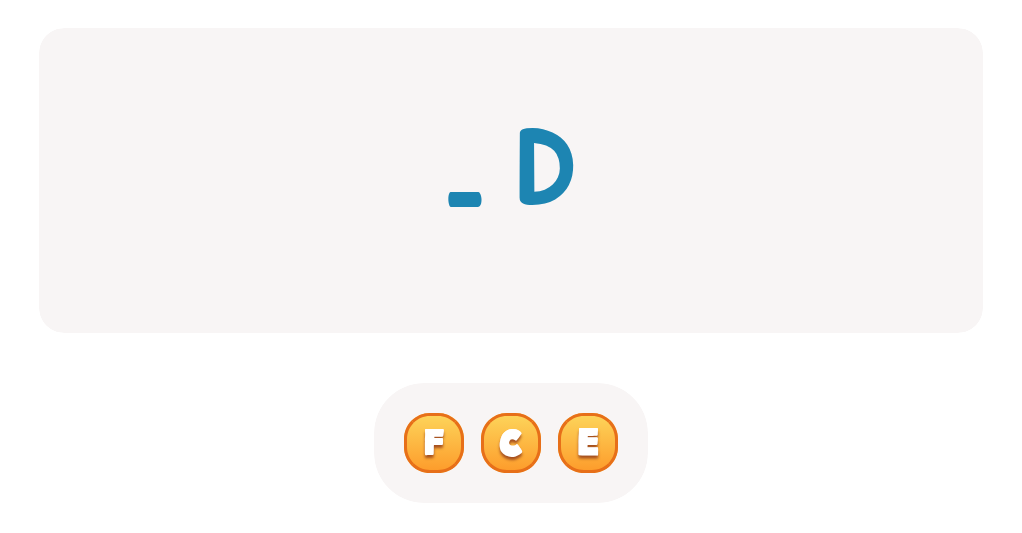

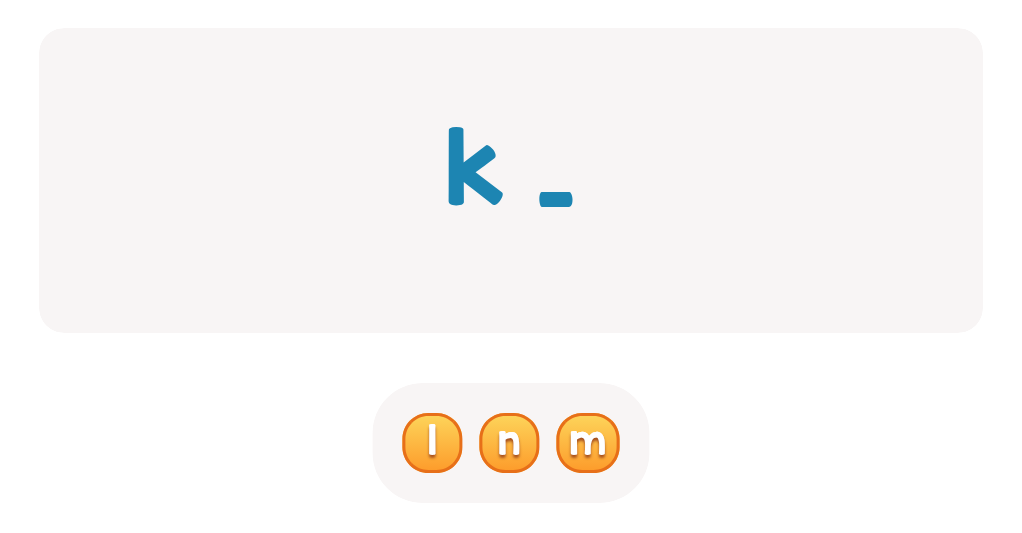
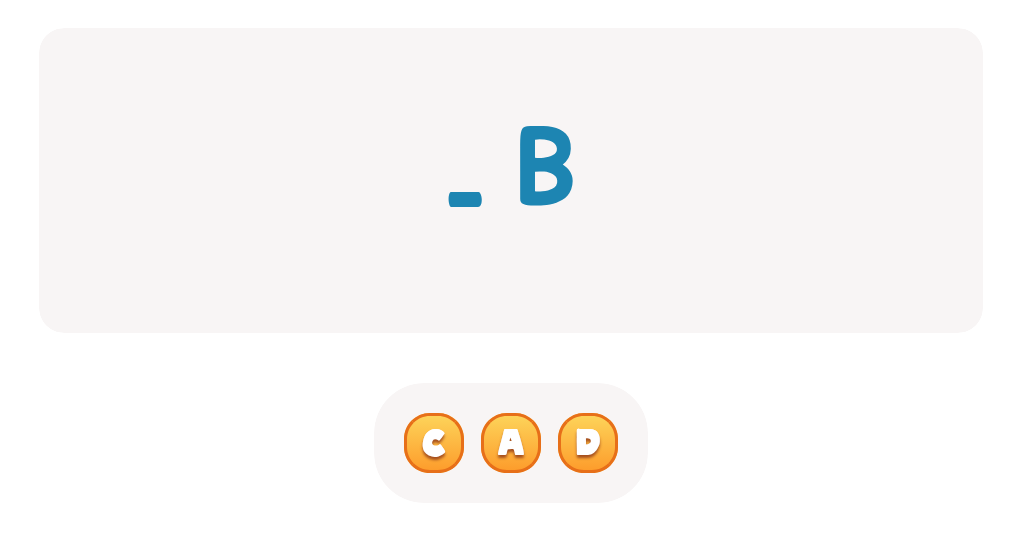
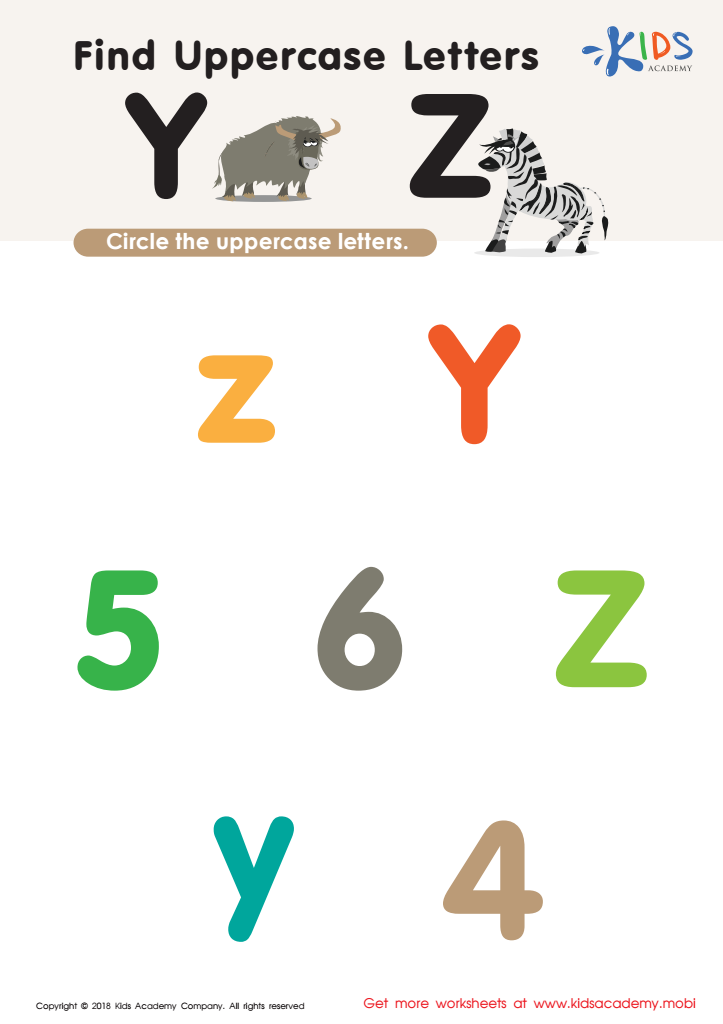
Find Uppercase Letters Y Z Worksheet
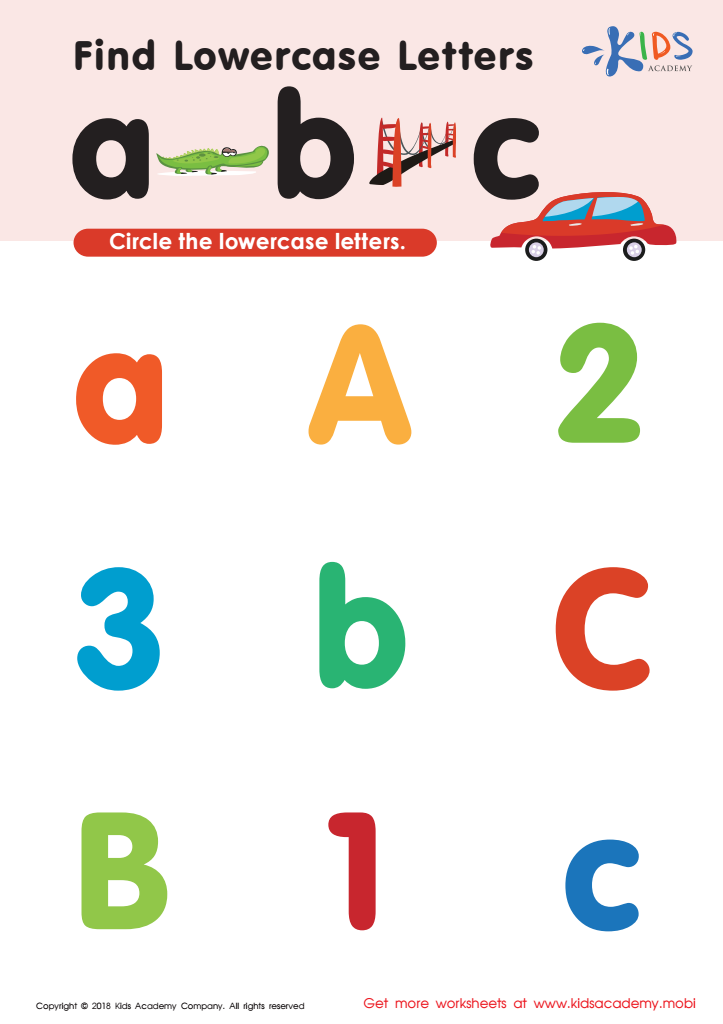
Find lowercase letters a b c Worksheet






Understanding uppercase and lowercase letters is crucial for children aged 6-8, as it forms the foundation for their literacy skills. At this developmental stage, children are typically transitioning from learning individual letters to recognizing how these letters function in words and sentences. Mastering both forms helps them develop reading fluency and writing proficiency. When children understand the distinction between uppercase and lowercase letters, they can better grasp the importance of capitalization, which is essential for proper nouns, beginnings of sentences, and specific grammatical rules.
Additionally, clear letter recognition enhances spelling abilities, as children learn to associate each letter with its corresponding sound. This phonemic awareness is vital for decoding words while reading and constructing sentences while writing.
Moreover, early mastery of alphabet recognition promotes self-confidence and a love for reading and writing. Children who can easily identify and utilize letters in both forms are more likely to engage with texts, thereby enriching their vocabulary and comprehension skills. Therefore, parents and teachers play a pivotal role in fostering a supportive learning environment that emphasizes the importance of letter understanding, as it ultimately contributes to a child's academic success and lifelong learning enthusiasm.







