Alphabet Recognition Normal English for Beginners Worksheets for Ages 6-8
19 filtered results
-
From - To
Unlock the world of letters with our "Alphabet Recognition Normal English for Beginners Worksheets," designed specifically for children ages 6-8. These engaging printable worksheets help young learners develop essential skills in recognizing and writing the English alphabet. Each activity focuses on letter identification, blending fun illustrations with clear instructions to maintain interest and encourage continued practice. Perfect for English language learners, these worksheets promote foundation-building in literacy, paving the way for reading and writing success. Explore creative ways to support your child's learning journey while setting them up for academic excellence with our carefully crafted resources. Start your alphabet adventure today!
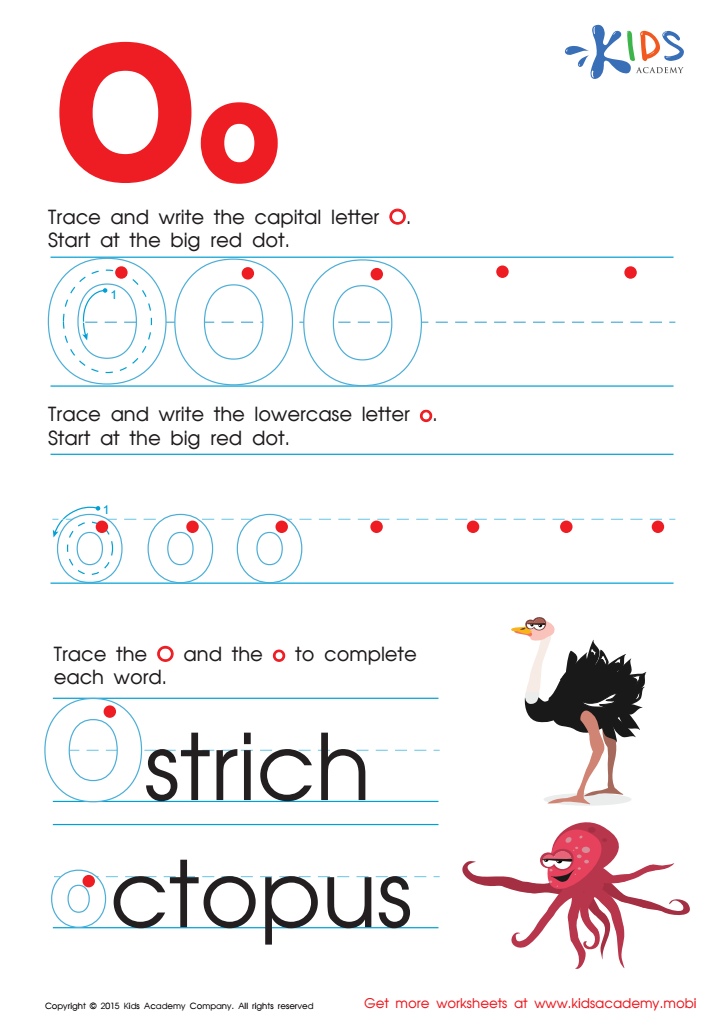
Letter O Tracing Page
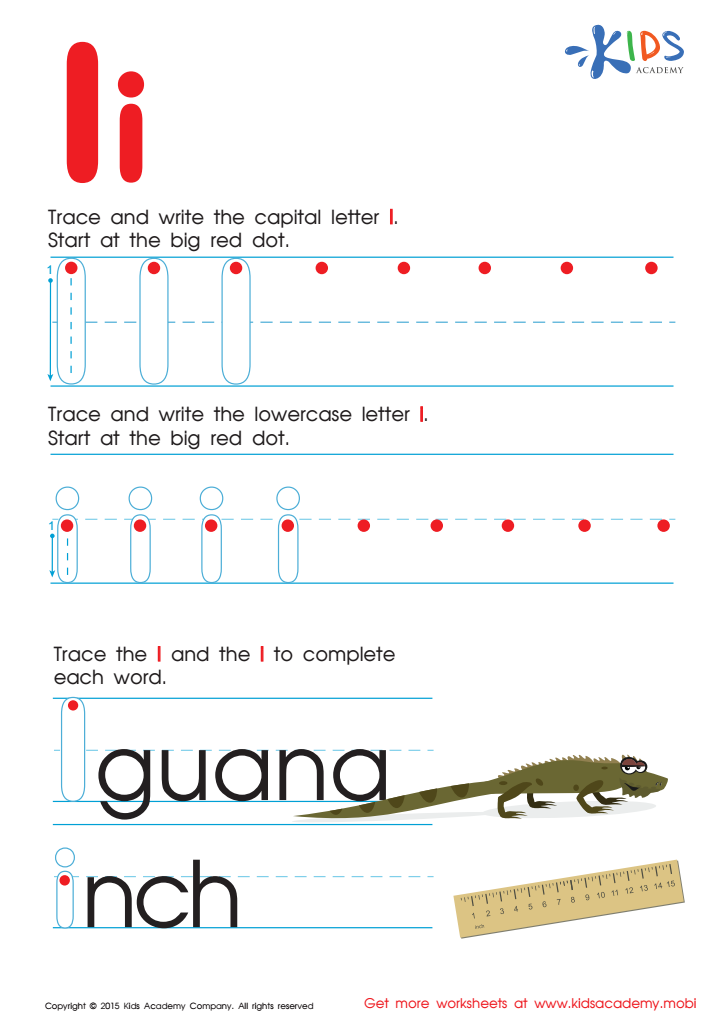
Letter I Tracing Page
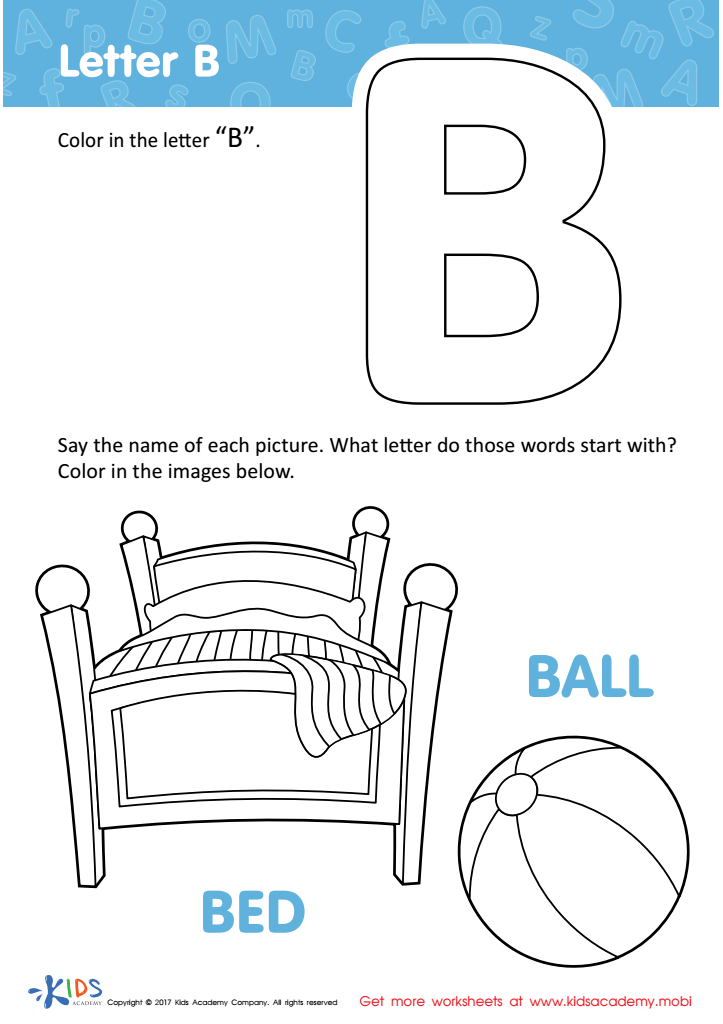
Letter B Coloring Sheet
 Assign to My Students
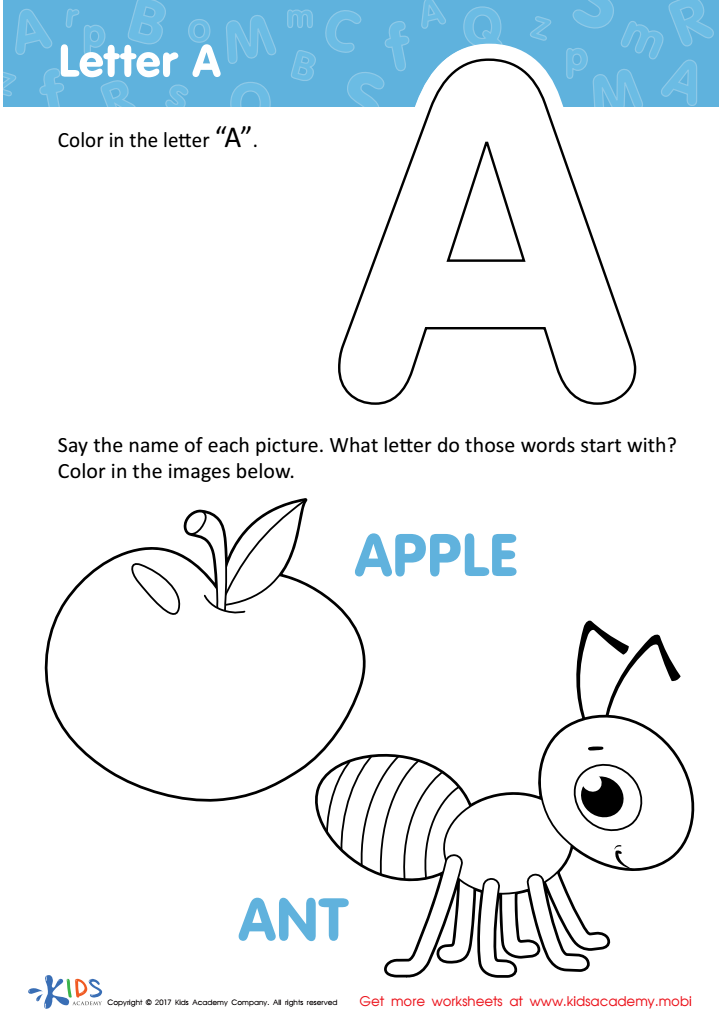
Letter A Coloring Sheet
Assign to My Students
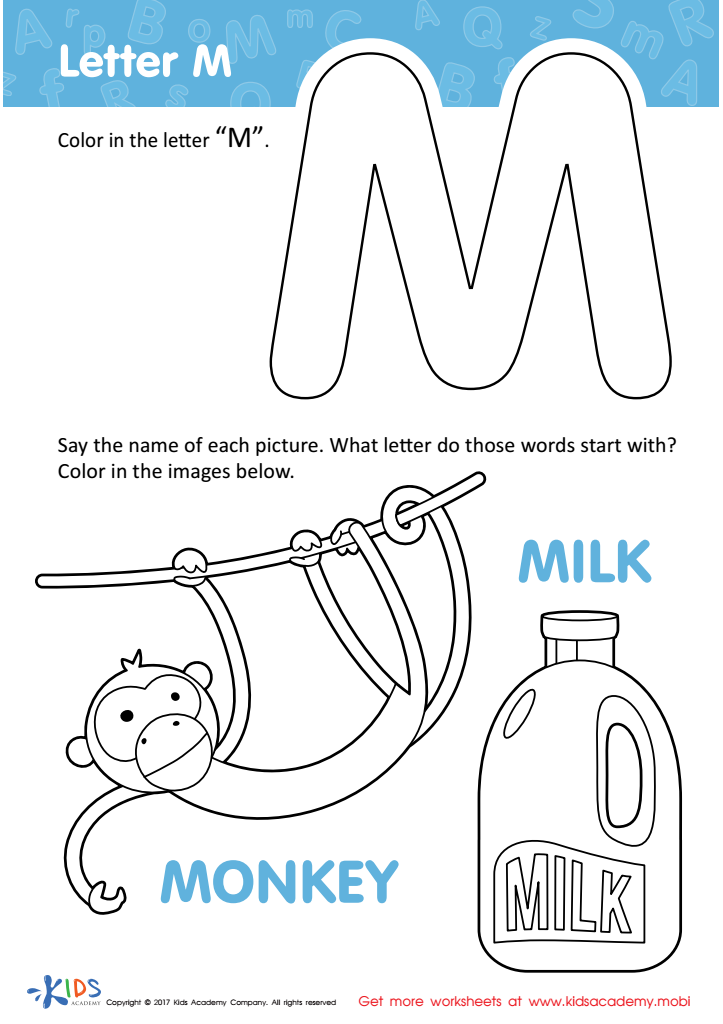
Letter M Coloring Sheet
Assign to My Students
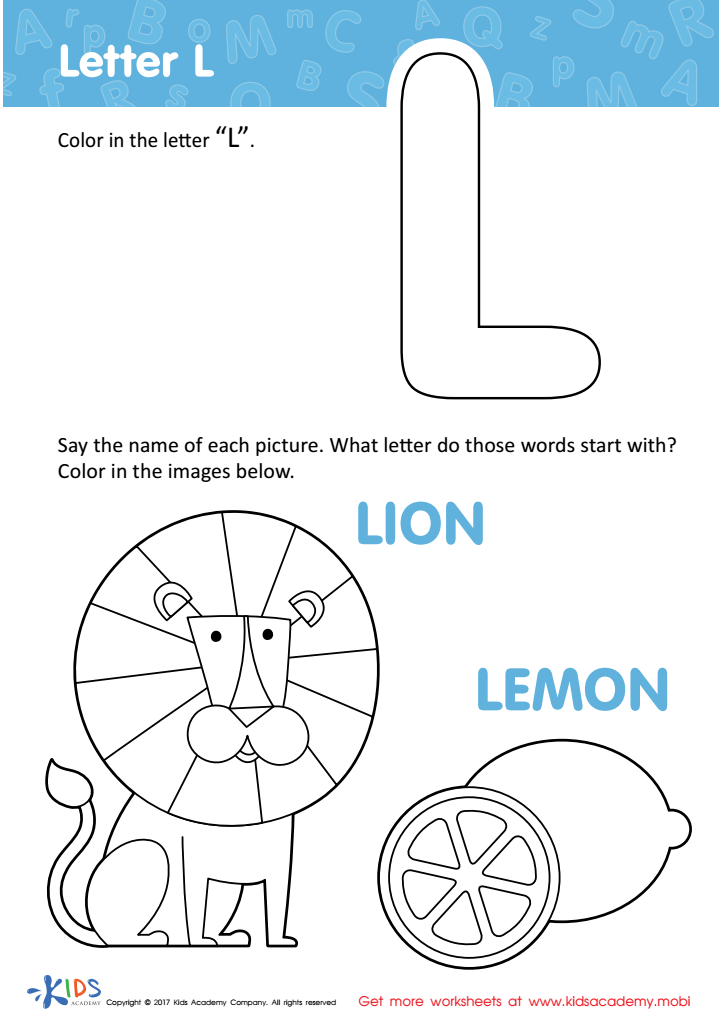
Letter L Coloring Sheet
Assign to My Students
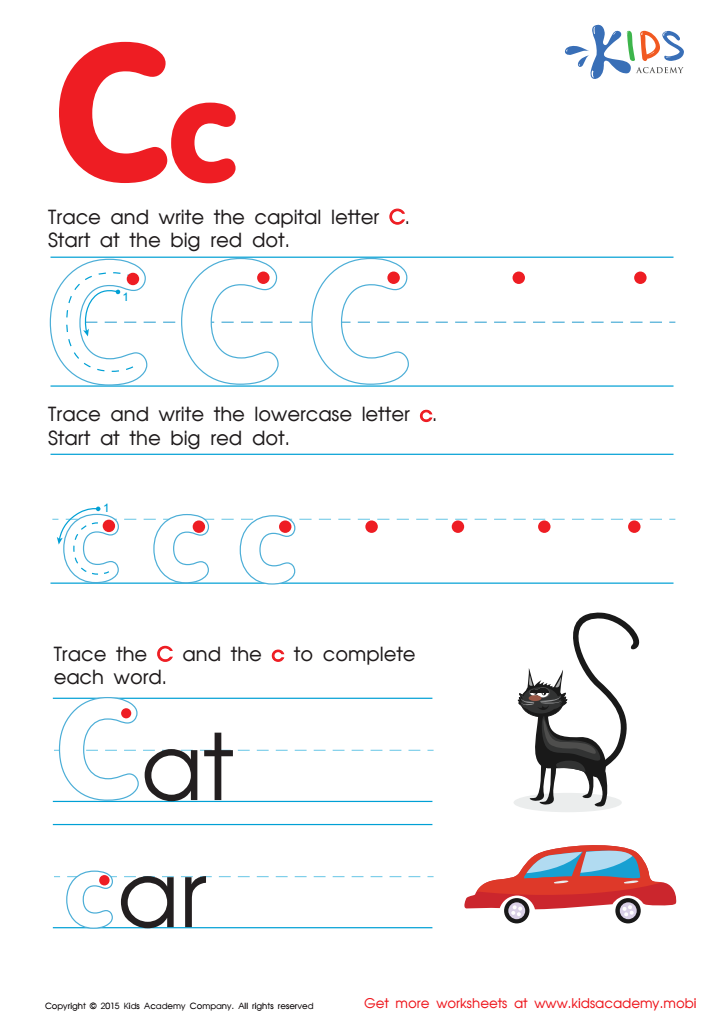
Letter C Tracing Page
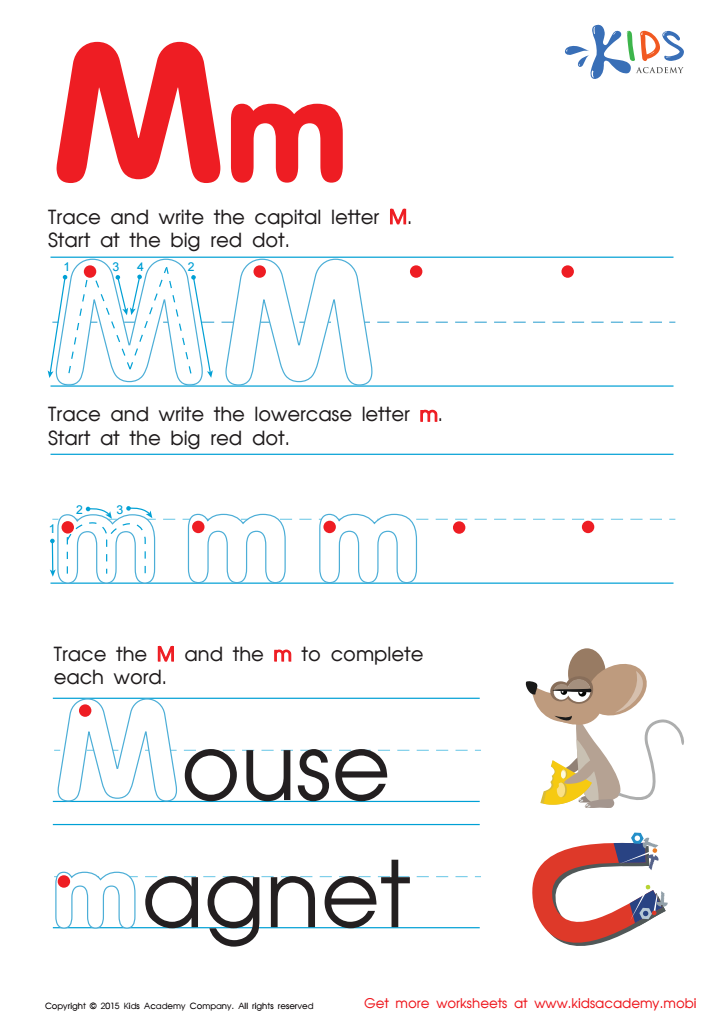
Letter M Tracing Page
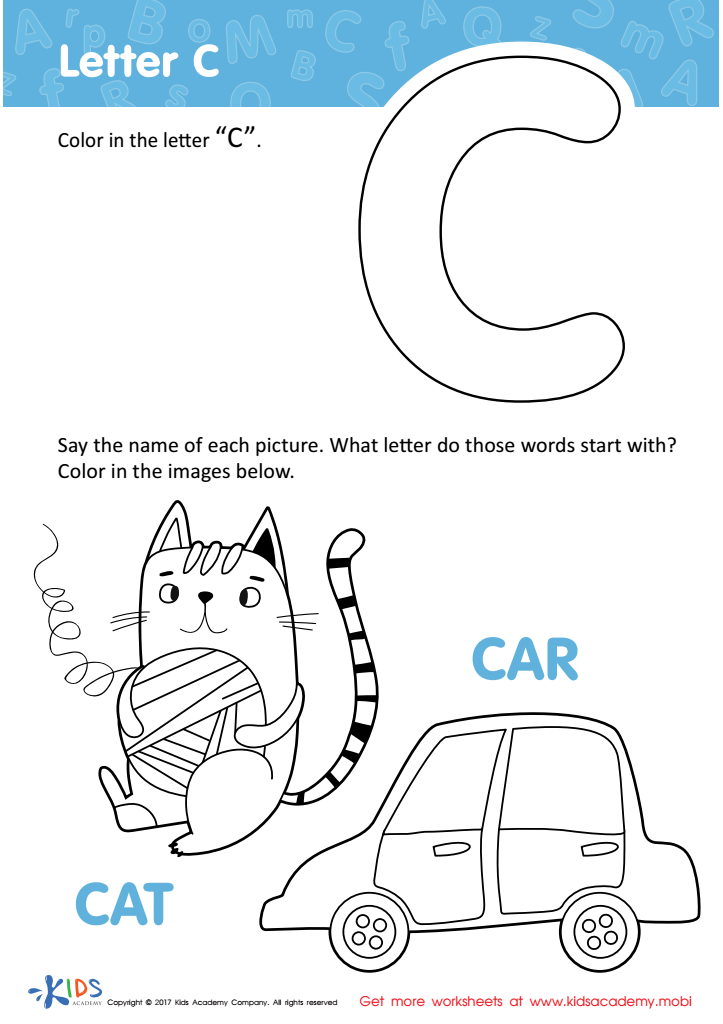
Letter C Coloring Sheet
Assign to My Students
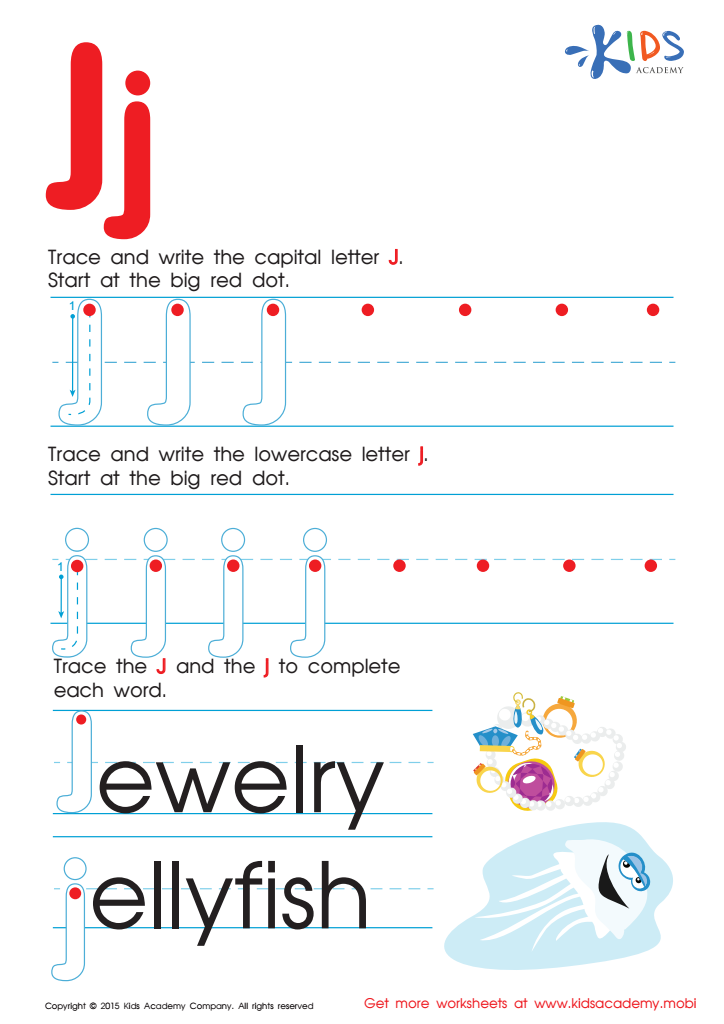
Letter J Tracing Page
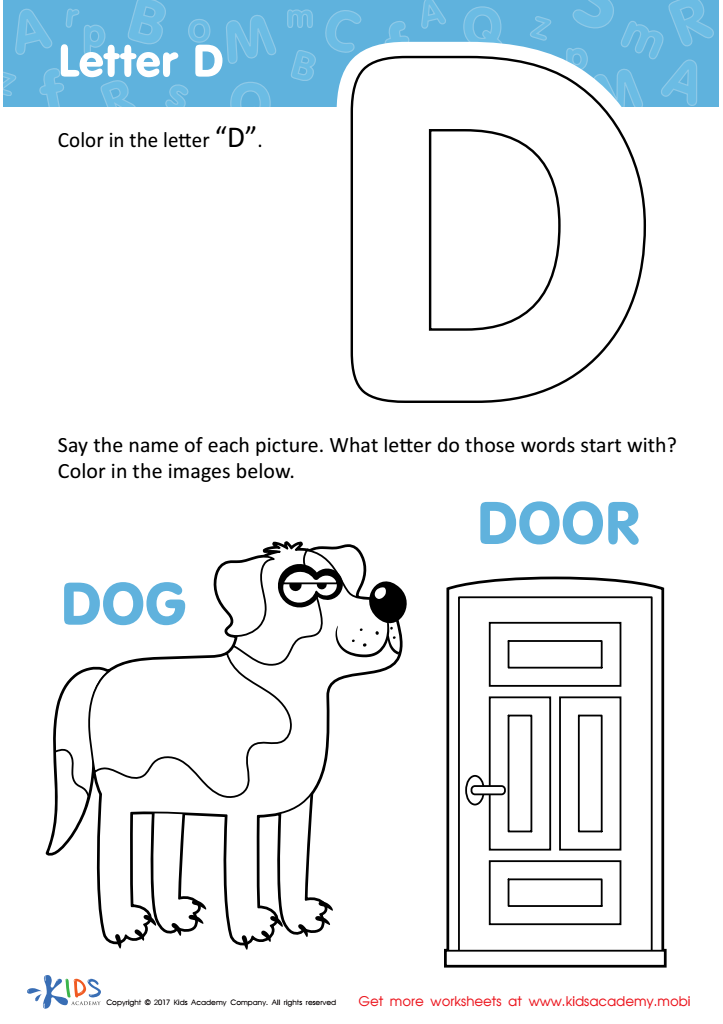
Letter D Coloring Sheet
Assign to My Students
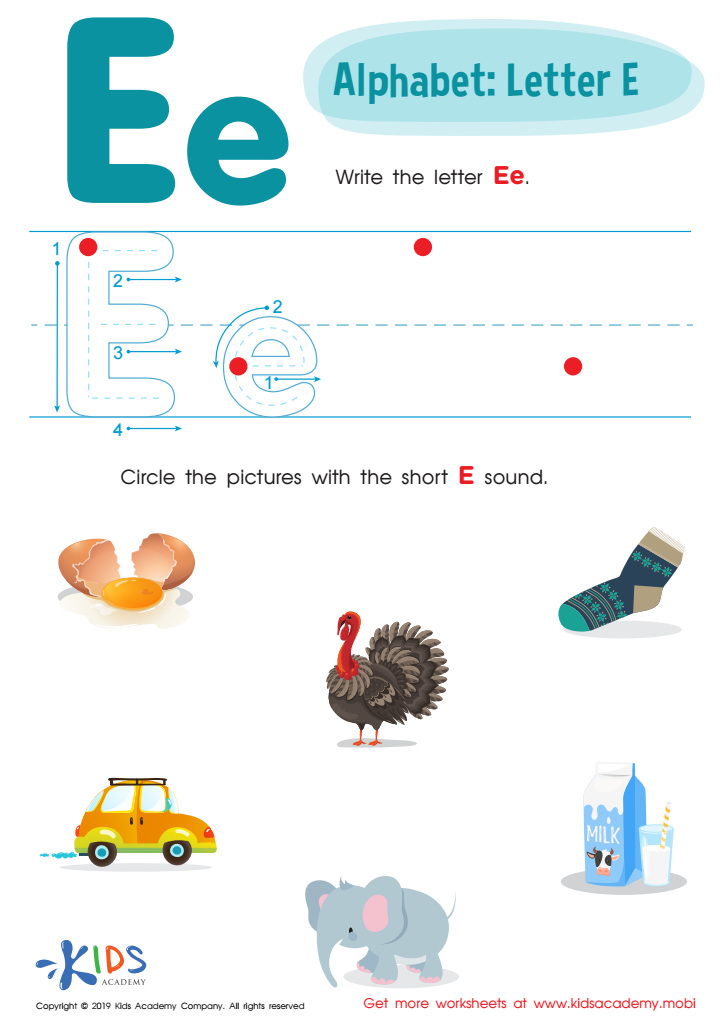
Letter E Tracing Worksheet
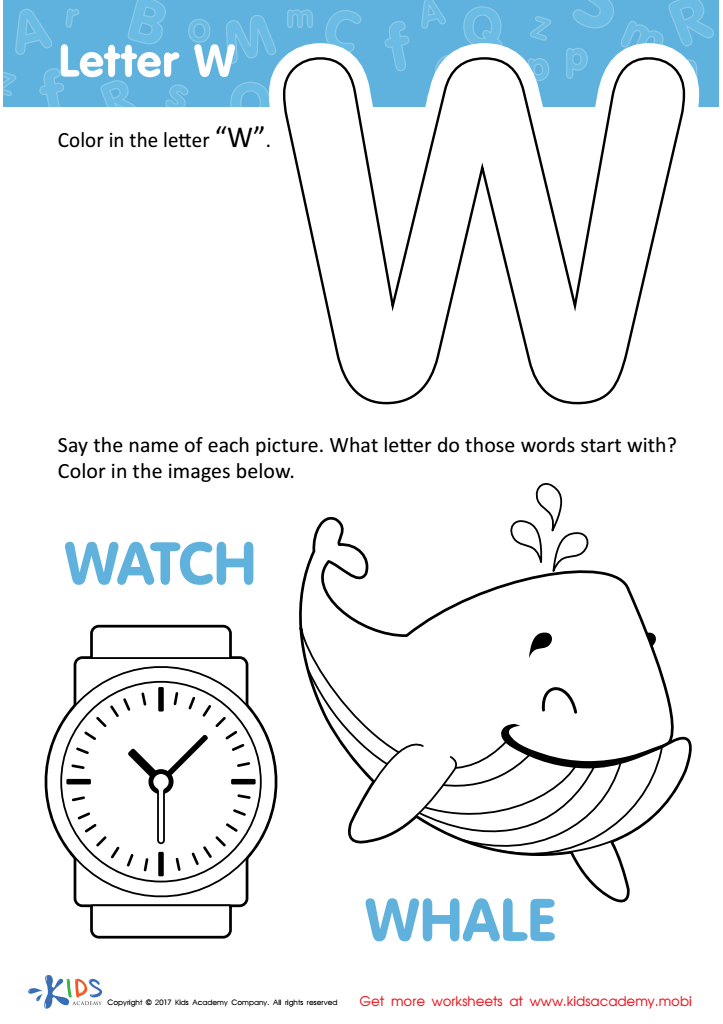
Letter W Coloring Sheet
Assign to My Students
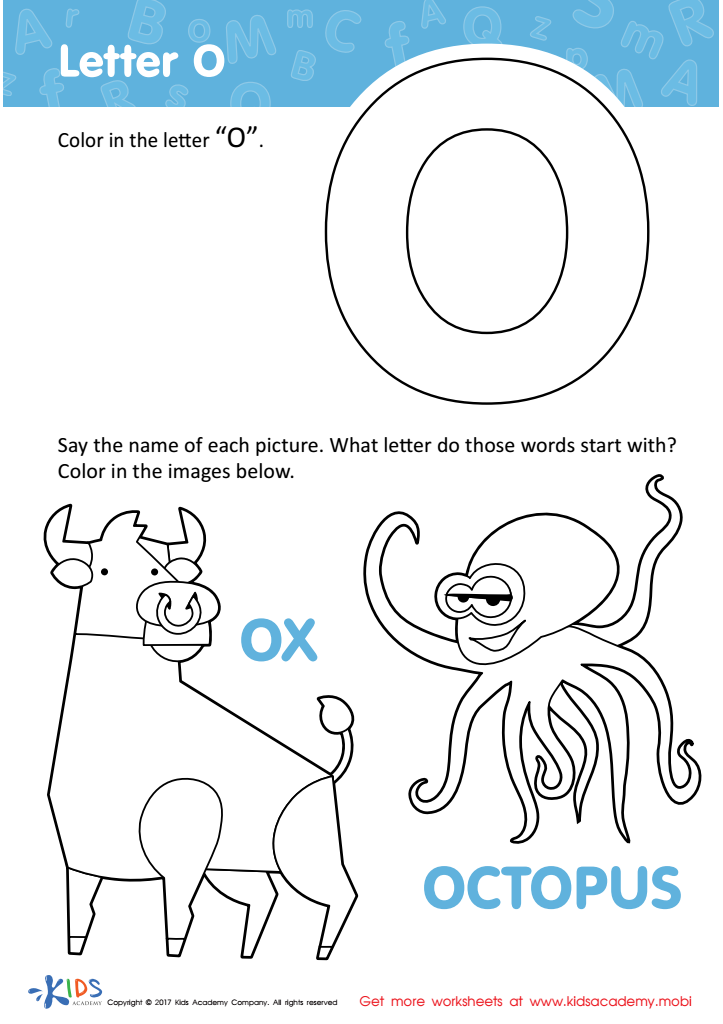
Letter O Coloring Sheet
Assign to My Students
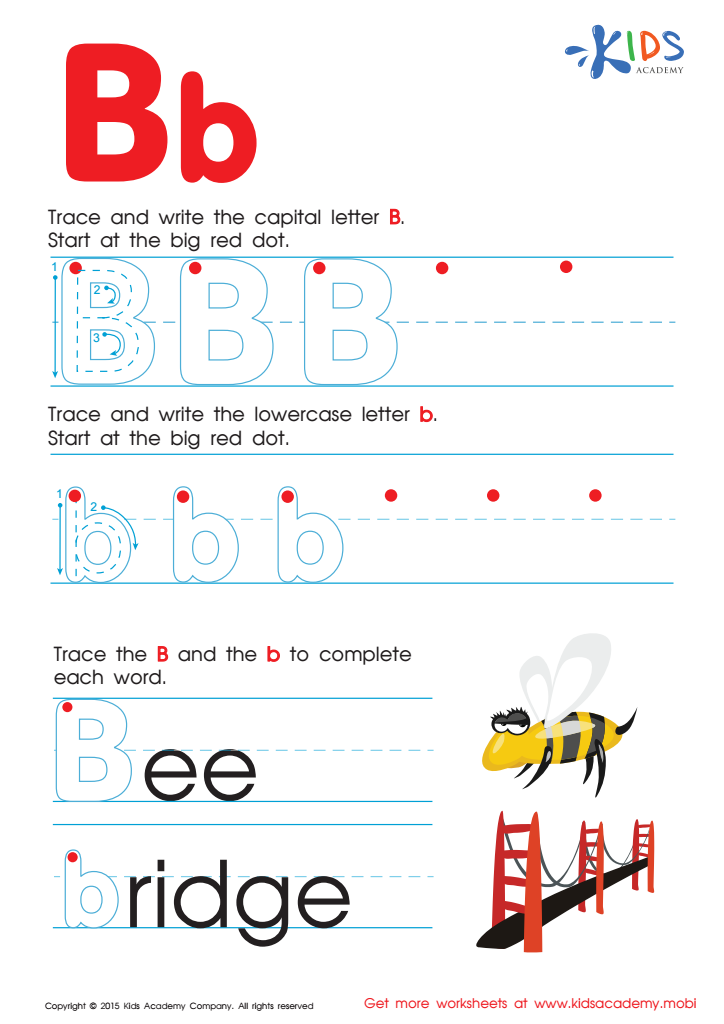
Letter B Tracing Page
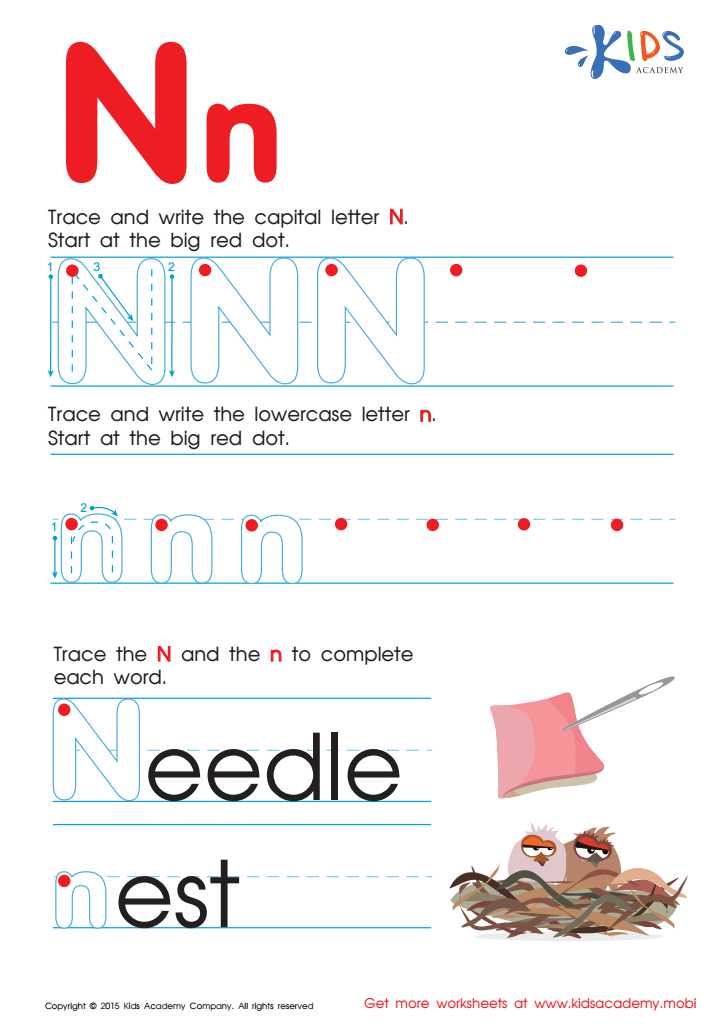
Letter N Tracing Page
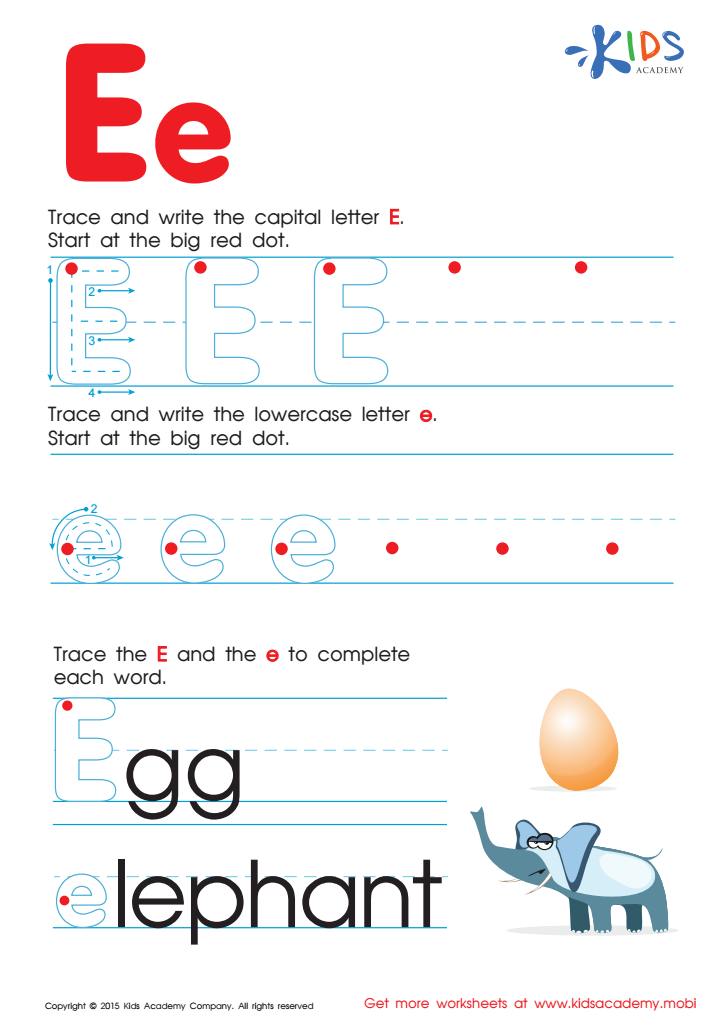
Letter E Tracing Page
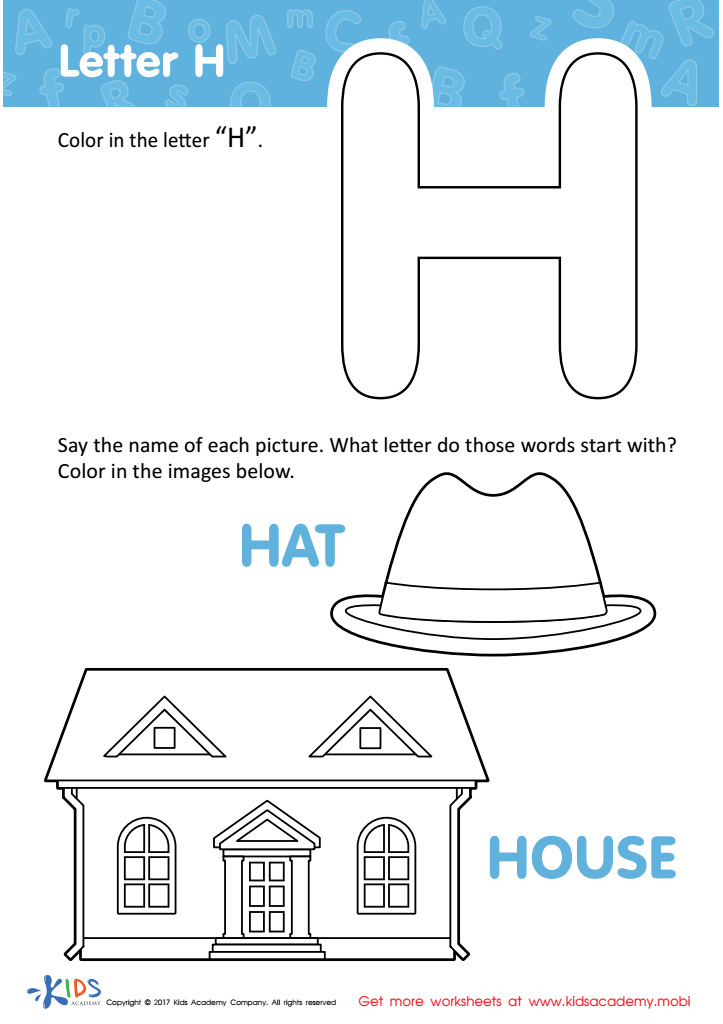
Letter H Coloring Sheet
Assign to My Students
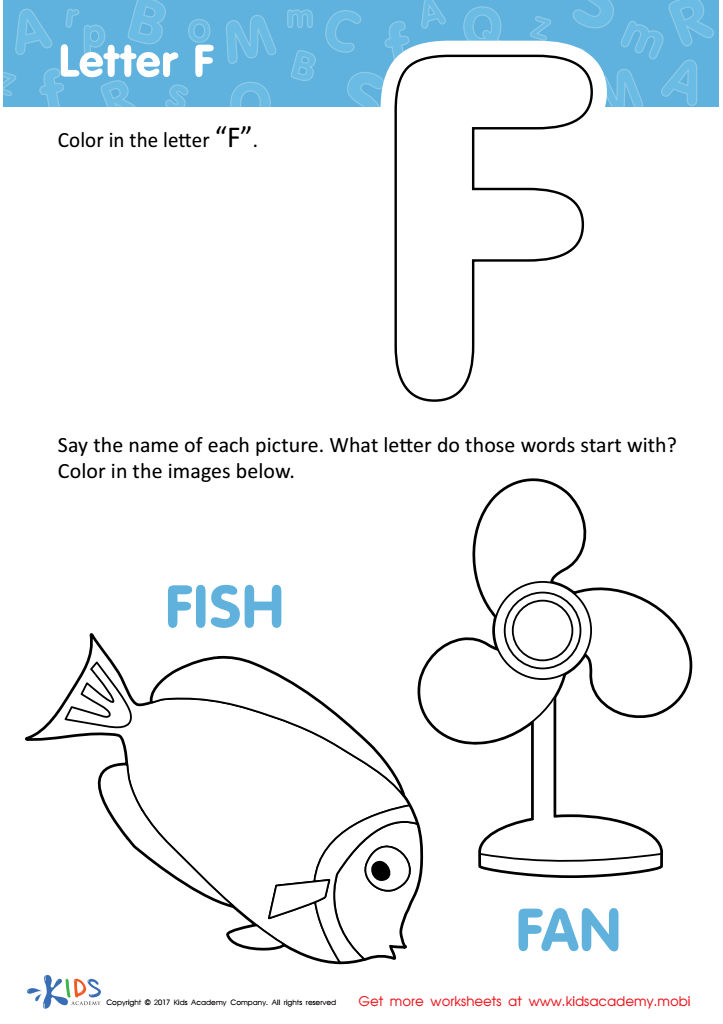
Letter F Coloring Sheet
Assign to My Students





Alphabet recognition is a fundamental skill crucial for early literacy development in children aged 6-8. Parents and teachers should prioritize this skill because it serves as the foundational building block for reading and writing. When children can easily recognize letters, they gain confidence in their ability to decode words, which ultimately leads to enhanced literacy skills.
Moreover, knowing the alphabet is vital for vocabulary expansion and comprehension. Children start recognizing their names, signs, books, and even words in their environment, fostering a sense of curiosity and learning. Alphabet recognition also supports phonemic awareness, helping children to understand the sounds associated with letters, a key component for effective reading.
Additionally, recognizing letters is linked to improved academic performance across subjects, as literacy is intertwined with learning in areas like math and science. By nurturing alphabet recognition, parents and teachers provide a strong foundation for ongoing academic success.
Engaging in fun, interactive activities and using age-appropriate materials can make learning enjoyable, encouraging a love for learning. Ultimately, ensuring children acquire strong alphabet recognition skills leads to richer educational experiences and prepares them for future challenges in the classroom and beyond.