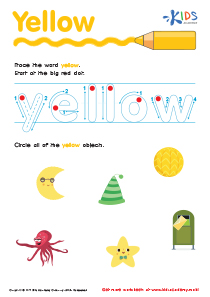
Motor skills development Normal English for Beginners Worksheets for Ages 6-8
3 filtered results
-
From - To
Unlock your child's potential with our Motor Skills Development Worksheets for Ages 6-8. Specially designed for beginners in English, these worksheets focus on enhancing fine motor skills through engaging activities. Your child will enjoy tracing, drawing, and writing exercises that not only improve hand-eye coordination but also lay a strong foundation for language learning. Suitable for children of all skill levels, our worksheets make learning fun and effective. Perfect for both classroom and at-home practice, these resources will help your child confidently progress in their academic journey. Start developing essential motor skills today!
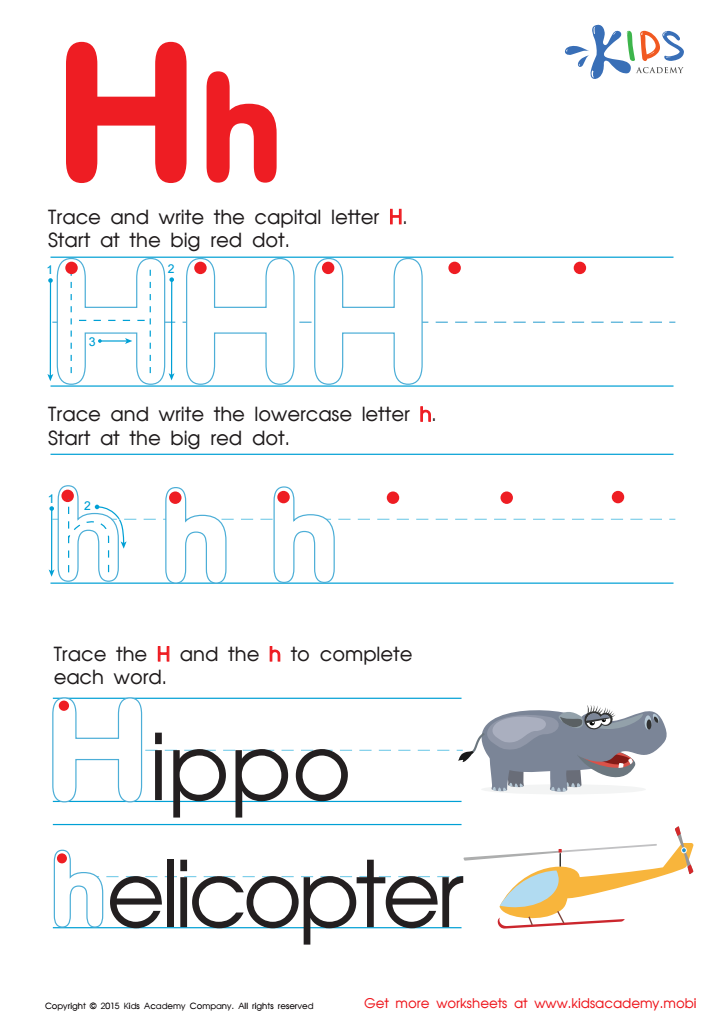
Letter H Tracing Page
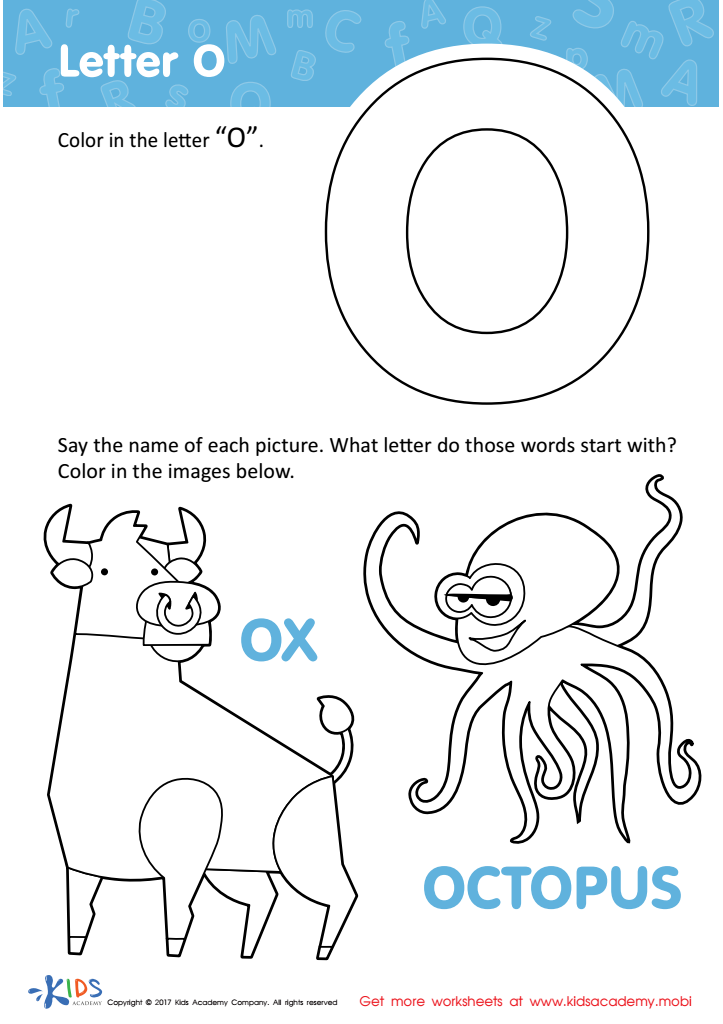
Letter O Coloring Sheet
 Assign to My Students
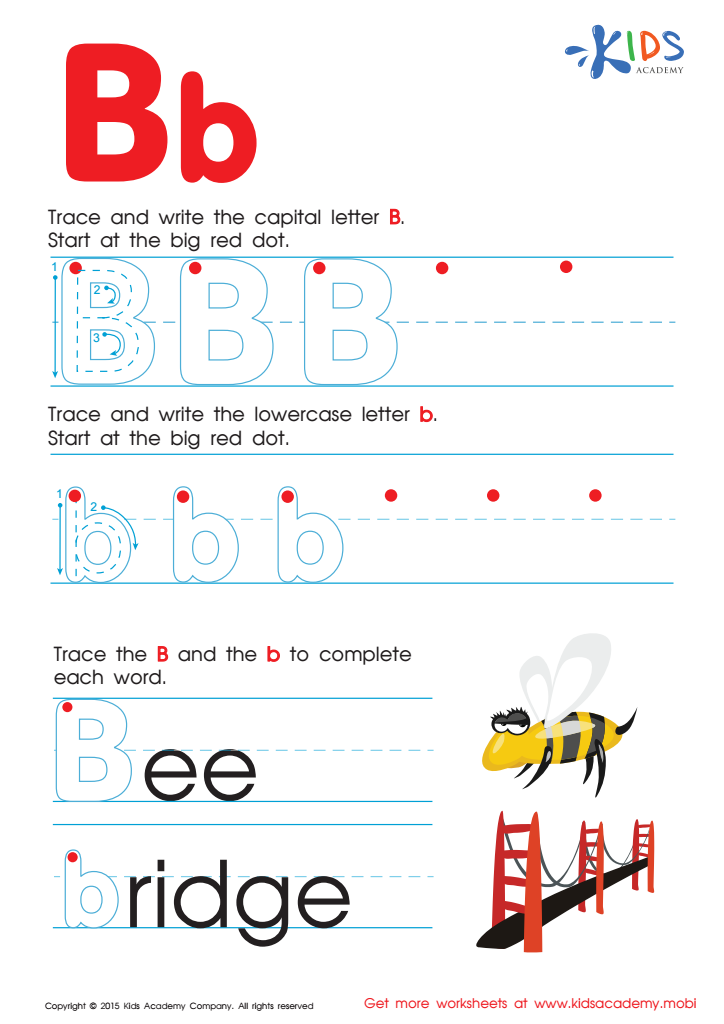
Letter B Tracing Page




Motor skills development is very important for children aged 6-8. These are the skills that allow kids to make movements with their bodies, like running, jumping, writing, and cutting with scissors. Good motor skills help children do everyday tasks more easily and without getting too tired.
First, strong motor skills make it easier for kids to play and learn. When children can move well, they can join in games and do activities that help them make friends and stay healthy. For example, if a child can kick a ball, they can play soccer with other kids. This makes them happy and helps them feel like part of the group.
Second, motor skills are also important for things children need to do in school. Good hand-eye coordination helps kids hold a pencil and write clearly. It also helps them cut paper for art projects, tie their shoelaces, and even button their clothes. These are all tasks that they need to do independently every day.
By paying attention to motor skills development, parents and teachers can help children grow strong and confident. This support teaches kids that practice makes perfect and encourages them to keep trying. In short, caring about motor skills helps children succeed both in school and in life.