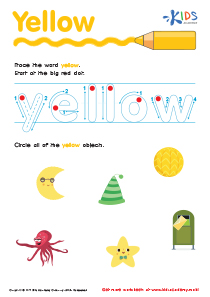
Spelling practice Normal English for Beginners Worksheets for Ages 6-8
11 filtered results
-
From - To
Unlock the joy of spelling with our "Normal English for Beginners Worksheets" designed specifically for children aged 6-8. These engaging, age-appropriate worksheets make learning vocabulary fun and effective, perfect for those starting their journey in English as a second language. Each worksheet focuses on foundational spelling skills, featuring interactive exercises that promote practice and retention. Kids will enjoy colorful illustrations and engaging activities that encourage them to explore words and build confidence in their spelling abilities. Download our free resources today and watch your child thrive in their English learning adventure! Perfect for classrooms and home learning.
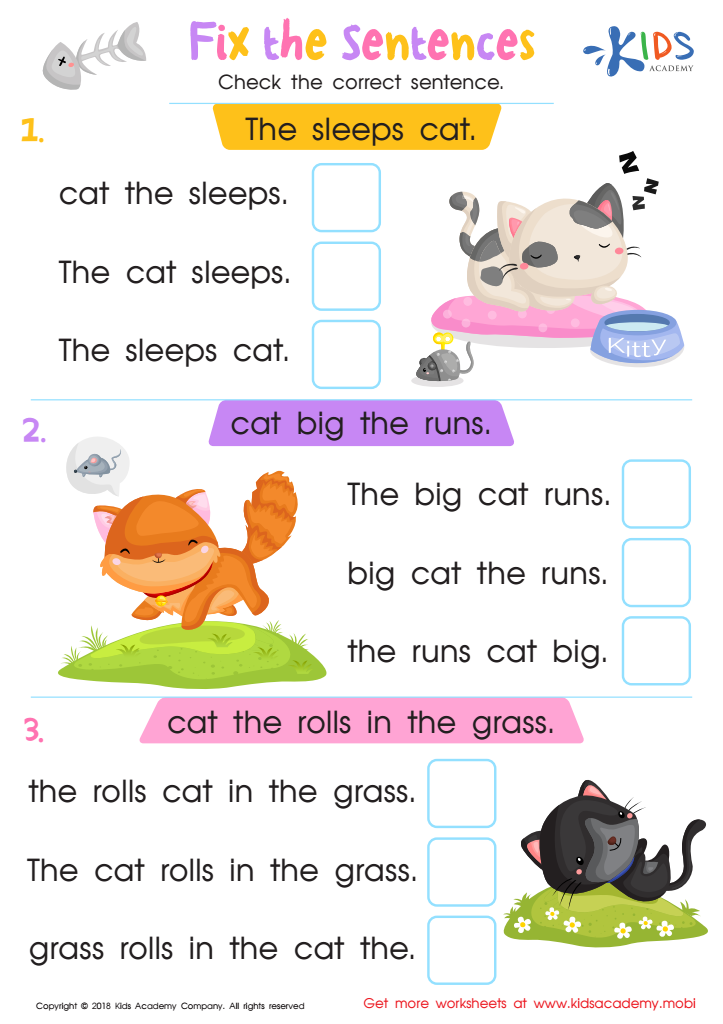
Fix the Sentences Worksheet
 Assign to My Students
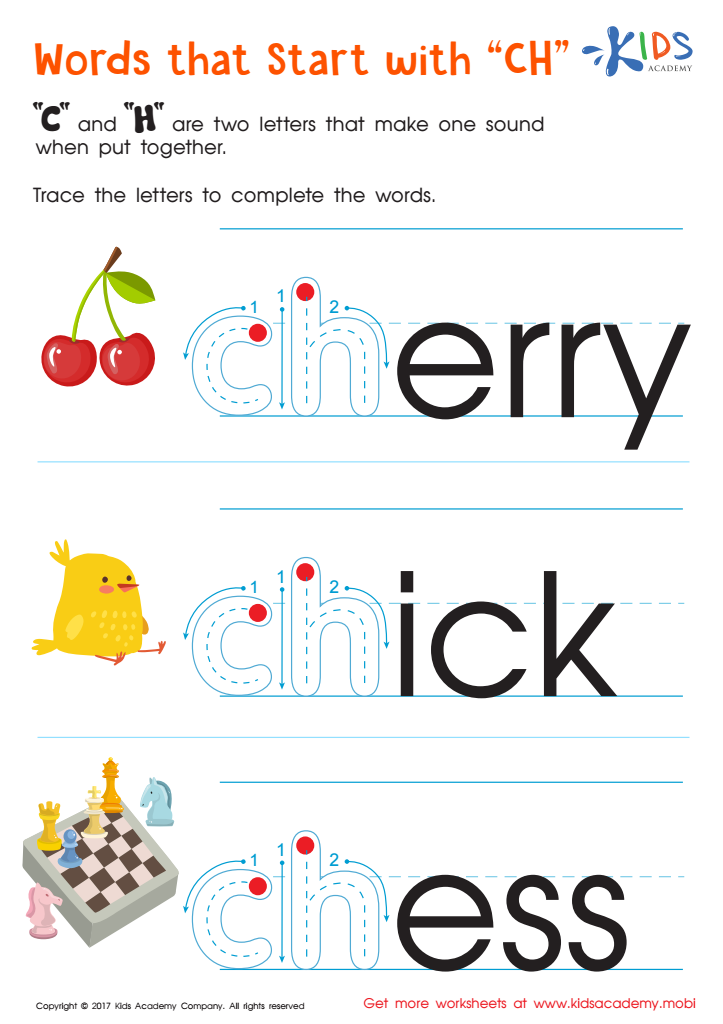
Words That Start with "ch" Spelling Worksheet
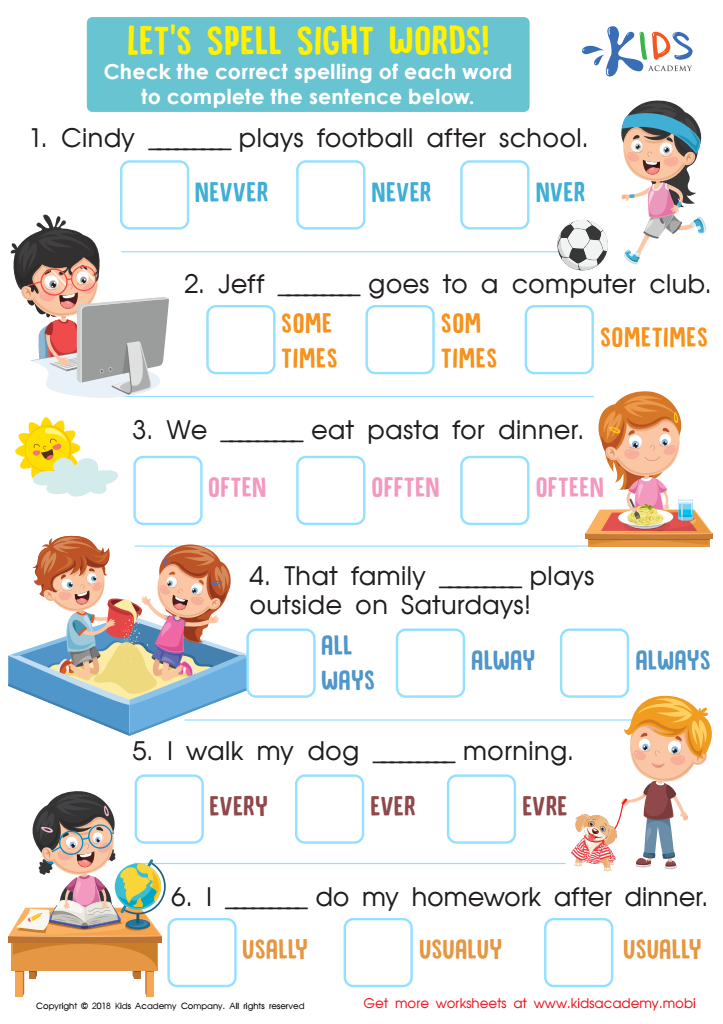
Let's Spell Sight Words Worksheet
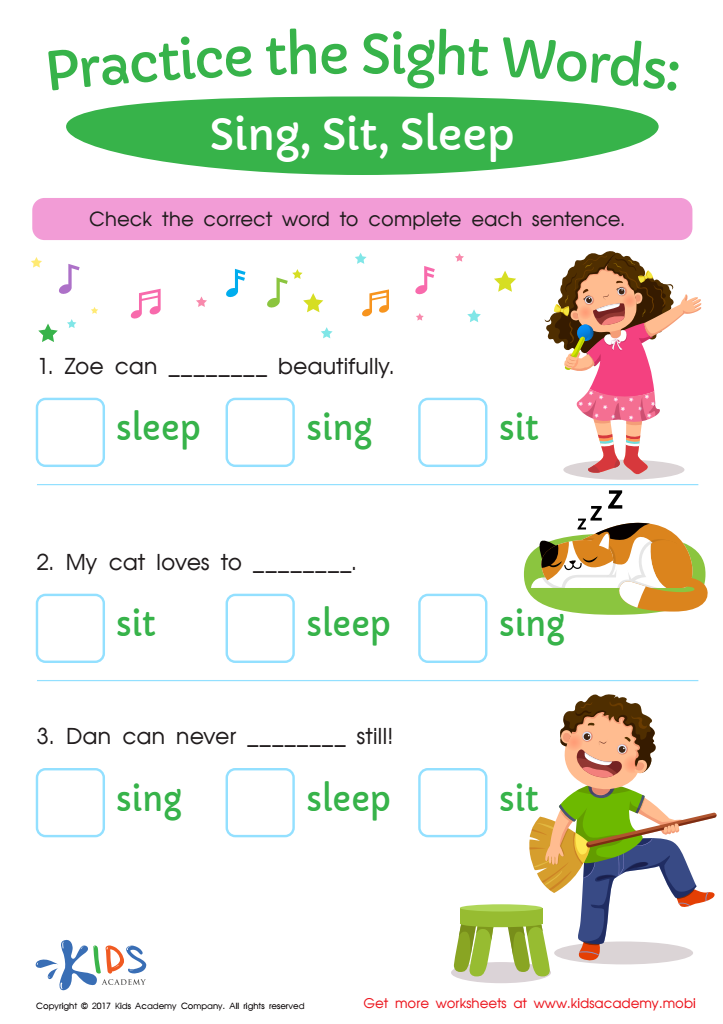
Sing, Sit, Sleep Sight Words Worksheet
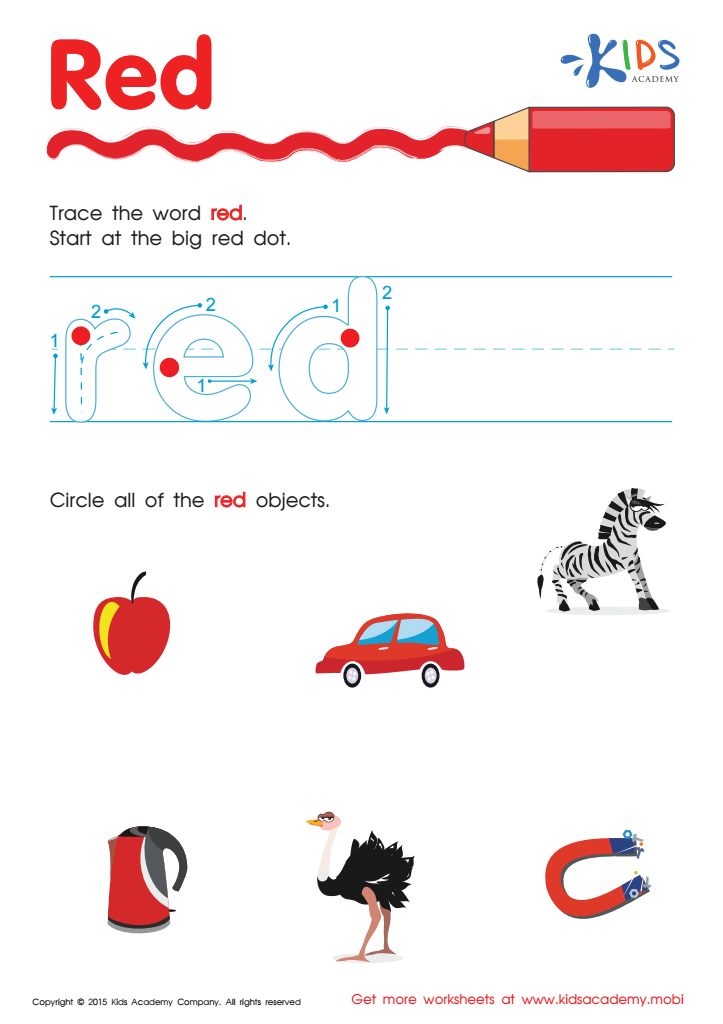
Red Tracing Color Words Printable
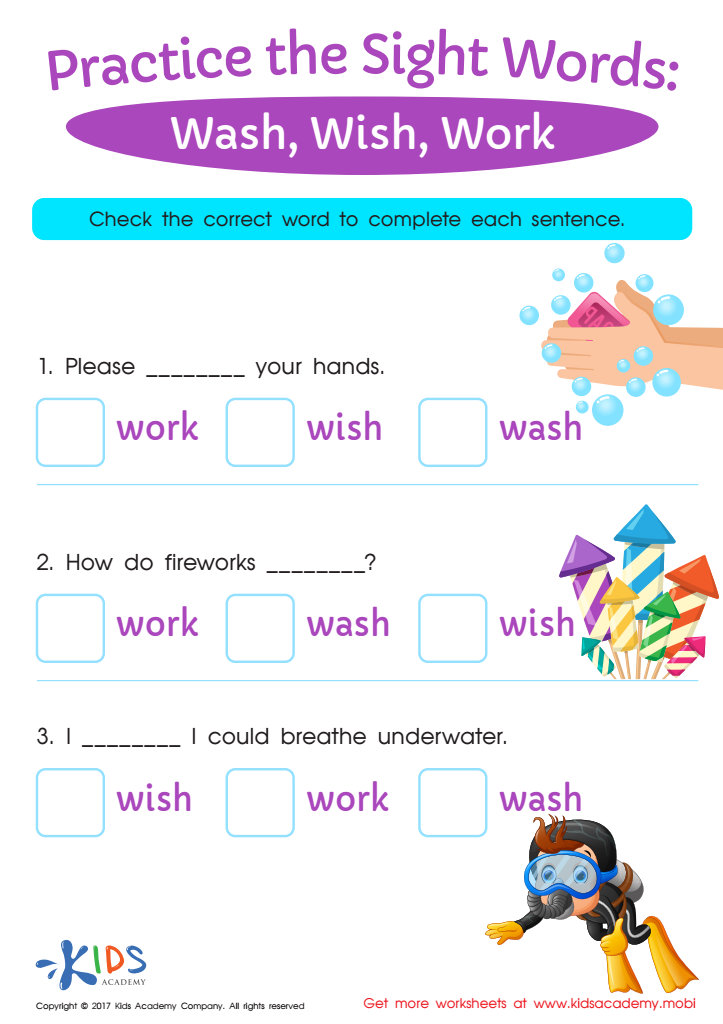
Wash, Wish, Work Sight Words Worksheet
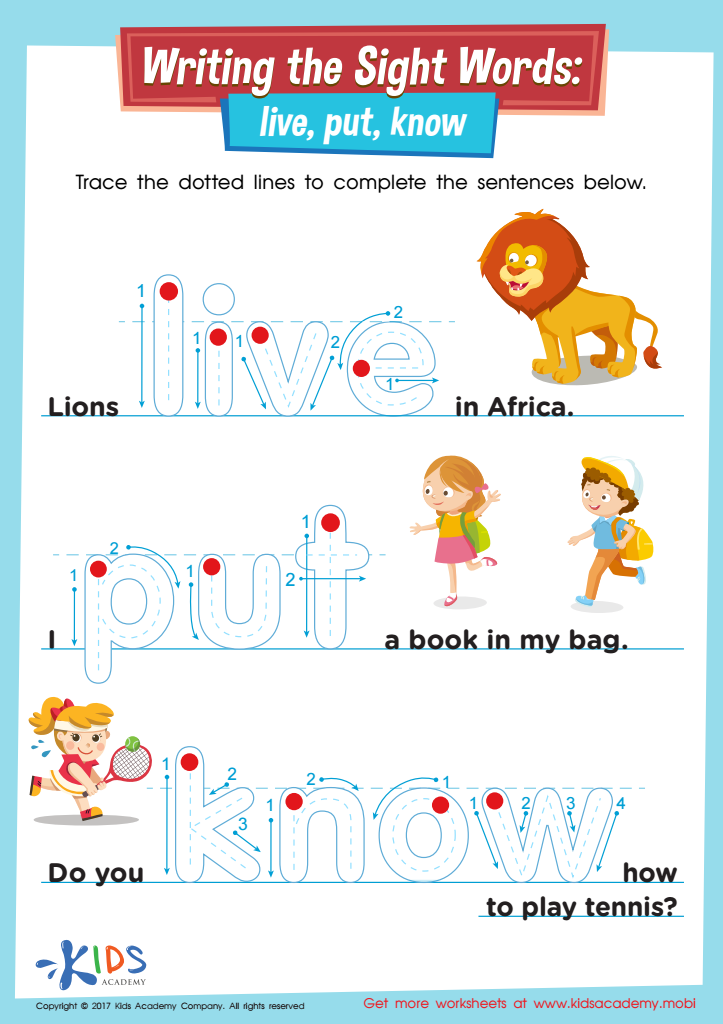
Live, Put, Know Printable Sight Words Worksheet
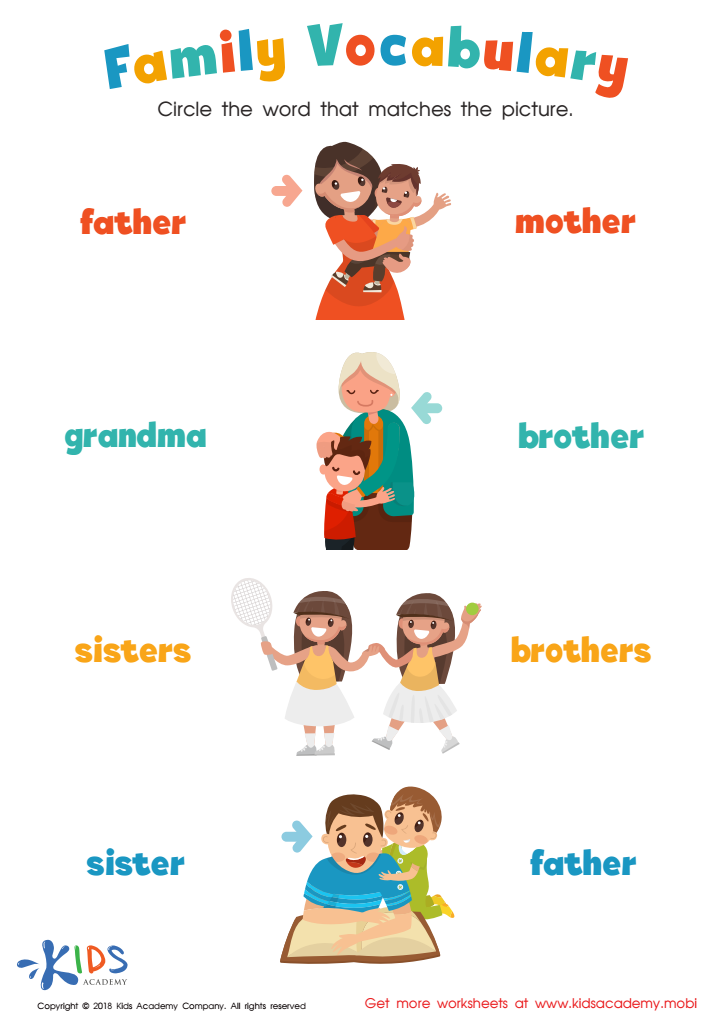
Family Vocabulary Worksheet
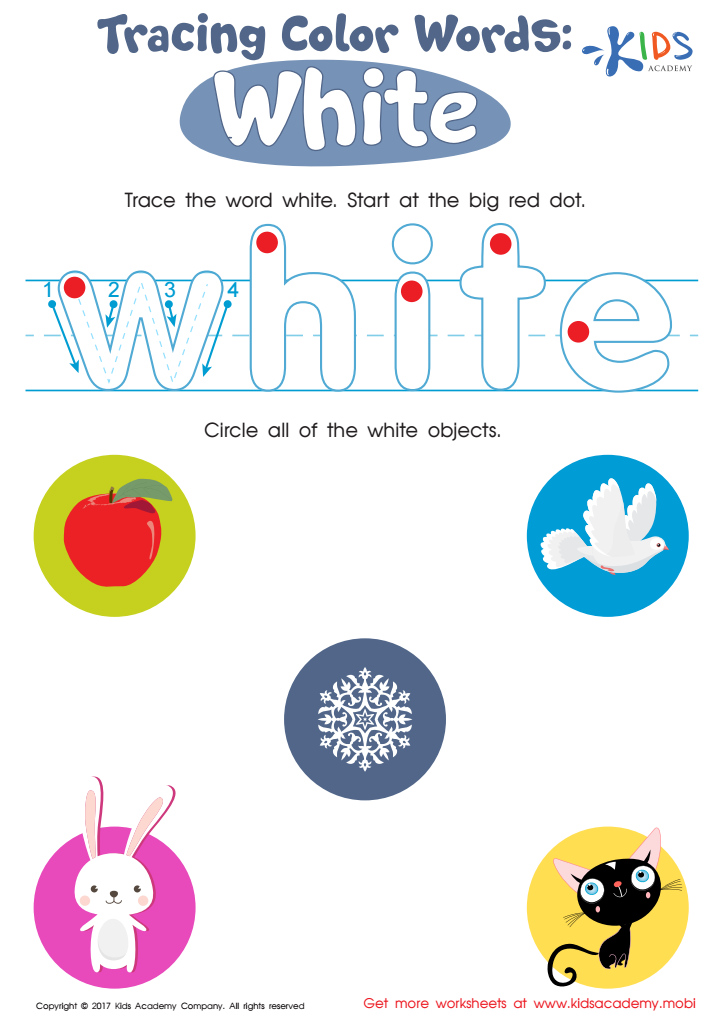
White Tracing Color Words Worksheet
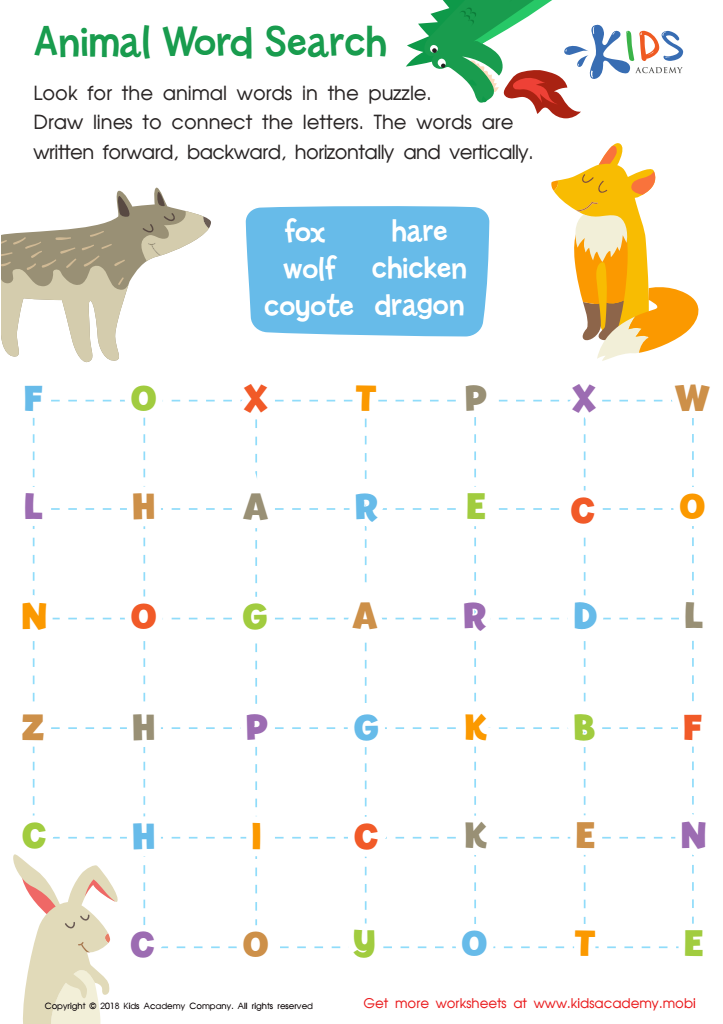
Animal Word Search Worksheet
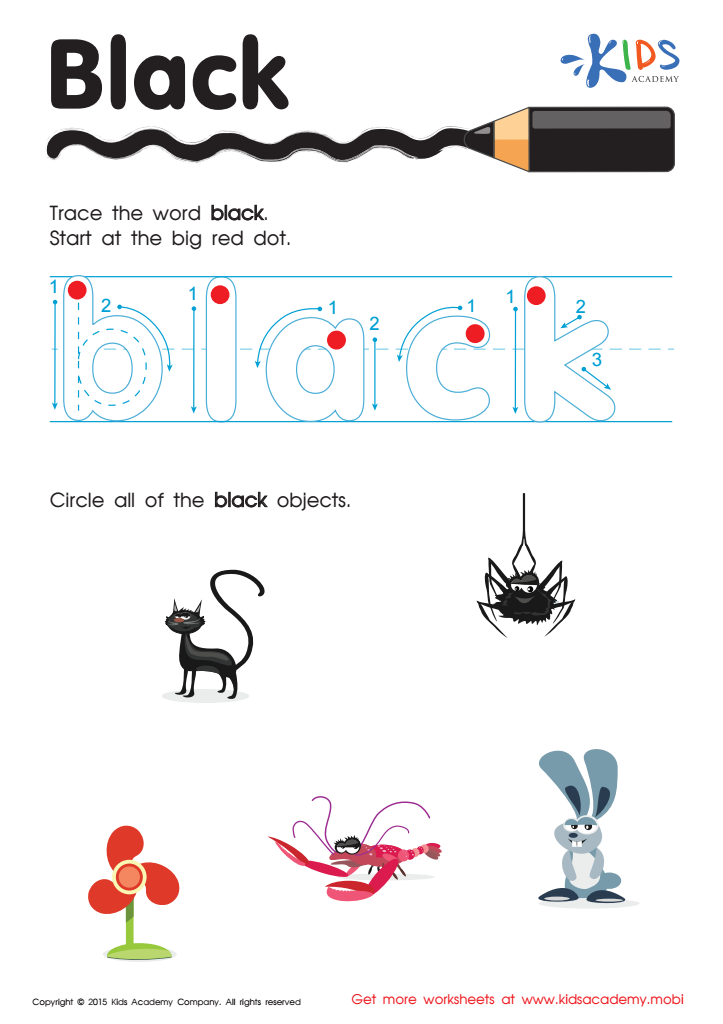
Black Tracing Color Words Printable





Spelling practice is crucial for children aged 6-8 because it lays the foundation for effective communication and literacy skills. At this developmental stage, children are transitioning from learning to read to reading to learn. Mastering spelling not only enhances their reading comprehension but also boosts their writing abilities. As they encounter new words, spelling practice helps them recognize patterns and develop a stronger vocabulary.
Additionally, spelling is linked to overall academic success. Children who struggle with spelling may face challenges in other subjects, affecting their confidence and willingness to participate in class. Regular practice helps to instill discipline and persistence in learning, teaching children that improvement comes with effort.
Moreover, spelling practice can be a fun and engaging process. Incorporating playful activities, games, and interactive lessons can make learning enjoyable and maintain children's interest. When parents and teachers collaborate on spelling practice, they foster a supportive learning environment that encourages exploration and curiosity.
Finally, a strong grasp of spelling promotes effective communication skills. As children articulate their thoughts through writing, they learn to express themselves clearly and confidently. This skill is essential for their future educational journeys and interactions in everyday life.