Reading skills development Normal Building Vocabulary Worksheets for Ages 6-8
3 filtered results
-
From - To
Enhance your child's reading skills with our engaging Building Vocabulary Worksheets designed for ages 6-8! These worksheets provide a fun and interactive way for young learners to expand their vocabulary and improve their comprehension. Featuring a variety of exercises and activities, they encourage kids to explore new words in context, making learning enjoyable. Our resources are specifically crafted to support reading skills development, helping children build confidence as they master essential language concepts. Ideal for homeschooling, classroom use, or extra practice at home, these worksheets empower children to become enthusiastic readers, setting the foundation for lifelong learning. Start building vocabulary today!
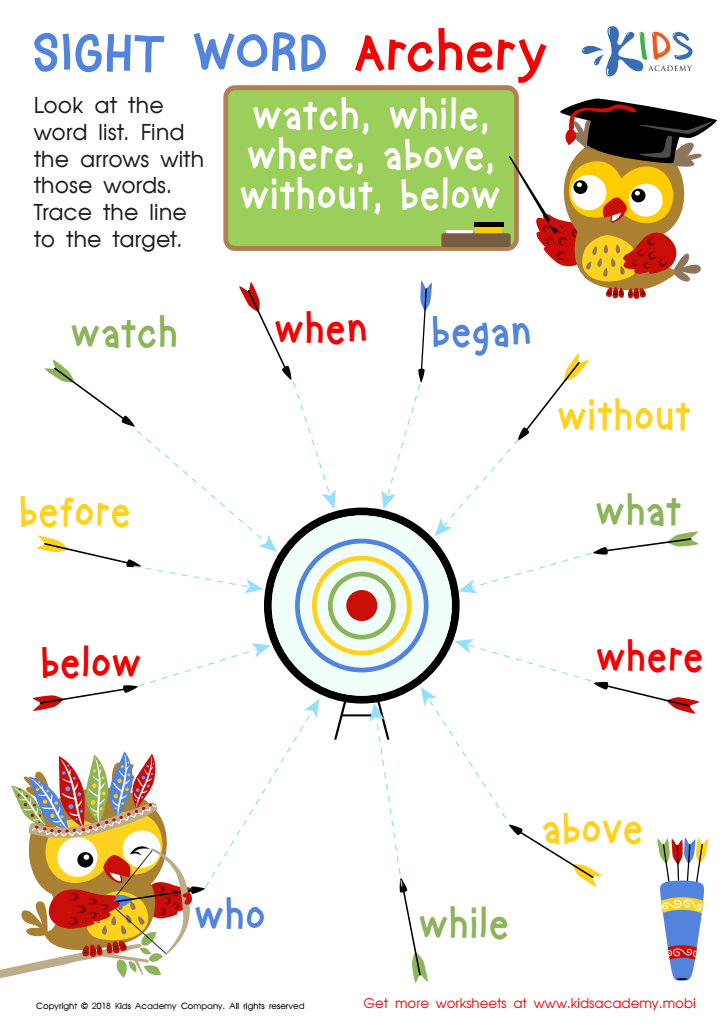
Sight Word Archery Worksheet
 Assign to My Students











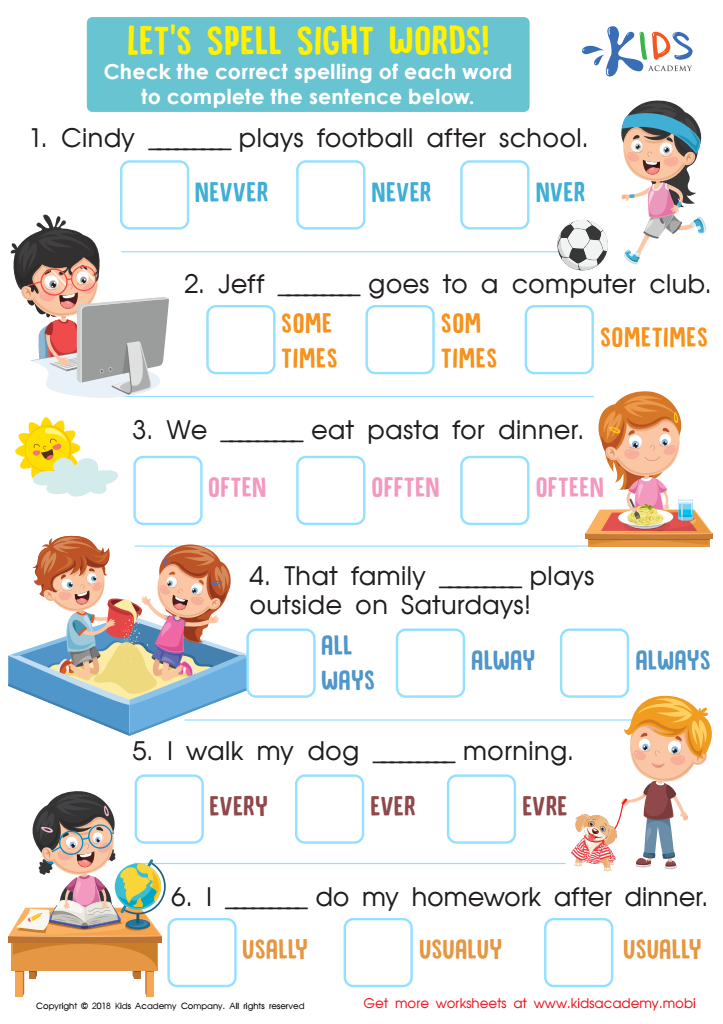
Let's Spell Sight Words Worksheet
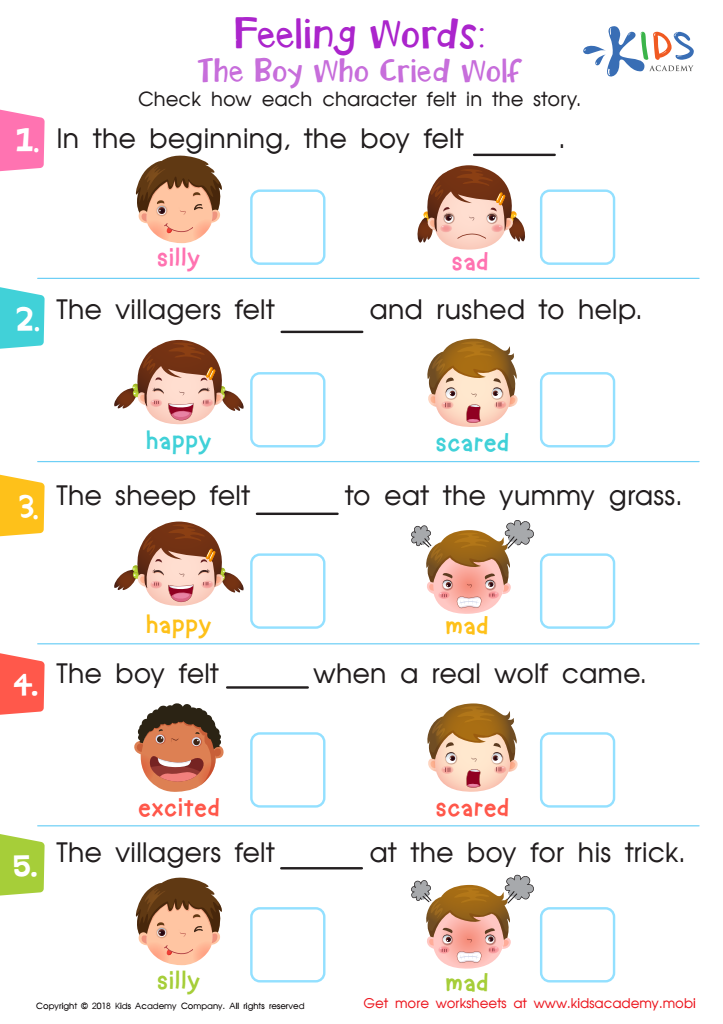
Feeling Words: The Boy Who Cried Wolf Worksheet




.jpg)

.jpg)

Reading skills development and vocabulary building from ages 6 to 8 are crucial for young learners because they lay the foundation for future academic success. During this period, children's cognitive abilities rapidly expand, enabling them to absorb new information and concepts. A robust vocabulary enhances reading comprehension, enabling children to understand and engage with a variety of texts, from stories to nonfiction. This not only fosters a love for reading but also empowers children to express themselves clearly and effectively.
Moreover, strong reading and vocabulary skills are interconnected to other subjects, including math and science. Understanding terminology in these areas often requires a solid base in reading. Parents and teachers should recognize that children who struggle with reading are more likely to face challenges in overall school performance, affecting their self-esteem and enthusiasm for learning.
Investing time in developing reading skills and expanding vocabulary through engaging activities such as reading aloud, storytelling, and educational games enriches children’s learning experiences. Additionally, it lays the groundwork for critical thinking and problem-solving skills that are vital in today's world. Ultimately, prioritizing reading and vocabulary development ensures that children are not only prepared for future educational pursuits but are also equipped for lifelong learning.








