Understanding Sequences Normal Reading Worksheets for Ages 6-8
3 filtered results
-
From - To
Dive into the world of reading comprehension with our "Understanding Sequences" normal reading worksheets, specially designed for ages 6-8. These engaging printables offer young learners the opportunity to hone their skills in recognizing and understanding sequences in stories. With beautifully illustrated passages and thought-provoking questions, children can practice identifying the order of events, boosting their critical thinking and analytical abilities. Our worksheets are perfect for fostering a love for reading while building essential comprehension foundations. Ideal for classroom use or at-home practice, these tools provide insightful learning that propels young minds toward academic success.
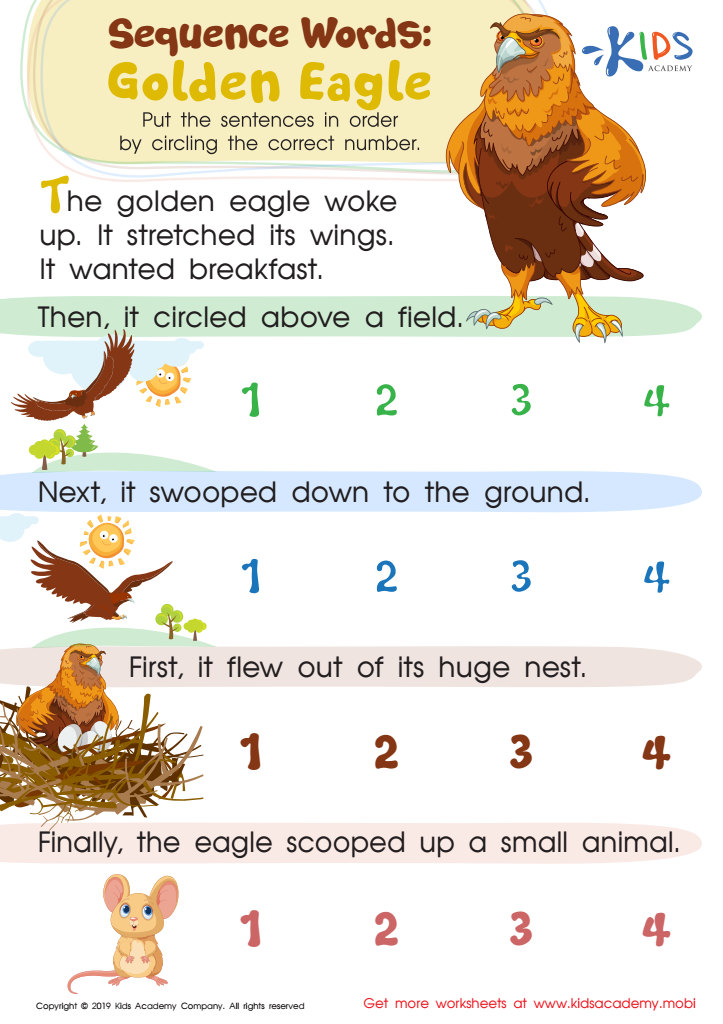
Sequence Word Eagle Worksheet
 Assign to My Students
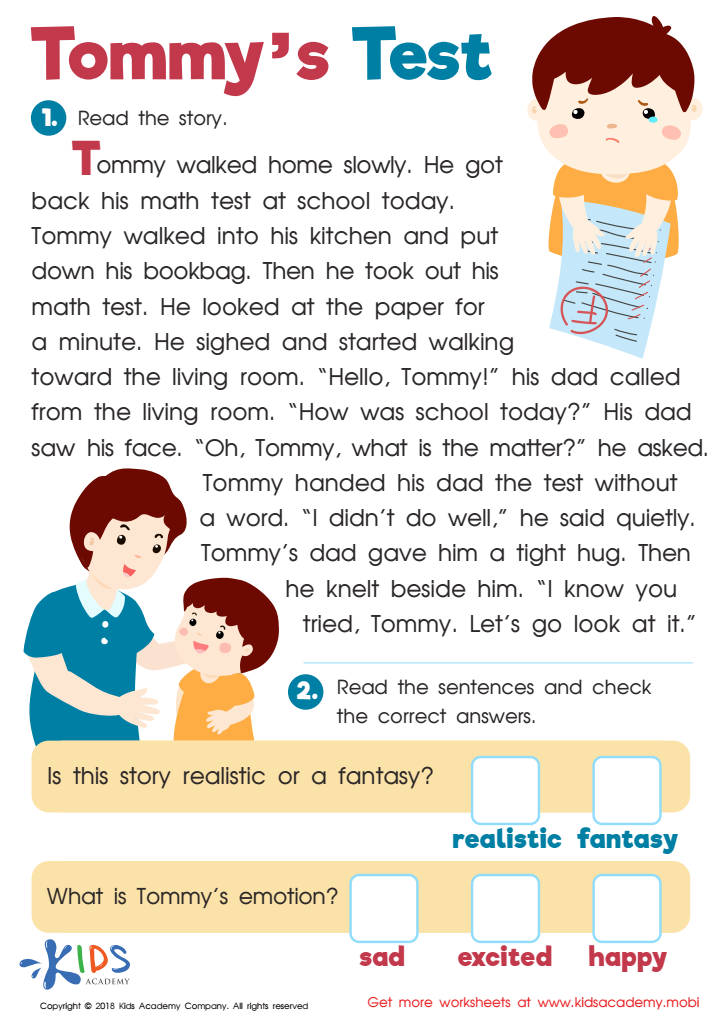
Tommys Test Worksheet
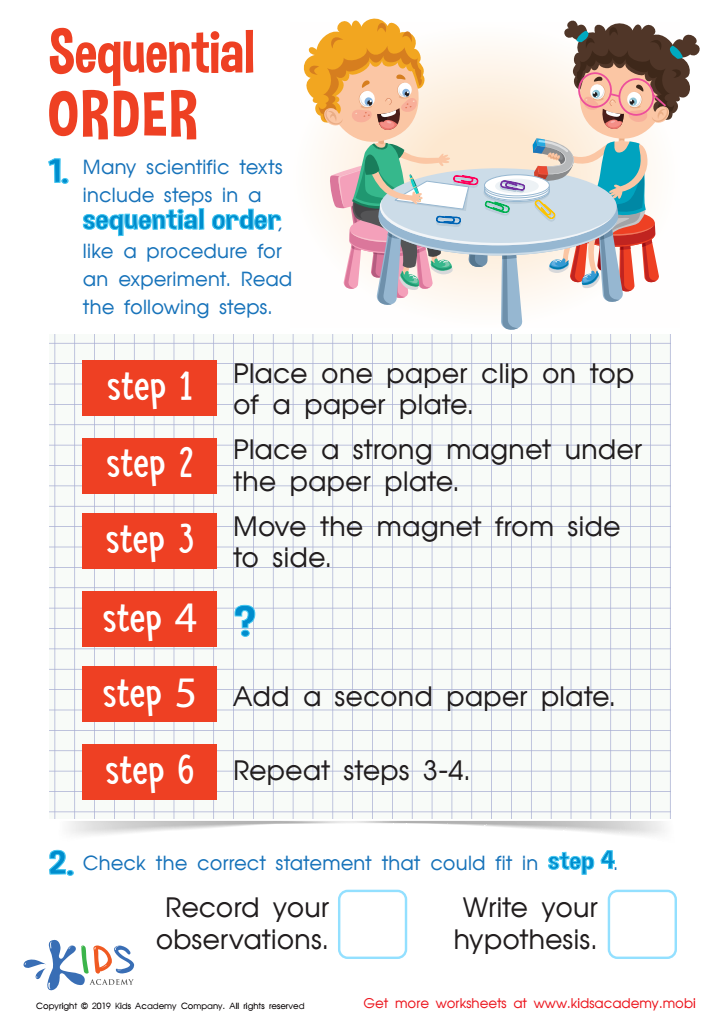
Sequencential Order Worksheet







.jpg)
Parents and teachers should understand the importance of fostering normal reading sequences in children aged 6-8 because these early years are foundational for literacy development. At this stage, children transition from recognizing letters and simple words to comprehending more complex sentences and stories. Developing a strong reading sequence involves mastering a series of critical skills, such as phonemic awareness, decoding, fluency, and comprehension, each building upon the previous one.
When reading sequences are understood and nurtured correctly, children are more likely to become proficient readers, which directly impacts their academic success across all subject areas. Reading proficiency by third grade is a strong predictor of future educational outcomes, including high school graduation rates and career opportunities. Moreover, strong reading skills foster a love for learning, improve communication abilities, and boost self-confidence.
For educators and parents, understanding normal reading sequences means they can identify and address any reading difficulties early on, ensuring no child is left behind. Effective intervention strategies can be implemented to support struggling readers, promoting a positive and encouraging learning environment. Therefore, being attentive to the reading development stages in young children sets the stage for lifelong literacy and academic achievement.








