Visual Perception Skills Normal Science Worksheets for Ages 6-8
4 filtered results
-
From - To
Enhance your child's learning experience with our "Visual Perception Skills Normal Science Worksheets" designed specifically for ages 6-8. These engaging worksheets help young learners develop crucial visual perception abilities, allowing them to identify patterns, recognize shapes, and understand spatial relationships through fun, interactive science-themed activities. Each worksheet thoughtfully blends educational concepts with creative exercises, ensuring that children stay motivated and excited about learning. Ideal for parents, teachers, and homeschooling environments, these resources promote critical thinking and problem-solving skills in an enjoyable way. Explore the world of science while nurturing visual perception skills with our vibrant, age-appropriate worksheets!
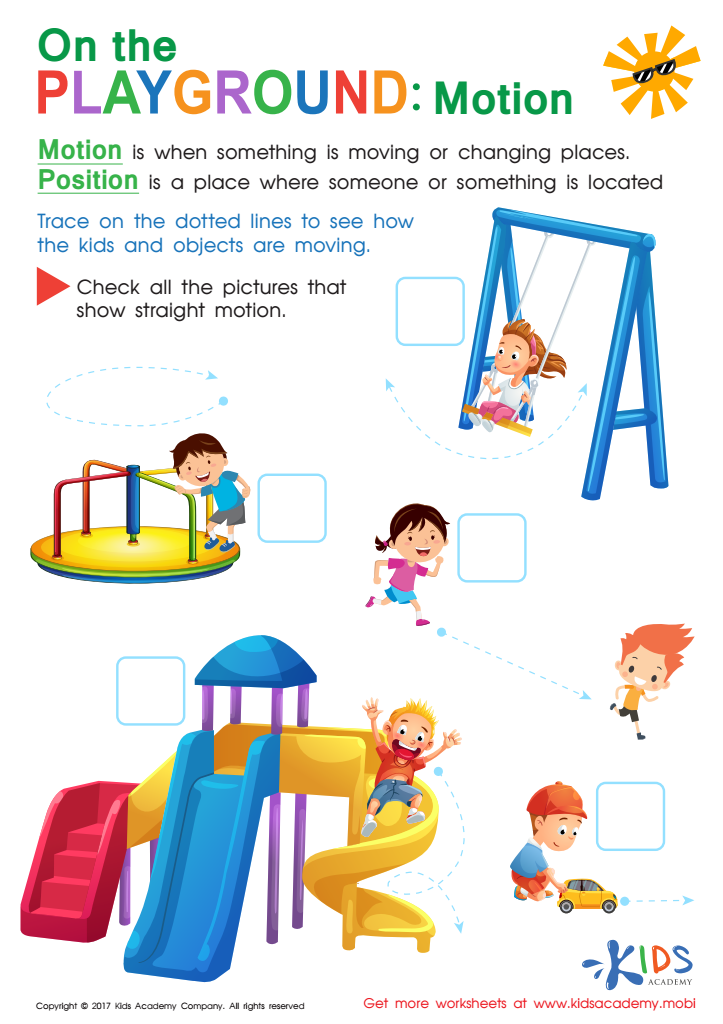
Position and Motion Worksheet
 Assign to My Students
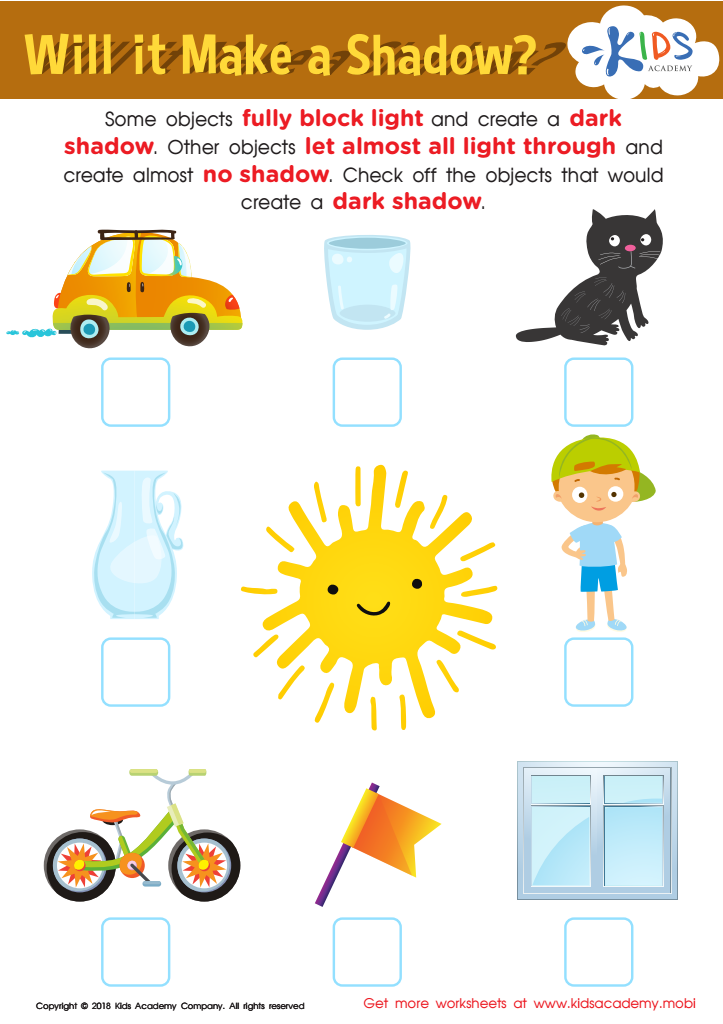
Will It Make a Shadow? Worksheet
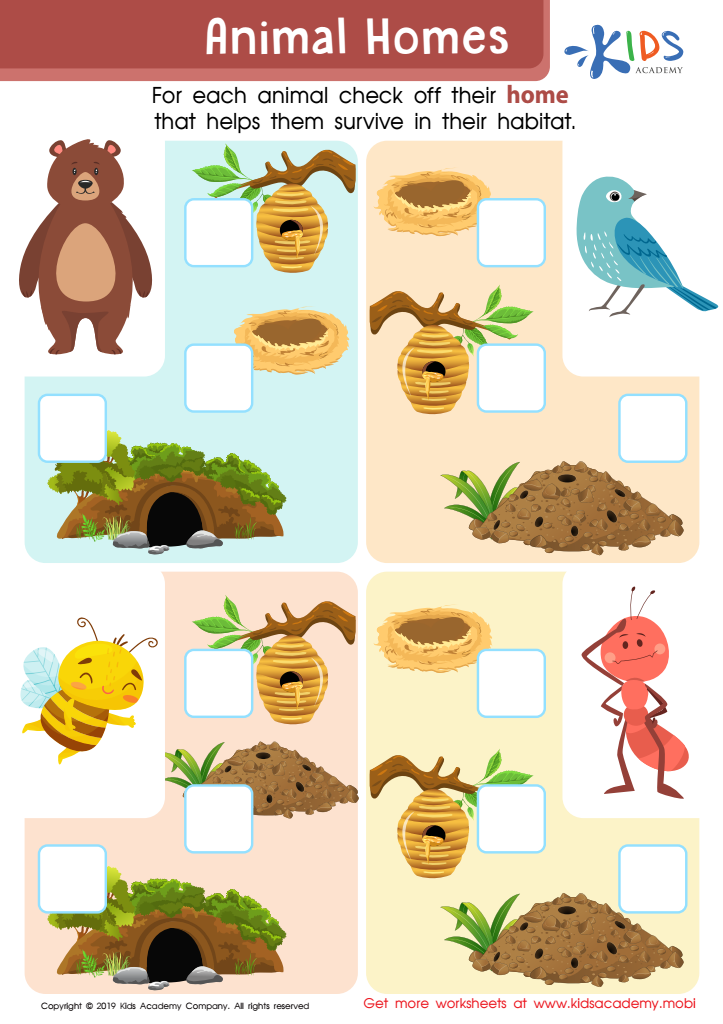
Animal Homes Worksheet
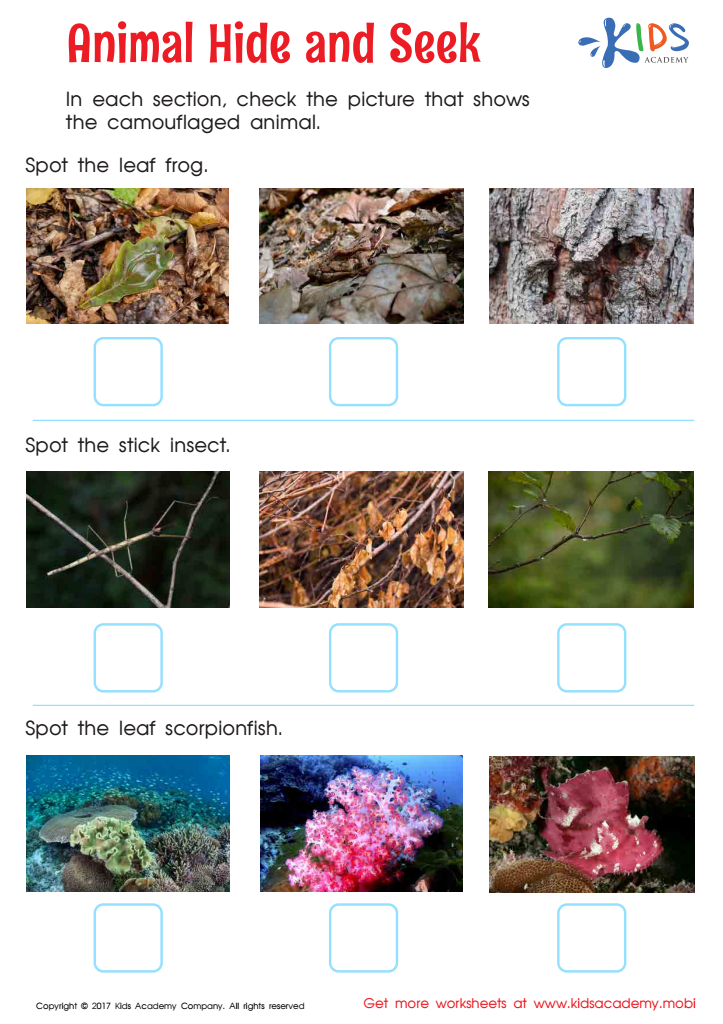
Animal Hide and Seek Worksheet




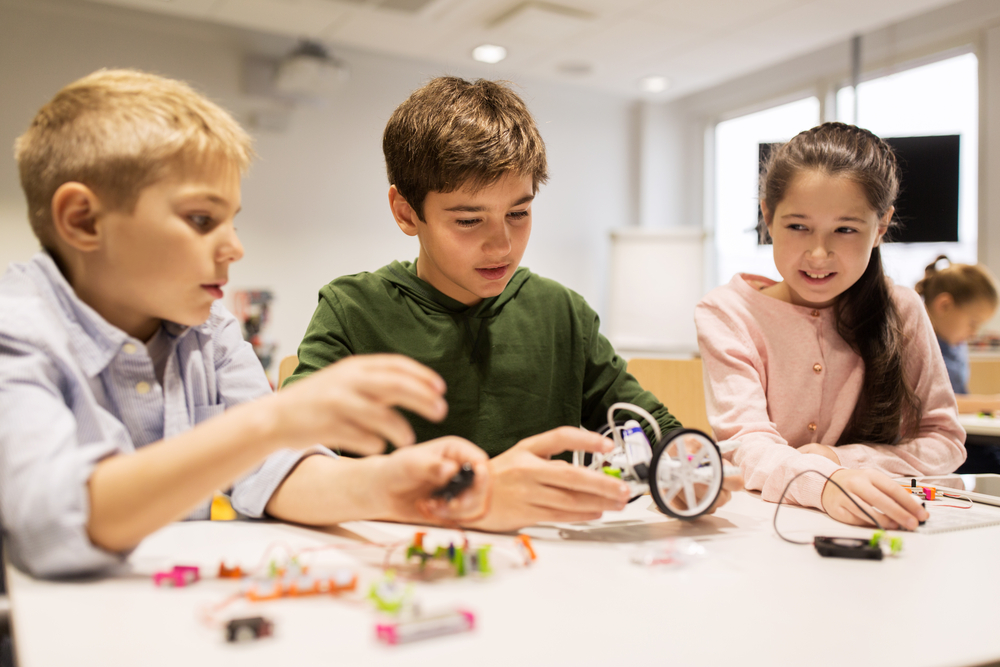



Visual perception skills are essential for children aged 6-8 as they form the foundation for academic success and daily functioning. At this developmental stage, children are rapidly learning to read, write, and engage with their environment. Strong visual perception skills aid in recognizing letters, numbers, and shapes, which are crucial for literacy and mathematics. These skills also support the ability to interpret visual information, such as charts and diagrams, fostering deeper understanding in subjects like science and social studies.
Moreover, visual perception is linked to fine motor skills, which are fundamental for tasks such as writing, drawing, and completing puzzles. Children with well-developed visual perception can process and integrate visual information more efficiently, enhancing their overall learning experiences.
Parents and teachers should care about these skills because children who struggle with visual perception may face challenges in school, leading to frustration and low self-esteem. By actively supporting the development of these skills through games, activities, and exercises, caregivers can help children thrive academically and socially. Additionally, cultivating a supportive learning environment that emphasizes visual perception can lay the groundwork for lifelong learning and problem-solving abilities. Investing in these skills ultimately benefits children's overall development and future success.







