Problem-Solving Skills Normal Physical Science Worksheets for Ages 6-8
3 filtered results
-
From - To
Discover engaging "Problem-Solving Skills Normal Physical Science Worksheets for Ages 6-8" on Kids Academy! Tailored for young learners, these worksheets foster critical thinking and scientific inquiry in an interactive format. Each activity encourages children to solve real-world problems by applying core physical science concepts. Ideal for home or classroom use, these worksheets help develop essential skills like observation, analysis, and reasoning, all while making learning fun. Our expertly designed resources ensure that kids build a solid foundation in science through hands-on problem-solving challenges. Start your child's journey towards becoming a confident young scientist today!
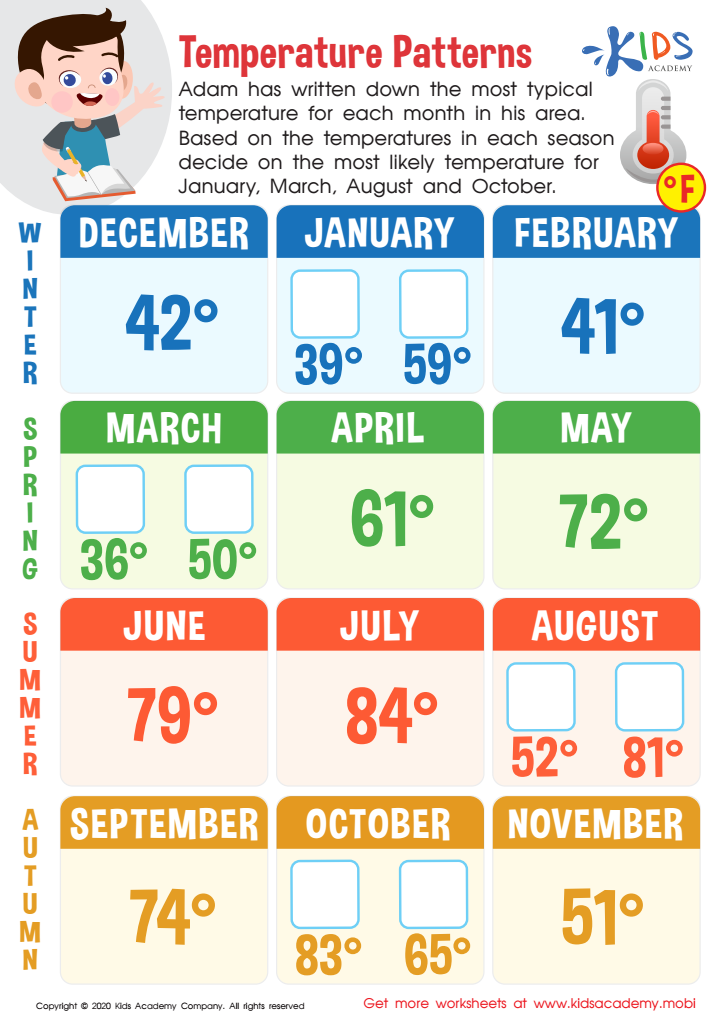
Temperature Patterns Worksheet
 Assign to My Students
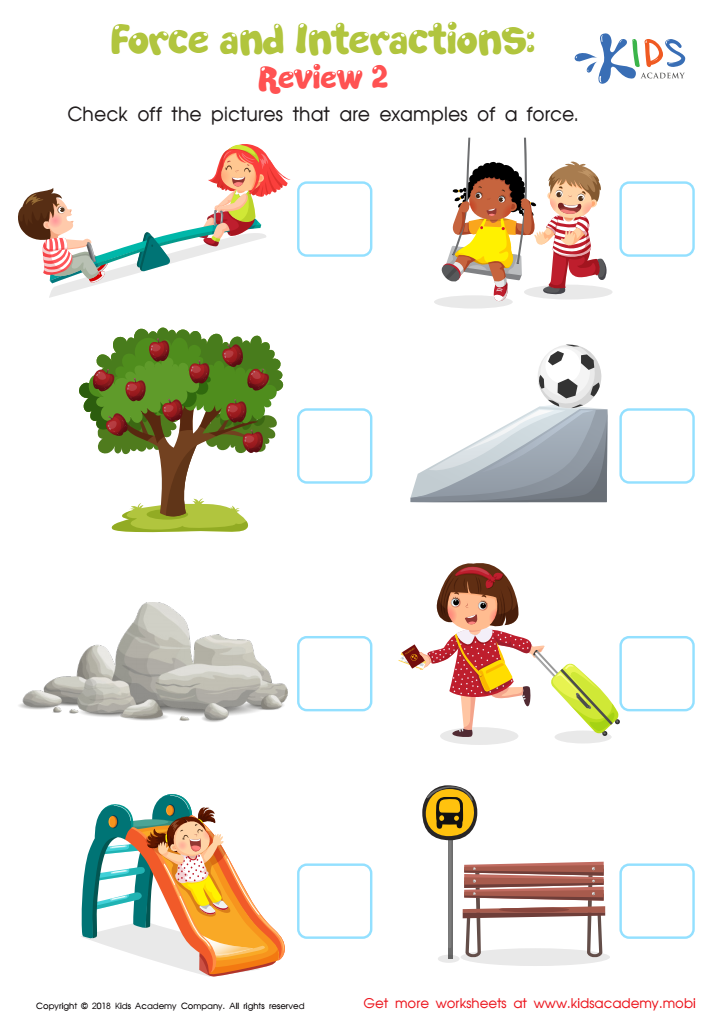
Force and Interactions: Review 2 Worksheet
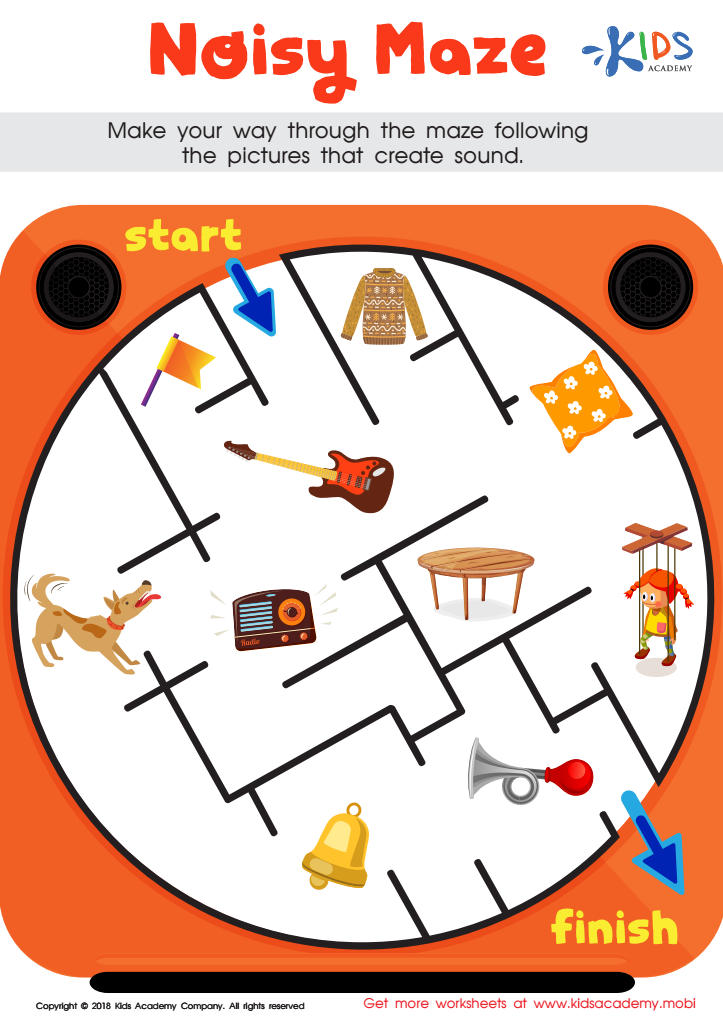
Noisy Maze Worksheet






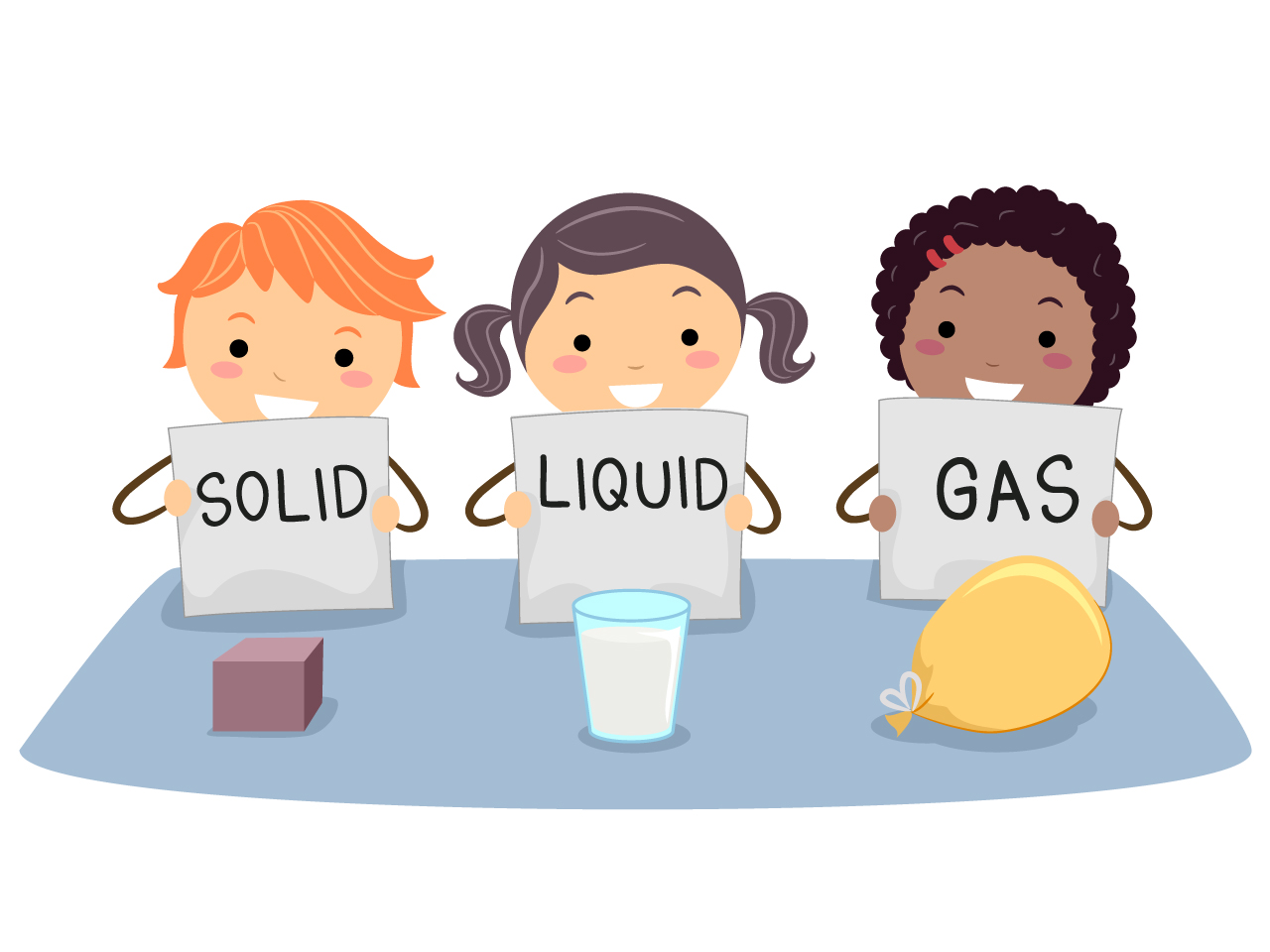
Parents and teachers should care about problem-solving skills in physical science for children aged 6-8 because these abilities lay the groundwork for future academic success and everyday functioning. During this formative period, young minds are incredibly receptive and inquisitive, which makes it ideal for introducing fundamental scientific principles and the processes of inquiry, observation, and critical thinking.
Problem-solving skills empower children to navigate complex situations, both in academic settings and in life. These abilities encourage them to ask questions, test hypotheses, and think critically about the world around them. In physical science, this might look like experimenting with the effects of gravity using simple objects or understanding the basics of energy through hands-on activities. These experiences are not only intellectually stimulating but also deeply satisfying, fostering a lifelong love for learning.
Moreover, developing problem-solving skills in a scientific context helps children in other areas. These skills are transferable; they enhance mathematical understanding, improve reading comprehension by encouraging analytical thinking, and help with social-emotional development by teaching perseverance and resilience. Essentially, nurturing these skills ensures that children do not just memorize facts but truly understand and engage with the material, setting them on a path to become thoughtful, innovative, and independent thinkers.







