Motor skills development Normal Alphabet Worksheets for 6-Year-Olds
3 filtered results
-
From - To
Enhance your 6-year-old's motor skills development with our engaging Normal Alphabet Worksheets! Designed specifically for early learners, these worksheets combine fun activities with essential letter practice. As children trace, write, and color the letters of the alphabet, they strengthen their hand-eye coordination and fine motor skills. Each worksheet is crafted to be age-appropriate, supporting your child's learning journey while keeping them entertained. These valuable tools are perfect for home or classroom use, encouraging creativity and skill mastery in a playful way. Download our worksheets today to give your child the foundation they need for future writing success!
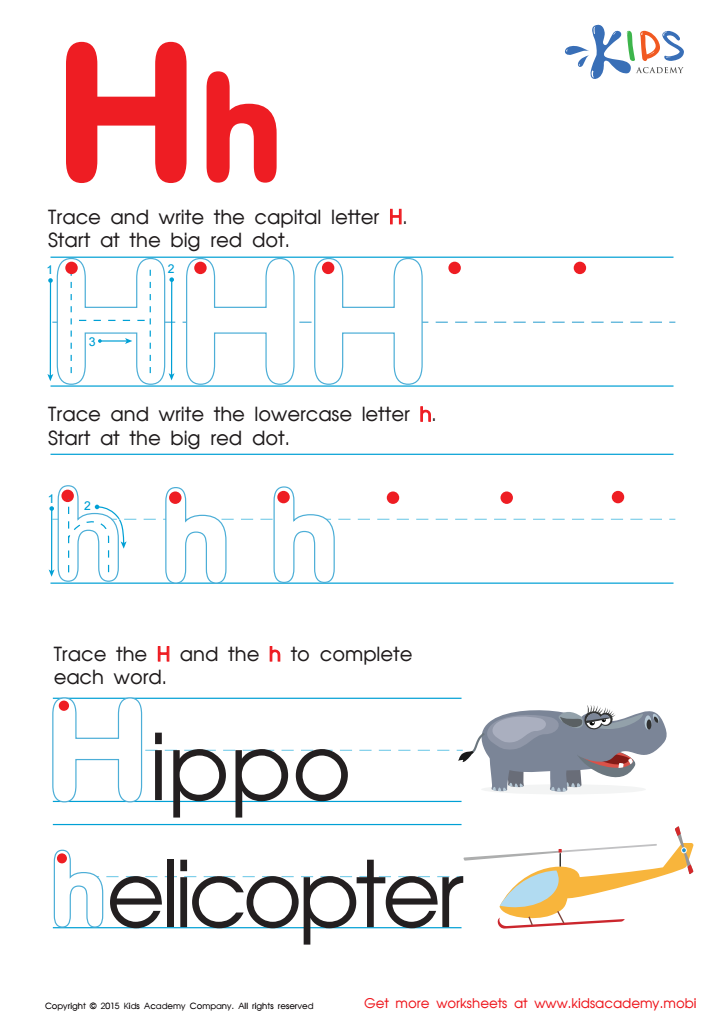
Letter H Tracing Page
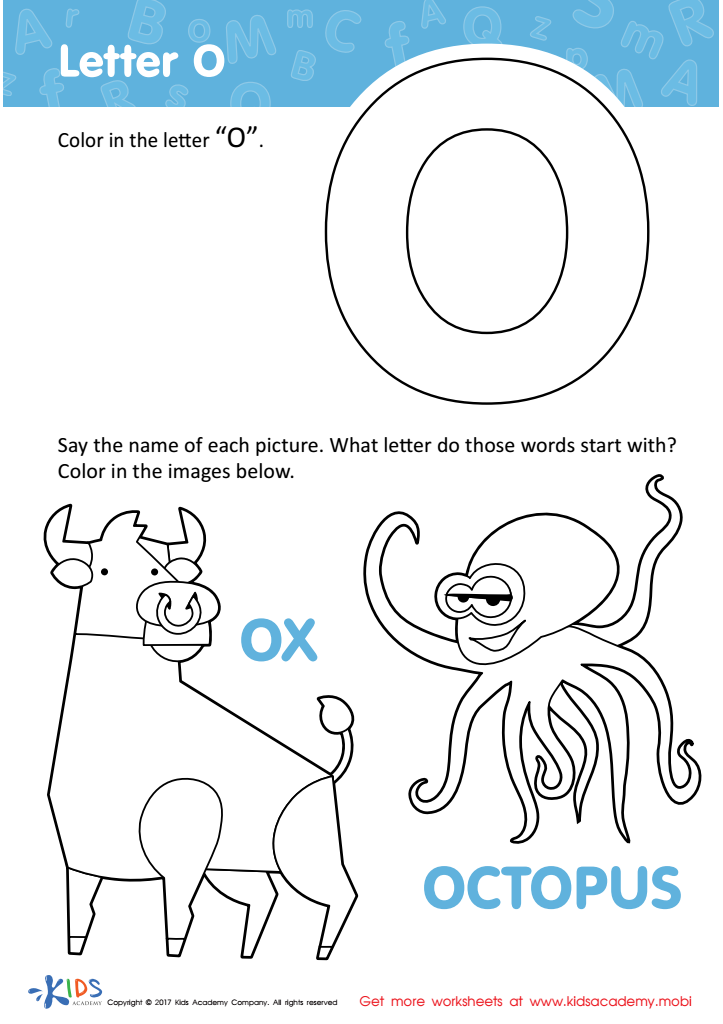
Letter O Coloring Sheet
 Assign to My Students
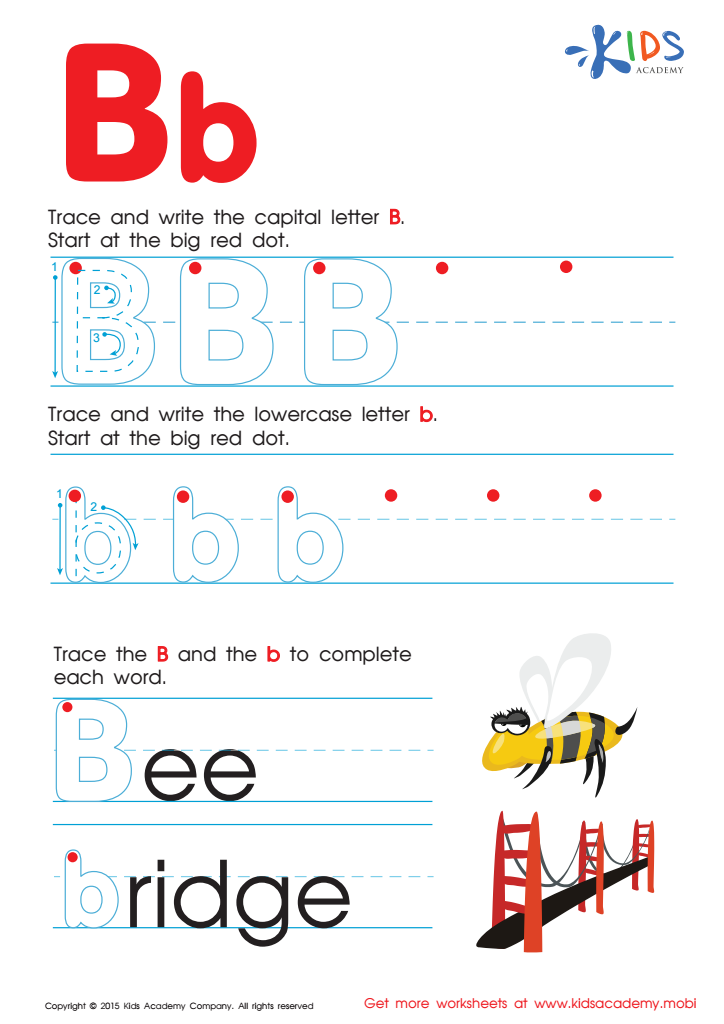
Letter B Tracing Page








Motor skills development is crucial for 6-year-olds as it significantly impacts their overall growth and learning abilities. At this age, children are transitioning from preschool to more structured learning environments, where fine and gross motor skills become essential for daily activities and academic tasks. Fine motor skills, which involve small muscle movements, enable kids to hold a pencil properly, write letters clearly, and manipulate classroom materials. These skills are directly linked to their ability to complete assignments and participate in group activities.
Similarly, gross motor skills contribute to a child’s physical coordination and balance. Activities like running, jumping, and playing sports help enhance these skills, fostering confidence and social interaction. As children's motor skills develop, so do their cognitive abilities; tasks that require coordination can improve focus and problem-solving skills.
Moreover, strong motor skills are foundational for future learning and can affect a child's self-esteem and motivation. If children face difficulties with these skills, they may become frustrated and disengaged from school activities. Therefore, parents and teachers must support motor skills development through play and structured physical activities, ensuring children are equipped for both academic success and lifelong enjoyment of physical activities.







