Vocabulary enhancement Normal Alphabet Worksheets for 6-Year-Olds - Page 2
27 filtered results
-
From - To
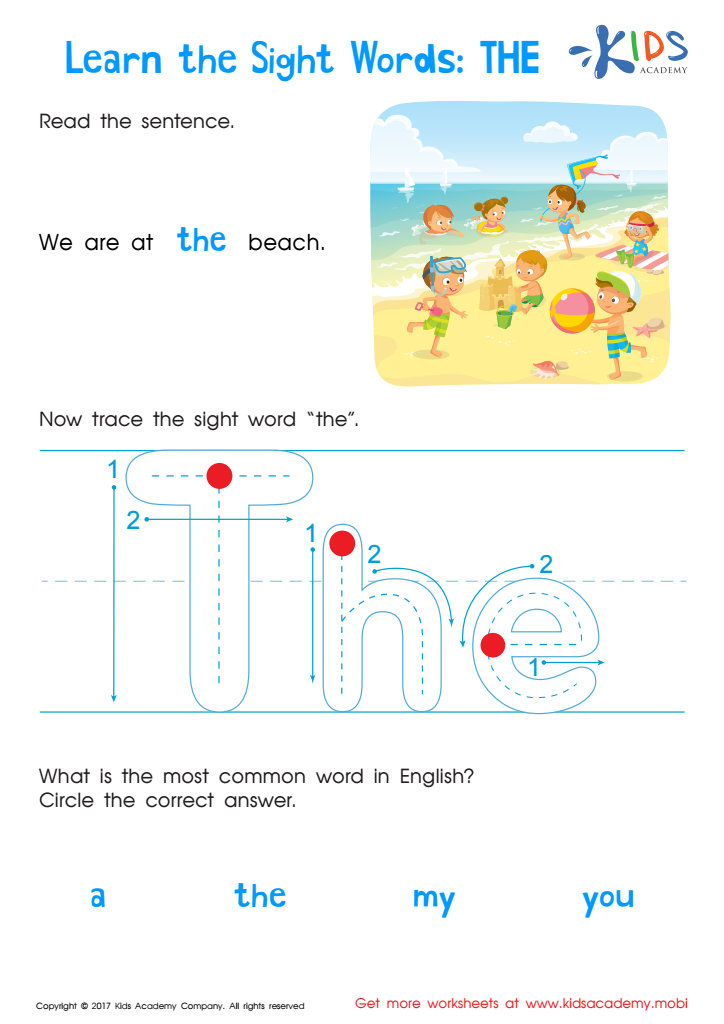
Sight Words: The Worksheet
 Assign to My Students
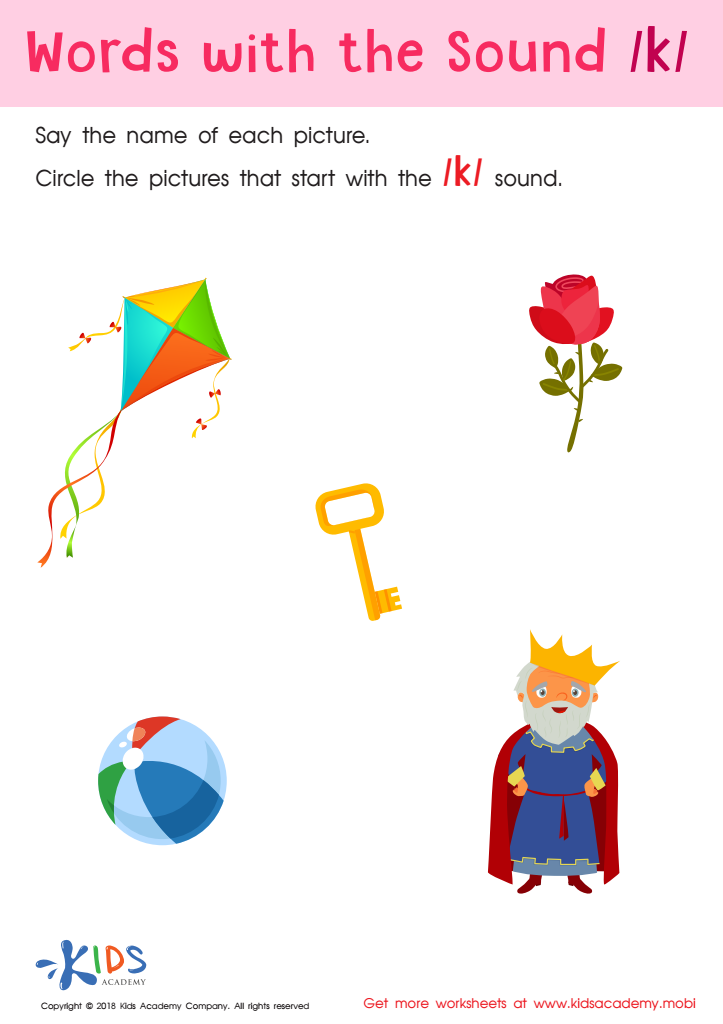
Words with sound k Reading Worksheet






Vocabulary enhancement is a critical aspect of early childhood development, and the use of a normal alphabet method can significantly benefit 6-year-olds. At this age, children's brains are incredibly receptive to learning new words and concepts, which is foundational for their overall language development. Introducing a variety of vocabulary using the standard alphabet helps children recognize and become familiar with letters and the sounds they make, facilitating their reading and writing skills.
Parents and teachers should care about vocabulary development because it's directly linked to academic success. A robust vocabulary at a young age enhances a child's ability to understand and follow instructions, engage in detailed conversations, and express themselves clearly. It also improves their comprehension skills, which are critical for reading and learning new subjects as they progress in school.
By focusing on vocabulary enhancement, using familiar alphabetical techniques can make the process fun and engaging. Activities such as alphabet games, storytime, and word puzzles not only foster language skills but also improve cognitive abilities like memory and problem-solving. Furthermore, a rich vocabulary can boost a child's confidence, as they feel more competent in communicating their thoughts and feelings.
In essence, nurturing vocabulary growth in 6-year-olds equips them with the essential tools for academic achievement and effective communication, laying a strong foundation for lifelong learning.







