Alphabet Recognition Normal Letter Recognition Worksheets for 6-Year-Olds - Page 2

Filters

30 filtered results

Clear all filters
Favorites
With answer key
Interactive

30 filtered results

Difficulty Level

Grade


Check out this FREE Trial Lesson on Letter Recognition for age 6!

H

Favorites
With answer key
Interactive
  • 6
  • Alphabet Recognition
  • Letter Recognition
  • Normal
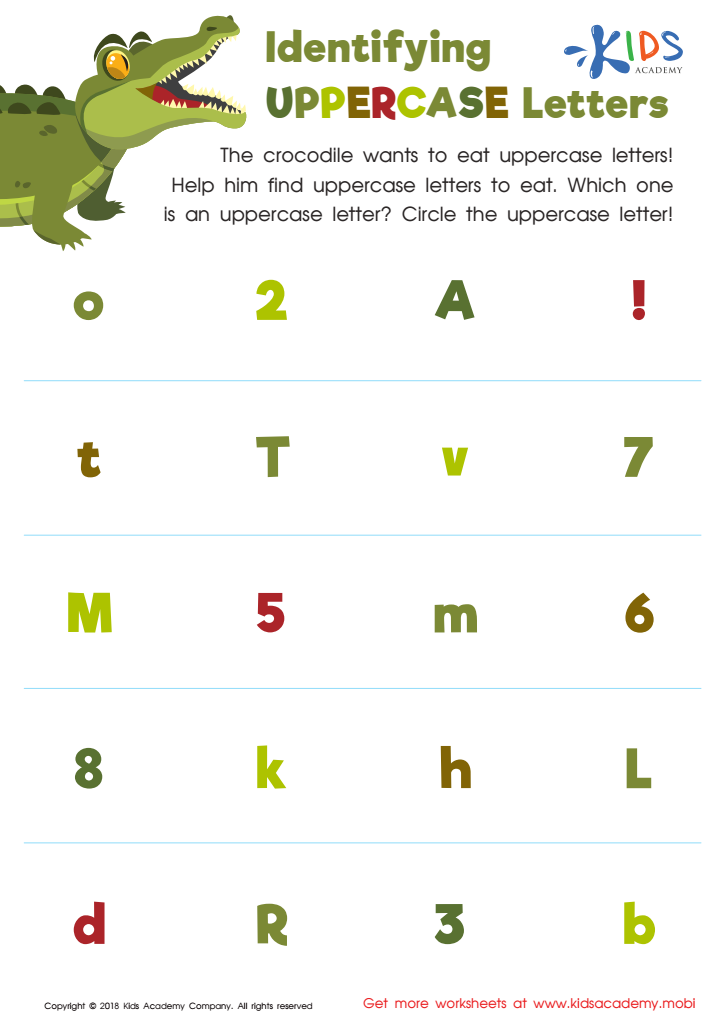
Identifying Uppercase Letters Worksheet Preview

Identifying Uppercase Letters Worksheet

It's essential for kindergarteners to know the distinction between uppercase and lowercase letters. This skill will aid them when starting to write. They can practice by selecting the uppercase letters among a mix of lowercase, uppercase letters and numbers. Whatever their level of learning, give your child confidence with this PDF!
Identifying Uppercase Letters Worksheet
Worksheet
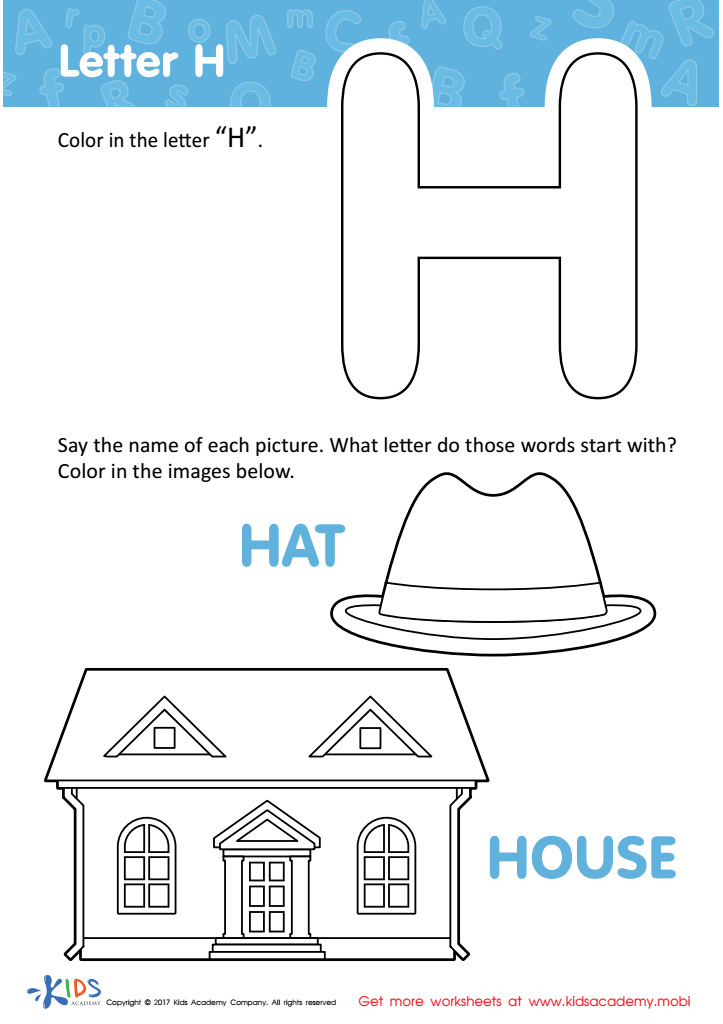
Letter H Coloring Page

Letter H Coloring Sheet

This fun "H" coloring page will help your child recognize the letter and sound of "H"! With a hat and house to color, your little learner will have a blast picking colors and creating designs, all while learning about the letter "H"!
Download (PDF)
Assign to My Students
Letter H Coloring Sheet
Worksheet
Letter A Coloring Page

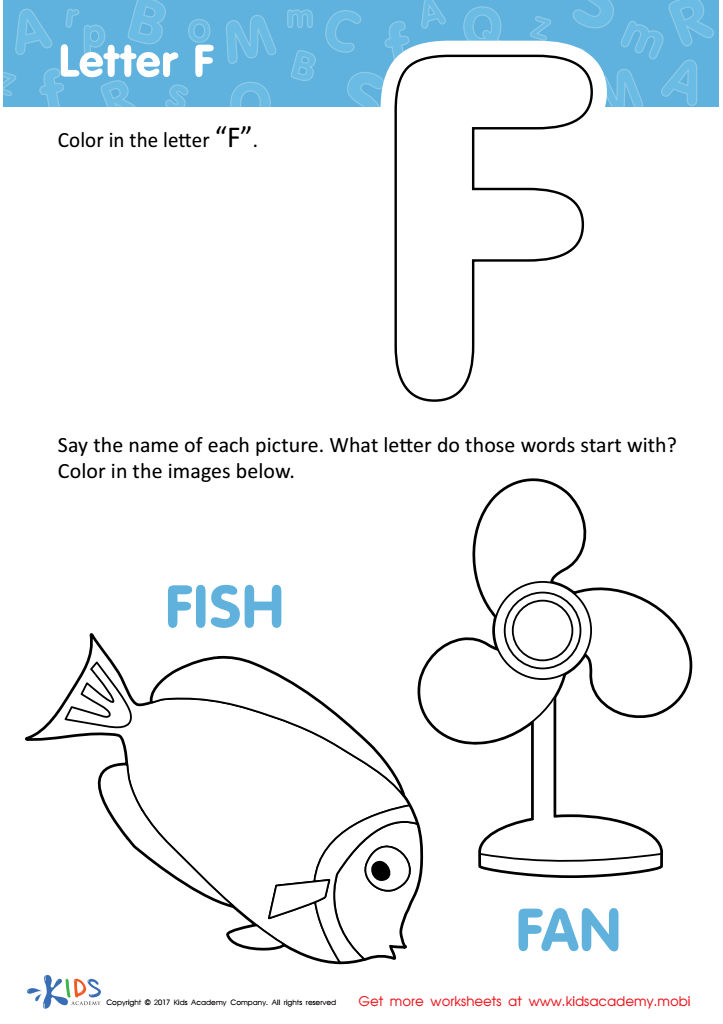
Letter F Coloring Sheet

Coloring pages help kids learn to recognize letters and sounds. Our "F" page has kids color a fish and a fan. It's a great way to introduce them to the letter "F" using words they already know.
Download (PDF)
Assign to My Students
Letter F Coloring Sheet
Worksheet
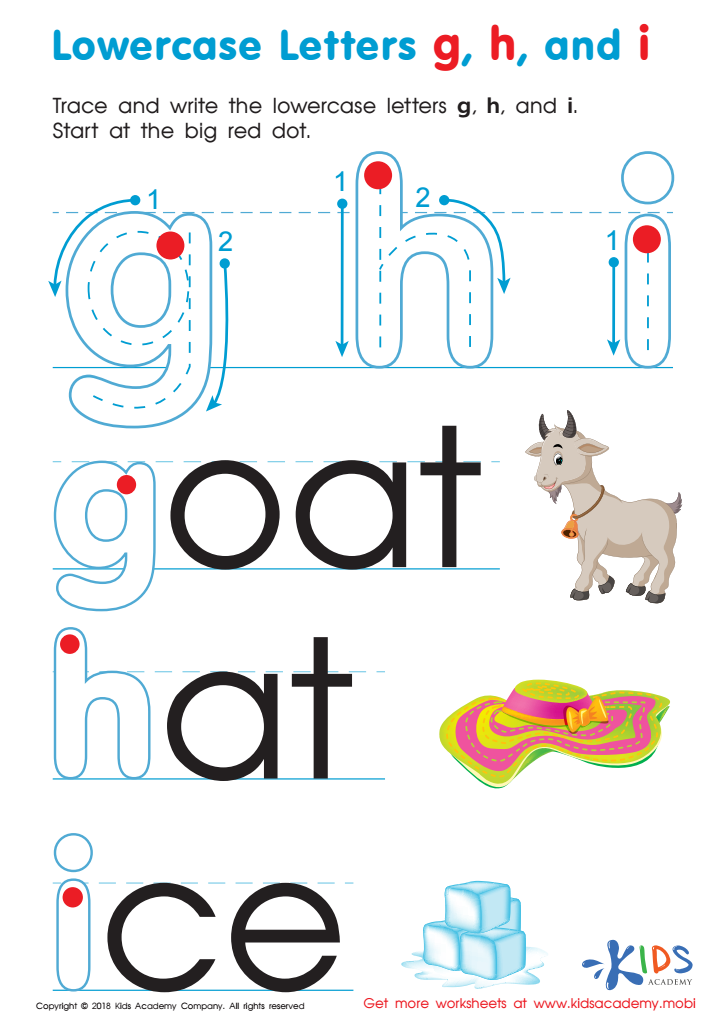
Lowercase Letters g h i Worksheet

Lowercase Letters g h i Worksheet

Learning is fun for your youngster with color and an enjoyable exercise. Help them build their understanding of the alphabet by starting at the big red dot drawn on each letter and carefully following the dotted lines to draw g, h, and i.
Lowercase Letters g h i Worksheet
Worksheet
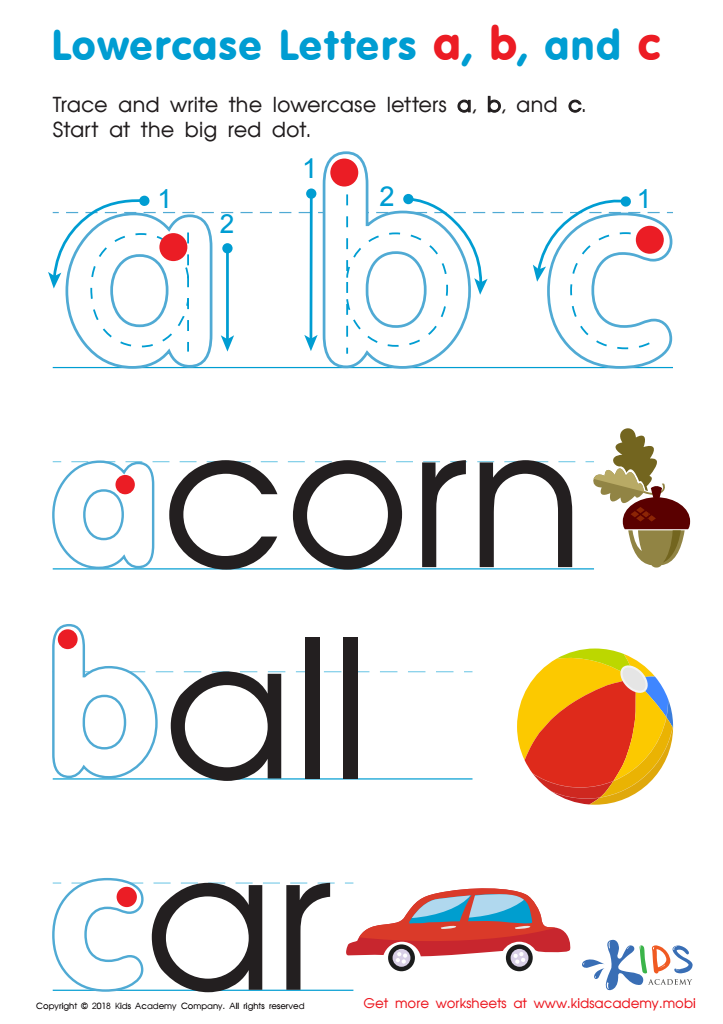
Lowercase Letters a b c Worksheet

Lowercase Letters a b c Worksheet

Help your child trace and write the lowercase letters of the alphabet with this fun worksheet. Start by following the arrows and directions from the red dot, and watch them improve their writing skills! Vibrant illustrations make it easy and enjoyable.
Lowercase Letters a b c Worksheet
Worksheet
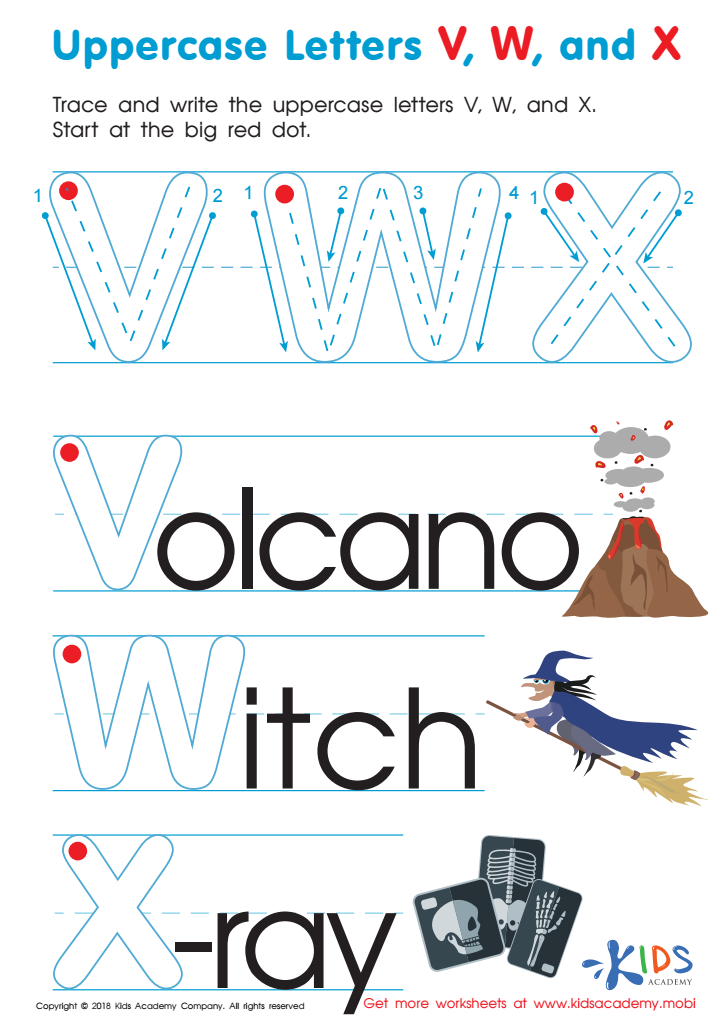
Uppercase Letters V, W, and X Worksheet


Uppercase Letters V, W, and X Worksheet

This worksheet is perfect for kids struggling to write uppercase letters V, W, and X. Warm up their brains first by having them name words starting with these letters. Then, help them trace and write each letter from the big red dot. With your assistance, they will quickly sharpen their writing skills.
Uppercase Letters V, W, and X Worksheet

Worksheet


Alphabet recognition and normal letter recognition are fundamental skills for 6-year-olds, serving as the cornerstone for their literacy development. At this age, children are transitioning into formal schooling where reading and writing become central parts of their learning experience. Recognizing letters—both their shapes and sounds—is essential for decoding words, which forms the basis of reading.

Parents and teachers play a crucial role in fostering these skills early on. Supporting alphabet recognition helps children to associate letters with corresponding sounds (phonemic awareness), a critical pre-reading skill. This foundation helps in developing fluency, comprehension, and a love for reading. If children struggle with letter recognition, they may face challenges with reading fluency, which can affect their confidence and enthusiasm for learning.

Moreover, early literacy skills are closely linked to overall academic success. Children who start school with strong letter recognition skills are more likely to excel in other subjects since reading is fundamental to learning across the curriculum. By ensuring children master alphabet and letter recognition at 6 years old, parents and teachers lay the groundwork for future educational achievements, setting children up for a lifelong engagement with books, learning, and knowledge acquisition.