Alphabet sequencing Normal Letter Recognition Worksheets for 6-Year-Olds
3 filtered results
-
From - To
Unlock your child's potential with our Alphabet Sequencing Normal Letter Recognition Worksheets for 6-Year-Olds. These engaging worksheets are designed to make learning fun and help children master letter recognition and sequencing skills. Ideal for young learners, our activities blend educational rigor with interactive fun, ensuring kids stay motivated while they alphabetically arrange letters. Perfect for both classroom use and home practice, these worksheets promote critical learning skills essential for literacy development. Encourage your child to explore the wonders of the alphabet with our expertly crafted worksheets, setting a strong foundation for future reading and writing success.
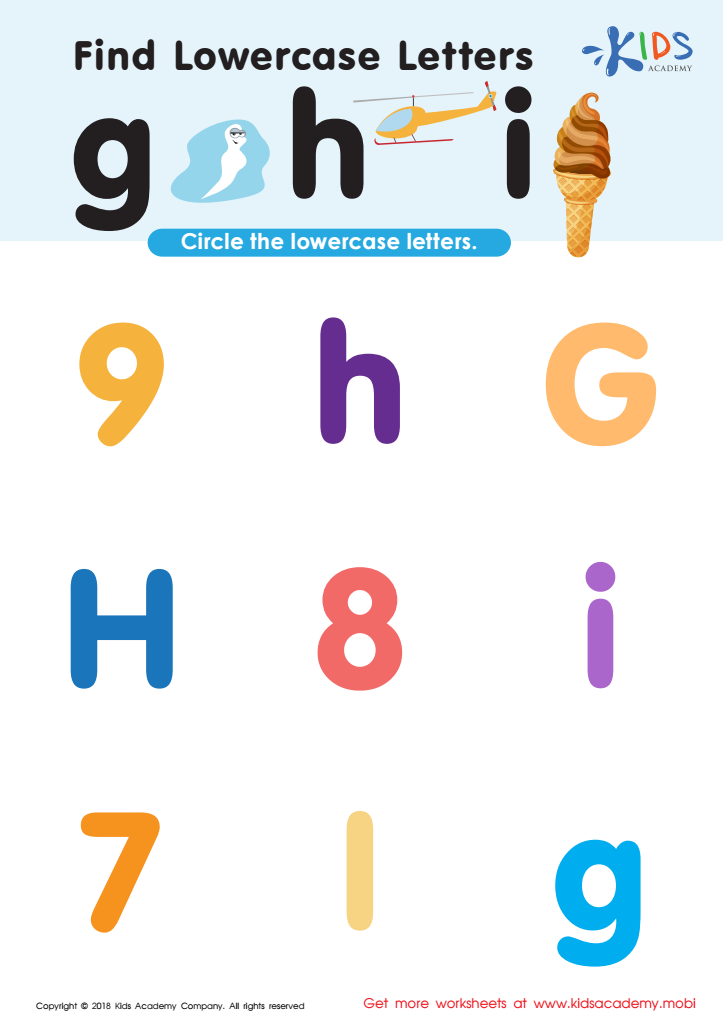
Find Lowercase Letters g h i Worksheet
 Assign to My Students
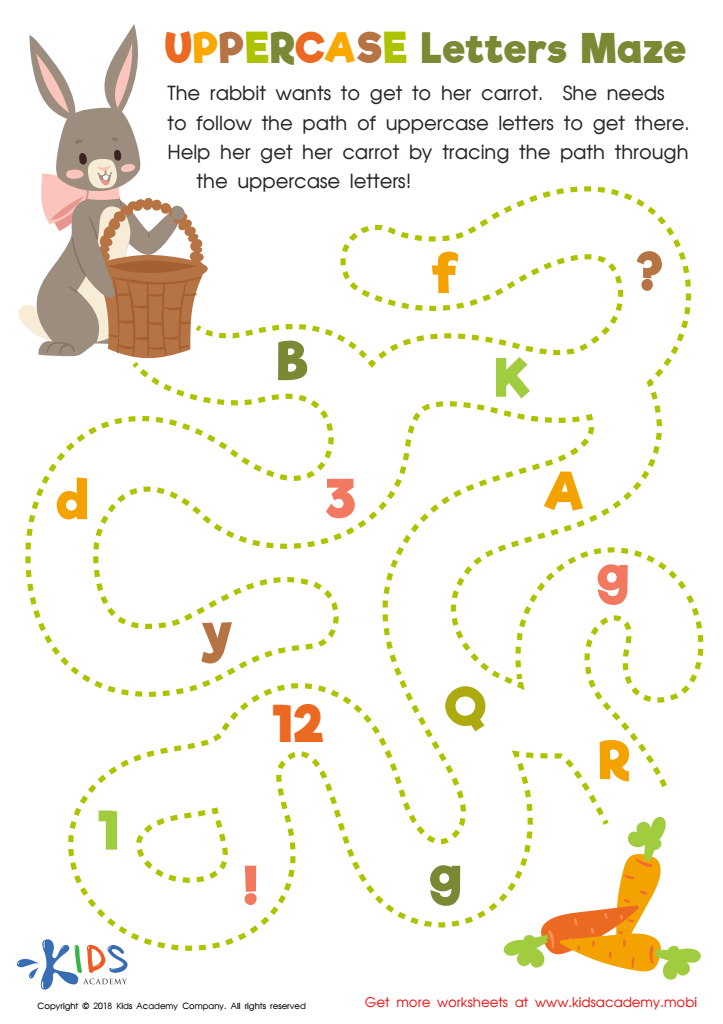
Uppercase Letters Maze Worksheet

Lowercase Letters j k l Worksheet








Alphabet sequencing and normal letter recognition are fundamental building blocks in a child's early literacy development. At the age of six, children are typically in the preliminary stages of learning to read and write, and mastering these skills can significantly impact their academic success.
Firstly, understanding the sequence of the alphabet helps children develop their ability to organize information in a logical order, which is an essential cognitive skill. For example, knowing that "M" comes before "N" can aid in tasks such as looking up words in a dictionary or following alphabetical lists, which are pervasive skills used throughout their education.
Secondly, normal letter recognition is crucial for reading comprehension. When children can swiftly and accurately recognize letters, they can more easily decode words and understand their meanings. This fluency in reading lays the groundwork for more advanced literacy skills, such as parsing complex sentences and grasping nuanced texts.
Moreover, familiarity with the alphabet boosts a child's confidence and enthusiasm for learning. Children who struggle with these basics may experience frustration, which can hinder their overall educational experience and self-esteem. Parents and teachers should therefore prioritize and support alphabet sequencing and letter recognition to foster a positive and enabling learning environment.
In summary, mastery of alphabet sequencing and letter recognition supports cognitive development, reading comprehension, educational progression, and emotional well-being, making it a critical focus for parents and teachers of six-year-olds.








