Alphabet understanding Normal Letter Recognition Worksheets for 6-Year-Olds
5 filtered results
-
From - To
Enhance your child's alphabet mastery with our "Alphabet Understanding Normal Letter Recognition Worksheets for 6-Year-Olds." These expertly designed printables from Kids Academy are tailored to bolster early literacy by helping young learners confidently recognize and understand each letter of the alphabet. Perfect for home or classroom use, these worksheets feature engaging, age-appropriate activities that make learning both fun and effective. Boost your 6-year-old's letter recognition skills and set them on the path to reading success with our thoughtfully crafted educational resources. Access now to create an enriching learning experience!
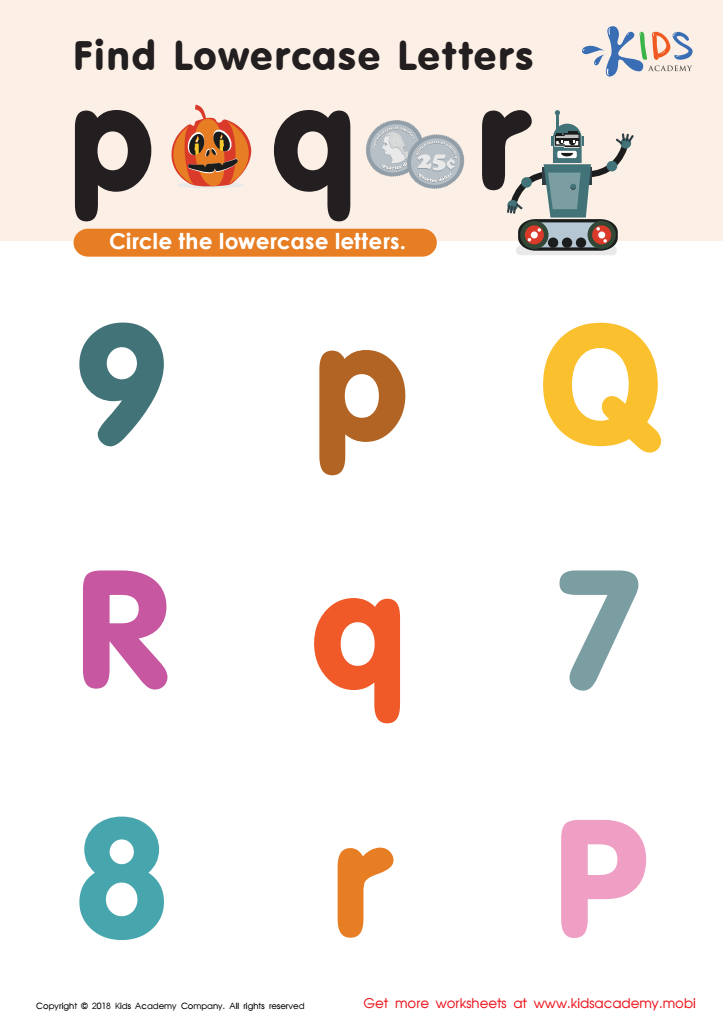
Find lowercase Letters p q r Worksheet
 Assign to My Students
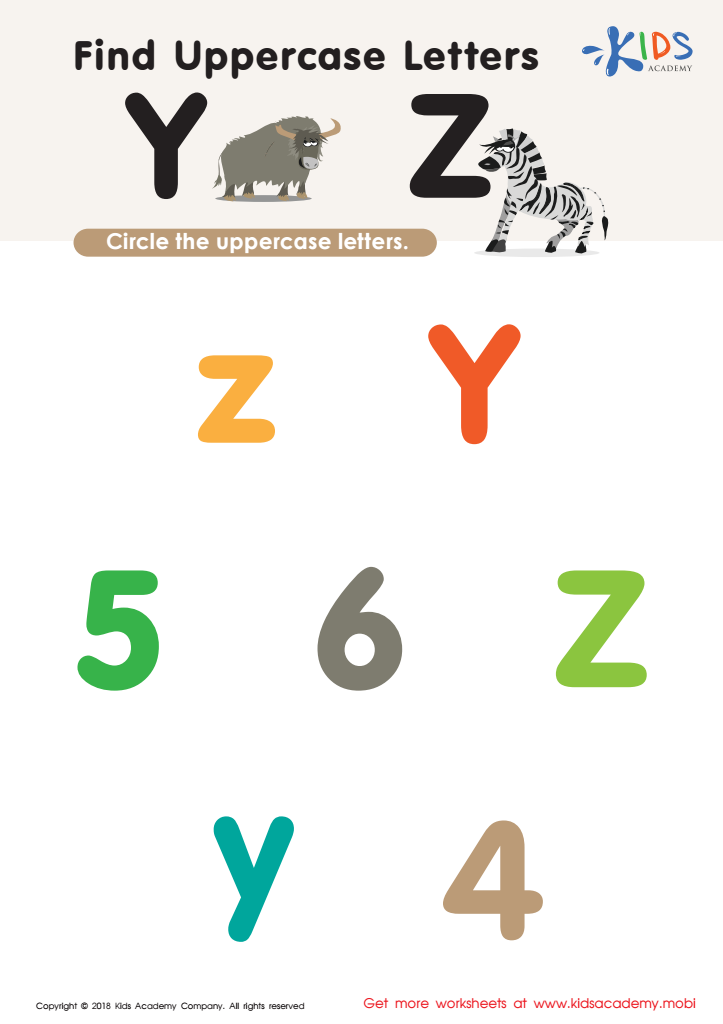
Find Uppercase Letters Y Z Worksheet
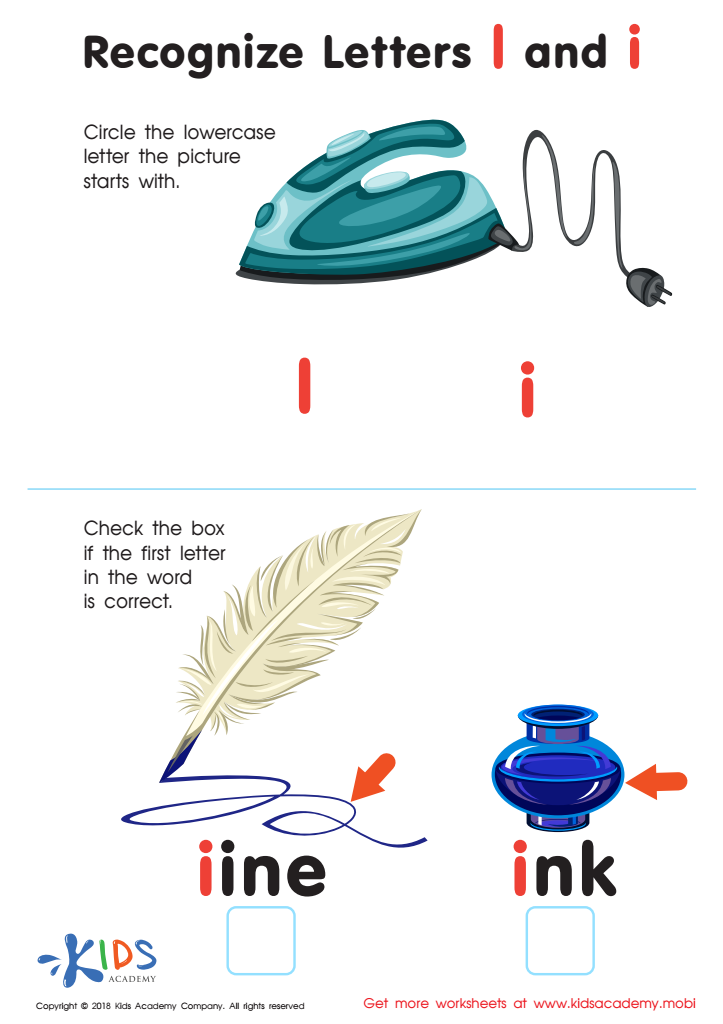
Recognize Letters l and i Worksheet
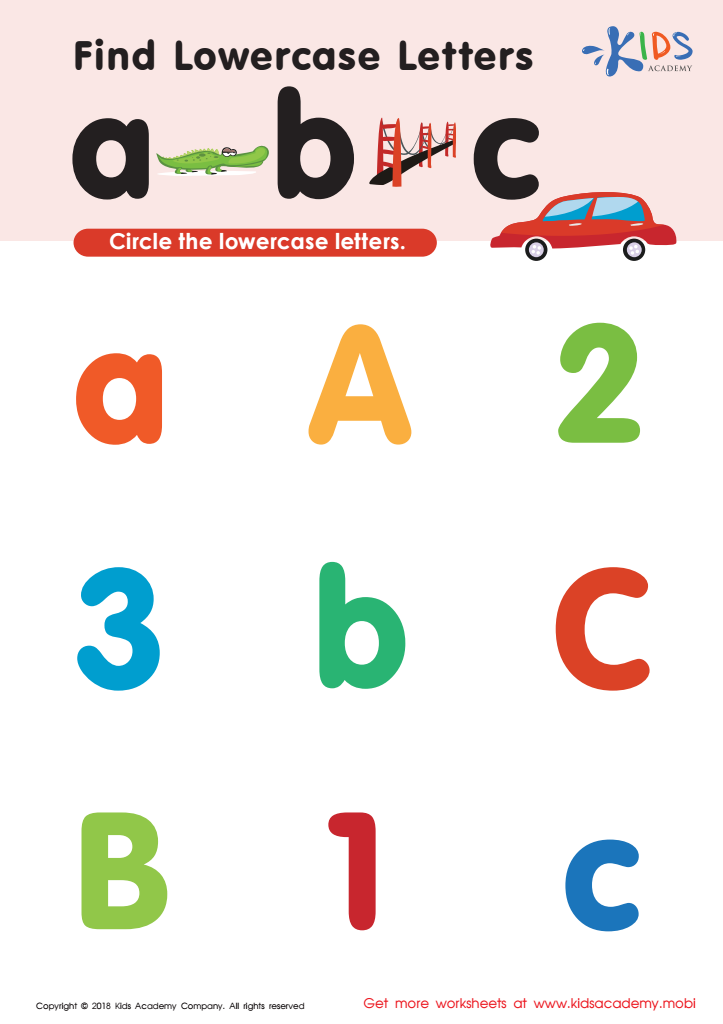
Find lowercase letters a b c Worksheet
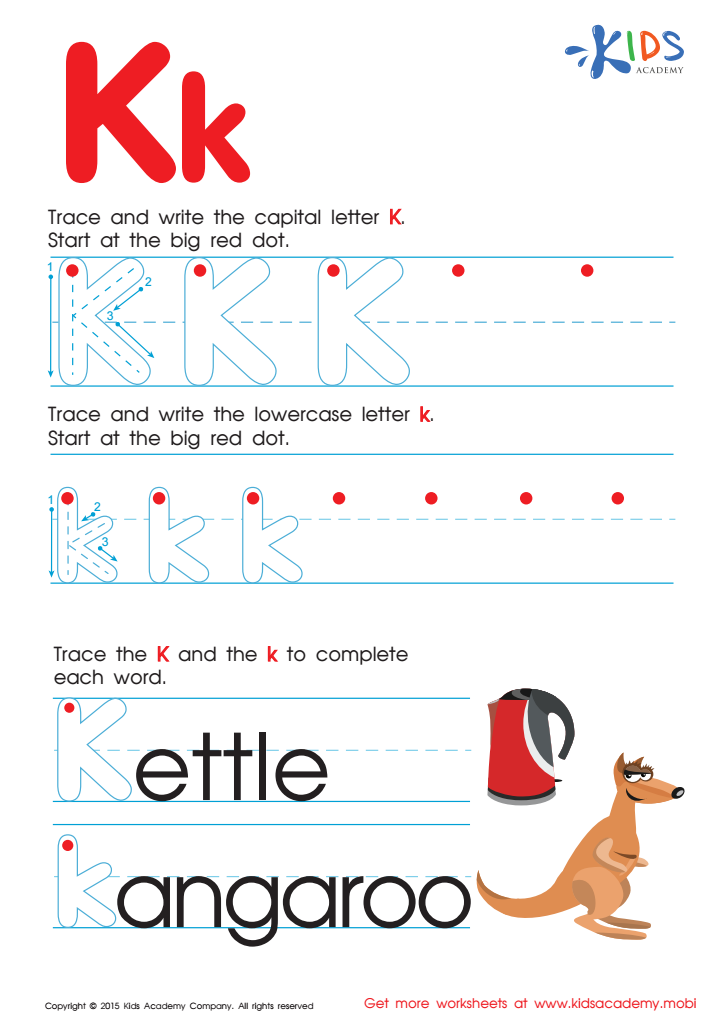
Letter K Tracing Page








Understanding and recognizing the alphabet is pivotal for 6-year-olds, as it lays the foundation for all future reading and writing skills. At this age, children transition from early childhood learning into more structured educational settings, where solid literacy skills become essential. Familiarity with the alphabet helps young children decode words, understand phonics, and develop vocabulary, which are critical components of reading fluently. When children recognize letters and their associated sounds, they can begin to blend these sounds to form words, an initial step toward independent reading.
Moreover, the knowledge of the alphabet boosts children’s confidence and willingness to participate in classroom activities, fostering a love for learning. As children succeed in recognizing letters, their sense of achievement can enhance their overall engagement in educational tasks. Teachers and parents thus need to ensure that the building blocks of literacy are firmly in place.
Neglecting this foundational step can lead to difficulties in reading, potential academic struggles, and decreased self-esteem. Therefore, it is crucial for parents and teachers to emphasize the understanding of the alphabet and normal letter recognition through interactive, playful, and consistent practices that keep children motivated and eager to learn. This support paves the way for a positive and thriving educational journey.








