Hand-eye Coordination Normal Letter Recognition Worksheets for 6-Year-Olds
7 filtered results
-
From - To
Enhance your 6-year-old's hand-eye coordination and letter recognition skills with our engaging worksheets! Designed with fun activities, these printable resources help children practice identifying and forming letters while improving their fine motor skills. Each worksheet provides a variety of interactive elements, encouraging kids to trace, match, and color letters in an enjoyable way. Our activities not only promote learning but also keep young minds engaged and focused. Perfect for at-home learning or classroom use, our hand-eye coordination normal letter recognition worksheets provide an essential foundation for literacy skills. Start your child's journey towards reading and writing confidence today!
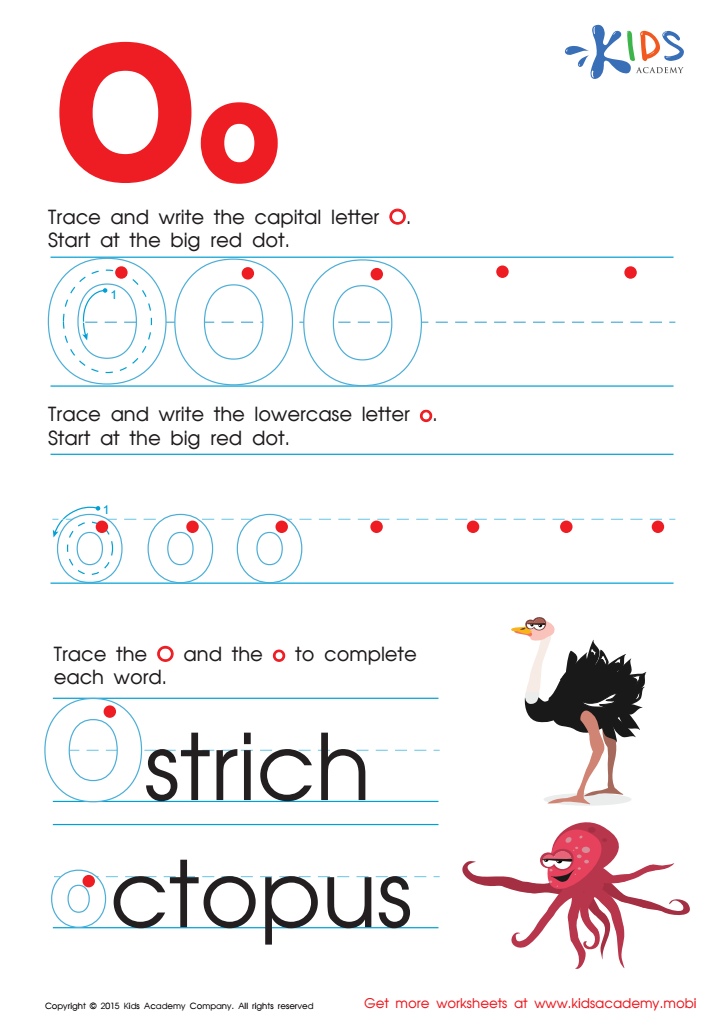
Letter O Tracing Page
 Assign to My Students
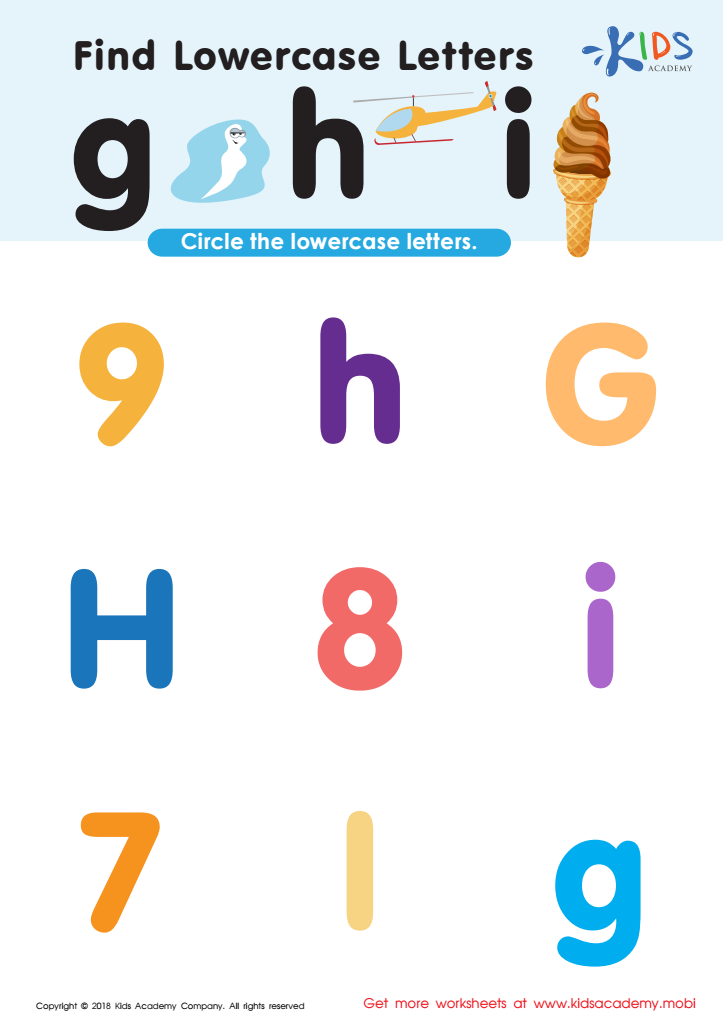
Find Lowercase Letters g h i Worksheet
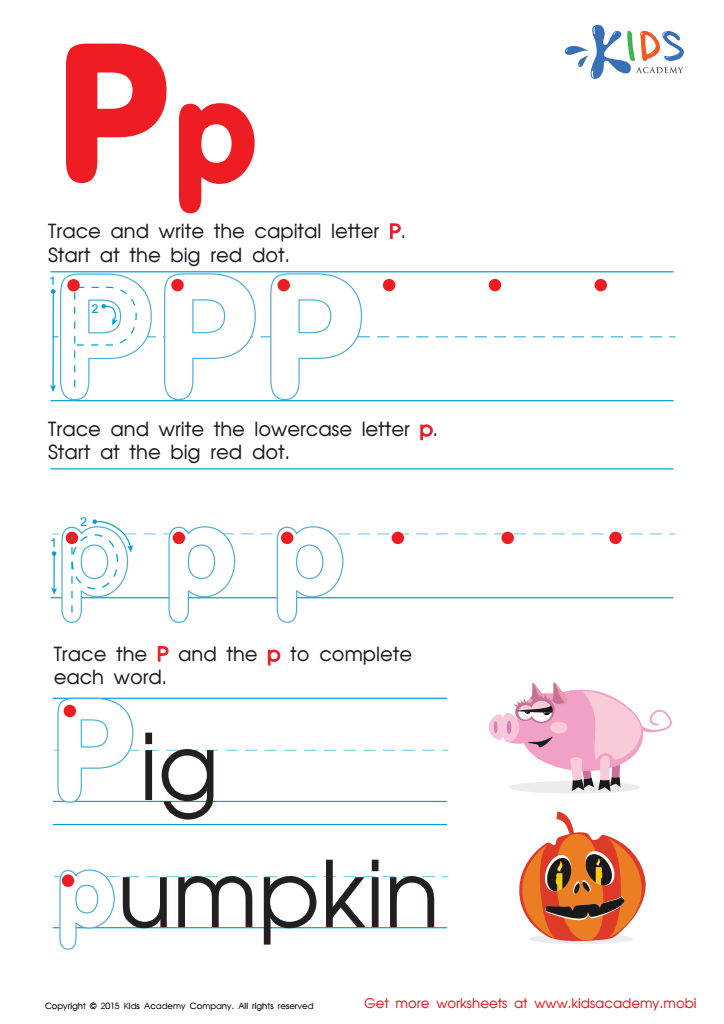
Letter P Tracing Page

Letter H Tracing Page
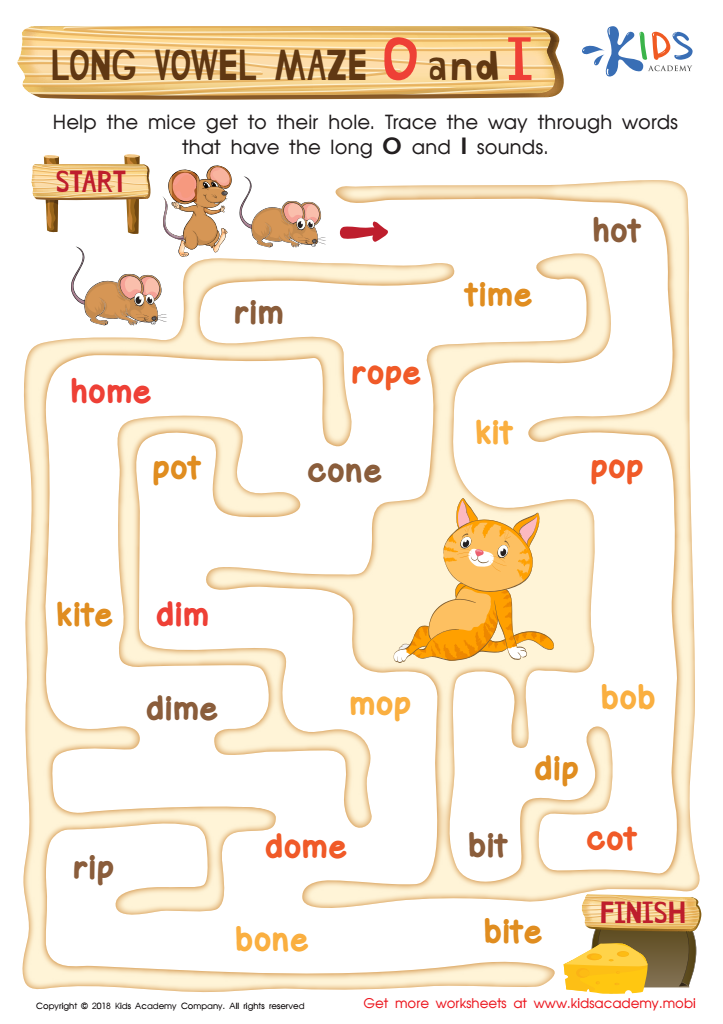
Long Vowel Maze /o/ and /i/ Worksheet
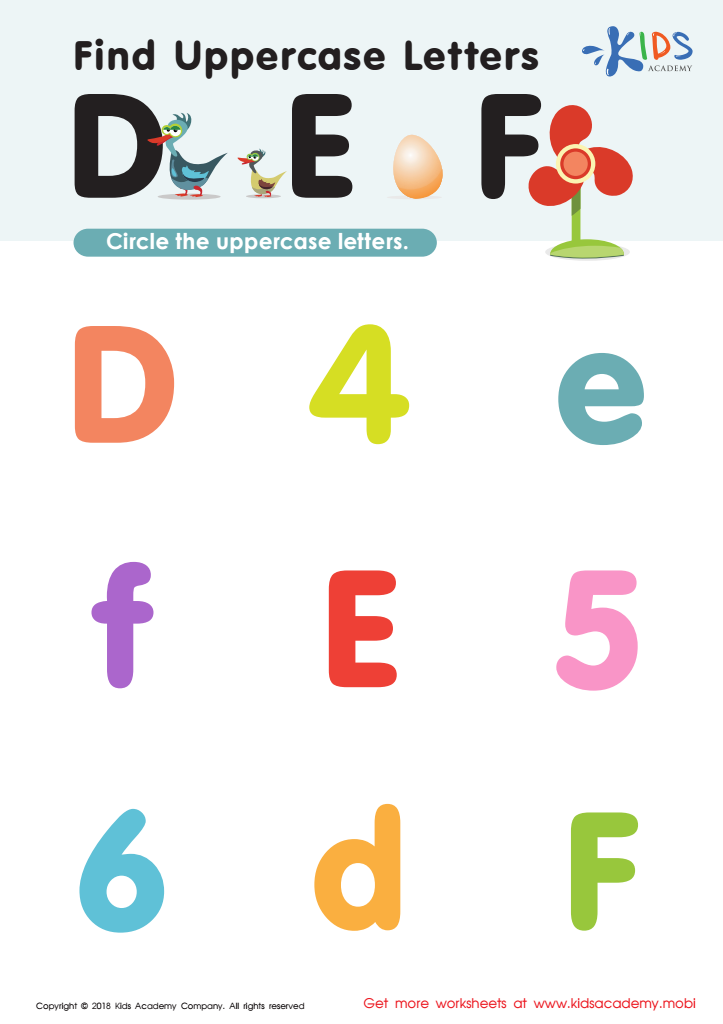
Find Uppercase Letters D, E, and F Worksheet

Letter D Tracing Page








Hand-eye coordination and letter recognition are crucial developmental skills for 6-year-olds, directly influencing their learning and daily activities. As children begin reading and writing, hand-eye coordination enables them to effectively control their hand movements while tracking letters and words. This skill is essential for tasks such as holding a pencil, forming letters, and using technology such as tablets or computers. Strong hand-eye coordination can significantly boost a child’s confidence and interest in literacy and learning.
Normal letter recognition is equally important, as it forms the foundation for reading and spelling. At this age, children should be able to identify both uppercase and lowercase letters, which will aid them in decoding words and understanding phonics. Proficiency in letter recognition leads to improved literacy skills, enhancing reading comprehension and overall academic performance.
Parents and teachers should prioritize these skills through engaging activities—such as drawing, cutting shapes, or play-based exercises—that combine physical movement with letter learning. Early intervention and support in these areas can foster a love for reading and writing, which can propel a child's educational journey. Consequently, cultivating strong hand-eye coordination and letter recognition will lay the groundwork for successful learning experiences as children transition into more advanced academic concepts.








